
Cult Cinema
The Primal Cipher: Unveiling the Transgressive Roots and Narrative Anarchy of the Early Century’s Secret Screen
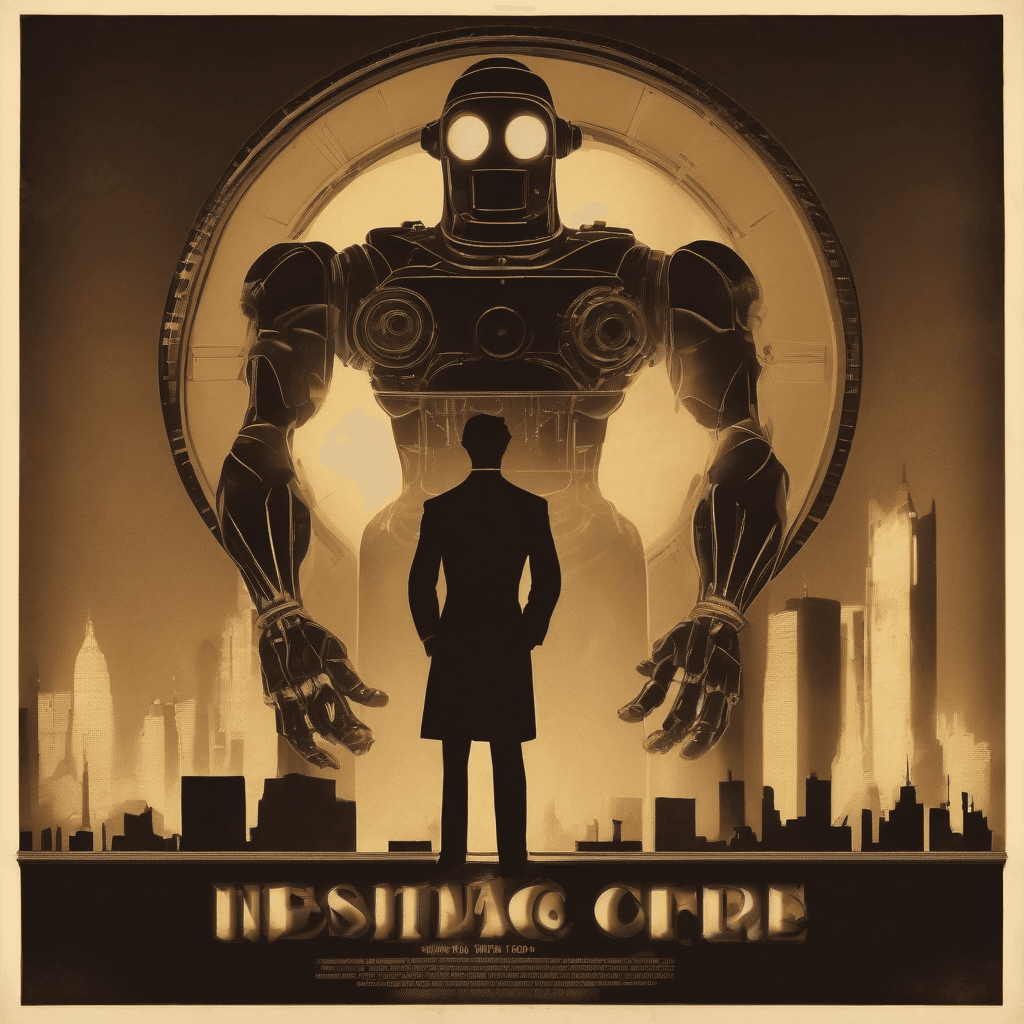
“Explore the hidden origins of cult cinema through a deep dive into early filmic transgressions, from mechanical horrors to psychological fractures that defined the midnight spirit.”
The history of cinema is often written by the victors—the blockbusters, the prestige dramas, and the technical marvels that secured their place in the hallowed halls of the Academy. Yet, beneath the surface of mainstream appreciation lies a jagged, shimmering landscape of the unconventional. Long before the term 'midnight movie' was coined in the smoke-filled theaters of the 1970s, a primal spirit of rebellion was already flickering on nitrate stock. This 'Primal Cipher' represents the genetic code of cult cinema: a collection of films that defied the moral, narrative, and social structures of their time to create something lasting, strange, and deeply devoted.
The Ghost in the Machine: Technological Dread and Early Sci-Fi
One cannot discuss the origins of the cinematic 'other' without confronting The Mechanical Man. This early foray into the intersection of horror and science fiction serves as a cornerstone for what would eventually become the 'tech-cult' subgenre. The image of a remote-controlled metal behemoth, a precursor to the sleek androids of the late 20th century, tapped into a deep-seated societal anxiety about the loss of human agency. In an era where industrialization was reshaping the world, films like this and The Devil at His Elbow—with its focus on the high-stakes engineering of submarines—offered a glimpse into a future where man's creations could easily become his masters.
These films weren't just about the machines themselves; they were about the hubris of the creator. In The Devil at His Elbow, the ticking clock of a government contract becomes a psychological weight, a theme that resonates through decades of cult thrillers where the protagonist is trapped by the very systems they helped build. This narrative anarchy, where the 'hero' is often a victim of their own ambition, is a hallmark of the cult experience.
Psychological Fractures and the Dual Personality
Cult cinema has always been obsessed with the internal landscape of the mind, particularly the concept of the 'split self.' The Two-Soul Woman is perhaps one of the most striking early examples of this fascination. By exploring dual personality disorder through a lens of hypnotism and villainy, it laid the groundwork for the psychological surrealism of later masters. The contention between two men for a woman who doesn't even know herself is a masterclass in the transgressive drama that cult audiences crave—stories where identity is fluid and the world is never quite what it seems.
This theme of fractured identity extends into the social realm with Her Sister, where a woman must adopt a new persona—a seeress—to survive. The act of performance as a means of survival is a recurring motif in cult narratives, reflecting the audience's own desire to escape the mundane and inhabit a more vibrant, albeit dangerous, reality. Whether it's the aristocratic honeymooners of Your Wife and Mine or the theatrical struggles in The Honor of Mary Blake, the tension between who we are and who we pretend to be remains a potent force in the cult lexicon.
The Sacred Weirdness of the Silent Fringe
There is a specific kind of 'sacred weirdness' that exists in the margins of early cinema. Consider How I Became Krazy, an animated short that defies the logic of the physical world, or the slapstick absurdity of A Blue Ribbon Mutt. These films embrace the nonsensical, a trait that would later define the works of avant-garde filmmakers. The comedy in Peanuts and Politics—involving explosive peanuts—is exactly the kind of high-concept, low-brow brilliance that finds a home in the hearts of niche collectors. It is the rejection of 'serious' art in favor of the visceral, the strange, and the hilarious.
Violence, Rebellion, and the State
If cult cinema is a cinema of rebellion, then The Cossack Whip is one of its most fierce ancestors. The depiction of a village massacre ordered by the secret police is a brutal reminder of the political power of the moving image. It doesn't shy away from the horrors of state-sponsored violence, centering on a survivor's quest for vengeance. This 'rebel heart' is what binds films like this to later transgressive masterpieces. It is a cinema that looks directly at the sun, refusing to blink in the face of authority.
Similarly, The Heart of Maryland uses the backdrop of the Civil War to explore the personal cost of political conviction. The conflict between love and loyalty to the Union or the South creates a narrative tension that is both grand and intimate. In the cult world, the 'personal' is always political, and the 'political' is always a matter of life and death. Even in the Western genre, films like The Law of the Border and Cotton and Cattle showcase a world where the law is often as crooked as the criminals it pursues, forcing the heroes to operate in a moral gray zone that would become a staple of the noir and neo-western cult classics.
The Social Outcast and the Moral Maverick
Cult films often find their heroes in the gutter. M'Liss presents us with a 'feisty young girl' in a mining camp, a character who operates outside the polite society of the era. Her fight to save a teacher from a lynching is a classic underdog story, but with a grit that sets it apart from typical melodrama. This focus on the 'misfit' is further explored in Rose Bernd and Schuldig, where social structures and legal systems conspire to crush the individual. In Schuldig, a stolen pistol becomes a catalyst for a tragic descent, highlighting the fragility of the 'American Dream' for those on the outside looking in.
The moral maverick is also found in the world of high society, though their transgressions are of a different nature. Diamonds and Pearls and Silks and Satins deal with the crushing weight of expectation and the hollow promise of wealth. The decision to choose love over money, or the struggle to maintain a facade of prosperity, provides the emotional core for these stories. Cult audiences have always been drawn to the 'honest' emotionality of these struggles, finding a mirror for their own disillusionment with the status quo.
Atmosphere as Narrative: Sun, Shadow, and Noir
The aesthetic of cult cinema is often defined by its atmosphere. Fairy of Solbakken creates a powerful visual metaphor by contrasting a sunny hill with the shadow of a big mountain. This 'light vs. dark' dichotomy is not just a visual trick; it is a narrative engine. The longing of a character in the shadow for the one in the sun is a universal theme of cult longing. This use of shadow would eventually evolve into the stark, high-contrast lighting of film noir, a genre that was born from the same rebellious DNA as these early silent works.
Even in the more lighthearted fare, like Sweet Kitty Bellairs, the setting—18th Century Bath—becomes a character in its own right. The 'flirtatious' energy of the film is bolstered by its period detail, creating a world that feels both familiar and alien. This ability to transport the audience to a specific time and place, through a lens that is slightly askew, is a key component of the cult experience. It is the creation of a 'cinematic sanctuary' where the rules of the real world no longer apply.
The Soul of the Artist and the Suffering of Art
Finally, we must consider the role of the artist in the cult canon. Queen of the Moulin Rouge posits that music lacks a soul unless the artist has suffered. This 'suffering for art' trope is a central pillar of cult devotion. The audience doesn't just watch the film; they empathize with the struggle of its creation. Whether it's the young artist in In Folly's Trail being seduced by a millionaire social bounder or the jockey in Vagabond Luck fighting to prove his worth, the narrative of the 'struggling creator' is one that resonates deeply.
This connection between the audience and the creator is what transforms a simple movie into a cult phenomenon. It is the recognition of a shared 'Primal Cipher'—a hidden language of rebellion, weirdness, and transgressive beauty. From the mechanical horrors of the early sci-fi era to the psychological depths of the silent drama, these films laid the foundation for every midnight screening and niche fandom that followed. They were the original outlaws, the first renegades, and their shadows still loom large over the landscape of modern cinema.
Conclusion: The Eternal Echo of the Fringe
As we look back at films like Red Hot Dollars, Die Hochzeit im Excentricclub, and Rose o' the River, we see more than just historical artifacts. We see the birth of a movement. We see the moment when cinema stopped being just a novelty and started being a tool for radical self-expression. The 'Primal Cipher' is not a relic of the past; it is a living, breathing part of our cultural heritage. It is the reason we still seek out the strange, the forgotten, and the misunderstood. It is the heart of the cult, and it will never stop beating.
Community
Comments
Log in to comment.
Loading comments…