
Cult Cinema
The Maverick’s Monolith: Unearthing the Primal Anarchy and Cult Devotion of Early Cinema’s Forgotten Fringes
“A deep-dive editorial into how the early 20th century's most daring, strange, and overlooked films laid the transgressive foundation for what we now celebrate as cult cinema.”
The history of cinema is often told through the lens of its victors—the blockbusters, the Oscar-winners, and the technological marvels that defined industry standards. However, beneath the polished surface of the mainstream marquee lies a jagged, electric undercurrent of rebellion. Long before the term "midnight movie" was coined in the smoky theaters of the 1970s, the seeds of cult obsession were being sown in the silent era and the early days of talkies. This was a period of unprecedented narrative anarchy, where filmmakers, often working on the peripheries of the burgeoning studio system, experimented with themes of obsession, social deviance, and surrealist wonder. These were the original outcasts, the cinematic anomalies that refused to fit into the neat boxes of traditional storytelling.
The Psychology of Obsession and the Unhinged Artist
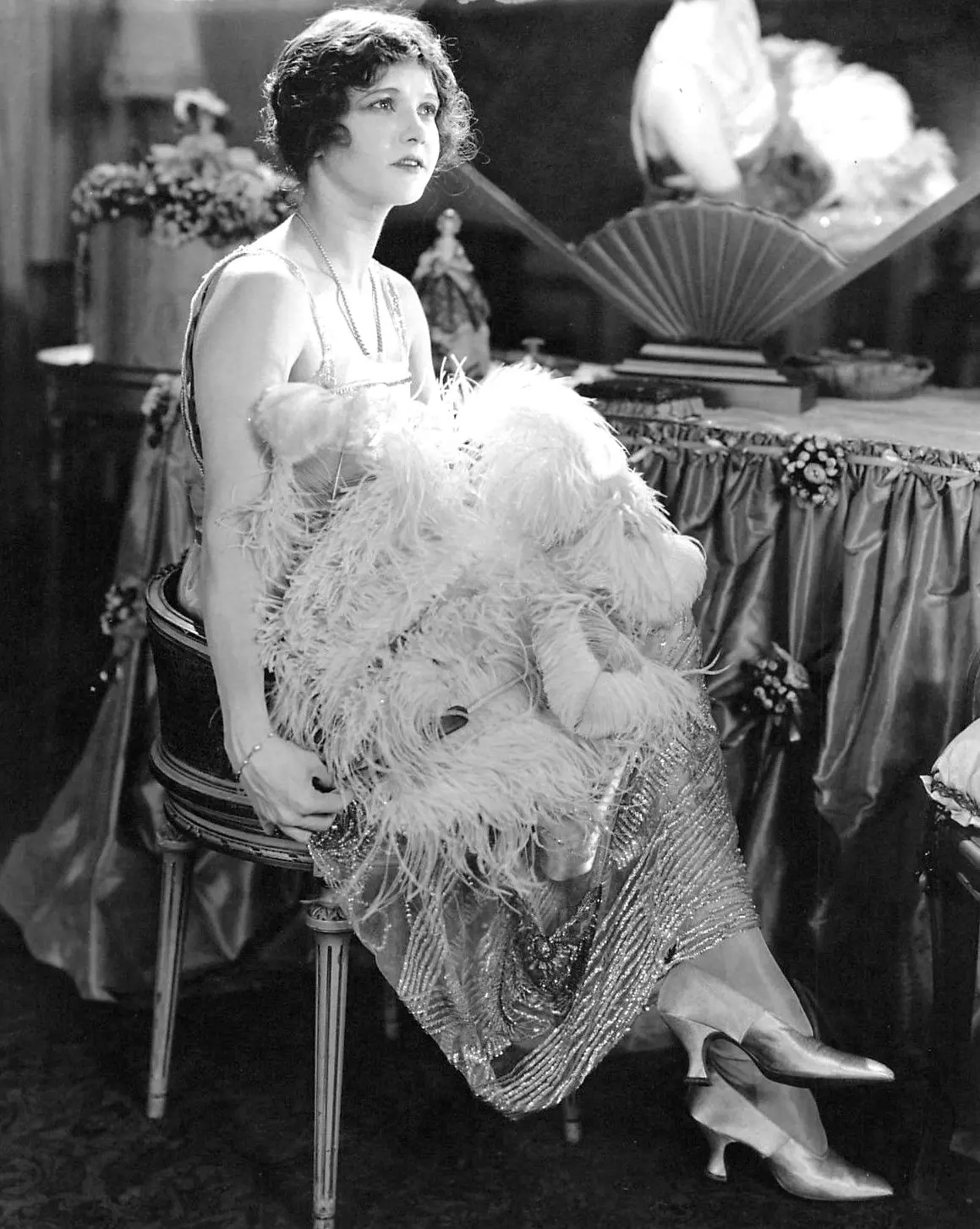
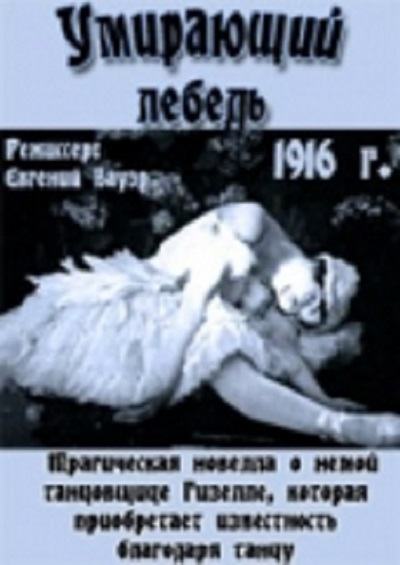
At the heart of the cult aesthetic is a fascination with the fraying edges of the human psyche. We see this primal urge in the 1917 masterpiece Umirayushchiy lebed (The Dying Swan). This film does not merely depict a ballerina’s grace; it explores a grief-stricken performer who becomes the focal point of an increasingly unhinged artist’s obsession. This narrative archetype—the creator destroyed by their creation, or the observer consumed by the observed—is a cornerstone of cult cinema. It predates the psychological thrillers of the mid-century, offering a haunting look at the thin line between inspiration and madness. Similarly, Zhivoy trup (The Living Corpse) delves into the torment of Fedor Protasov, a man paralyzed by the indecision of his wife and the looming shadow of a conventional rival. Protasov’s contemplation of suicide and his eventual descent into the social abyss provide a blueprint for the existential dread that would later define the works of cult icons like Ingmar Bergman or David Lynch.
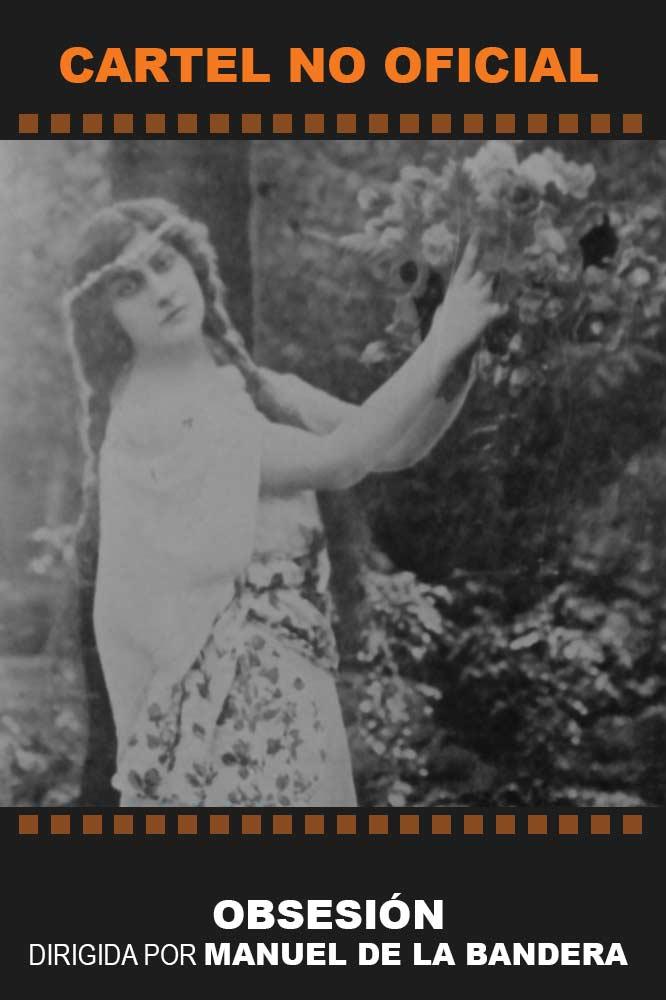
These early explorations of the "broken man" or the "obsessed creator" resonate with modern cult audiences because they prioritize emotional intensity over narrative safety. In The Butterfly Man, we encounter Sedgewick Blynn, a gigolo whose desperate quest for wealth leads him to perform a heroic act that is as much about vanity as it is about redemption. The complexity of such characters—flawed, manipulative, yet occasionally capable of greatness—challenged the binary morality of early cinema and paved the way for the anti-heroes of the 1960s and 70s.
Genre Anarchy: From Magic Buttons to Whales
Cult cinema thrives on the "weird"—the moments where reality bends and the impossible becomes mundane. The early 20th century was rife with these experiments. Consider the whimsical yet surreal premise of Alf's Button, where a soldier’s tunic button, forged from the remains of Aladdin’s lamp, grants his every wish. This blend of wartime grit and Arabian Nights fantasy is exactly the kind of high-concept, low-logic narrative that attracts a devoted following. It suggests a world where the supernatural is just a stitch away, a theme that echoes through the decades into the genre-bending works of Terry Gilliam.
Even more bizarre is the short film His Jonah Day. Here, the protagonist Jimmy finds himself swallowed by a whale, fighting an octopus, and tangling with a palm tree, all while a distracted lifeguard ignores the chaos in favor of bathing beauties. This level of visual and narrative absurdity is the genetic material of the cult "oddity." It is cinema that doesn't care if you believe it; it only cares if you experience it. These films were the precursors to the midnight screenings of the underground era, where the audience’s willingness to suspend disbelief was a badge of honor. The sheer audacity of Mongrels, which used a French poodle and a German dachshund to satirize the geopolitical tensions of the Great War, shows that even the most "low-brow" comedy could be a vehicle for subversive social commentary.
The Subversive Feminine and the Reckless Heart
If cult cinema is about breaking rules, then the portrayal of the "reckless woman" in early film was a radical act of defiance. Il miracolo della Madonna di Pompei presents a young woman acting with an impulsive fervor in both love and life that defied the Victorian sensibilities still lingering in the early 1920s. This isn't the story of a passive maiden; it is the story of a woman driving her own destiny, however chaotic it may be. This spirit of rebellion is further echoed in Molly of the Follies, where Molly Malone—a Coney Island dancer—navigates a world of sideshow freaks and "Human Submarines." Her love for an aquatic performer and her rivalry with her own mother, a "Mystic Hindu Seeress," creates a tapestry of the bizarre and the beautiful that is quintessential cult fodder.
The struggle for agency is also central to The Song of Love, where a desert dancing girl risks everything to protect a French agent. These films placed women in positions of power and peril that were far removed from the domestic spheres of mainstream drama. In The Rug Maker's Daughter, the rescue of an upper-class Turkish girl in Constantinople leads to a romance that crosses cultural and social boundaries, highlighting a fascination with the "exotic" and the "forbidden" that would later become a hallmark of cult exploitation and travelogue cinema.
Social Deviance and the Moral Gray Zone
The cult movie often lives in the moral gray zone, exploring the lives of those on the fringes of "polite" society. The Little Girl Next Door (1923) takes us into the dark underbelly of Chicago, where James Manning is lured into the dangerous world of opium smuggling. This early foray into the "drug film" genre (alongside the aptly titled Dope) established a fascination with transgression and the illicit that would fuel the counter-culture films of later decades. These weren't just cautionary tales; they were windows into a world that the average moviegoer was never supposed to see.
Even the seemingly straightforward dramas of the era possessed a subversive edge. Behold My Wife tells the story of an Englishman who marries a woman of Indian blood specifically to humiliate his family. The resulting clash of cultures and the woman's eventual mastery of English social customs provide a biting critique of colonial arrogance and class snobbery. Similarly, That Sort explores the fallout of a marriage between a wealthy man and a noted actress, where the "reputable" husband eventually returns to his debauched lifestyle, leaving his wife to navigate the ruins. These narratives of social displacement and betrayal are the building blocks of the "outsider" identity that cult fans so fiercely protect.
The Frontier of the Fist and the Forbidden Valley
The Western and the Action film are often seen as the most "standard" of genres, yet in the early era, they were frequently used as canvases for strange and violent storytelling. The Forbidden Valley, set in the Kentucky hills, depicts a brutal feud between the Lee and Mitchell families. It is a story of survival and raw emotion, stripped of the romanticism that would later sanitize the Western genre. The presence of Dynamite Dan, a boxing phenom whose rise to fame is fueled by grit and discovery, points to the visceral, physical cinema that would eventually evolve into the martial arts and sports-cult classics of the 1970s.
In the Mexican borderlands of Cactus Crandall, we see the "lone wolf" archetype being forged in the heat of cross-border investigation and cattle rustling. These films, along with The Boss of the Lazy Y, established the rugged individualism that cult cinema often celebrates—the hero who operates outside the law to achieve a personal sense of justice. This theme of the "renegade" is perhaps best exemplified in Treason (1918), where a man’s obsession with a new high-power explosive leads to the neglect of his wife and the introduction of a mysterious, unexplained stranger into their home. It is a film that blends domestic drama with the looming threat of technological destruction, creating an atmosphere of paranoia that feels strikingly modern.
The Legacy of the Forgotten Reel
Why do these films, many of which were lost to time or relegated to the dusty archives of film historians, matter to the cult enthusiast today? Because they represent the primordial soup of cinematic rebellion. They prove that the urge to tell stories that are uncomfortable, weird, or socially defiant has always existed. Whether it is the mistaken identity at the opera in At the Old Stage Door, the tragic fall from a cliff in Calvert's Valley, or the comedic chaos of Hard Knocks and Love Taps, these films were the first to experiment with the rhythms and tropes that would eventually define the midnight movie.
The cult experience is, at its core, an act of rediscovery. It is the process of finding a film like The Diamond Queen or The Lash of Destiny and recognizing in it a kindred spirit—a piece of art that refuses to settle for the status quo. These early works, from the Russian refugees of Dawn of the East to the naive inventors of The Golden Fleece, remind us that cinema has always been a place for the dreamer, the deviant, and the drifter. As we look back at the Maverick’s Monolith of early film, we see not just the past, but the blueprints for every subversive masterpiece yet to be filmed. The fringe was never just a place on the edge of the screen; it was the heart of the medium all along.
Community
Comments
Log in to comment.
Loading comments…