
Cult Cinema
The Maverick's Nexus: Where Cinematic Rebellion Forges Enduring Devotion and Reinvents Narrative

“Cult cinema stands as a testament to the power of unconventional storytelling, forging deep connections with audiences who seek films that defy mainstream sensibilities and embrace the truly extraordinary.”
In the vast, ever-expanding universe of film, there exists a peculiar and profoundly influential quadrant known as cult cinema. These aren't the blockbusters that dominate multiplexes or the Oscar darlings lauded by critics; instead, cult films are the cinematic outliers, the misunderstood masterpieces, and the glorious failures that, against all odds, find a devoted following. They are the films that initially might have baffled audiences, bombed at the box office, or were simply too strange for their time, only to be resurrected by passionate fans who recognize their unique brilliance and subversive spirit. This enduring allure speaks to a fundamental human desire for alternative narratives, for stories that challenge, provoke, and offer a sense of belonging to an exclusive, appreciative community.

Defining the Undefinable: What Makes a Film 'Cult'?
The term 'cult film' itself is notoriously difficult to pin down. It’s less about genre and more about reception, a unique relationship forged between a film and its audience. While many cult films share common characteristics – transgressive themes, unconventional narratives, stylistic audacity, or a pronounced sense of the absurd – no single criterion defines them. What unites them is the intensity of their fandom, often characterized by repeated viewings, elaborate rituals, and a sense of shared identity among devotees. These are not passive viewers; they are participants, interpreters, and evangelists for their chosen cinematic texts.
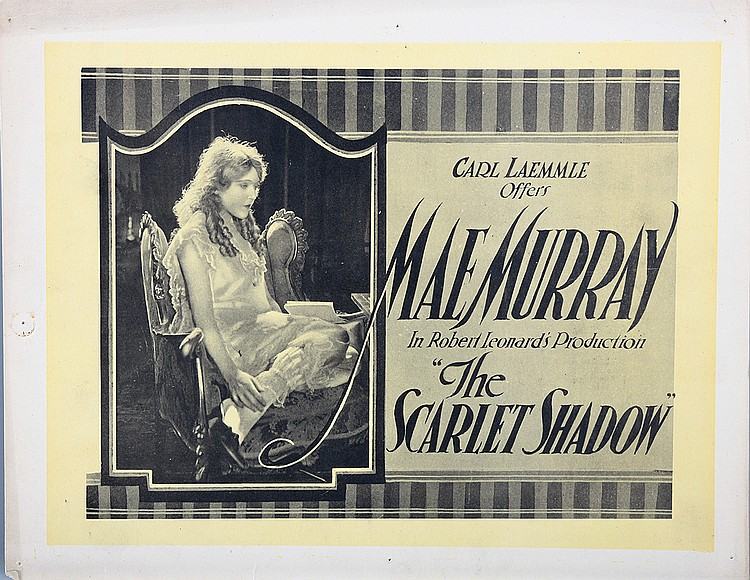
Consider the early cinematic landscape, where even nascent forms of storytelling began to push boundaries. Films that explored the darker aspects of human nature, like the unsettling transformations in early horror narratives, hinted at the transgressive soul that would become a hallmark of cult status. Stories of moral failings, hidden desires, and societal pressures, such as those found in melodramas like *The Scarlet Shadow* or *The Mortgaged Wife*, laid a groundwork for narratives that dared to explore the forbidden. These films, in their own way, began to chip away at conventional morality, setting the stage for future cinematic rebellions.

The Allure of the Outcast: Why Cult Films Resonate
At the heart of cult cinema's appeal is its embrace of the outcast. Mainstream cinema often reflects societal norms and aspirations, offering comfort and familiarity. Cult films, conversely, frequently delve into the fringes, presenting characters, situations, and ideas that exist outside the accepted paradigm. This can be deeply liberating for audiences who feel similarly marginalized or who simply crave stories that reflect a broader, more complex reality than what Hollywood typically offers.

Many cult narratives feature rebel protagonists or anti-heroes who defy authority, societal expectations, or even logic itself. Characters like those in *The Wildcat*, who resist conformity, or figures who operate *Above the Law*, resonate with an audience tired of conventional heroes. Even seemingly straightforward tales of adventure, like *The Three Musketeers* or *Richelieu*, contain elements of defiance and loyalty to a cause that can be reinterpreted through a cult lens, highlighting the struggle against overwhelming odds and corrupt power structures.

The aesthetic of the absurd is another powerful draw. Some cult films thrive on their surrealism, their bizarre humor, or their sheer incomprehensibility to the uninitiated. Early comedies, even simple shorts like *Bobby Bumps in Hunting and Fishing* or *April Fool*, by pushing the boundaries of slapstick and non-sequitur, subtly paved the way for the celebration of the outlandish. This embrace of the strange allows for a unique form of escapism, inviting viewers into worlds where the rules are different, or non-existent, and where the imagination can run wild.

A Historical Glimpse: Seeds of Subversion in Early Cinema
While the term 'cult film' gained prominence in the latter half of the 20th century, the roots of this phenomenon stretch back to cinema's earliest days. Even in the silent era, films began to exhibit qualities that would later define cult status: narrative audacity, moral ambiguity, and a willingness to explore uncomfortable truths. The seminal horror of *Dr. Jekyll and Mr. Hyde* (1920), for instance, with its stark depiction of duality and monstrous transformation, was a profound and unsettling experience for contemporary audiences, tapping into primal fears that resonate through generations.

Consider films that tackled controversial social issues or presented complex moral dilemmas. Narratives like *The Mother Who Paid* or *Her Mother's Secret*, which explored themes of abandonment, societal judgment, and the consequences of hidden pasts, forced viewers to confront uncomfortable realities. These were not always easy watches, and their challenging content could alienate mainstream audiences while captivating others who appreciated their unflinching gaze.

Even less overtly transgressive films could find a niche. Stories of individuals struggling against fate or societal constraints, like *The Beloved Vagabond* or *The Butterfly Girl*, presented characters whose journeys were deeply personal and often fraught with hardship. When these narratives contained an element of the extraordinary, a unique visual style, or a particularly memorable performance, they could begin to accumulate a loyal following, long before the 'midnight movie' circuit became a recognized institution.
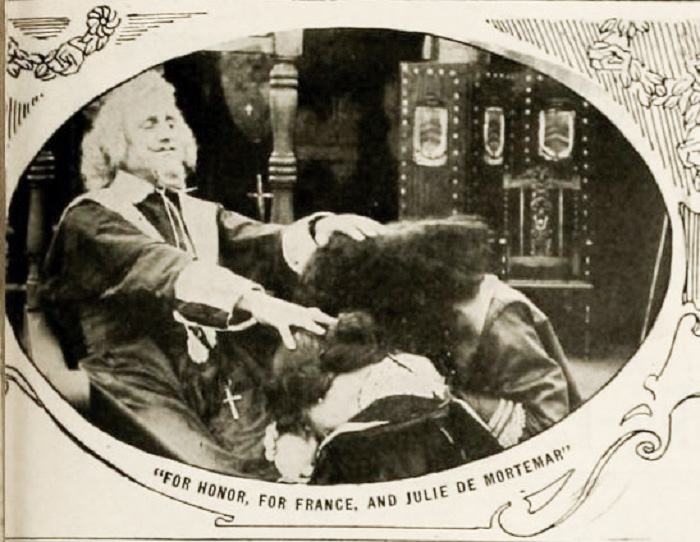
The power of love and betrayal, as explored in films like *When a Man Loves* or *Betrayed*, added layers of emotional intensity that could elevate a film beyond simple entertainment. When these emotions were presented with a raw, unfiltered quality, they could spark intense discussions and a deep emotional connection with viewers who saw their own struggles reflected on screen. Such films, though not always box office hits, left an indelible mark on those who encountered them.

The Ritual and the Community: More Than Just a Movie
What truly solidifies a film's cult status is the active engagement of its audience. Cult films often inspire communal rituals: midnight screenings, costume parties, sing-alongs, and audience participation that transforms a passive viewing experience into a vibrant, interactive event. This shared experience fosters a powerful sense of community, where strangers bond over obscure references, inside jokes, and a mutual appreciation for the unconventional.
The journey of a film from obscurity to cult classic is often a winding one. Many start as critical or commercial failures, only to be rediscovered years or even decades later. Their initial rejection by the mainstream often becomes part of their legend, reinforcing their status as anti-establishment artifacts. Films like *The Man Who Could Not Lose*, perhaps initially dismissed, might later be celebrated for an idiosyncratic performance or an unexpected twist that was ahead of its time.
This rediscovery process is fueled by word-of-mouth, academic reappraisal, and the tireless efforts of dedicated fans. They become curators of cinematic history, unearthing forgotten gems and championing overlooked visions. They see the artistry and the message where others initially saw only strangeness or imperfection. This dedication transforms a mere film into a cultural touchstone, a shared secret among the enlightened few.
Even stories that seem straightforward, like the Westerns or dramas of their era (*Sure Fire*, *The Rainbow Trail*), could, with a specific lens or a unique directorial flourish, develop a following. Perhaps it was a particularly compelling villain, an unusual character dynamic, or a subtle message that resonated with a niche audience seeking something deeper than the surface narrative. The 'girl from nowhere' archetype, as seen in *Nancy from Nowhere*, could, in a different context, become a symbol of rebellion or freedom, ripe for cult interpretation.
The Modern Cult Landscape: Digital Devotion and Niche Algorithms
In the digital age, the landscape of cult cinema has evolved dramatically. The internet, streaming platforms, and social media have democratized access to obscure films, allowing niche interests to find their tribes more easily than ever before. A film that might once have languished in forgotten archives or been passed around on grainy VHS tapes can now find a global audience with a few clicks.
This accessibility has broadened the definition of cult, encompassing everything from micro-budget independent features to foreign arthouse oddities, animated experiments, and even mainstream films that, for one reason or another, developed an unexpectedly fervent following. Algorithms, surprisingly, sometimes act as inadvertent matchmakers, connecting viewers to films they never knew they needed, fostering new digital congregations.
Yet, the core tenets remain: a film gains cult status when it inspires a devotion that transcends casual appreciation. It's when a film becomes a part of a viewer's identity, a touchstone for their worldview, or a shared language with a like-minded community. Films that explore intense psychological states, like *Mad Love* or *Bogdan Stimoff*, or delve into complex family dynamics, like *The Girl, Glory*, offer rich material for obsessive analysis and discussion, fostering a deeper engagement that lasts long after the credits roll.
The subversive power of these films lies in their ability to challenge, to make us question, and to offer perspectives rarely seen elsewhere. Whether it's the moralistic undertones of *Who Is to Blame?* or the dramatic intensity of *Under the Lash*, these narratives, when viewed through the lens of a dedicated fan, take on new layers of meaning and resonance. They become more than just stories; they become experiences, catalysts for thought and conversation.
The Enduring Legacy: Reimagining Narrative, Redefining Art
Cult cinema's most profound impact lies in its capacity to reinvent narrative and redefine what is considered cinematic art. By embracing the unconventional, the provocative, and the misunderstood, cult films push the boundaries of storytelling. They demonstrate that commercial success is not the sole arbiter of artistic merit, and that true impact can often be found in the margins.
These films offer a vital counter-narrative to the homogeneity that can sometimes characterize mainstream media. They remind us that there is beauty in imperfection, power in strangeness, and profound connection to be found in shared obsessions. From the earliest silent features that dared to be different to the modern digital oddities celebrated by global fandoms, cult cinema remains a vibrant, ever-evolving testament to the diverse and rebellious spirit of storytelling.
Ultimately, the maverick's nexus is where this all converges: a place where artistic freedom meets fervent fandom, where forgotten reels find new life, and where the act of watching a film becomes a ritual of belonging. It’s a celebration of the unique, the defiant, and the enduring power of cinema to connect us through shared, unconventional visions. As long as there are stories to be told that defy easy categorization, and audiences eager to embrace them, cult cinema will continue to thrive, challenging perceptions and forging unbreakable bonds.
Community
Comments
Log in to comment.
Loading comments…