
Cult Cinema Deep Dive
The Midnight Archeology: Unearthing the Radical DNA of Cinema’s First Fringe Masterpieces

“A deep dive into the silent era's most subversive and forgotten gems, exploring how amnesia, secret societies, and visual anarchy birthed the modern cult phenomenon.”
To understand the modern cult film is to understand the history of the fringe. Long before the midnight movie circuits of the 1970s or the digital underground of the 21st century, the silent era was already incubating a specific type of cinematic madness. This was a period of radical experimentation where the boundaries of narrative were not yet set in stone, allowing for the emergence of what we now recognize as the proto-cult aesthetic. These films were not merely products of their time; they were anomalies—strange, often transgressive works that challenged the moral and social status quo. From the amnesiac labyrinths of the early 1920s to the satirical fire of Argentinian animation, the DNA of cult cinema was written in the flickering shadows of the early 20th century.
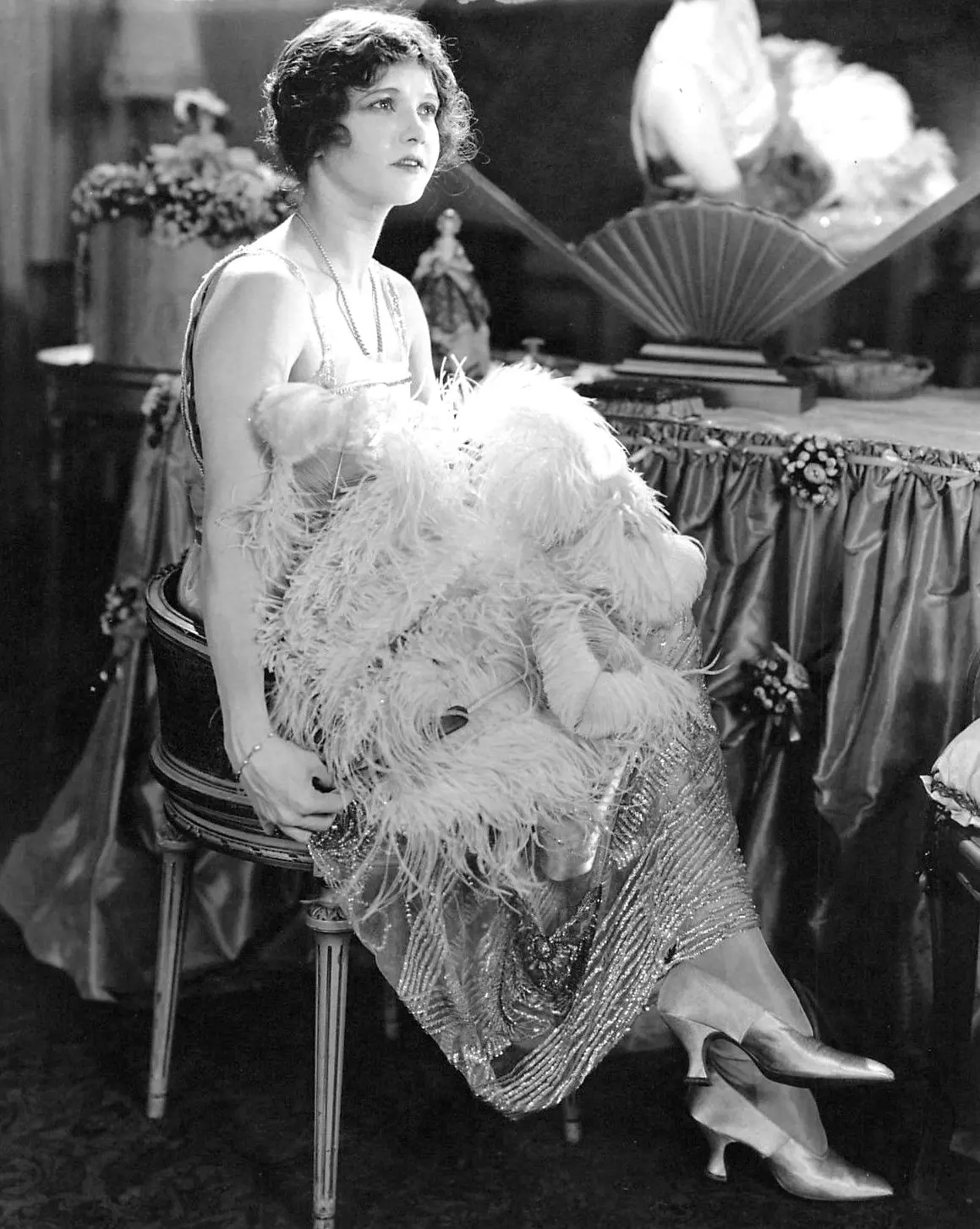
The Amnesiac’s Maze: Identity and the Fractured Self
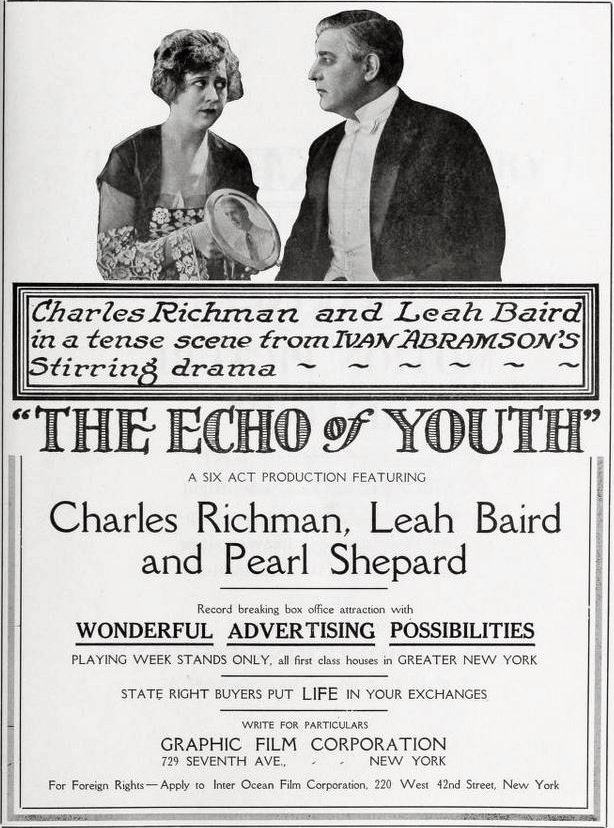
One of the most enduring tropes in cult cinema is the loss of self, a theme that resonates deeply in The Other Woman (1921). Langdon Kirven’s journey from a family man to the amnesiac John Gorham represents more than just a dramatic plot point; it is a fundamental exploration of the malleability of identity. This narrative of a man leading a double life, unaware of his own past, prefigures the psychological thrillers that would later define the noir and neo-noir cult movements. Similarly, in The Echo of Youth, the past is not a memory but a ghost that haunts the present, as a Supreme Court justice is confronted by the consequences of a youthful affair. These films suggest that the self is a fragile construct, a theme that cult audiences—often those feeling alienated from mainstream society—find endlessly compelling.

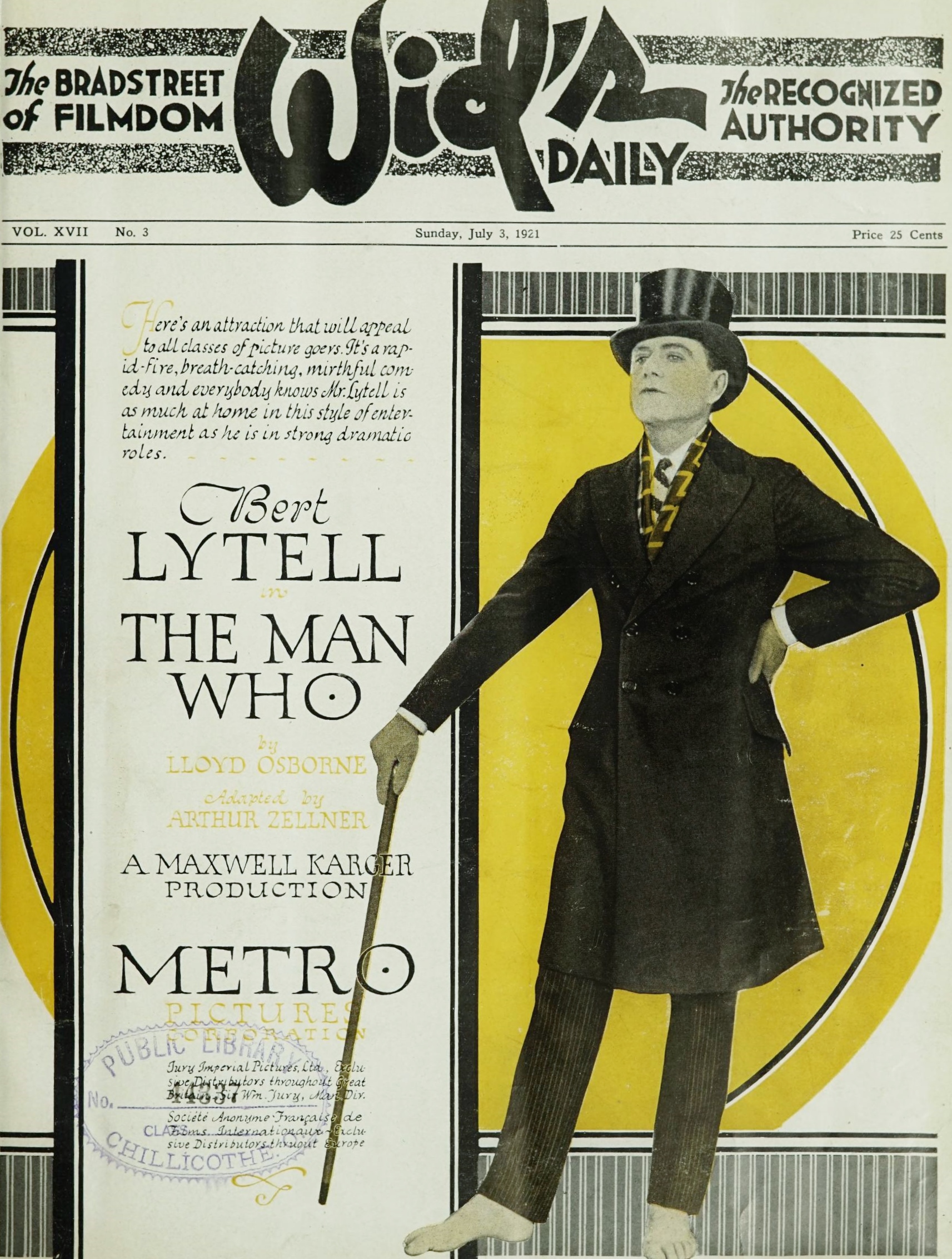
The internal struggle for identity often manifests as an external battle against social expectations. In The Man Who Could Not Lose, we see the desperation of the creator, a writer forced to produce a manuscript under the pressure of a looming deadline. This meta-commentary on the artistic process is a hallmark of cult works that seek to deconstruct the medium itself. When identity is stripped away, what remains is the raw, unvarnished human experience, often leading to the kind of radical reinvention seen in the early fringe.
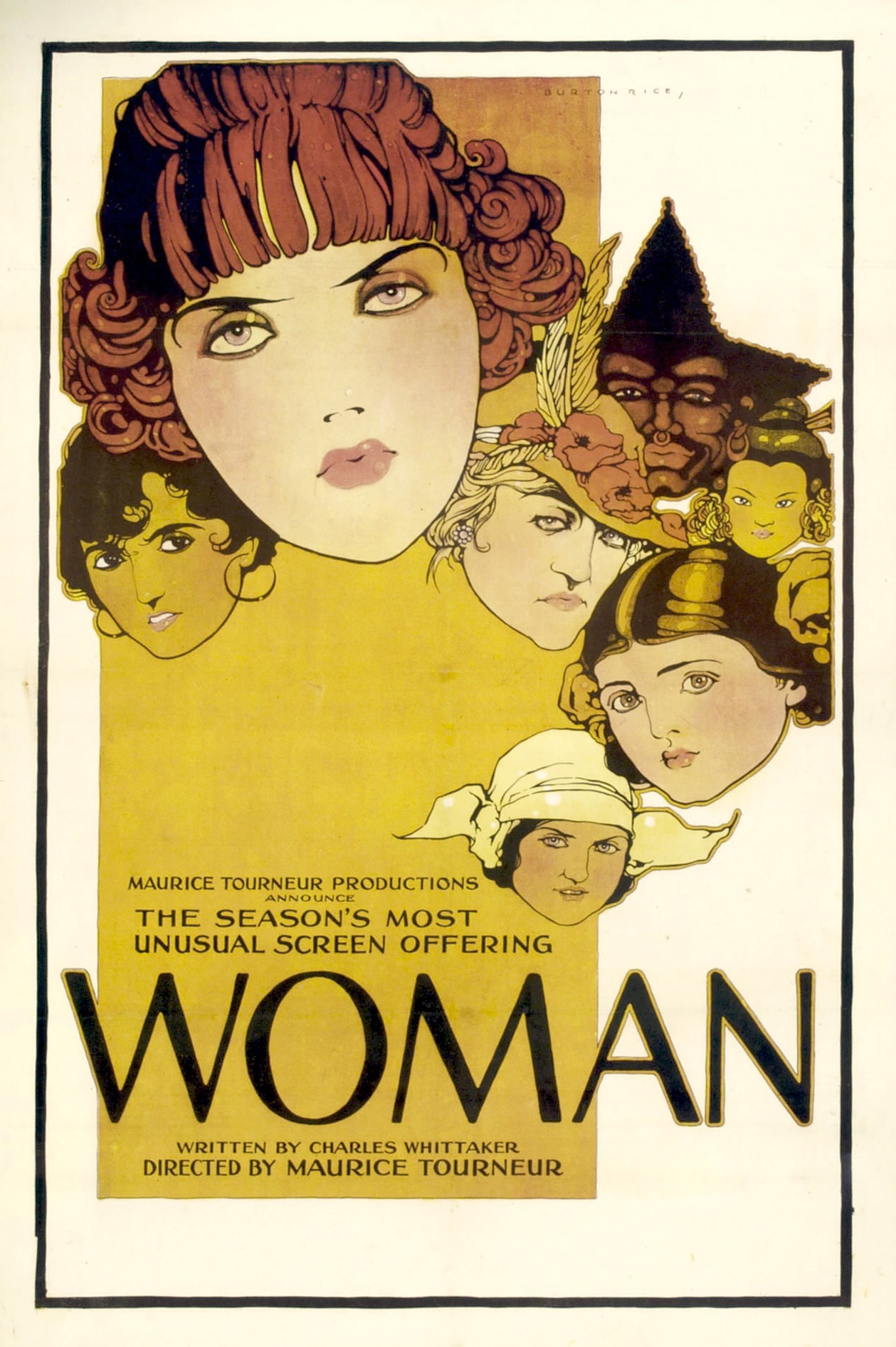
Sacred Obsessions and the Relics of the Damned
Cult cinema often thrives on the fetishization of the object—the MacGuffin that drives characters to the brink of insanity. Perhaps no film captures this better than The Thirtieth Piece of Silver (1920). The story of Tyler Cole and his obsession with the last of Judas's silver coins is a masterclass in the cinema of obsession. The coin is not just a relic; it is a curse, a forbidden object that destroys the domestic peace of those who possess it. This focus on a single, spiritually charged artifact would later influence everything from the occult horror of the 70s to the treasure-hunting adventures of the 80s.
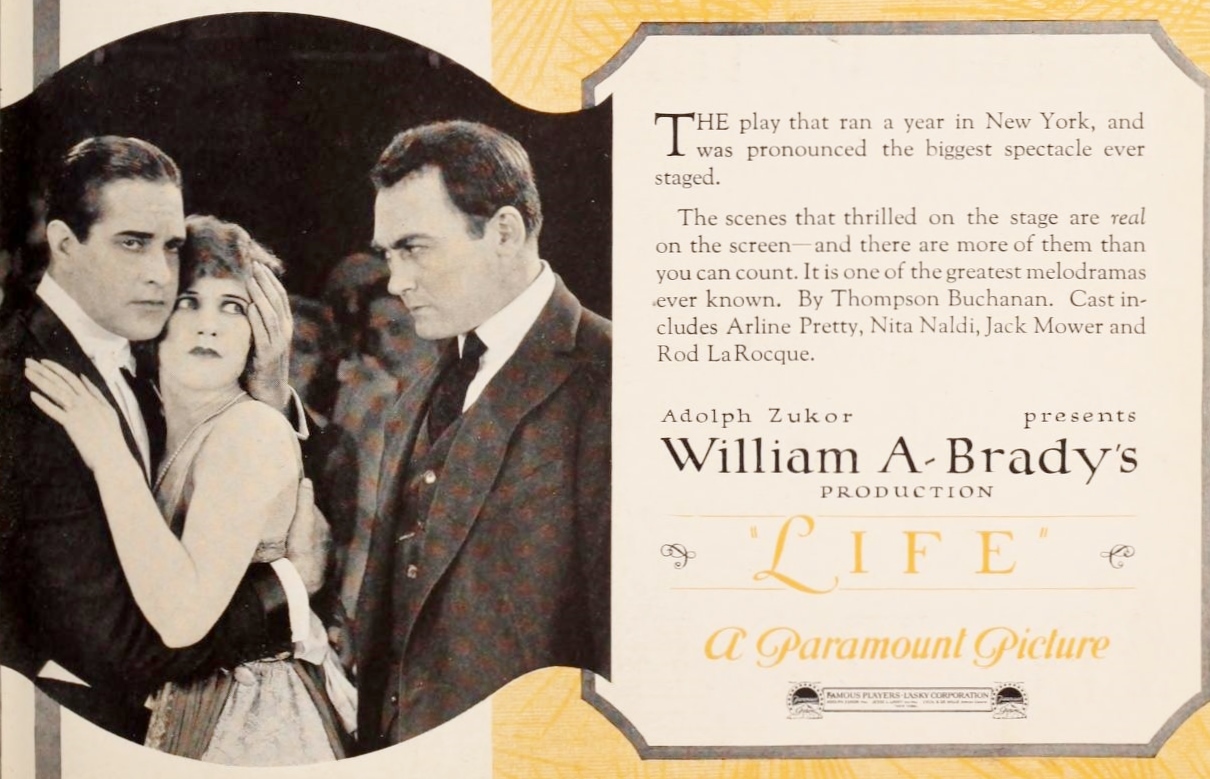
The religious and the profane frequently collide in these early works. The Christian (1923) presents a stark contrast between the monastic life and the glitz of the London stage. The tension between Glory and John—one ascending to stardom, the other retreating into silence—mirrors the internal conflict of the cult devotee: the desire to be seen versus the desire to belong to a secret, sacred circle. These narratives of devotion, whether to a person, a god, or a piece of silver, provide the spiritual architecture for the obsessive fandoms that define the cult experience today.
The Satirical Fringe: Secret Societies and Social Mutiny
If cult cinema is defined by its rejection of the mainstream, then the silent era’s satirical works are its manifesto. The Beloved Cheater (1919) introduces us to the "Anti-Kiss Cult," a bizarre social group that refuses physical intimacy. This is the quintessence of the cult narrative: the creation of a fringe society with its own nonsensical rules. The film uses this absurdity to critique the social mores of the time, much like how modern cult classics use satire to poke holes in the fabric of contemporary life. Similarly, The Uplifters (1919) takes aim at social movements and the performative nature of activism, depicting a stenographer who becomes convinced she is one of the "downtrodden."
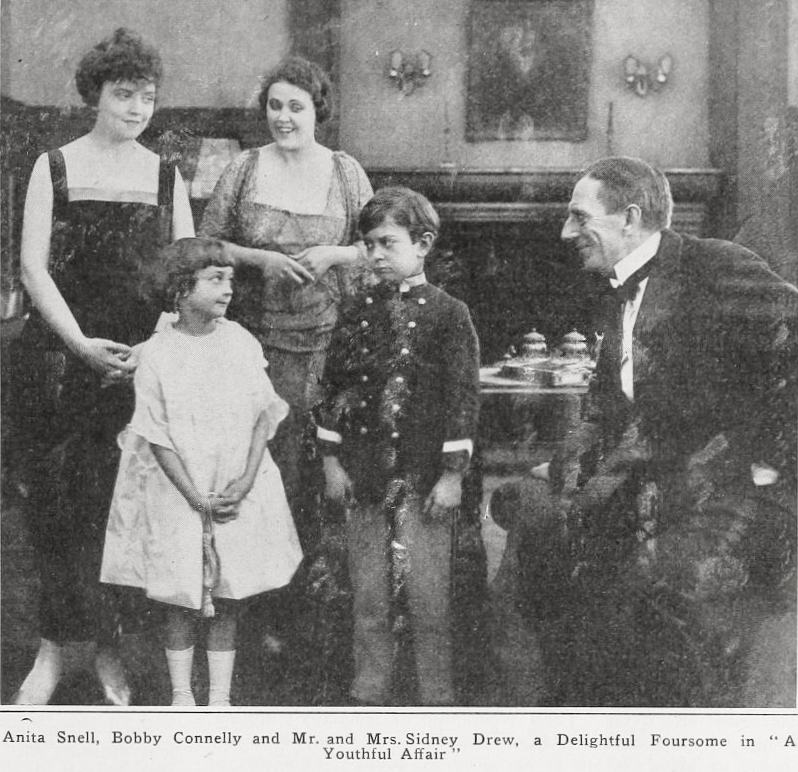
These films were not afraid to be weird. They embraced the anomalous aesthetic, prioritizing the strange and the specific over the universal. In Molly Go Get 'Em, we see the rebellion of the younger sister against the rigid structures of society presentations. These characters are the archetypal "misfits"—the rebels, the dreamers, and the deviants who refuse to play by the rules. This spirit of mutiny is also found in The Wildcat, where Bethesda Carewe’s spoiled defiance becomes a vehicle for exploring the transactional nature of marriage and class.
Visual Anarchy: Animation and the Surrealist Spark
The visual language of cult cinema is often one of excess and experimentation. El apóstol (1917), the world’s first animated feature, is a foundational text of cinematic rebellion. By using Jupiter’s thunderbolts to burn down Buenos Aires, the film used animation not as a children’s medium, but as a weapon of political satire. This radical use of the frame to depict the impossible is what draws cult audiences to the avant-garde. The inkwell comes alive in Bubbles (1922), where Max and the Inkwell Clown compete in a surreal contest that defies the laws of physics. This playfulness, this refusal to accept the reality of the camera, is the ancestor of the psychedelic visuals found in later cult masterpieces.
Even in live-action, the sense of spectacle was often used to create a dreamlike, otherworldly atmosphere. Theodora (1921), with its depiction of the rise of a slave girl to the throne of Rome, utilizes the grandeur of Byzantium to tell a story of betrayal and power. The scale of the production, combined with the transgressive nature of the protagonist’s journey, creates a sense of monumental weirdness that is common in cult epics. These films were building worlds that were larger and stranger than life, inviting the viewer to lose themselves in the artifice.
The "Vamp" and the Moral Outcast: Transgressing the Screen
No discussion of cult cinema is complete without the archetype of the outcast. A Fool There Was (1922) solidified the "Vamp"—the woman who ruins men and defies the patriarchal order. This character is a precursor to the femme fatale and the various "wicked" women who populate the cult canon. Her power is her transgression; she is a figure of both desire and destruction. Similarly, The Flame (1923) explores the life of a hedonistic woman in 19th-century Paris, struggling with the constraints of a traditional marriage. These films dared to depict characters who were morally ambiguous, forcing the audience to sympathize with the "villain."
The moral outcast is often a victim of circumstance, as seen in The Blue Bonnet, where a young woman joins the Salvation Army to find her lost father, or in Lost and Won, where a news girl dreams of a better life. These stories of the underclass, the forgotten, and the abandoned are the heart of the cult narrative. In L'ira, the wild country of smuggling and banditry serves as the backdrop for a story of brotherly love and violent survival. These are not the polished stories of the elite; they are the gritty, raw tales of the celluloid underworld.
The Global Reach of the Early Fringe
The cult impulse was never confined to a single geography. The Snail (1918) takes us from China to America in a story of servitude and persistent love, highlighting the global nature of the early film industry. Sati Sulochana brings the mythological weight of Indian cinema to the table, while Lavinen and Die Nacht der Königin Isabeau demonstrate the European flair for melodrama and historical intrigue. Even With Our King and Queen Through India, an early color film, shows the fascination with the "other" and the exotic, a trend that would eventually evolve into the "mondo" and exploitation genres of the cult era.
Conclusion: The Legacy of the Silent Misfits
What we see in these fifty films is the blueprint for a century of cinematic rebellion. The themes of amnesia in The Other Woman, the religious obsession of The Thirtieth Piece of Silver, the satirical secret societies of The Beloved Cheater, and the visual anarchy of El apóstol all point toward a common ancestor for the modern cult film. These works were the first to understand that cinema could be more than just a reflection of reality—it could be a distorting mirror, a secret language, and a site of transgressive ritual.
As we look back at these forgotten reels, from the comedy of Any Old Port to the drama of The Last Call, we find a treasure trove of ideas that continue to influence filmmakers today. The cult film is not a modern invention; it is a primal urge, a desire to see the unseen and to celebrate the uncelebrated. These silent era anomalies were the first to light the fire, and their flicker still burns in every midnight screening and every niche fandom that dares to look into the shadows.
Community
Comments
Log in to comment.
Loading comments…