
Deep Dive
The Midnight Blueprint: Decoding the Subversive DNA of Cinema's First Rogue Wave
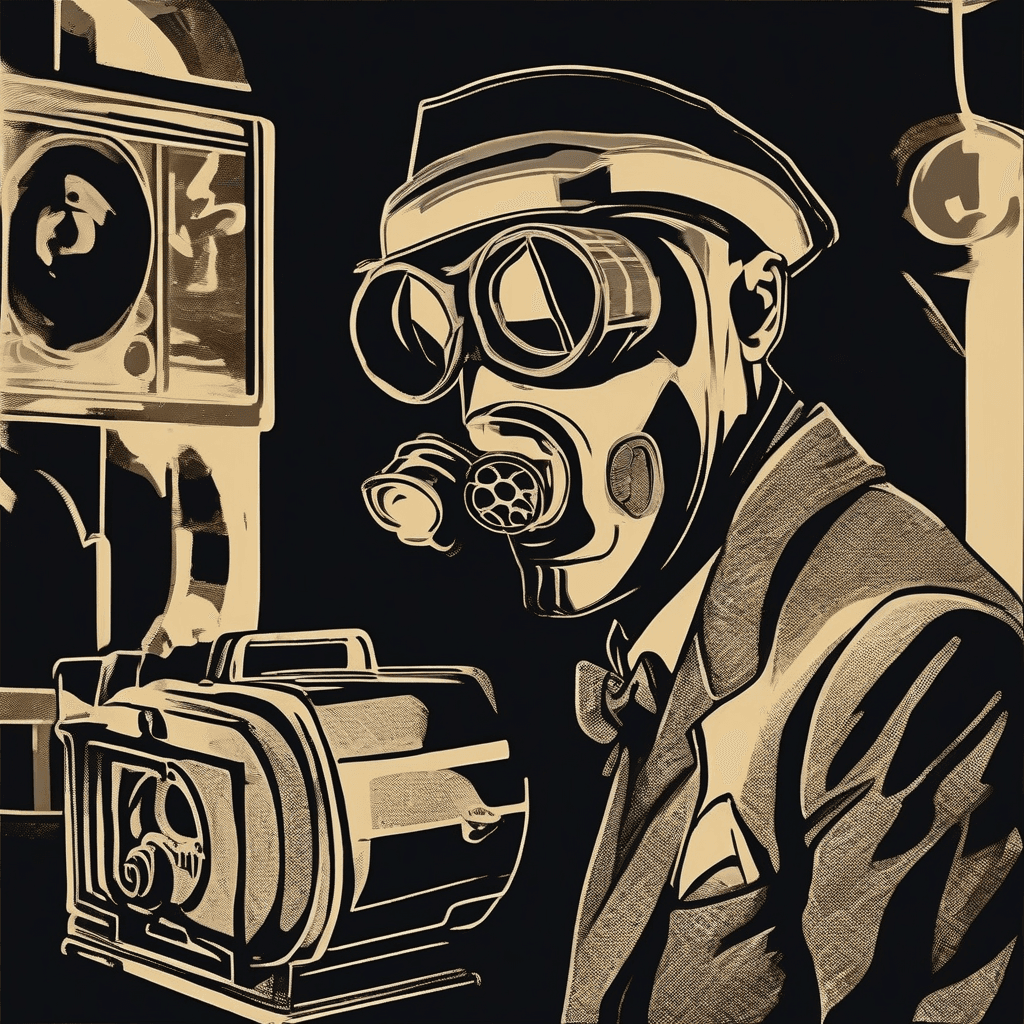
“An in-depth exploration of how the silent era’s outcasts, dreamers, and genre-defying narratives established the foundational DNA of modern cult cinema.”
The Genesis of the Cinematic Outlier
When we speak of cult cinema, the mind often drifts to the neon-soaked midnight screenings of the 1970s or the transgressive underground movements of the 1980s. However, the true genetic blueprint of the cult film was drafted much earlier, in the flickering shadows of the silent era. Between 1914 and 1922, a rogue wave of filmmakers began to experiment with narratives that defied the burgeoning mainstream conventions of Hollywood. These films, often relegated to the fringes of history, were the first to embrace the themes of the social outcast, the psychological labyrinth, and the moral ambiguity that define modern cult devotion.
To understand the allure of the cult classic, one must look at the primal urge for rebellion. Cult cinema is not merely a genre; it is a relationship—a pact between a misunderstood film and a devoted audience. This pact was first signed by the silent rebels who chose to portray the world not as a moralistic fable, but as a complex, often dark, and surreal landscape. From the bohemian taverns of Europe to the dusty trails of the American West, these early works laid the groundwork for everything from film noir to avant-garde surrealism.
The Archetype of the Outlaw and the Orphan
At the heart of almost every cult narrative lies the figure of the misfit. In the early 1910s, this was often personified by the outlaw or the abandoned child. Consider the 1920 film The Orphan. This was not a standard Western; it was a psychological study of a young boy who becomes an outlaw to avenge his father's hanging. The film’s focus on trauma and the thin line between justice and criminality is a precursor to the anti-heroes that would later populate the films of Sam Peckinpah or Quentin Tarantino.
Similarly, Fighting Back (1917) introduced the concept of the 'Weakling'—a man cashiered out of the army through injustice, wandering the desert in search of redemption. These characters resonated with audiences who felt alienated by the rapid industrialization and social rigidity of the early 20th century. They weren't just characters; they were symbols of a burgeoning counter-culture. The cult film survives on this sense of shared alienation, and these early silent protagonists were the first to walk that lonely path.
The Underworld and the High Society Contrast
Cult cinema has always thrived on the friction between the 'respectable' world and the 'underworld.' This thematic tension is brilliantly explored in A Daughter of Two Worlds (1920), where Jennie Malone, the daughter of a dive-bar proprietor, is caught between her criminal roots and the desire for a better life. This narrative of forgery and social masquerade speaks to the cult cinema's obsession with identity and the performative nature of class.
We see this again in The Greyhound (1914), a film about a confidence man and card sharp. The fascination with the 'con' and the 'hustle' is a recurring motif in niche cinema, as it reflects the viewer's own desire to subvert the systems of power. Whether it’s the crooked banker in The Running Fight (1915) or the gigolo hero of The Butterfly Man (1920), these films invited the audience to find beauty and empathy in the morally grey areas of human existence.
Surrealism and the Logic of Dreams
Before David Lynch or Alejandro Jodorowsky, silent cinema was already experimenting with the unconscious mind. One of the most striking examples is Blind Wives (1920). This episodic tale uses a series of dreams—revolving around an obsession with luxury and a sable coat—to explore a woman's internal conflict. This departure from linear storytelling into the realm of the phantasmagoric is a hallmark of the cult aesthetic. It demands that the viewer engage with the film on a visceral, non-rational level.
The bizarre and the uncanny were also present in films like Lord Saviles brott (1922), where a palmist's prediction of murder drives the protagonist into a spiral of comic yet dark obsession. This blend of the supernatural with the mundane creates a sense of 'sacred weirdness' that cult fans crave. Even the three-part historical epic Satanas (1920) utilized the figure of the devil to link disparate moments in human history, suggesting a hidden, darker force at work in the world—a theme that would later define the occult sub-genres of cult horror.
The Meta-Narrative: Marvelous Maciste and the Birth of Fandom
Perhaps the most fascinating precursor to modern cult fandom is the 1915 film Marvelous Maciste. In a stunningly modern meta-twist, the protagonist Josephine enters a movie theater to watch the film *Cabiria*. Seeing the incredible strength of the character Maciste, she believes he is real and can save her from her kidnappers. This is arguably the first cinematic representation of fanatical devotion—the idea that the screen hero has a life beyond the celluloid and can intervene in our reality.
This blurring of the lines between the audience and the screen is the essence of the cult experience. Whether it is fans shouting back at the screen during *The Rocky Horror Picture Show* or the obsessive deconstruction of the *Star Wars* mythos, it all began with the realization that cinema could be more than entertainment; it could be a source of salvation. Maciste was the first 'cult icon,' a figure whose physical prowess and moral certainty offered an escape from the complexities of the real world.
The Masked Avenger and Serialized Obsession
The concept of the 'masked fighter for justice' is a cornerstone of cult media, and few figures are as influential as Judex. In The New Mission of Judex (1917), the serialized nature of the storytelling created a sense of anticipation and community among viewers. This was the birth of the 'event' film, where the audience returned week after week to follow the adventures of a mysterious, cloaked vigilante. The gothic atmosphere and the secret missions of Judex paved the way for the dark, brooding heroes of modern graphic novel adaptations.
This sense of mystery extended into the 'underworld dive' narratives like Tiger True (1921), where a wealthy man seeks adventure in the dark corners of the city. The cult film often acts as a tour guide to the forbidden, taking the audience into spaces they would never dare to enter in their daily lives. Whether it is the tavern in Skæbnesvangre vildfarelser (1914) or the trading post in My Dad (1922), these settings become characters in their own right, dripping with atmosphere and unspoken danger.
Bohemian Rebellion and the Artist's Soul
Cult cinema has always had a deep affinity for the bohemian lifestyle. The silent era was filled with films that celebrated the 'starving artist' and the social rebel. Skæbnesvangre vildfarelser (1914) takes us inside the Moulin Rouge, where sculptors and painters gather to listen to singers and drown their sorrows. This romanticization of the fringe—the idea that the artist sees a truth that the bourgeois public cannot—is a foundational pillar of cult cinema.
We see this also in The House of Toys (1920), where an architect must choose between his artistic dreams and the pressures of a wealthy, disapproving family. The struggle to maintain one's integrity in a world that values only wealth is a theme that resonates deeply with the cult audience, who often see themselves as the protectors of 'true' art against the onslaught of commercialism. The 'House of Toys' serves as a metaphor for the fragile, constructed nature of social success, a theme that cult directors continue to dismantle today.
Conclusion: The Perpetual Midnight
The 50 films discussed here—from the romantic comedies like Moonlight and Honeysuckle (1921) to the gritty dramas like Judy of Rogues' Harbor (1920)—represent a lost continent of cinematic history. They were the experiments, the accidents, and the bold statements that allowed cinema to grow beyond its infancy. They taught us that a film could be a dream (Blind Wives), a weapon (The Orphan), or a sanctuary (The New Mission of Judex).
As we look back at the maverick spirits of the silent era, we realize that the 'midnight movie' was never about the time of day. It was about a state of mind. It was about the willingness to look into the shadows and find something beautiful, something strange, and something that belonged to us alone. The silent era’s moral anomalies and genre mutations didn't just fade away; they became the very soul of the cult cinema we worship today. Every time a new generation discovers a 'weird' movie and makes it their own, they are participating in a tradition that began over a century ago, in the flickering light of the first rogue wave.
Community
Comments
Log in to comment.
Loading comments…