
Cult Cinema
The Copper Covenant: Unearthing the Primal Deviance and Sacred Weirdness of Cinema’s Earliest Midnight Rebels
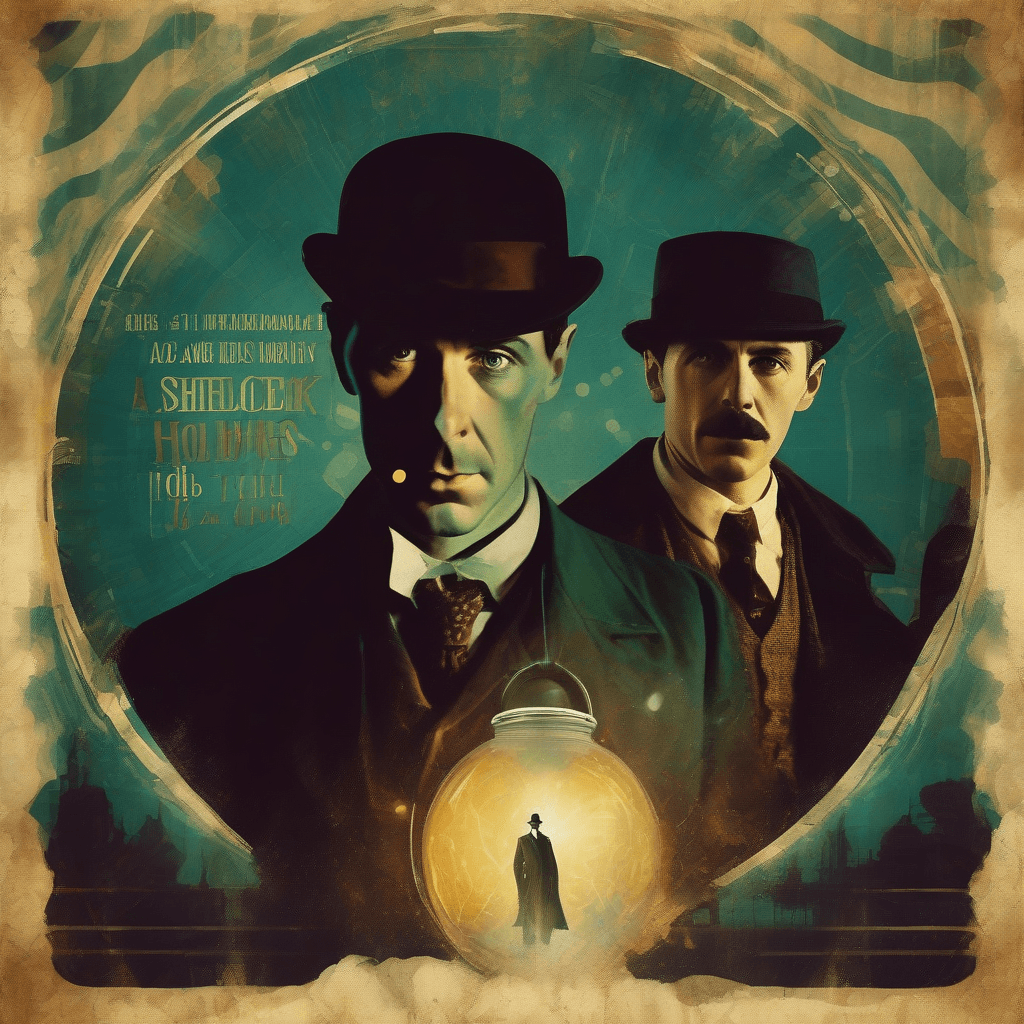
“A deep dive into the transgressive roots of cult cinema, exploring how the silent era's moral deviants and genre rebels laid the foundation for modern midnight movie devotion.”
The history of cinema is often told as a linear progression from primitive novelty to polished blockbuster, a sanitized narrative of technological triumph and narrative refinement. However, beneath this glossy veneer lies a darker, more volatile current—a genetic rebellion that predates the midnight movie explosions of the 1970s. This is the realm of the cinematic outlier, the strange and the transgressive, where the rules of storytelling were not just broken, but ritualistically dismantled. Long before audiences gathered for midnight screenings of underground favorites, the silent era was already birthing its own wave of cult anomalies.
The Genesis of the Midnight Mindset
Cult cinema is defined not by its budget or its mainstream success, but by the fervor of its devotion. It is a cinema of the fringe, catering to those who seek the unconventional and the bizarre. To understand the origins of this devotion, we must look back to the early 20th century, an era of radical experimentation. Consider the 1914 version of Der Hund von Baskerville. In a move that would baffle modern purists, this adaptation dispensed with Dr. Watson entirely and featured two Sherlocks. This blatant disregard for canonical fidelity is a hallmark of the cult ethos—the creation of a unique, localized mythos that exists outside the bounds of traditional expectation.
This spirit of rebellion extended into the realm of the fantastic. In Dreams of the Rarebit Fiend: Bug Vaudeville, the audience is treated to a surrealist nightmare where a cheese-cake-induced sleep leads to a vaudeville show performed by insects. This early foray into fantasy and animation highlights the primitive weirdness that has always been a cornerstone of the cult experience. It is a cinema that embraces the subconscious, the irrational, and the grotesque, challenging the viewer to see the world through a distorted lens.
The Transgressive Body: Gender and Identity
One of the most potent themes in cult cinema is the exploration of identity and the subversion of societal norms. This is nowhere more apparent than in the 1914 film A Florida Enchantment. Centered around a magical seed that can flip the gender of those who consume it, the film presents a startlingly early exploration of gender fluidity and social role-reversal. When a young woman and her maid take the seed, the ensuing chaos is both a comedy of manners and a radical challenge to the gender binary of the time. This type of transgressive narrative is the lifeblood of the midnight movie soul, providing a space for the marginalized and the eccentric to see their own experiences reflected—however abstractly—on the silver screen.
Similarly, the concept of the "other" is explored through the lens of exoticism and melodrama in La gitana blanca and Binnaz. These films, often focusing on characters caught between worlds—be it the gypsy singer or the legendary beauty of the Tulip Age—tap into a primal fascination with the outsider. They represent a genre mutation that prioritizes atmosphere and archetype over the rigid structures of the burgeoning Hollywood studio system.
Moral Deviance and the Architecture of Obsession
The "cult" label is often applied to films that dwell in the moral grey zones, focusing on characters who operate outside the law or social convention. The 1918 film The Closing Net, featuring a gang of "society crooks" in Paris, is a prime example of this fascination with the criminal underworld. The protagonist, an abandoned illegitimate son turned thief, embodies the rebel spirit that would later define the anti-heroes of film noir and the grit of 70s exploitation cinema. These are narratives of survival and defiance, where the protagonist's moral ambiguity is exactly what makes them so compelling to a niche audience.
In Salvation Joan, we see a refined young woman falling for a gangster—a collision of sacred and profane that remains a staple of transgressive storytelling. This friction between the established order and the chaotic fringe is what generates the heat necessary to forge a cult following. It is the same heat found in Hands Down, where outlaws and miners clash over the spoils of a rich claim, or in Rounding Up the Law, a Western that subverts the traditional justice narrative by focusing on a poker-won ranch and the legal battles that follow.
The Social Fringe: Labor, Class, and Niche Voices
Cult cinema has always been a haven for stories that the mainstream media was hesitant to tell. Hungry Hearts, an adaptation of Anzia Yazierska’s stories, brought the lives of American Jewish women to the screen with a raw honesty that was rare for its time. By focusing on the hopes and hardships of the immigrant experience, it carved out a space for niche devotion among audiences who finally felt seen. This is the same impulse that drives modern niche fandoms—the desire for representation in a medium that often prioritizes the universal over the specific.
The theme of labor and class struggle also finds a home in the early underground. Cohen's Luck, centered on the president of a Buttonhole Makers' Union, and the meta-textual On Strike, where the cartoon characters Mutt and Jeff go on strike to make their own film, demonstrate a keen awareness of social dynamics. These films are not just entertainment; they are subversive echoes of the real-world tensions of the 1910s and 20s. They provide a blueprint for the political cult films of later decades, showing that even the most whimsical or melodramatic story can carry a radical message.
Genre Anarchy and the Meta-Narrative
Early cinema was a laboratory of form. The Inkwell Clown in Fishing (1921), who causes havoc in the "real world" after being pulled into his own cartoon fishing hole, is a precursor to the postmodern meta-fiction that would later become a hallmark of cult hits. This breaking of the fourth wall—this visual anarchy—invites the audience into a playful, conspiratorial relationship with the filmmaker. It acknowledges the artifice of the medium and celebrates it, a trait that is essential to the cult experience.
Furthermore, the sheer variety of genres explored in the silent era—from the operatic heights of The Life of Richard Wagner to the adventurous spirit of The Adventures of Bob and Bill—shows a medium that had not yet been siloed into rigid categories. Films like The Soul of Bronze, which blended engineering intrigue with romantic rivalry, or Tempest Cody Bucks the Trust, which combined Western tropes with a fight against food profiteers, demonstrate a willingness to experiment that modern cinema often lacks. This genre mutation is what creates the "strange" flavor of early cult films, making them feel like messages from a parallel dimension of cinema.
The Sacred Weirdness of the Silent Relic
Why do these films continue to resonate? Why does a modern viewer find themselves drawn to the grainy, flickering shadows of Der Eid des Stephan Huller - II or the unhinged idealism of Don Quixote? It is because these works represent a time of primal transgression. They were made before the industry knew exactly what a "movie" should be. Every film was a gamble, a foray into the unknown. In The Celebrated Stielow Case, we see a film that was actively trying to change the course of a real-life death row case, blending true crime with social activism in a way that feels incredibly modern.
This sense of purpose, combined with the technical limitations of the time, produced a unique aesthetic—a nitrate fever dream that is inherently "cult." The silence of the era forces a different kind of engagement, one that relies on visual storytelling, exaggerated performance, and the viewer's own imagination to fill the gaps. This participatory nature of silent film is a direct ancestor to the interactive rituals of modern cult cinema, where the audience is an active part of the performance.
Conclusion: The Perpetual Midnight
The lineage of the cinematic outlaw is long and storied. From the moral complexities of The Waiting Soul to the whimsical subversions of Upside Down, the early 20th century provided the raw materials for everything we love about cult cinema today. These films were the original rebels, the first to step away from the marquee and into the shadows of the underground. They remind us that cinema is at its best when it is dangerous, weird, and deeply personal.
As we look back at the Copper Covenant of these early creators, we see that the midnight movie was never just about a time of day. it was a state of mind. It was about the search for the sacred weirdness that lives in the heart of the celluloid fringe. Whether it is the two Holmes of a German mystery or the gender-swapping seeds of a Florida fantasy, these early anomalies continue to flicker in the subconscious of every film lover who has ever sought something more from the screen than just a simple story. They are the original sparks of a fire that still burns at the heart of the cinematic underground.
Community
Comments
Log in to comment.
Loading comments…