
Cult Cinema
The Celluloid Crypt: Unearthing the Proto-Cult DNA in Early Cinema's Forgotten Films
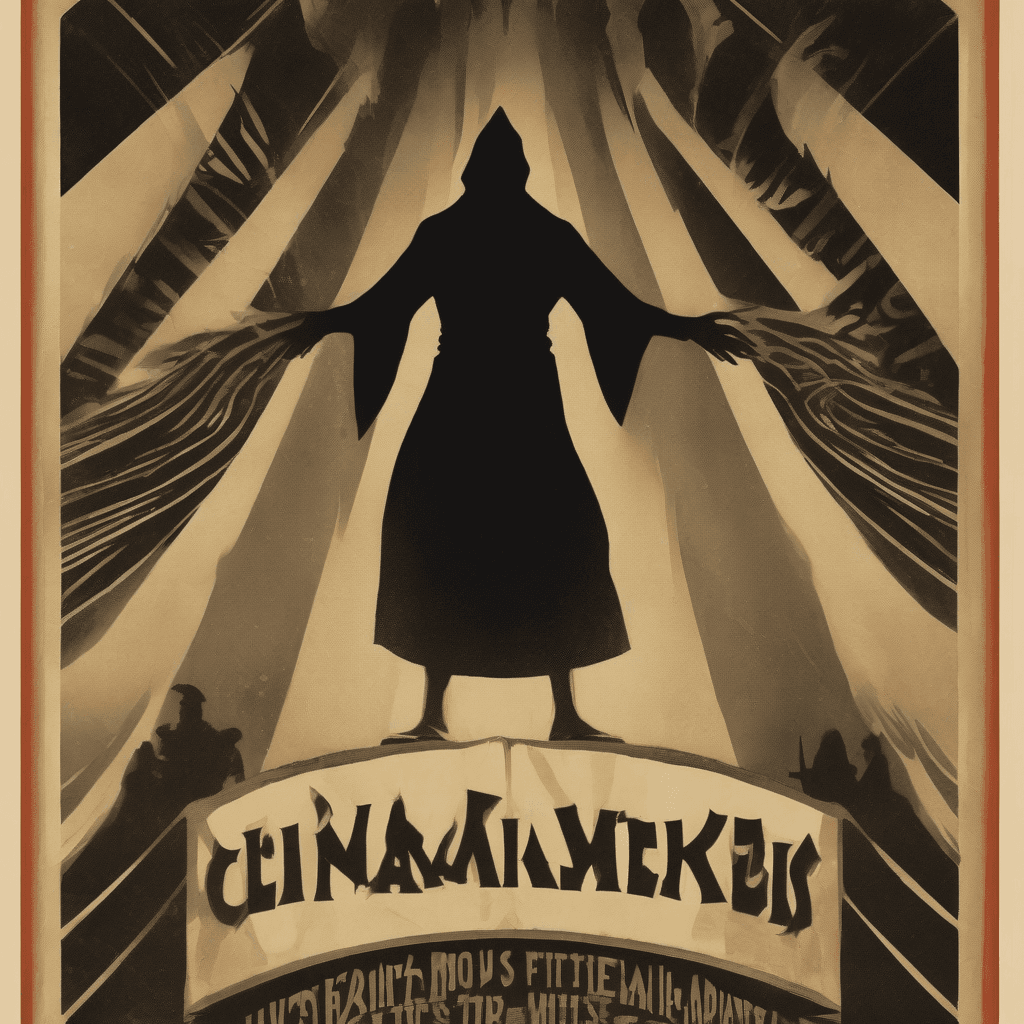
“Dive into the shadowy origins of cult cinema, exploring how the silent era's most unconventional and transgressive films laid the foundational blueprint for niche devotion and cinematic rebellion, long before the 'midnight movie' was coined.”
Cult cinema. The very phrase conjures images of midnight screenings, fervent fan communities, and films that defy easy categorization. These are the cinematic anomalies, the misunderstood masterpieces, the transgressive tales that mainstream audiences often overlook but passionate cinephiles cherish. But where did this peculiar strain of filmmaking truly begin? While many associate cult status with later eras – the counter-culture explosion of the 60s and 70s, or the genre-bending experiments of the 80s – the genetic blueprint for cult devotion was, in fact, laid down much earlier, in the flickering, silent shadows of cinema's nascent years. This is an exploration into the proto-cult DNA, unearthing the forgotten films of the early 20th century that, by their very nature, challenged norms, explored taboos, and hinted at the subversive power that would one day define an entire cinematic movement.
Beyond the Mainstream: The Silent Era's Maverick Spirit
The dawn of cinema was a wild, untamed frontier. Without established conventions or commercial pressures dictating every frame, filmmakers often experimented with narratives and aesthetics in ways that would be considered radical even today. Many of these early works, far from being quaint historical artifacts, were bold, often bizarre, and inherently unconventional. They were the cinematic equivalent of whispers in the dark, exploring themes that resonated with a nascent audience seeking something beyond the commonplace.
Consider the profound moral ambiguities woven into films like The Avalanche (1919), where a woman's gambling addiction threatens her daughter, or The Torture of Silence, which unflinchingly portrays an unfaithful wife's suffering. These weren't simplistic morality plays; they delved into the messy, uncomfortable realities of human failing and societal judgment. Such narratives, daring for their time, laid the groundwork for later cult films that would fearlessly dissect the human condition, often through a prism of the grotesque or the morally gray.
The very structure of early cinema, particularly the dominance of the short film, fostered a unique kind of storytelling. Directors had to be efficient, impactful, and often visually inventive to convey complex ideas without dialogue. This necessity birthed a visual language ripe for interpretation and re-interpretation – hallmarks of cult appreciation. Films like Marionetten, with its puppeteer's dream delving into the escapades of his protagonists, hints at a surrealism that would captivate future cult audiences. The blurring of reality and fantasy, the exploration of the subconscious, these were not just narrative devices but invitations to a deeper, more personal engagement with the film.
Narrative Transgression and Taboo Exploration
What often sets a cult film apart is its willingness to transgress, to challenge established social, moral, or artistic boundaries. The silent era, surprisingly, was no stranger to this. While operating under different societal strictures, many films dared to touch upon subjects that would make contemporary audiences squirm or provoke thoughtful discussion.
The Allure of the Forbidden
Take To Please One Woman, where a seductive 'vampire' leads men and women astray. This portrayal of a morally ambiguous, sexually charged female figure was a potent, albeit often condemned, archetype. It tapped into anxieties and fascinations surrounding female agency and societal norms, foreshadowing the transgressive female characters that would become cult icons in later decades. Similarly, Flesh and Spirit, with its atheist chemist protagonist, boldly explored themes of faith, science, and the human ego at a time when such philosophical debates were often confined to academic circles, not popular entertainment. These films were not just stories; they were provocations, sparking conversations that extended beyond the theatre.
The dark underbelly of society also provided fertile ground. Films like The Half Million Bribe and Stolen Goods plunged into crime, corruption, and the consequences of moral failings. While perhaps intended as cautionary tales, their stark realism and exploration of human vice would resonate with audiences drawn to the grittier, less sanitized narratives of cult cinema. These were not escapist fantasies but raw, often melodramatic, reflections of a complex world.
Outcasts and Anomalies
The silent screen also championed the outcast, the misfit, and the rebel. The Deserter, for instance, tells a story of love, rejection, and a soldier's flight from duty, placing a morally compromised character at its center. This sympathy for the outsider, the individual who defies authority or societal expectation, is a core tenet of cult appreciation. Audiences often find themselves drawn to characters who mirror their own feelings of alienation or who embody a spirit of rebellion they secretly admire.
Even in Westerns, a genre often associated with clear-cut heroes and villains, there were shades of the unconventional. Films like Pay Dirt, depicting a miner's struggle with a gambling addiction, or The Mints of Hell, with its quest for unique, almost mythical gold, presented frontier life with a blend of raw realism and a touch of the bizarre. The rough-and-tumble world of The Payroll Pirates and Sundown Slim, though perhaps less overtly transgressive, celebrated a spirit of rugged individualism that, when pushed to its limits, could easily cross into the realm of the anti-hero – another beloved cult archetype.
Visual Eccentricity and Stylistic Rebellion
Without spoken dialogue, early filmmakers were forced to be incredibly innovative with visual storytelling. This often led to exaggerated acting, symbolic imagery, and experimental cinematography that, while sometimes a product of necessity, also cultivated a distinctive aesthetic. This visual language, often strange, dreamlike, or intensely melodramatic, is precisely what makes many silent films ripe for cult rediscovery.
The Power of the Unspoken
The emotional intensity of films like The Ordeal of Rosetta, with its tale of twin sisters and a devastating earthquake, relied heavily on visual drama and the expressive power of its actors. The heightened reality, the grand gestures, and the stark visual contrasts created a world that felt both familiar and strangely alien. This aesthetic, often bordering on the theatrical, appealed to audiences seeking an immersive, almost visceral, experience.
Beyond melodrama, some films hinted at a more profound visual surrealism. The dream sequence in Marionetten, where puppets come to life and steal money, is an early example of cinema exploring the subconscious and the absurd. This kind of visual daring, where the film's reality bends and twists, is a cornerstone of many cult classics, inviting viewers to dissect and interpret its deeper meanings.
Genre-Bending and Narrative Ambition
Early cinema wasn't afraid to blend genres or tackle epic narratives. Damon and Pythias transported audiences to ancient Syracuse, exploring themes of friendship and sacrifice on a grand scale. A Tale of Two Cities, adapted from Dickens, showcased historical drama with revolutionary fervor. While these might seem mainstream by today's standards, their ambition and scope, combined with the unique visual language of the era, set them apart.
Even rudimentary action films, like The Warrior, featuring a soldier of superhuman strength in WWI, or the fantastical premise of The Man Who Stole the Moon, reveal a willingness to experiment with fantastical elements and larger-than-life characters. These early forays into speculative fiction, often with a raw, unpolished charm, captured the imagination and offered narratives distinct from the more conventional fare.
The Maverick's Midnight Echo: Forging Fandom
The concept of a 'midnight movie' or a dedicated cult following often implies a communal experience, a shared appreciation for the unconventional. While the organised midnight screenings of the 1970s were still decades away, the seeds of this communal devotion were sown in the early audience's response to these unique films. When a film challenged expectations, viewers would seek each other out to discuss, debate, and celebrate its peculiarities.
Films that tackled complex social issues, like the critique of urban decadence in The House That Jazz Built or the sharp portrayal of financial greed in Wolves of the Street and The Millionaire, resonated deeply with segments of the audience. They offered a mirror, albeit often a distorted one, to the anxieties and aspirations of the rapidly changing world. These films provided talking points, a shared language for those who felt the mainstream wasn't speaking to their experiences.
The element of identity, too, played a crucial role. Films like Big Happiness, with its twin brothers swapping identities, or Behind Masks, featuring an heiress unaware of her true circumstances, explored themes of hidden selves and societal roles. These narratives, often melodramatic, resonated with audiences contemplating their own identities and the masks they wore. This search for self-reflection and connection, often found in the margins of popular culture, is a powerful driver of cult fandom.
The Enduring Resonance of the Unseen Reel
Today, rediscovering these early, proto-cult films is like uncovering archaeological artifacts of cinematic rebellion. They offer a fascinating glimpse into the nascent stages of an art form still finding its voice, often through experimentation and a willingness to break rules that hadn't even been fully written yet. The raw energy, the unbridled imagination, and the sheer audacity of many silent films continue to captivate those who seek cinema beyond the familiar.
Whether it's the slapstick irreverence of short comedies like Hook, Line and Sinker or Her Naughty Wink, which challenged social decorum with humor, or the stark realism of documentaries like An Eskimotion Picture, which offered a window into unfamiliar worlds, these films provided unique experiences. They were not always polished, but they were authentic, often reflecting a raw, unfiltered vision that later became a hallmark of cult cinema.
The appeal of cult cinema is, at its heart, a search for belonging, a desire to connect with stories and aesthetics that resonate on a deeper, often subversive, level. The early silent films, with their moral ambiguities, visual eccentricities, and daring narratives, unwittingly laid the foundation for this phenomenon. They showed that cinema could be more than just entertainment; it could be a mirror, a challenge, a sanctuary for the strange, and a rallying point for those who saw the world a little differently.
In the flickering images of these forgotten reels, we find the primal pulse of cult devotion – a testament to cinema's enduring power to provoke, to enchant, and to forge communities around the most unconventional of stories. The celluloid crypt, far from being a place of forgotten relics, is a vibrant archive of the rebellious spirit that continues to define cult cinema today.
Community
Comments
Log in to comment.
Loading comments…