
Deep Dive
The Midnight Genesis: Decoding the Subversive Rhythms and Rebel DNA of Cinema’s First Century of Misfit Gems
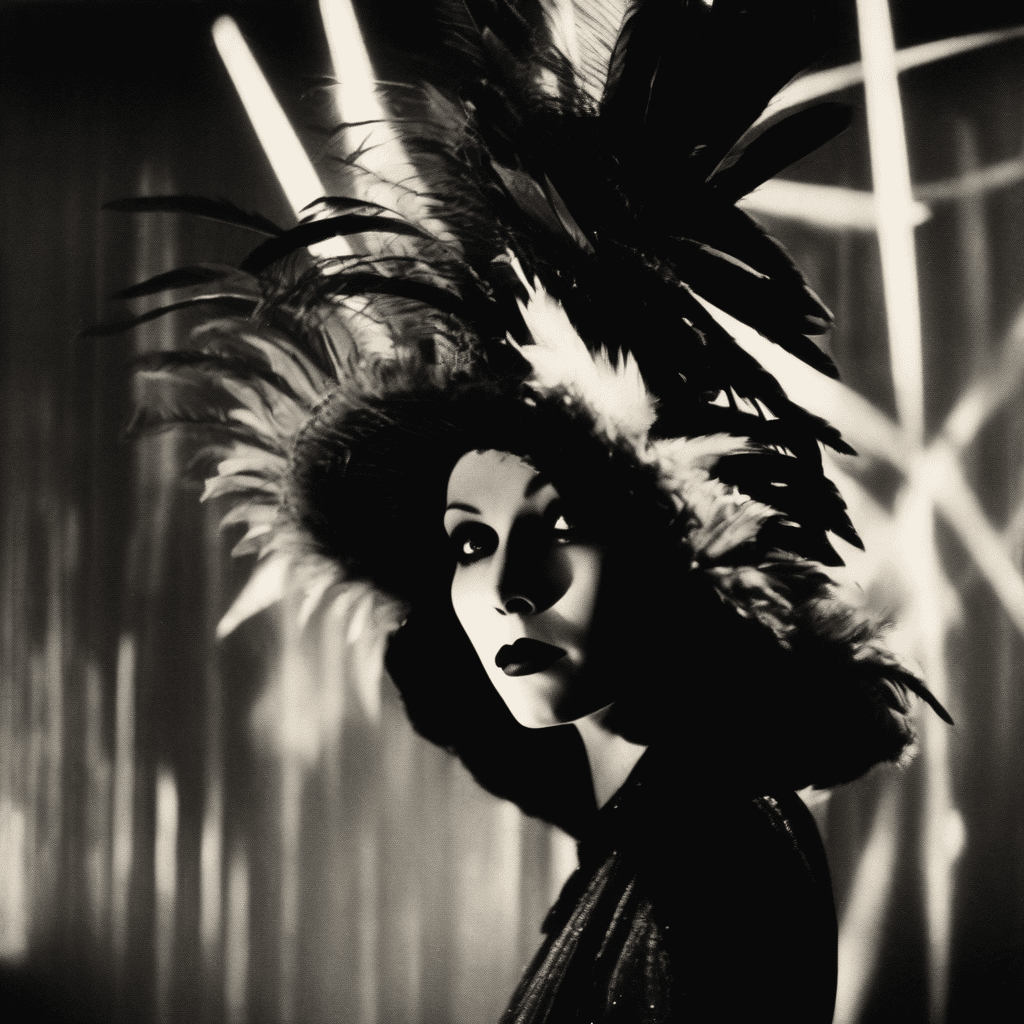
“An exploration into how the silent era’s most unconventional narratives and social outcasts laid the foundation for the modern cult cinema phenomenon.”
When we speak of cult cinema, the mind often wanders to the neon-soaked midnight screenings of the 1970s or the grainy VHS tapes of the 1980s. Yet, the true genetic blueprint of cinematic transgression was drafted much earlier, in the flickering shadows of the silent era. Long before the term "cult movie" entered the lexicon, a collection of narrative mutants, moral outcasts, and genre-defying experiments were already challenging the status quo. These films, often dismissed as mere ephemeral entertainment or scandalous oddities, possessed a primal magnetism that would eventually define the cult ethos. To understand the modern obsession with the strange and the overlooked, we must look back to the first three decades of the twentieth century—a period of intense creative volatility and the true birth of the cinematic rebel.
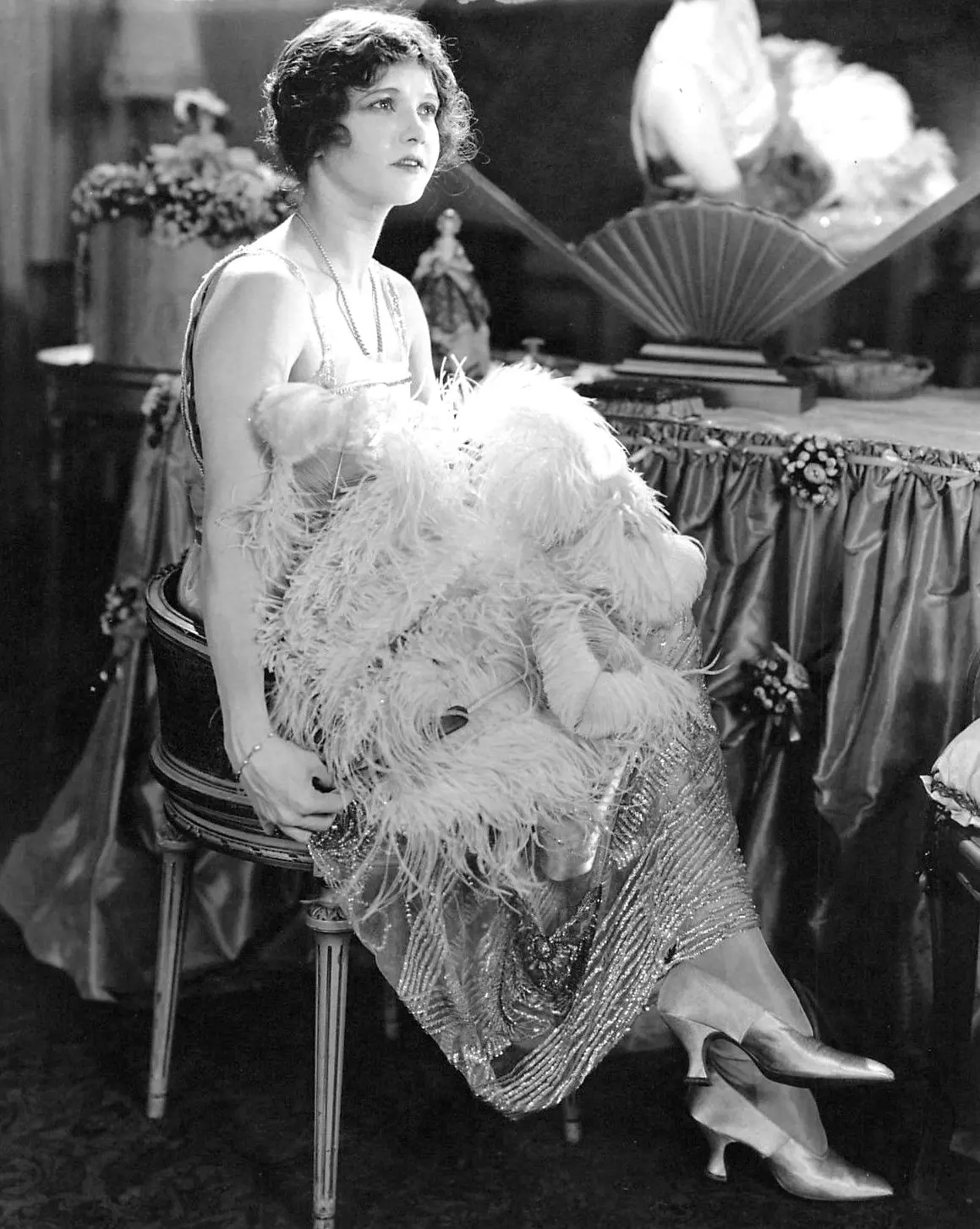
The Architecture of the Outcast: Early Social Defiance
At the heart of every cult film lies the figure of the outsider—the character who exists on the periphery of polite society. In the early 1900s, this archetype was already being explored with surprising depth. Take, for instance, the 1921 film The Conquest of Canaan. While on the surface it appears to be a standard drama, its protagonist, Joe Louden, is a quintessential proto-cult hero. A "ne'er-do-well" who scandalizes his small town, Louden represents the friction between individualist spirit and the judgmental gaze of the collective. This theme of social friction is a recurring motif in the early work that would later inspire the counter-cultural movements of the 1960s. Similarly, Lone Hand Wilson (1920) presents us with a solitary protagonist who shuns the company of others, a precursor to the "loner" archetypes that would eventually populate the works of directors like Jim Jarmusch or Wim Wenders.
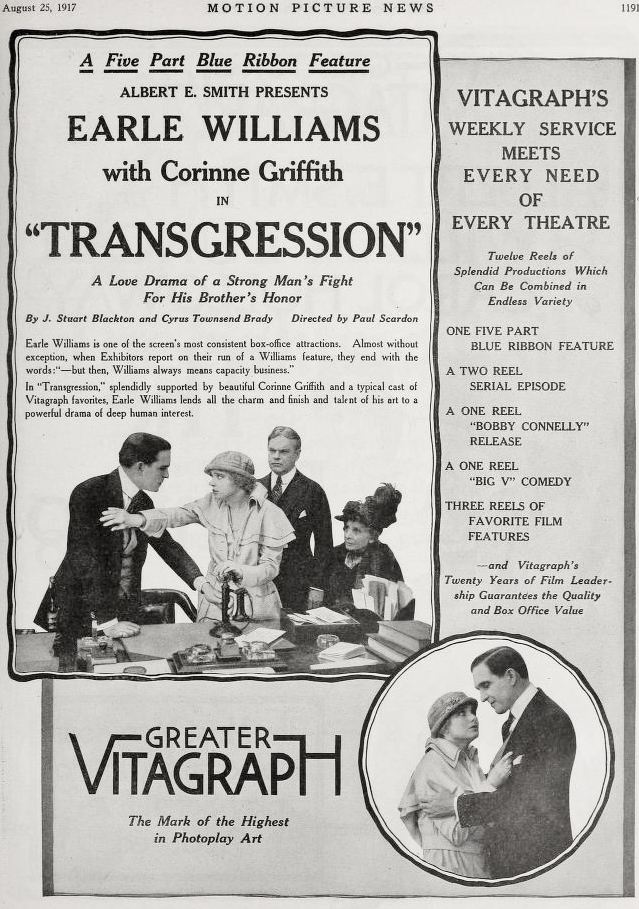
This fascination with the marginalized extended to the exploration of the "fallen" or the "wayward."
Moral Ambiguity and the Silent Screen
The 1917 film The Curse of Eve delved into the movement to rescue "wayward" girls, reflecting a societal obsession with morality that often bordered on the voyeuristic. These films were not just moralizing tracts; they were the first instances where the audience was invited to peer into the "forbidden" aspects of life. This voyeurism is a key component of the cult experience—the desire to see what the mainstream typically hides or condemns. In Whispers (1920), the social circle’s obsession with a young woman’s association with a married man mirrors the very gossip-driven fandoms that would later elevate "scandalous" films to legendary status.
Genre Anarchy and Narrative Mutants
Cult cinema is frequently characterized by its refusal to adhere to a single genre. This narrative fluidity was a hallmark of early cinema, where the boundaries between comedy, drama, and thriller were often porous. Consider the strange case of A Harem Hero (1916). Starring Hank Mann, this short comedy blends slapstick with an exotic, almost surrealist setting involving Persian-garbed guards and damsels in distress. It is a work of pure genre-mashing, a precursor to the high-concept parodies that would eventually find a home in the midnight movie circuit. The 1916 parody Le pied qui étreint similarly poked fun at the popular serial thrillers of the time, demonstrating that even in the 1910s, filmmakers were already engaging in the kind of meta-commentary that defines modern cult hits.

The era also saw the rise of the "serial" as a form of proto-binge-watching. The Red Glove (1919), featuring a female cowboy named Billie, challenged gender norms long before the "strong female lead" became a marketing buzzword. Billie’s constant battles against a series of "bad men" provided a template for the action-heroine that would later be worshipped in grindhouse cinema. These serials were the pulp fiction of their day, possessing a kinetic energy and a disregard for traditional narrative logic that made them inherently subversive.

The Exotic and the Esoteric
The early 20th century was also a period of intense fascination with the "other." Films like Das Geheimnis von Bombay (1921) and If I Were King (1920) transported audiences to distant lands and historical epochs, often through a lens of stylized artifice. This artifice is central to the cult aesthetic; it is the "unreal" quality of these films that allows them to age into something mystical. The 1920 film Billions, featuring a Russian princess who becomes a patron of the arts in America, showcases the era's obsession with the eccentricities of the elite, a theme that would later be echoed in the campy cult classics of the mid-century.

The Radical Feminine and the Dark Influence
The silent era was surprisingly daring in its portrayal of women who refused to play the victim. In Her Maternal Right (1916), Nina Seabury is portrayed as a woman interested solely in her lovers' bank accounts—a cold, calculating protagonist who defies the "angel in the house" trope of the time. This kind of moral complexity in female characters is a hallmark of cult cinema, which often celebrates the anti-heroine. Similarly, Saint, Devil and Woman (1916) follows a girl who, under a dark influence, turns to evil and threatens society with her wealth. The transition from "saint" to "devil" is a transgressive arc that predates the "bad girl" tropes of the 1950s and 60s, providing a raw look at the potential for narrative anarchy.
Even in romance, the silent era found ways to be unconventional. Merely Mary Ann (1920) and Too Wise Wives (1921) explored the psychological underpinnings of marriage and class with a sharp, sometimes cynical eye. These weren't always happy-go-lucky tales; they often dealt with insecurity, infidelity, and the crushing weight of social expectation. This psychological realism, hidden beneath the melodrama, is what gives these films their enduring power. They speak to the universal human experience of feeling like a misfit, an emotion that is the very foundation of cult fandom.
Animation and the Birth of the Bizarre
We cannot discuss the roots of cult cinema without mentioning the early pioneers of animation. The Ants and the Grasshopper (1918) and Joys and Glooms (1921) utilized the medium to explore surrealist imagery and social commentary in ways that live-action films often could not. The grasshopper’s destitution and the "joys and glooms" of domestic life were rendered with a whimsical yet biting edge. These early shorts paved the way for the transgressive animation of the late 20th century, proving that the "weird" has always had a home on the screen, provided the medium was imaginative enough to hold it.
The Legacy of the Forgotten
Many of these films, such as The Daughter of Dawn (1920), which featured an all-Native American cast and explored a love triangle within the Kiowa and Comanche tribes, were nearly lost to time. Their restoration and subsequent rediscovery by film historians and enthusiasts is a testament to the "cult" process of resurrection. A film becomes cult not just through its content, but through its survival against the odds. The fact that we can still watch Nina, the Flower Girl (1917) or The Toilers (1919) today is a minor miracle of preservation, and it is this rarity that fuels the devotion of the niche collector.
Conclusion: The Eternal Midnight
The films of the 1910s and 1920s were the laboratory where the formulas for cinematic rebellion were first tested. From the gender-bending heroics of The Red Glove to the existential dread of The Hillcrest Mystery, the silent era was a time of profound experimentation. These works provided the foundational DNA for every midnight movie that followed. They taught us that cinema could be scandalous, surreal, and unapologetically strange. As we continue to dig through the archives of the early 20th century, we find not just old movies, but a vibrant, living history of the human desire to see the world through an unconventional lens.
The spirit of cult cinema is not a modern invention; it is a timeless impulse. It is the voice of the maverick filmmaker and the passion of the obsessive viewer. Whether it is the frantic comedy of Golfing (1917) or the high-stakes drama of Money Madness (1917), these films remind us that the periphery of the frame is often where the most interesting stories are told. In the end, the midnight genesis was not a single moment, but a flickering light that has never truly gone out, illuminating the path for every misfit gem yet to be discovered.
Community
Comments
Log in to comment.
Loading comments…