
Cult Cinema Deep Dive
The Midnight Insurgency: Unmasking the Primal Subversions and Narrative Mutants of Cinema’s First Century of Rebellious Film
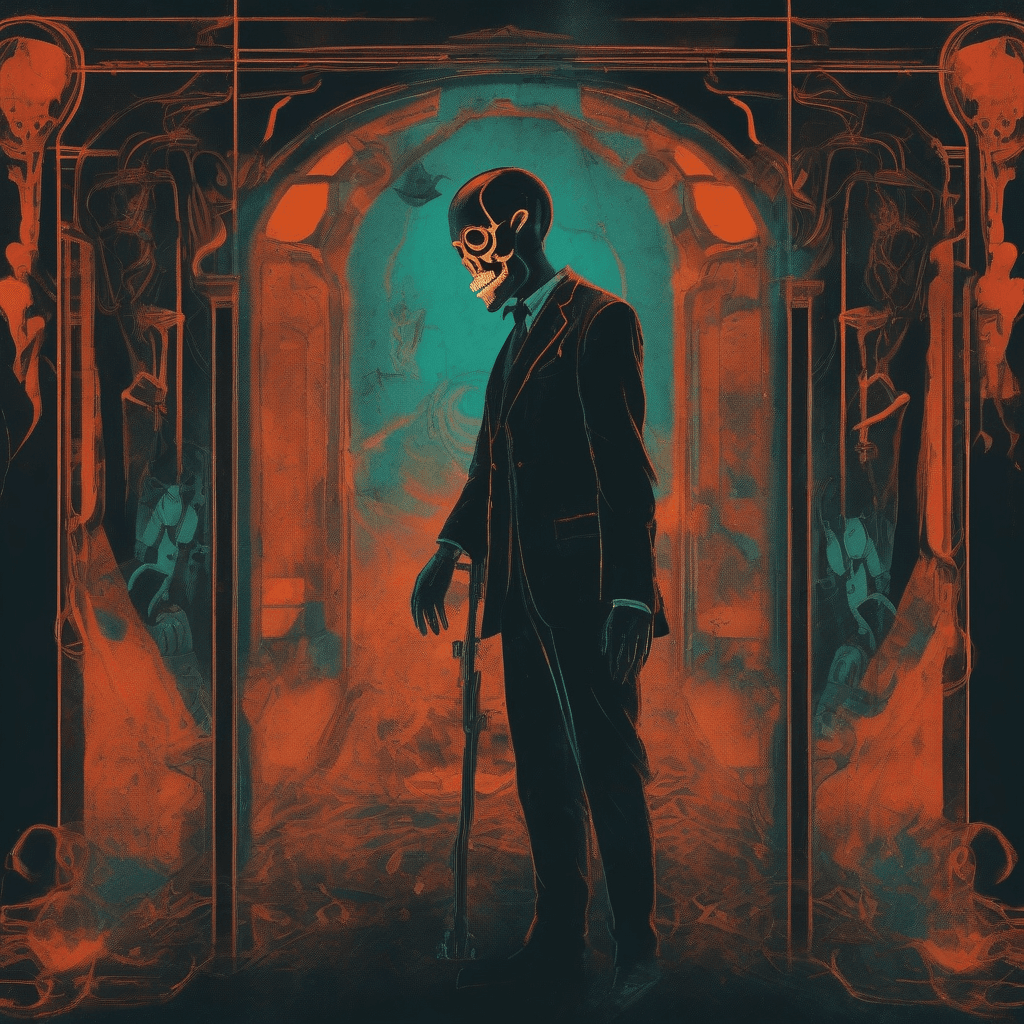
“Explore the primal roots of cult cinema through the lens of early 20th-century genre anomalies, from skeleton-clad cowboys to hypnotic villains and surrealist animation.”
The concept of the "cult movie" is often associated with the midnight screenings of the 1970s—the glitter-drenched hysteria of The Rocky Horror Picture Show or the grit of Eraserhead. However, to truly understand the DNA of cinematic obsession, one must look back much further. Long before the term was coined, the early 20th century was producing a series of genre anomalies, moral provocations, and visual experiments that laid the groundwork for everything we now define as cult. These were the midnight insurgents of the silent era: films that refused to conform to the burgeoning Hollywood standards of the time, choosing instead to dwell in the uncanny, the transgressive, and the downright weird.
The Architecture of the Uncanny: Horror and Hypnosis
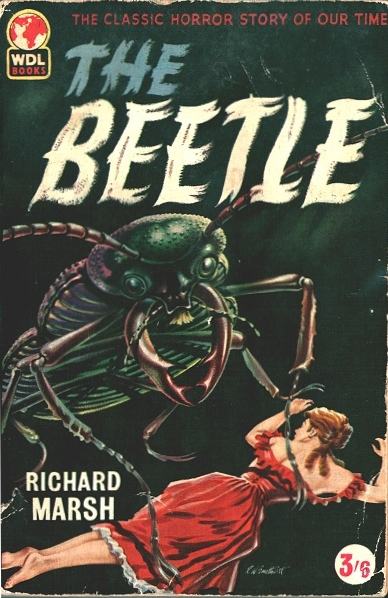
At the heart of any cult obsession is a fascination with the strange. In the early 1910s and 20s, filmmakers were already experimenting with the boundaries of the human psyche. Take, for instance, the 1919 production of The Beetle. Long before the creature features of the 1950s, this film presented a narrative where a beetle is possessed by the soul of an ancient Egyptian princess, seeking revenge on a British Parliament member. This blend of ancient mysticism and modern political anxiety is a hallmark of the cult aesthetic—the collision of the archaic and the contemporary.
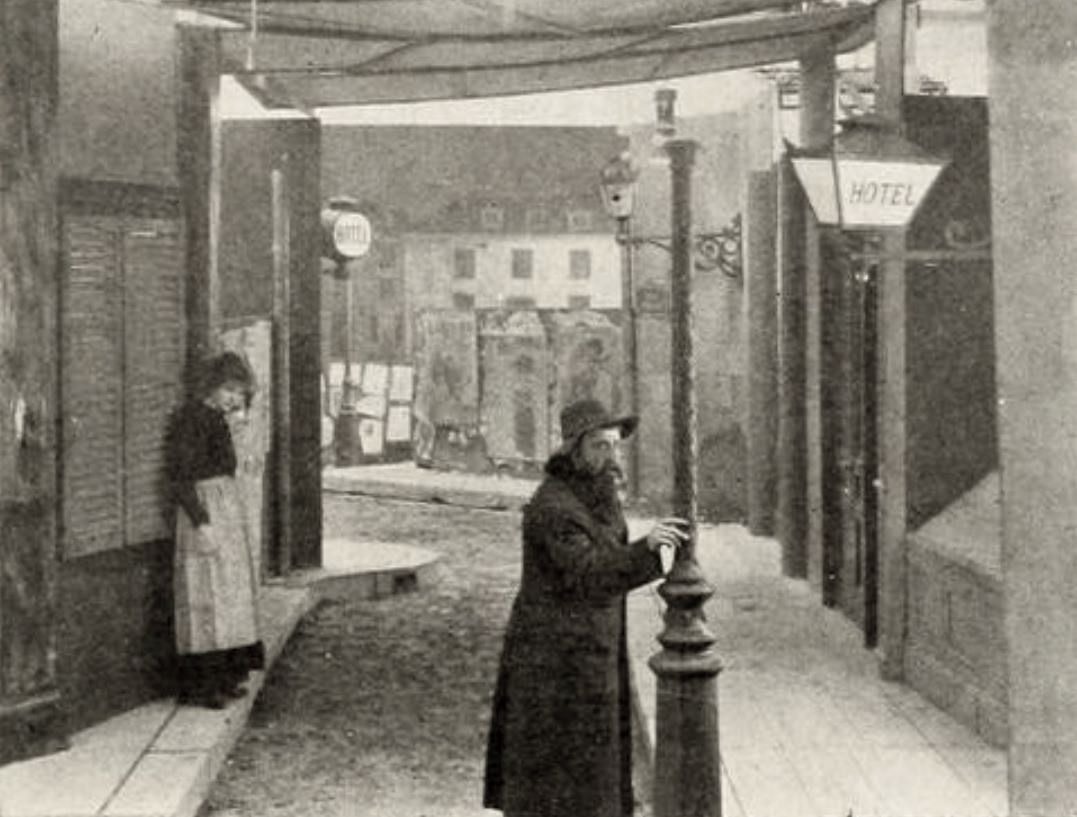
Similarly, Trilby (1915) introduced audiences to the archetype of the hypnotic controller. The figure of Svengali, who manipulates a young singer's voice but fails to capture her heart, speaks to the perennial cult theme of the loss of agency. This fascination with hypnosis and the supernatural continued in films like The Man Who Had Everything, where a heartless young man is cursed by a blind beggar. These films weren't just stories; they were explorations of the moral grotesque, a tradition that would eventually lead to the dark surrealism of modern cult icons.
Genre Mutants: Westerns and the Macabre
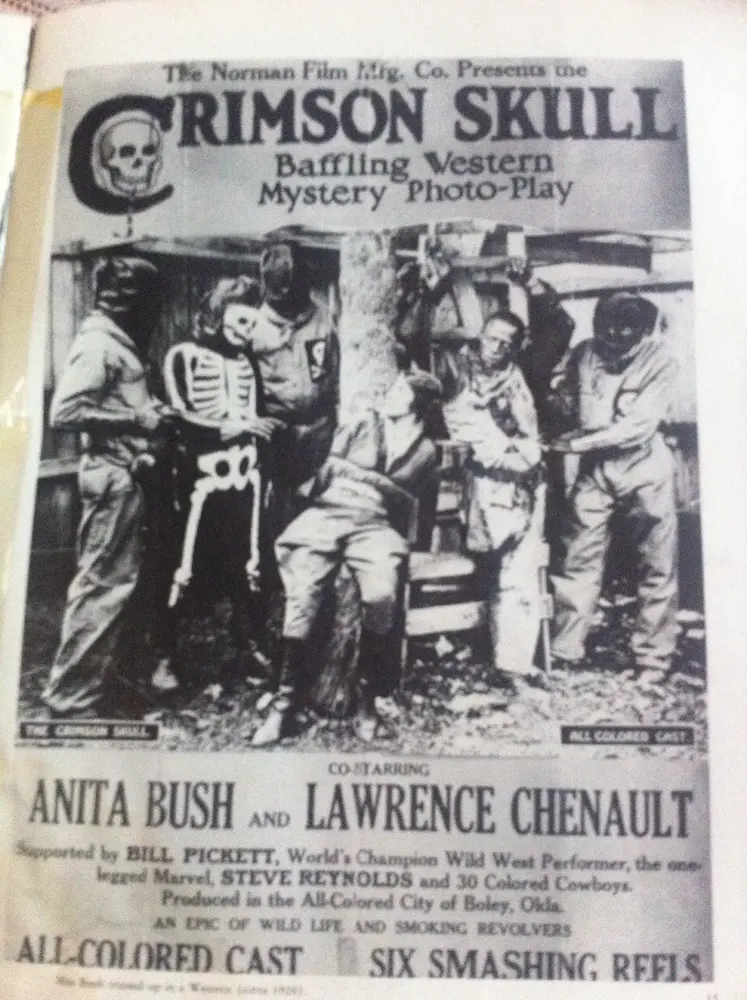
The Western genre is often seen as the most rigid of American cinematic forms, yet the silent era was rife with bizarre subversions. One of the most striking examples is The Crimson Skull. This wasn't your standard tale of cattle rustlers; it featured a cowhand who dons a skeleton costume to strike terror into the hearts of a gang of outlaws. By blending the Western with the imagery of the memento mori, the film created a visual language that felt entirely alien to the mainstream. It is this very "otherness" that attracts the cult viewer—the sense that you are watching something that shouldn't exist within the confines of its genre.
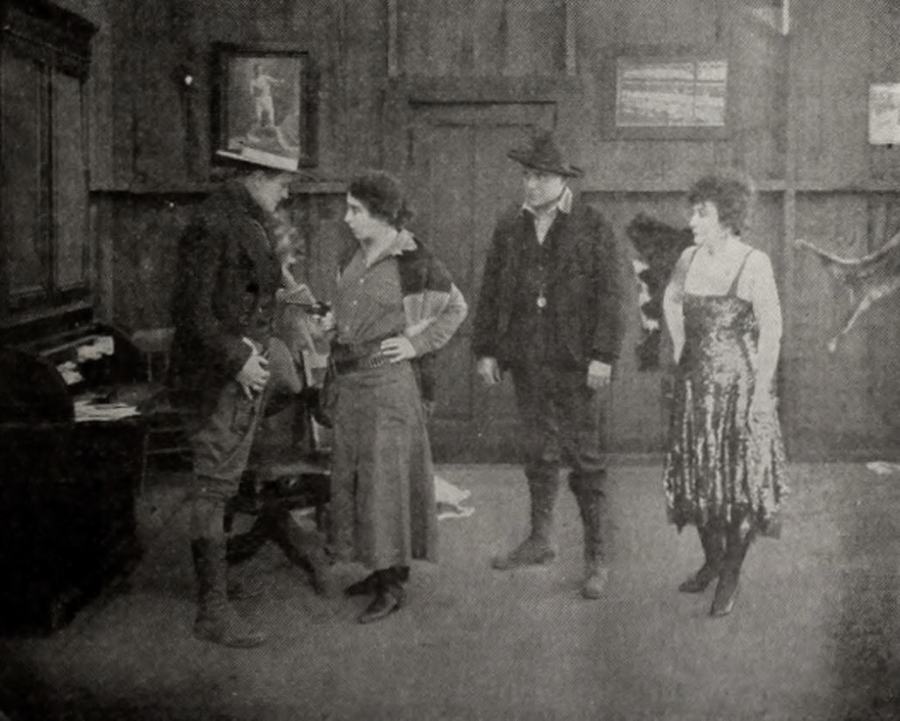
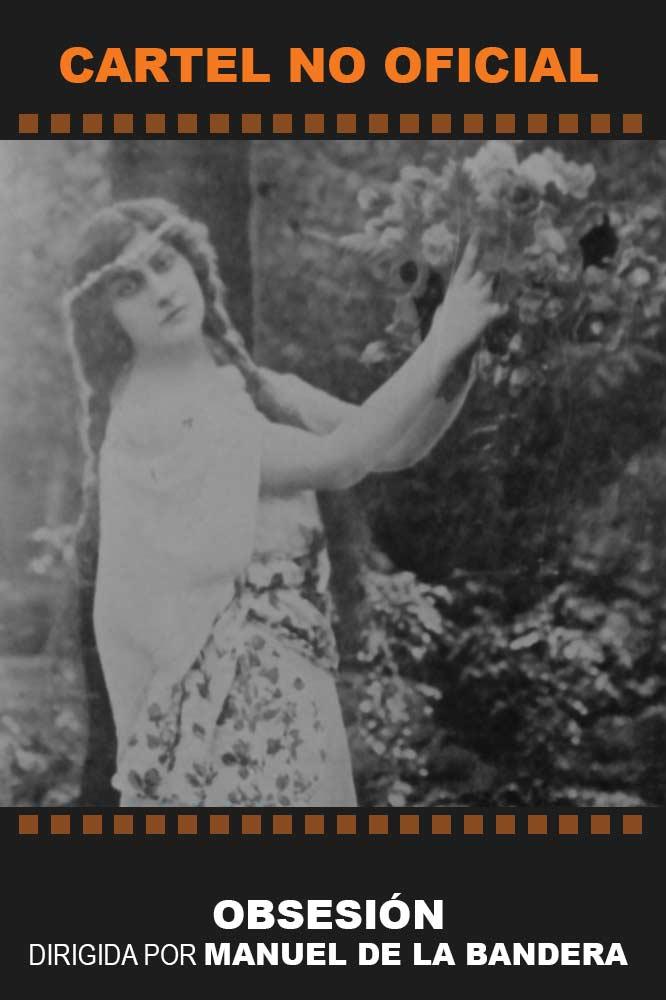
Other films like The River's End and The Trap (1922) pushed the boundaries of the Western and Adventure drama by leaning into themes of obsession, false accusation, and the psychological toll of revenge. In The Trap, a miner’s life is destroyed by a rival, leading to a meticulous, almost pathological plan for vengeance. This focus on the singular obsession is a recurring motif in cult cinema, where the protagonist's internal world becomes more important than the external reality of the plot.
The Rise of the Vamps and the Dangerous Woman
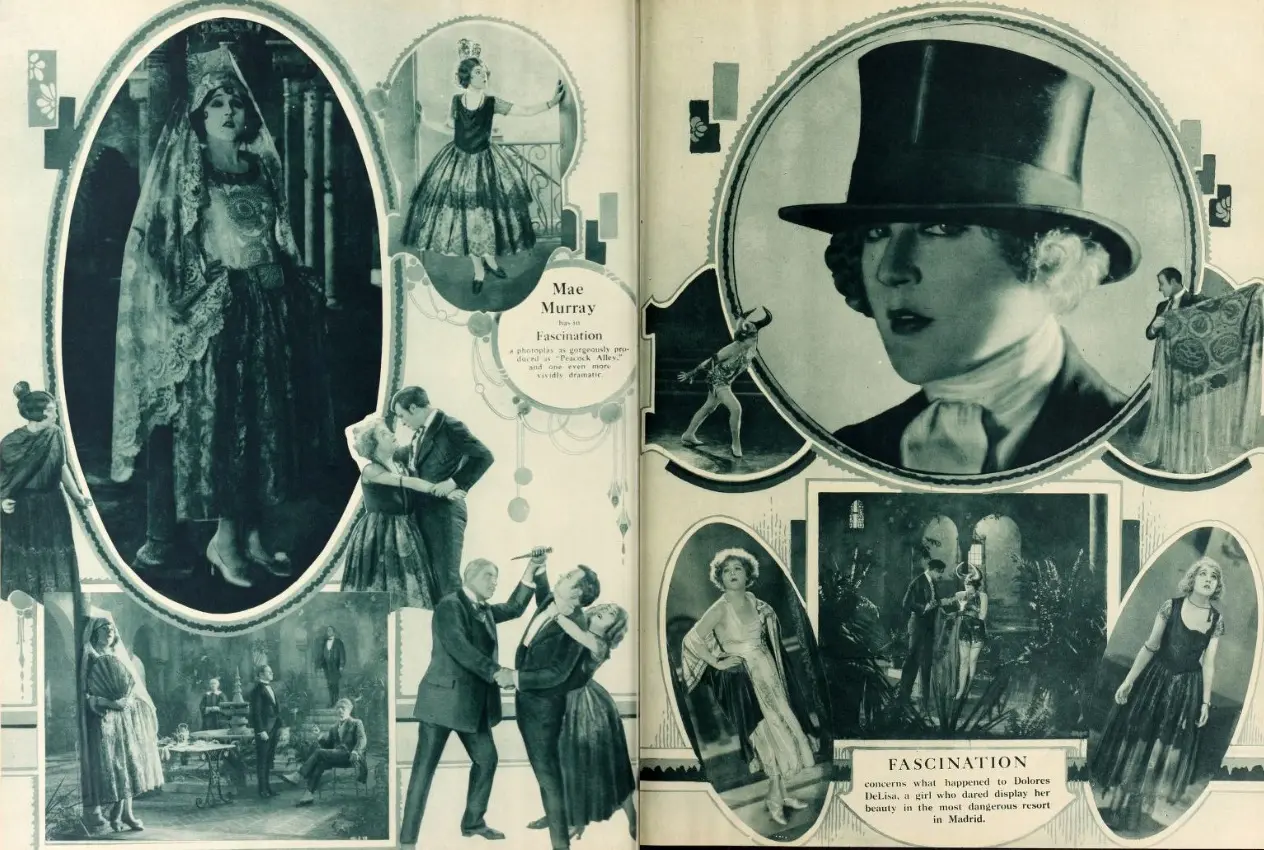
If the cult movie is a sanctuary for the social outcast, then the "Vamp" is its patron saint. The 1920 film Vampire is a quintessential example of this. It tells the story of a female motorist whose arrival at a resort triggers a wave of bewitchment among the male patrons. This wasn't the domestic woman of early Victorian ideals; this was a predator, a figure of chaotic energy. We see echoes of this in Hearts and Masks, where the protagonist Alice, a self-described "vixen," uses pranks and disguises to escape her gouty uncle's estate, and in Mickey, where an orphan from a mining settlement disrupts the high society of New York.
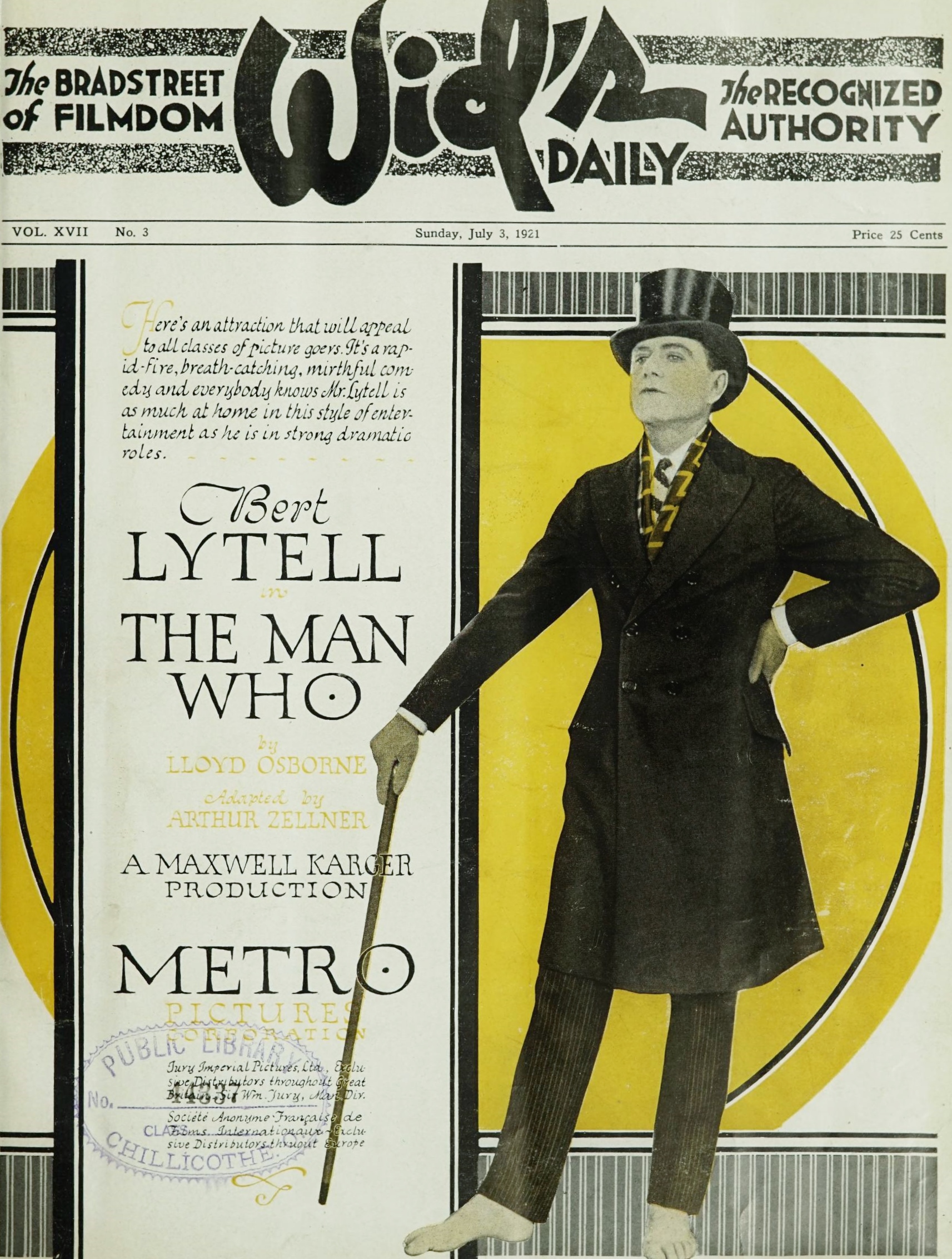
These films explored the friction between female desire and societal expectation. The Deadlier Sex took this a step further, featuring a woman who takes over her father's railroad and kidnaps her male competitor to teach him a lesson. This subversion of gender roles provided a blueprint for the transgressive heroines of later decades. The cult audience has always been drawn to these figures who refuse to be contained, who operate with a rebel heart in a world of rigid morality.
Visual Anarchy: The Birth of Surreal Animation
Before the polished narratives of Disney, animation was a playground for the avant-garde. Felix Comes Back is a prime example of the surrealist logic that defined early cartoons. Felix’s pursuit of a butcher’s sausages leads him on a journey that ends with his exile to the Arctic—a narrative trajectory that defies traditional logic and leans into the absurdist humor that would later define cult comedies. Similarly, The Clown's Little Brother, featuring Max Fleischer’s Koko the Clown, breaks the fourth wall as the animated character wreaks havoc in the real-world studio. This meta-textual playfulness is a foundational element of cult cinema, which often delights in acknowledging its own artifice.
The visual experiments of the silent era extended into live action as well. Die Dame, der Teufel und die Probiermamsell (The Lady, the Devil, and the Model) presents a dreamlike obsession with an ermine coat that leads to a descent into a dark underground realm. This kind of visual hallucinosis—where the material world gives way to a subconscious landscape—is exactly what makes a film a candidate for cult devotion. It creates a space where the viewer can get lost in the imagery, far removed from the constraints of linear storytelling.
Moral Deviance and the Social Outcast
Cult cinema has always been the home of the disenfranchised. In the early 20th century, films like The City of Comrades and In the Prime of Life tackled the realities of social outcasts. The City of Comrades follows an architect whose alcoholism has turned him into a derelict, eventually leading him to burglarize a home just to survive. These stories of fall and redemption—or sometimes just fall—resonated with audiences who felt left behind by the rapid industrialization of the era.
Films like The Golden Chance and Everything for Sale explored the transactional nature of marriage and the desperation of the working class. In The Golden Chance, a woman is forced to become a seamstress because of her husband's alcoholism, only to be used as an escort by her employer. These narratives of moral complexity were far more daring than the sanitized versions of history often presented in textbooks. They looked at the cracks in the facade of the "American Dream," a tradition that cult filmmakers like John Waters or David Lynch would later expand upon.
The Global Pulse: Rebellion and History
The rebellious spirit of early cinema wasn't confined to the United States. Karadjordje (1911), a biography of the leader of the Serbian rebellion against the Turkish Empire, brought a sense of nationalistic fervor and revolutionary zeal to the screen. Meanwhile, Escaped from Siberia offered a harrowing look at the Russian peasantry and the cruelty of the military class. These films were often censored or suppressed, which only added to their mythic status among those who sought them out. The cult of the "lost film" or the "banned film" began here, in the political volatility of the early 20th century.
Even in the realm of comedy, the spirit of mutiny was alive. The Pest (1922), starring a young Stan Laurel, is a masterclass in chaotic energy. Laurel’s character, a book salesman who ends up dressing as a dog and being chased by a landlord, embodies the anarchic clown—a figure who disrupts the status quo simply by existing. This type of physical comedy, seen also in Playing Possum, where a man tries to "end it all" through a series of increasingly ridiculous accidents, paved the way for the dark comedies that are so beloved by cult audiences today.
The Enduring Legacy of the Early Misfits
Why do we continue to revisit these silent relics? It is because they contain the raw, unpolished energy of a medium that was still figuring out its own rules. In films like The Beetle or The Crimson Skull, we see a willingness to fail, a willingness to be weird, and a willingness to speak to the shadow self of the audience. This is the essence of cult cinema: it is a conversation between the filmmaker and the viewer that bypasses the gatekeepers of taste and decorum.
Whether it’s the hypnotic allure of Trilby, the social critique of The Golden Chance, or the surreal slapstick of Felix Comes Back, these films are the ancestors of every midnight movie that followed. They remind us that cinema has always had a darker, stranger, and more rebellious side. As we move further into the digital age, the primal magnetism of these silent era outcasts only grows stronger, calling to us from the nitrate shadows to remember the original insurgents of the silver screen.
In the end, the history of cult cinema is not a straight line; it is a tangled web of influences, much like the plot of Tangled Lives or the mysterious past of the protagonist in The Doctor and the Woman. It is a world of A World of Folly and Worlds Apart, where the only rule is that there are no rules. By embracing the anomalies of the past, we ensure that the spirit of cinematic rebellion continues to thrive, proving that even in the silent era, the loudest voices were often those that didn't say a word.
Community
Comments
Log in to comment.
Loading comments…