
Cult Cinema
Midnight Manifestos: Decoding the Enduring Alchemy of Cult Cinema's Subversive Charms and Fanatical Fandom
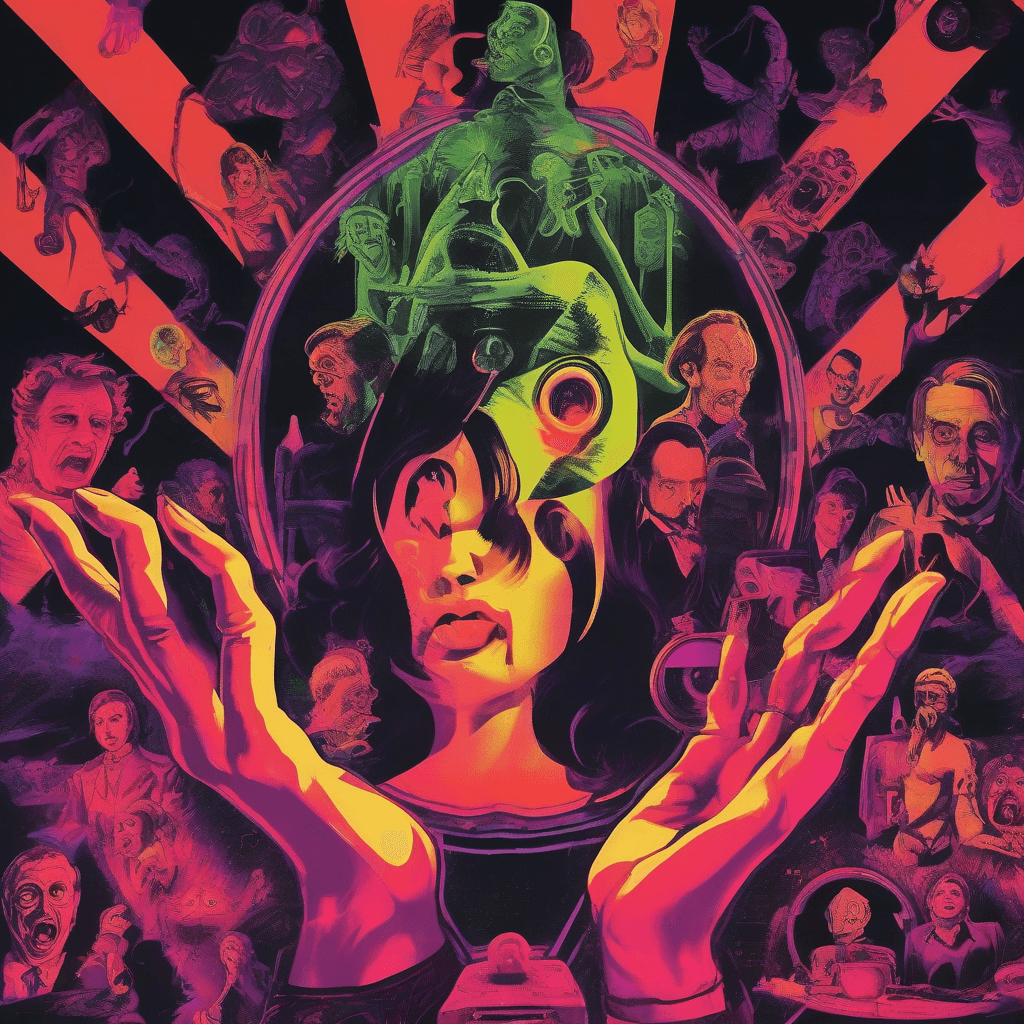
“Cult cinema thrives in the shadows, a captivating realm where unconventional narratives, transgressive themes, and forgotten gems forge an enduring alchemy of passion and fanatical devotion. This deep dive explores what elevates a film from obscurity to an iconic cult phenomenon.”
In the vast, ever-expanding universe of film, there exists a unique constellation known as cult cinema. These aren't merely popular blockbusters or critically acclaimed darlings; they are films that defy easy categorization, challenge societal norms, and often, initially, fail to find a mainstream audience. Yet, through a mysterious alchemy of time, word-of-mouth, and an almost religious devotion from their fans, they ascend to a revered status. What is it about these cinematic anomalies, from the silent era's forgotten curiosities to modern midnight masterpieces, that compels such fervent adoration? It's a question that delves into the very heart of film's power: its ability to connect, provoke, and ultimately, to define a subculture.

The Allure of the Unconventional: Breaking the Mold
Cult films, at their core, are rebels. They refuse to conform to formulaic storytelling, often embracing narratives that are bizarre, unsettling, or profoundly personal. Think of a film like Lulu, with its unapologetic exploration of a liberal circus dancer's relationships, or A Strange Transgressor, delving into moral complexities that mainstream cinema might shy away from. These are not films designed to please everyone; instead, they stake their claim on the fringes, appealing to those who seek something different, something challenging. Their narratives often explore themes that resonate deeply with specific audiences, whether it's the social commentary of Where Are My Children? or the dramatic intrigue of The Firing Line. These films don't just tell stories; they open dialogues, sometimes uncomfortable ones, about human nature, morality, and society itself.

The journey of a cult film often begins in relative obscurity. Many are box office failures upon release, dismissed by critics, or simply overlooked. Yet, this initial rejection can be part of their eventual charm. Take the silent-era comedies such as Ambrose's Vacation or Laughing Gas; while perhaps not 'cult' in the modern sense at their debut, their unique comedic timing or historical curiosity now draws niche audiences interested in the evolution of humor and filmmaking. Similarly, dramas like A Hungry Heart or Pride, with their intense emotional landscapes and character studies, might have found a second life decades later among those appreciating their raw, unfiltered storytelling, free from contemporary cinematic conventions.

Beyond Genre: A Kaleidoscope of Styles and Subjects
One of the defining characteristics of cult cinema is its genre fluidity. These films frequently blend elements from disparate categories, creating something wholly unique and often disorienting. A film might begin as a drama, veer into psychological thriller, and end with a touch of the surreal. This refusal to be pigeonholed is precisely what makes them so appealing to audiences tired of predictable narratives. Consider the diverse range hinted at by titles like The Invisible Web (mystery/drama), The Spirit of Good (drama with moral undertones), or the adventurous Captain Courtesy. Each, in its own way, could have pushed against the boundaries of its contemporary storytelling, laying groundwork for future cult status.

Even seemingly straightforward films can become cult objects through their distinct vision or unexpected thematic depth. A short documentary like O Que Foi O Carnaval de 1920!, while ostensibly historical, could gain cult traction among devotees of cultural anthropology or early filmmaking techniques. Similarly, animated shorts like Screen Follies No. 2, if possessing a particularly avant-garde style or quirky humor, could be rediscovered and celebrated by animation aficionados. It's the unique voice, the singular perspective, that often transcends initial reception and fosters a dedicated following.

Forging Identity: The Power of Fandom and Community
Perhaps the most potent aspect of cult cinema is its ability to forge communities. Fans of these films don't just watch them; they inhabit them. They dissect every frame, analyze every line of dialogue, and celebrate their shared obsession with an almost religious fervor. This communal experience is often what elevates a film to cult status, transforming a solitary viewing into a collective ritual. The midnight movie screenings, the cosplay, the fan theories – these are all manifestations of a deeply personal connection that blossoms into a shared identity.

For many, finding a cult film is like discovering a hidden treasure, a secret handshake with like-minded individuals. These films provide a sense of belonging, a cultural touchstone for those who feel alienated by mainstream tastes. The films themselves become more than just entertainment; they are manifestos for alternative viewpoints, rallying cries for the unconventional. Whether it's the dramatic twists of The Come-Back or the moral dilemmas presented in Faith, these narratives offer rich ground for discussion, interpretation, and bonding among enthusiasts. The very act of appreciating a film that others might overlook or misunderstand becomes a badge of honor.

The Reappraisal and Rediscovery Cycle
Time is often the greatest curator of cult cinema. Many films that were initially dismissed or forgotten are later rediscovered and re-evaluated, often by a new generation of cinephiles who see something in them that their predecessors missed. This reappraisal can be sparked by a retrospective screening, a film festival, or simply the organic spread of appreciation online. Films like Sången om den eldröda blomman, a Swedish drama from 1919, or Der Alchimist, an early German film, may have been significant in their time but found their cult following much later as film history buffs and genre enthusiasts unearthed their unique contributions.

The journey from obscurity to cult icon is rarely linear. A film might languish for decades, only to be resurrected by a passionate advocate or a chance discovery. This process highlights the subjective nature of artistic value and the ever-evolving landscape of cinematic appreciation. The intricate plots of films like The Millionaire's Double or The Golden Idiot, with their potential for unexpected twists and unique characterizations, could easily appeal to modern audiences seeking complex narratives. Even a seemingly simple premise, such as in Peggy Leads the Way or The Boy Girl, if executed with a distinctive style or subversive undertones, can gain unexpected traction over time.

The Psychology of Cult Obsession: Why We Connect
What is it about certain films that ignites such intense, lasting devotion? The psychology of cult obsession is multifaceted. Often, these films tap into primal fears, desires, or anxieties that mainstream cinema glosses over. They can be cathartic, allowing viewers to confront uncomfortable truths or explore taboo subjects in a safe, fictional space. The dramatic intensity of The Red, Red Heart or the moral quandaries in A Slave of Vanity could offer such outlets, drawing viewers into their heightened realities.
Furthermore, cult films frequently possess a distinct aesthetic or narrative style that is instantly recognizable and deeply immersive. This could be a unique visual language, a particular tone, or a memorable character design. Think of the pioneering visual storytelling in silent films like Ihr Sport or Lucciola, which, despite their age, could captivate audiences with their innovative techniques or evocative imagery. These stylistic choices create a world that fans want to revisit again and again, finding new details and layers with each viewing. The quirky charm of A Rustic Romeo or the adventurous spirit of The Sage-Brush League, if imbued with a singular vision, could easily foster this kind of repeated engagement.
The Art of Transgression and Subversion
Many cult films are inherently transgressive. They challenge established norms, question authority, and often revel in pushing boundaries. This subversion can manifest in various ways: through explicit content, controversial themes, or simply by presenting a worldview that is radically different from the status quo. Films such as What Do Men Want?, with its potentially provocative title and exploration of human desires, or The Heart of a Rose, hinting at complex familial and romantic entanglements, could have offered a compellingly different perspective that resonated with audiences seeking to question conventional narratives.
This transgressive spirit is often what makes these films so enduring. They offer a counter-narrative, a voice for the marginalized or the disaffected. They speak to a desire for rebellion, for breaking free from the predictable. Even seemingly innocent comedies like Silk Stockings or Trouble, if they contained subtle satirical jabs or unexpected social commentary, could have gained a cult following for their nuanced subversion. The sheer audacity of some films, like Smash-Up in China (if it were a narrative film), to depict chaos or confront difficult geopolitical themes, can create a powerful, lasting impression.
From Forgotten Reels to Enduring Legacies
The journey of a film to cult status is unpredictable, often serendipitous. It's a testament to the idea that art, once released, takes on a life of its own, subject to the interpretations and affections of its audience. The silent era, with its vast output and often lost or obscure titles, offers a rich field for cult rediscovery. Films like The Land of the Lost, Just for Tonight, or Under the Greenwood Tree, with their intricate plots and character dynamics, could be unearthed by modern scholars and enthusiasts, revealing layers of meaning and unconventional storytelling that were ahead of their time.
Consider the power of a film like Trixie from Broadway, which likely tells a story of urban life and moral choices. If it portrayed its characters with unflinching honesty or presented a unique take on the 'chorus girl' trope, it could resonate deeply with specific audiences, becoming a touchstone for discussions on feminism, class, or the pursuit of dreams. Similarly, the dramatic potential of Hidden Charms or Peril of the Plains lies in their ability to evoke strong emotions and explore universal themes of struggle and resilience, themes that transcend eras and speak to diverse groups of viewers.
Even films with seemingly niche subjects, like Famous Battles of Napoleon or Famous Women in World's Work (both likely documentaries), can attract cult followings among history buffs or those interested in early documentary filmmaking techniques. The curiosity they provoke, the glimpse into a bygone era or a specific historical event, can be immensely compelling. The unique perspective of a film like El block-house de alta luz or La faute d'Odette Maréchal, if they offered a particularly striking narrative or aesthetic, could also draw dedicated fans.
The Enduring Legacy of Maverick Storytellers
Ultimately, cult cinema is a celebration of maverick storytellers and the audiences who embrace their unconventional visions. It reminds us that cinematic value isn't solely determined by box office receipts or critical consensus, but by the profound connections films forge with their viewers. It's about the films that refuse to fade, that linger in the collective consciousness, and that continue to inspire discussion, debate, and devotion. From the pioneering spirit of early cinema, perhaps represented by The Aero Nut or Some Job, to the complex character studies of later eras, cult films are a vibrant, essential part of film history, constantly being rewritten by the passionate communities that keep them alive.
These films, whether they are grand epics, intimate dramas, or quirky comedies, share a common thread: they challenge us, they entertain us, and most importantly, they make us feel seen. They are the cinematic manifestos of the underground, the rallying cries of the unconventional, and their enduring alchemy continues to captivate and inspire new generations of fanatical followers. The cult of cinema is not just about movies; it's about identity, community, and the rebellious spirit of art that refuses to be ignored.
Community
Comments
Log in to comment.
Loading comments…