
Cult Cinema
The Midnight Meridian: Tracing the Primal Deviance and Genre Anarchy of Cinema's First Misfit Wave
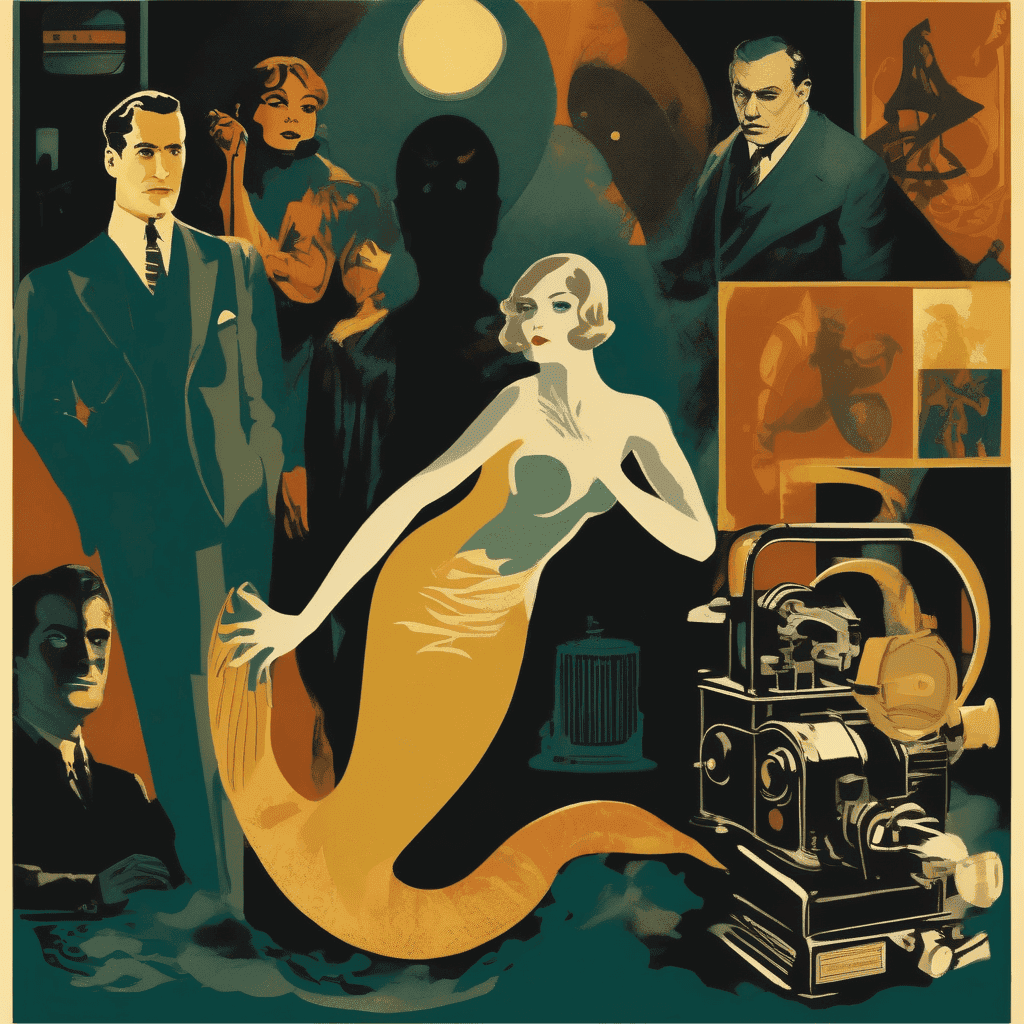
“A deep dive into the early 20th-century cinematic outliers that defined the cult ethos long before the midnight movie was born.”
Before the neon-soaked theaters of the 1970s birthed the 'midnight movie' phenomenon, a darker, more eccentric current was already flowing through the veins of the silent era. Cult cinema is often defined by its deviance—its refusal to adhere to the rigid structures of mainstream morality or generic tropes. To understand the modern obsession with the strange and the transgressive, we must look back at the Midnight Meridian: that invisible line where the early pioneers of film crossed into the territory of the bizarre, the misunderstood, and the enduringly niche.

The Architecture of the Abnormal: Early Genre Mutations
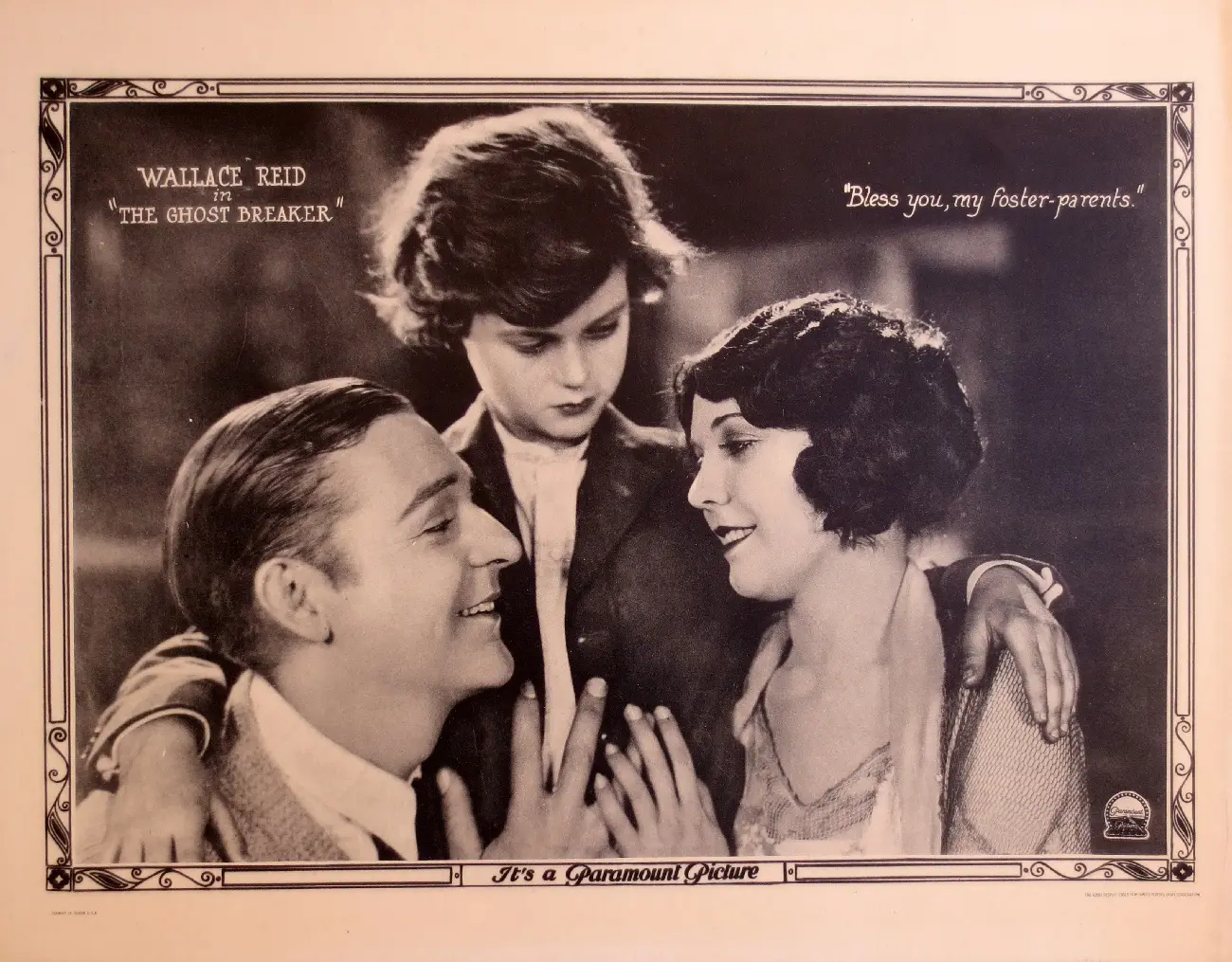
The foundation of cult cinema lies in the mutation of genre. In the early 20th century, filmmakers were not yet bound by the strict industrial categorizations that would later define Hollywood. This fluidity allowed for experimental hybrids that today feel like ancestors to the avant-garde. Consider the 1922 iteration of The Ghost Breaker. While ostensibly a horror-comedy, its DNA contains the same frantic, genre-clashing energy that audiences would later find in films like Evil Dead II. It represents a moment where the supernatural and the slapstick collided, creating a tonal dissonance that mainstream audiences often find jarring, but cultists find intoxicating.
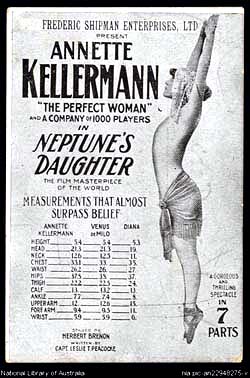
This same spirit of mutation is evident in Neptune's Daughter. On the surface, it is a mermaid fantasy, but beneath the waves lies a narrative of vengeance and forbidden romance that defies the simple moralities of its time. These films weren't just entertainment; they were blueprints for a type of storytelling that prioritized atmosphere and 'the strange' over conventional narrative satisfaction. When we watch a mermaid princess plot revenge against a prince, we are seeing the primal roots of the 'weird' cinema that would eventually cultivate its own devoted tribe.
The Misfit as Protagonist: Subverting the Social Order
Cult films are almost always populated by outcasts, and the early century was rife with characters who existed on the fringes of polite society. In Danger, Go Slow, we encounter Muggsy Mulane, a character who dons boy's clothing and jumps freight trains. This subversion of gender norms and social expectations is a hallmark of the cult aesthetic. Muggsy is a proto-punk, a rebel whose very existence challenges the status quo. The cult audience identifies with this rebellion—the idea that one can find a home in the 'Cottonvilles' of the world while remaining fundamentally an outsider.
Similarly, the figure of the 'noble outlaw' in The Gun Fighter or the desperate survivalist in The Silent Lie provides a template for the transgressive hero. In The Silent Lie, the protagonist Lady Lou is forced into a brutal life at a lumber camp, only to find a strange sort of salvation through a stranger's devotion. These narratives of trauma, escape, and unconventional redemption resonate with the cult psyche because they acknowledge the darkness of the human experience without the sanitization often found in 'prestige' cinema.

The Aesthetic of Obsession: Visual Rebellion and Moral Complexity
What separates a standard film from a cult masterpiece is often its visual language—a certain 'un-reality' that haunts the viewer long after the credits roll. The silent era was a masterclass in this kind of visual haunting. Films like The Red Lantern, with its Peking setting and themes of Eurasian identity and 'devil feet,' offered a visual and cultural complexity that was far ahead of its time. It tackled themes of racial identity and cultural displacement with a fever-dream intensity that modern audiences are only now beginning to fully appreciate.

Then there is the sheer, unadulterated weirdness that can only be found in the fringes. Take Billy Whiskers, the story of an ambitious goat trying to find his career. While it may seem like a simple comedy short, its commitment to a patently absurd premise—a goat as a fireman or a taxi driver—prefigures the 'so bad it's good' or 'surrealist' humor that defines contemporary cult fandom. It is the kind of film that survives not because of its technical perfection, but because of its singular, bizarre vision that refuses to be forgotten.
The Global Fringe: Cult Cinema Beyond Borders
The cult impulse was never restricted to a single nation. The early 20th century saw a global explosion of maverick visions. From the action-packed honor codes of Japan's Horibe Yasubei to the Dickensian adaptations in Denmark like Vor fælles Ven, the 'underground' was a worldwide network of narrative experimentation. These films often dealt with the 'greatest questions' of existence—as seen in the literal title The Greatest Question—where orphans and murderers clash in a rural landscape that feels both timeless and terrifying.
In Mexico, Cuauhtémoc explored historical trauma through a lens of national identity, while in Sweden, Storstadsfaror warned of the dangers lurking for orphans in the big city. These films are 'cult' because they capture a specific cultural anxiety with an intensity that transcends their original context. They are time capsules of fear, hope, and the perennial struggle of the individual against the collective.
The Moral Outlaw and the Price of Crime
One cannot discuss cult cinema without addressing the theme of moral transgression. The 'midnight mindset' is inherently fascinated by the darker side of the human heart. The Price of Crime and Out of the Night are early examples of films that refused to look away from the consequences of societal failure. When Rosalie Lane in Out of the Night becomes a prostitute to pay for her sister's funeral, the film is making a radical statement about poverty and desperation that mainstream melodrama would usually avoid.
This willingness to engage with 'the forbidden' is what builds a cult following. It creates a secret language between the filmmaker and the audience—a shared acknowledgment of the world's cruelty. Whether it's the domestic neglect in The Price of Crime or the social climbing and elopement in The Vortex, these films explored the fractures in the facade of early 20th-century life. They were the original 'transgressive' cinema, providing a safe space for audiences to explore the taboo.
Forging the Modern Cult Identity
How do these century-old films connect to the modern cultist? The answer lies in the Persistence of the Visionary. A film like The Courageous Coward, featuring a Japanese-American law student caught between love and duty, offers a nuanced look at identity that feels strikingly contemporary. The cult audience is drawn to these 'anomalies' because they represent a road not taken by the mainstream—a glimpse into a more diverse, more experimental, and more honest cinematic history.
When we look at the 'make-believe' voyages in The Cruise of the Make-Believes, we see the very essence of why we watch films: to escape into a backyard yacht and sail to a Dream Valley of our own making. Cult cinema is that yacht. It is a vessel built from the scraps of the mainstream, powered by the imagination of the outcast, and destined for shores that the average moviegoer will never see.
Conclusion: The Undying Flame of the Fringe
The history of film is often written as a linear progression toward technical mastery and commercial dominance. But the true heart of the medium beats in the outliers—the films that were 'too weird,' 'too dark,' or 'too unconventional' for their time. From the haunting moonlit faces in The Face in the Moonlight to the barbed-wire defiance of Barb Wire, these early works established the DNA of the cult movie. They taught us that a film doesn't need a massive audience to be immortal; it only needs a few devoted souls who recognize its spark in the dark.
As we continue to unearth these forgotten reels, we find that the Midnight Meridian is not a fixed point in time, but a state of mind. It is the place where the strange becomes sacred, and where the misfits of the past become the icons of the future. Whether it is a mermaid's vengeance, a goat's ambition, or a prostitute's grief, the cult cinema of the early 20th century remains a vibrant, pulsing testament to the power of the unconventional. It is a legacy of visual rebellion that will continue to inspire the renegades and dreamers of the screen for centuries to come.
Community
Comments
Log in to comment.
Loading comments…