
Cult Cinema
The Midnight Metamorphosis: How Unconventional Visions Forge Enduring Cinematic Communities

“Delve into the enigmatic world of cult cinema, exploring how films that defy mainstream expectations transform into beloved cultural touchstones, fostering passionate communities and carving out a unique legacy in film history.”
In the vast, ever-evolving landscape of motion pictures, certain films resist easy categorization. They don't always dominate the box office, nor do they consistently garner critical acclaim upon release. Yet, over time, these cinematic outliers develop a magnetic pull, drawing in devoted audiences who champion their unique vision, often transforming them into something far greater than their initial reception suggested. This is the enduring phenomenon of cult cinema – a realm where the unconventional reigns supreme, and the act of viewing becomes a shared, almost ritualistic, experience.

What defines a cult film? It's not merely a matter of box office failure or critical indifference. Instead, it's an alchemical process, a midnight metamorphosis where a film's perceived flaws become its strengths, its eccentricities its charm, and its niche appeal a badge of honor for its dedicated following. These are the films that live beyond their initial run, finding new life in repertory screenings, home video, and the fervent discussions of their devoted disciples. They are the cinematic underground, the unseen gems that form the bedrock of a vibrant, alternative film culture.
The Genesis of the Unconventional: Tracing Cult Cinema's Roots
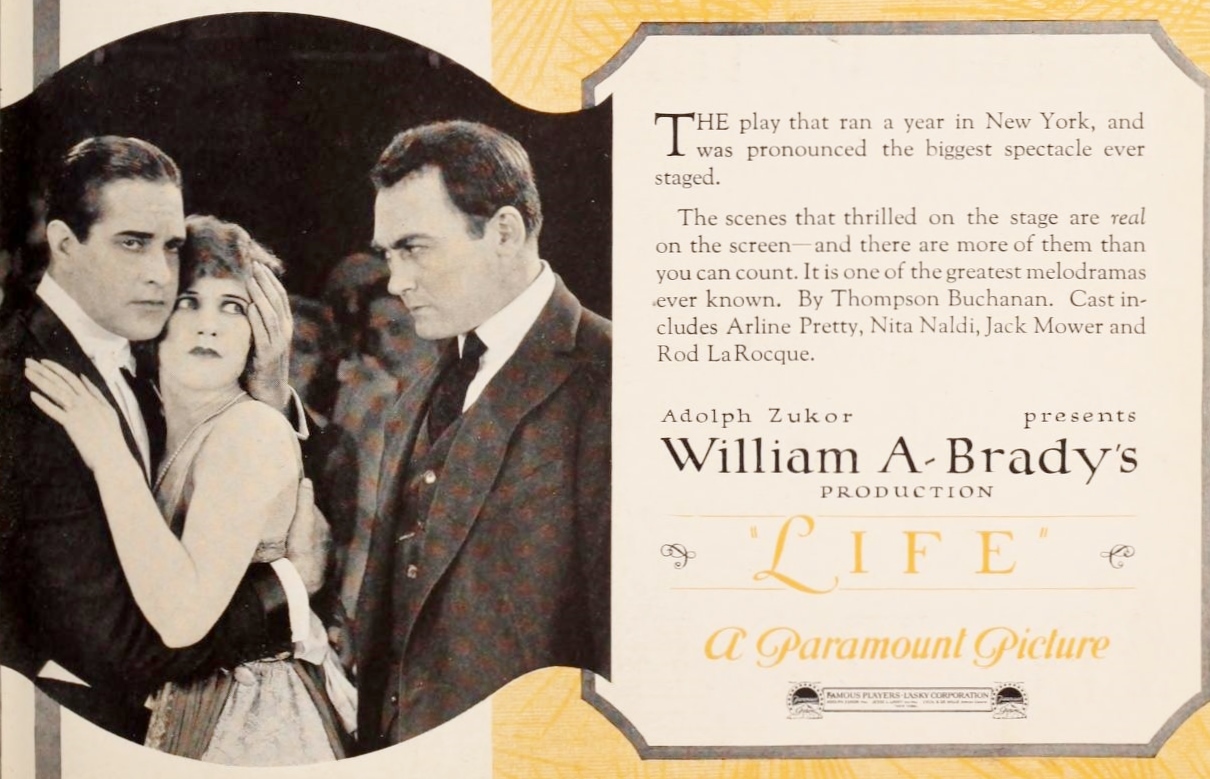
While the term 'cult film' gained prominence in the latter half of the 20th century, the seeds of this phenomenon were sown far earlier, in the nascent days of cinema itself. Even in the early 1900s, films, whether grand melodramas or whimsical shorts, often contained elements that challenged prevailing norms, explored taboo subjects, or simply possessed a peculiar charm that resonated deeply with specific segments of the audience. The descriptions of films from this era – ranging from intricate mysteries and social dramas to adventurous tales and morality plays – offer a glimpse into the rich tapestry of early storytelling that, in retrospect, laid the groundwork for future transgressive cinema.

Consider the dramatic intensity of narratives that explored profound moral dilemmas or societal injustices. Films that delved into themes of desperation and ethical compromise, such as a struggling artist's heartbreaking decision to sell a child, or a wife's entanglement in a notorious gambling establishment, presented audiences with stark, often uncomfortable, reflections of their world. These were not always lighthearted tales; they pushed boundaries, eliciting strong emotional responses and lingering questions. Such narratives, imbued with a certain raw power, often find their way into the cult canon precisely because they refuse to shy away from life's complexities.

Early cinema also saw a proliferation of genre experimentation. From the comedic antics of a 'Baby Doll Bandit' to the exotic allure of 'The Savage Woman' or the supernatural revenge plot of 'The Beetle', filmmakers were constantly pushing the boundaries of what was possible on screen. These ventures into the fantastical, the adventurous, or the outright bizarre, even if not universally embraced, undoubtedly captivated niche audiences. The very act of presenting something outside the ordinary, something that might have been deemed 'weird' or 'too much' by mainstream sensibilities, is a foundational characteristic of what would eventually be celebrated as unconventional narratives.
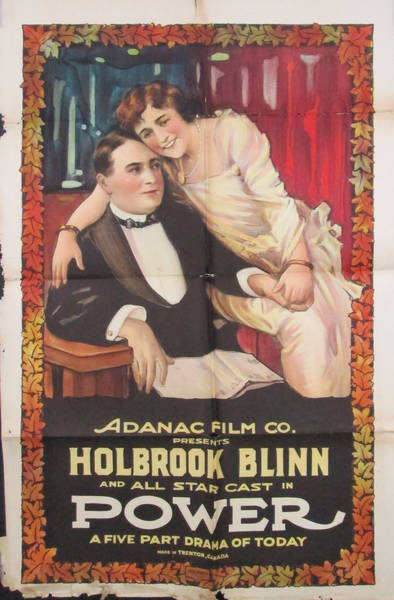
The idea of rebellion against societal norms also permeated early film. Stories of individuals defying expectations, whether a country boy falling for a showgirl ('The Gilded Lily') or a snobbish attorney's downfall and redemption ('The Right of Way'), resonated with viewers who felt a similar disconnect from conventional paths. These narratives, often imbued with a strong sense of individuality and a critique of rigid social structures, provided a mirror for those who felt like outsiders, a crucial demographic for future cult film appreciation.

Defining the Indefinable: Characteristics of Cult Cinema
Cult cinema thrives on several key characteristics that set it apart from mainstream blockbusters or critical darlings. These films often possess a unique aesthetic, a singular vision, or a thematic depth that rewards repeated viewings and intense scrutiny.

The Power of Subversion and Transgression
Many cult films actively subvert audience expectations, either through their narrative structure, thematic content, or visual style. They challenge established norms, sometimes explicitly, sometimes subtly. Early films depicting moral ambiguity, such as a detective entangled in a world of thieves and dangerous explosives ('The Gray Mask'), or a millionaire playing detective in a jewel robbery ('The Midnight Trail'), hint at a fascination with the darker, less clear-cut aspects of human nature. This transgressive spirit, pushing the boundaries of what is considered acceptable or comfortable, is a powerful draw for audiences seeking intellectual or emotional stimulation beyond the ordinary.

Aesthetic Distinctiveness and Visionary Filmmaking
Whether through striking cinematography, unusual editing, or a director's unmistakable personal stamp, cult films often boast a highly distinctive aesthetic. This visual and narrative uniqueness makes them stand out, offering an experience unlike anything else. Even in the silent era, films like 'Mathias Sandorf', with its intricate plot of adventurers and unscrupulous bankers, or the historical drama 'Nathan der Weise', with its philosophical depth, demonstrated a commitment to storytelling that went beyond mere entertainment, often creating worlds that felt immersive and singular. This visionary filmmaking, regardless of budget or initial reach, resonates with viewers who value artistic integrity and originality.

The Unapologetically Niche Appeal
Perhaps the most defining characteristic is a film's unapologetically niche appeal. Cult films are rarely for everyone, and that's precisely their strength. They speak to a specific sensibility, a particular subculture, or an audience segment that feels overlooked by mainstream offerings. Early comedies, for instance, often played to very specific local humor or character types, like the 'Full o' Spirits' séance comedy or the 'Pretty Lady' beach bungalow chaos. While these might not have achieved universal acclaim, their particular brand of humor or drama would have found a dedicated, albeit smaller, audience. This specificity fosters connection, as viewers feel a sense of discovery and belonging when they find a film that truly 'gets' them.
Reinterpretation and Enduring Relevance
Time is a crucial factor in the midnight metamorphosis of a film into a cult classic. Films that were misunderstood or dismissed in their own time can gain new meaning and relevance as societal perspectives shift. A film like 'The Unpardonable Sin', with its grim portrayal of war and its aftermath, might have been shocking in its era, but its themes of suffering, resilience, and the search for loved ones can resonate across generations, inviting reinterpretation and deeper appreciation. The ability of a film to remain potent, to spark conversation and evoke strong feelings years or even decades after its release, is a testament to its enduring legacy.
The Unseen Architects: Audience and Community
The true power of cult cinema lies not just in the films themselves, but in the cinematic communities they inspire. These are not passive viewers; they are active participants, interpreters, and evangelists for their chosen films. The audience becomes an integral part of the film's ongoing narrative, shaping its legacy and ensuring its survival.
This communal aspect can be seen even in the early days of cinema. Imagine audiences gathering to watch a serial like 'Under the Crescent', following the adventures of an American actress in Old Egypt across multiple episodes. This shared anticipation and discussion, episode after episode, fostered a primitive form of dedicated fandom. Similarly, the dramatic arcs of films like 'Love Never Dies', depicting childhood sweethearts separated by fate and reunited by destiny, would have provided rich fodder for emotional connection and shared experience among viewers.
The ritual of repeat viewing is central to cult fandom. Fans don't just watch these films; they study them, memorize dialogue, analyze symbolism, and uncover hidden meanings. This deep engagement transforms a simple viewing into a profound, often personal, journey. The films become a secret language, a set of shared references and inside jokes that bind the community together. Whether it's the intricate plot of 'The Money Mill' or the moral complexities of 'Les Misérables', these films offer layers of meaning that reveal themselves only to the most dedicated observers.
Furthermore, cult cinema often provides a sense of belonging for those who feel marginalized by mainstream culture. These films, by their very nature, celebrate the unusual, the eccentric, and the taboo. They offer a sanctuary where alternative perspectives are not just tolerated but celebrated. A film that might have been considered 'strange' or 'too dark' upon release, such as the intense drama of 'Wives of Men' exploring marital complexities or the stark realities in 'A Child for Sale', finds its tribe among those who appreciate its unflinching gaze and unconventional storytelling.
The Unfolding Legacy: From Fringe to Forever
The journey of a film from obscurity to cult iconography is a testament to the power of audience advocacy and the enduring appeal of unconventional visions. These films remind us that cinematic value isn't solely determined by initial commercial success or critical consensus. Instead, it's often found in the deep, personal connections forged between a film and its audience.
The diverse array of early films, from the adventure of 'The Best of Luck' to the intricate mystery of 'The Dare-Devil Detective', or the allegorical richness of 'The Seven Swans', each contained unique sparks that could ignite a passionate following. While not all of these films achieved overt cult status in their time, they contributed to a rich cinematic tradition that valued distinctiveness and emotional impact. They explored themes of identity, societal pressure, and individual struggle – elements that continue to resonate with audiences seeking more than just escapism.
In an era dominated by algorithms and mass-market appeal, cult cinema stands as a vibrant counter-narrative, a celebration of the unique, the peculiar, and the deeply personal. It's a testament to the fact that true art often finds its audience not through marketing blitzes, but through word-of-mouth, shared passion, and a collective yearning for something different. The midnight metamorphosis continues, as new generations discover these cinematic treasures, ensuring their timeless allure and cementing their place in the hearts of dedicated fandoms worldwide. As long as there are stories that dare to be different, there will be audiences ready to embrace them, transforming them into legends of the screen.
Community
Comments
Log in to comment.
Loading comments…