
Deep Dive
The Midnight Monolith: Unearthing the Subversive DNA and Maverick Heart of Early Cinema’s Forgotten Fringe
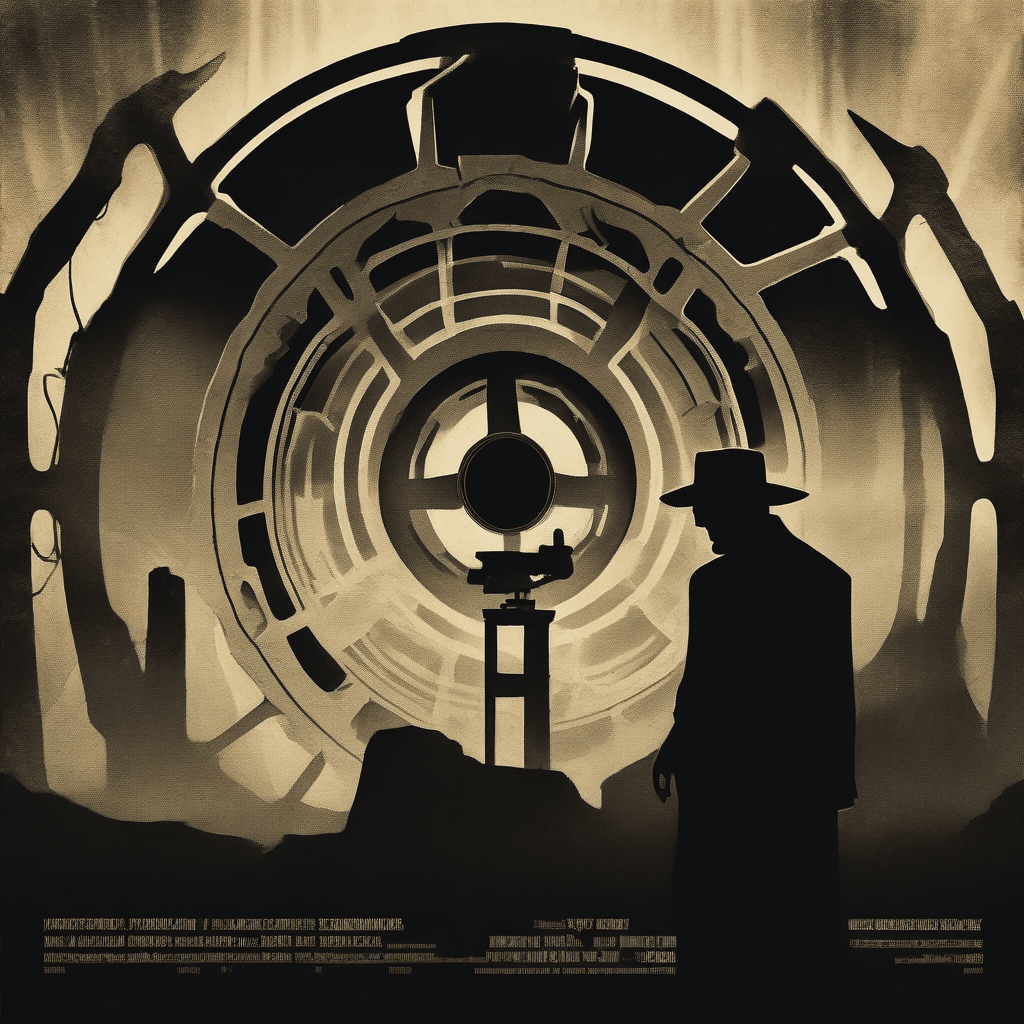
“An exploration into how the silent era's most daring and unconventional films established the genetic blueprint for modern cult cinema and niche fandom.”
Before the term "midnight movie" was coined in the smoky, underground theaters of the 1970s, the seeds of cinematic rebellion were already being sown in the flickering, nitrate light of the 1910s and early 20s. We often view the silent era through a lens of nostalgia or technical curiosity, yet beneath the surface of mainstream silent productions lies a darker, more volatile current. This was the era of the true maverick—a time when filmmakers were not just experimenting with a new medium, but were actively pushing against the boundaries of social morality, narrative structure, and visual sanity. To understand the modern cult obsession, one must look back at the Midnight Monolith of the early 20th century, where genre mutants and moral outliers first took flight.
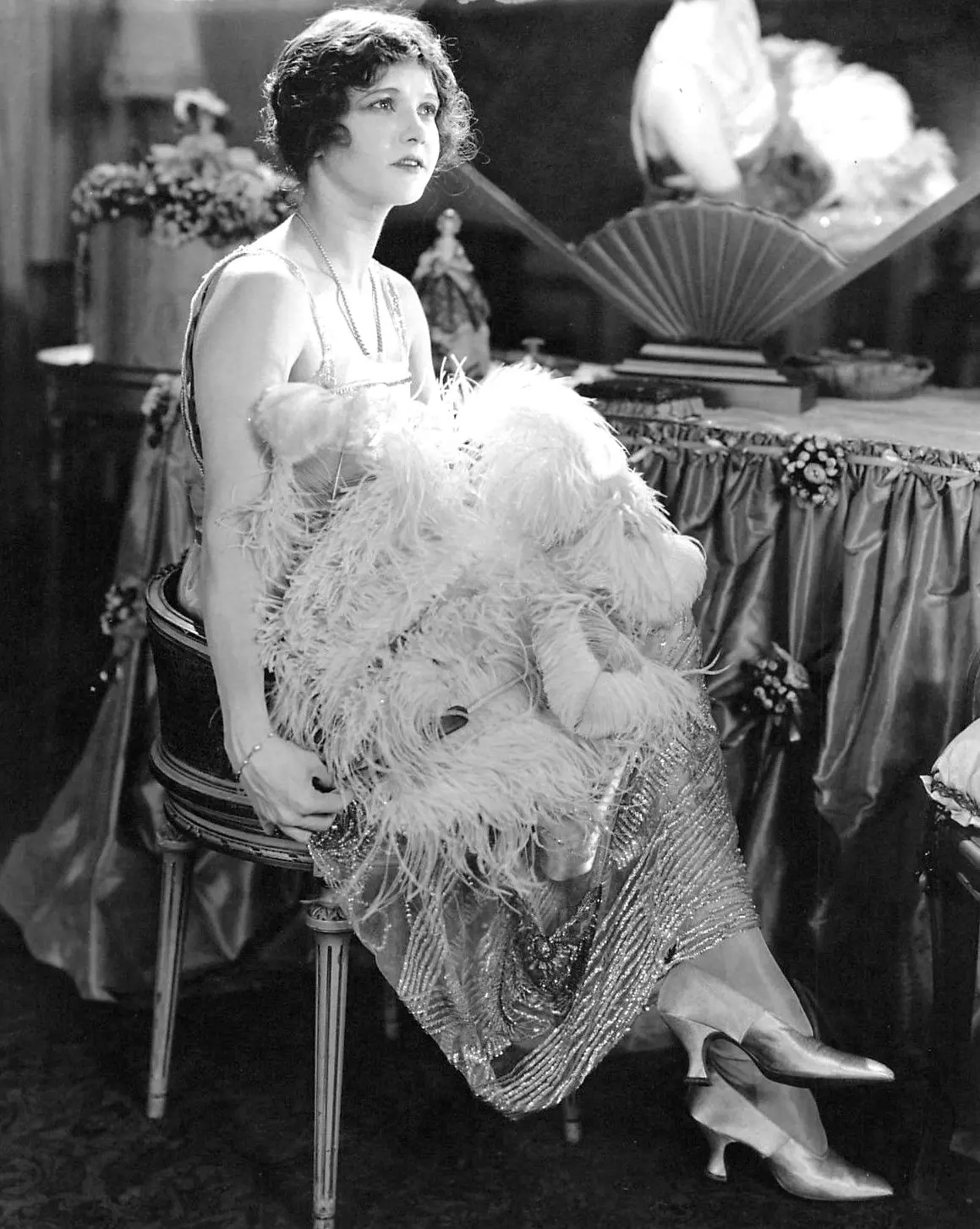
The Primal Pulse of Survival and Horror
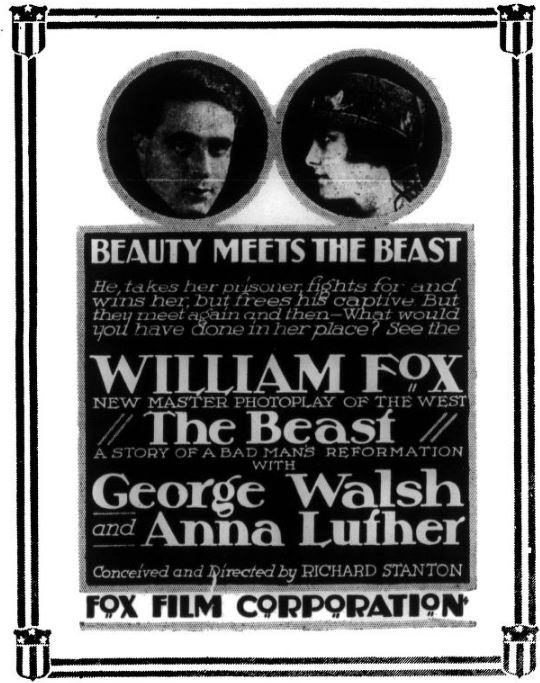
Cult cinema has always been defined by its willingness to explore the primal, the uncomfortable, and the visceral. In 1910, a film titled The Beast emerged as a startling precursor to the survival horror genre. The premise—a hunting trip where the hunter becomes the hunted—taps into a deep-seated human anxiety that remains a staple of cult classics today. This savage hunger for survival is a theme that resonates through the decades, finding its way into the DNA of everything from 70s slasher films to modern psychological thrillers. It wasn't just about the hunt; it was about the subversion of the man-as-master narrative.
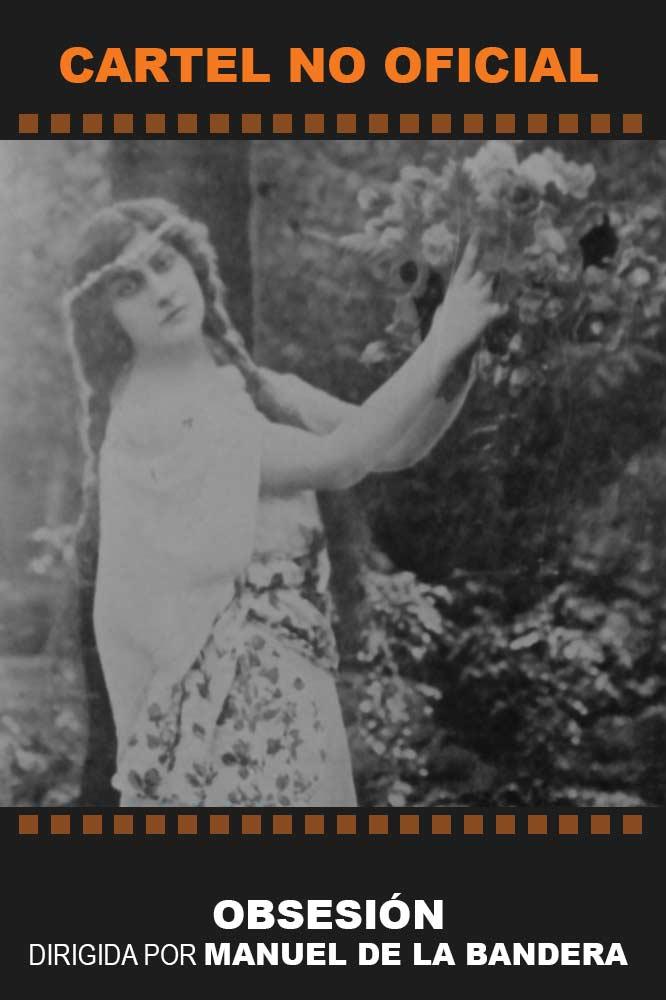
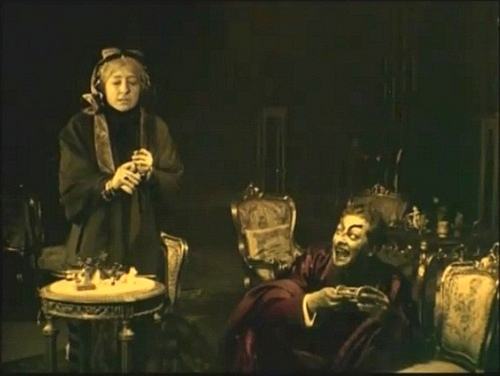
Similarly, the supernatural and the occult found early, haunting expressions that would later define the gothic cult aesthetic. The Eyes of the Mummy (1918) combined ancient Egyptian mysticism with a contemporary sense of dread, as a kidnapped girl flees a temple only to be haunted by her captor in England. This sense of inescapable haunting is a hallmark of cult storytelling. Even more daring was Satan's Rhapsody (1917), a Faustian tale where an old woman makes a pact with Mephisto. The visual poetry of her sacrifice—staying away from love in exchange for youth—created a template for the tragic, visually lush horror that would later be championed by filmmakers like Mario Bava or Dario Argento.
The Underworld and the Moral Outlaw
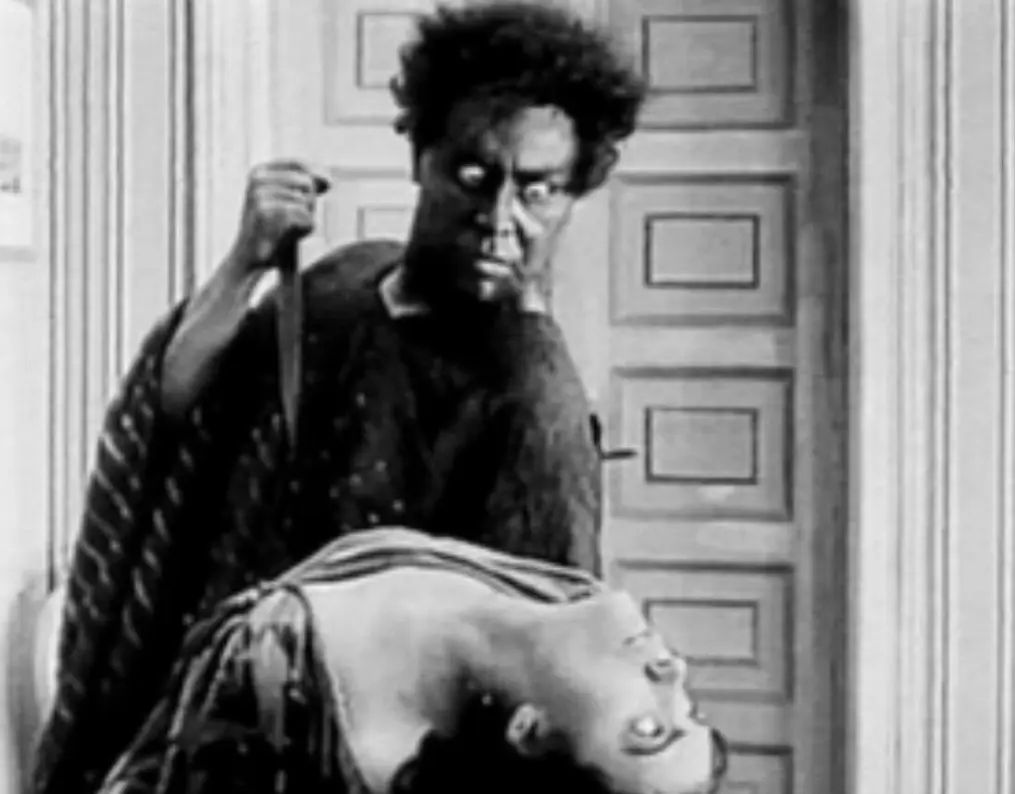
If cult cinema is a sanctuary for the disenfranchised, early silent films were the original architects of that sanctuary. The era was obsessed with the "underworld"—not just as a criminal setting, but as a moral grey zone. The Lure (1914) took audiences into the dark reality of brothels and pimps, using a detective story to expose a gritty, uncomfortable social reality. This was "exploitation" cinema before the term existed, using sensationalist elements to draw audiences into a world they were forbidden to see. This fascination with the forbidden is exactly what drives the cult following of films like The Primrose Path (1913), where a country girl's elopement to Paris ends in poverty and illness, or Through Dante's Flames (1914), which delved into the world of counterfeiting and police raids.
Subverting Class and Domesticity
While some films explored the criminal underworld, others turned their subversive gaze toward the domestic sphere and the rigid class structures of the time. The New York Idea (1920) offered a cynical, almost modern look at marriage, where Cynthia and John Karslake obscure their love through constant quarreling and jealousy. This subversion of the "happily ever after" trope is a key component of the cult ethos—a refusal to accept mainstream platitudes. In the realm of class struggle, Fräulein Julie (1921) and The Lady Clare (1919) challenged the purity of the aristocracy. The former, depicting a noblewoman drawn to a well-read valet, and the latter, involving a Lord who weds a village child substituted for a lady, highlighted the fragility of social standing.
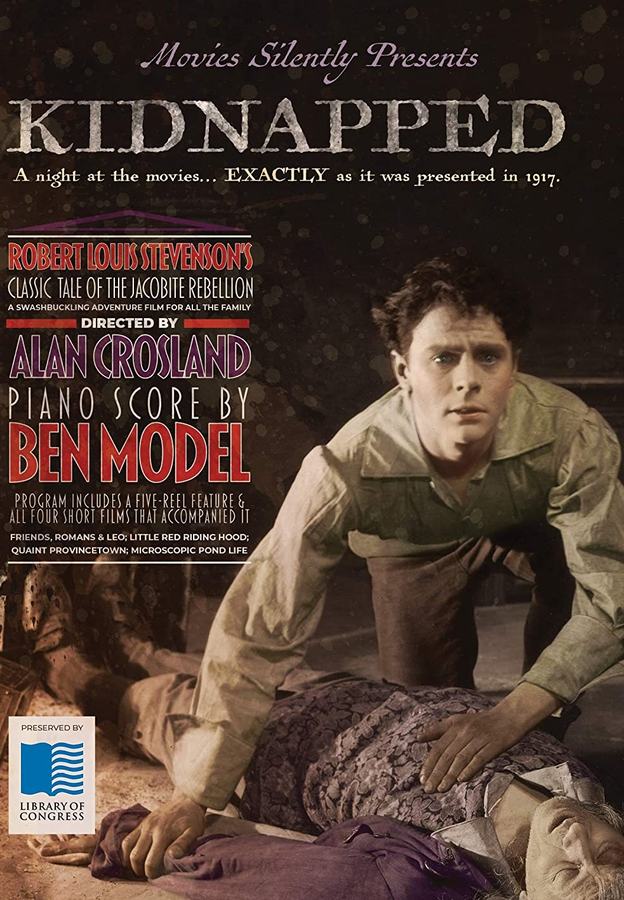
These narratives often featured the "abandoned child" or the "orphan" as a central figure of resilience and rebellion. Every Girl's Dream (1917), Le rêve (1921), and Merely Mary Ann (1920) all center on youths surviving against the odds in harsh environments. These characters were the original "misfits" that cult audiences identify with—individuals operating on the periphery of a society that doesn't want them.
The Anarchy of Early Comedic Surrealism
Cult cinema isn't just about darkness; it’s also about the bizarre, the nonsensical, and the surreal. Early silent comedies were often anarchic in a way that modern mainstream comedy rarely dares to be. Take Fishing (1921), where the Inkwell Clown is pulled into a cartoon fishing hole and causes real-world havoc. This blurring of reality and animation was a precursor to the psychedelic and surrealist movements that would later inform the cult landscape. Similarly, Mutt and Jeff in Paris and Just Dropped In (1919) featured runaway airplanes and native islands, embracing a chaotic energy that prioritized visual gags and absurd situations over linear logic.
Even the shorter subjects like Crowning Torchy (1917) and The Dinner Hour (1920), featuring Snub Pollard as a waiter in a cabaret, displayed a manic, slapstick nihilism. These films weren't trying to teach a lesson; they were trying to disrupt the status quo. This disruptive spirit is the very heart of the cult movie experience—the feeling that anything can happen on screen, and the more ridiculous it is, the better.
Global Mutations: The International Fringe
The cult phenomenon was never restricted to Hollywood. The silent era was truly global, and some of the most transgressive works came from outside the American studio system. The Norwegian film Markens grøde (1921), based on Knut Hamsun’s novel, offered a stark, dramatic criticism of industrialization and the loss of traditional values. Its focus on a farmer making a life out of barren soil provided a gritty realism that contrasted sharply with the polished dramas of the time. In Hungary, films like Az impresszárió (1917) and Jön a rozson át! (1919) were exploring complex human emotions and theatricality in ways that felt alien to Western audiences, creating a sense of "otherness" that is highly prized by cult collectors today.
The Technological and Visual Maverick
Early cult filmmakers were also technical innovators, often out of necessity. The Soul of Bronze (1918), a French production distributed by Houdini’s company, used the setting of a gun factory to weave a tale of romantic rivalry and engineering. The use of industrial settings as a backdrop for human drama was a precursor to the cyberpunk and industrial aesthetics that would later dominate niche genre films. Then there was Indian Life (1913), a documentary by Paul Powell that attempted to capture the Cheyenne and Crow reservations. While problematic by modern standards, it represented an early attempt by cinema to document the "other"—a drive that eventually led to the ethnographic and transgressive documentaries that populate the fringes of cult cinema.
Legacy of the Outlier: Why the Silent Fringe Matters
Why do we continue to look back at films like The Girl in the Taxi (1921), where a son pawns his father's clothes and ends up in a runaway taxi, or The Hidden Pearls (1918), dealing with the clash of American and Hawaiian cultures? We look back because these films represent the first time the camera was used to explore the "odd," the "unwanted," and the "unseen." They established the tropes of the genre: the femme fatale in La dame aux camélias (1911), the deceptive guardian in When Husbands Deceive (1922), and the noble outlaw in The Silent Rider (1918).
The cult movie is more than just a film; it is a community of people who see themselves in the misfits on screen. Whether it's the "good scout" in A Good Scout (1918) or the struggling artist in The Might of Gold (1912), these characters represent a refusal to conform. The silent era gave us the Midnight Monolith—a foundation of weirdness, rebellion, and raw emotion that continues to support the entire structure of cult cinema today. As we move further into the digital age, the analog ghosts of the 1910s remain more relevant than ever, reminding us that the most powerful stories are often found on the very edge of the frame.
In the end, the endurance of films like The Tower of Jewels (1920) or The Warrior Strain (1919) isn't just about their historical value. It's about the fact that they dared to be different in a world that demanded uniformity. They are the original rebels, the first century of genre outcasts who paved the way for every midnight screening, every niche fandom, and every cinematic obsession that followed. The flicker of the silent screen was the first spark of a fire that still burns in the hearts of cult movie lovers everywhere.
Community
Comments
Log in to comment.
Loading comments…