
Cult Cinema
The Midnight Sacrament: Decoding the Transgressive Soul and Maverick Rituals of Cinema’s Lost 1910s Underground
“A deep dive into the primal origins of cult cinema, exploring how the transgressive narratives and moral outcasts of the 1910s silent era forged the blueprint for modern midnight movie obsession.”
When we speak of cult cinema, the mind often drifts to the neon-soaked midnight screenings of the 1970s or the grainy VHS tapes of the 1980s. However, the true alchemy of the maverick reel began much earlier, in the flickering shadows of the 1910s. Long before the term 'cult film' was coined, a series of silent-era anomalies were already engineering a unique psychological bond with their audience—a bond forged in the fires of social transgression, moral deviance, and the celebration of the outcast. These films, often relegated to the nitrate graveyards of history, contain the genetic code of what we now recognize as the cult gaze.
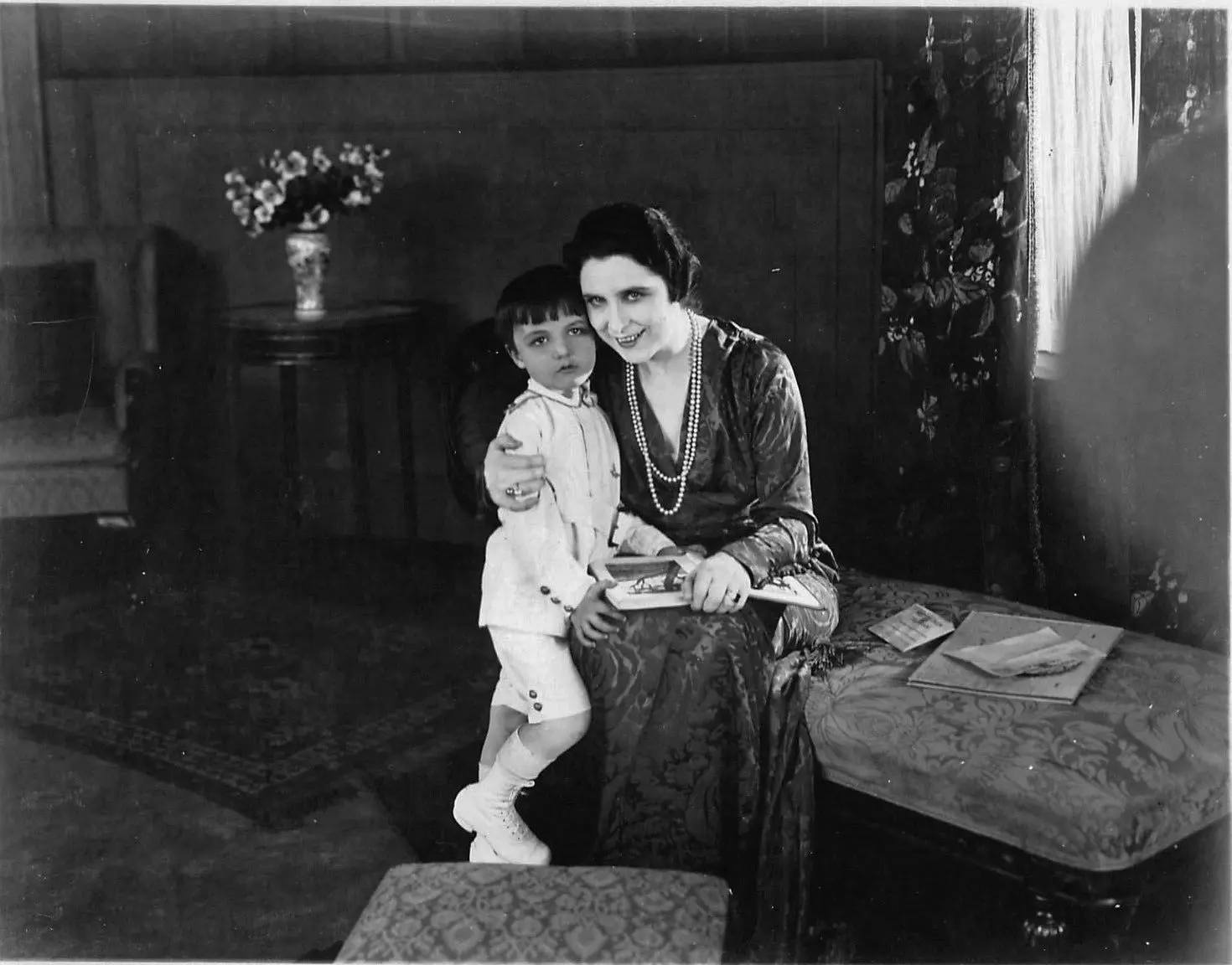
The Genesis of the Cinematic Outlier
The early 20th century was a laboratory for the subversive spirit. In this era, the screen was not just a window into reality but a mirror reflecting the anxieties of a rapidly industrializing world. Films like The Bitter Truth (1917) did more than just tell a story; they opened a portal into the 'big, helpless humanity' of the East Side slums. By centering narratives on the dwellers of Blossom Street, these films invited the viewer to empathize with the 'helpless' and the 'huddled,' establishing the first pillar of cult cinema: the glorification of the marginalized.
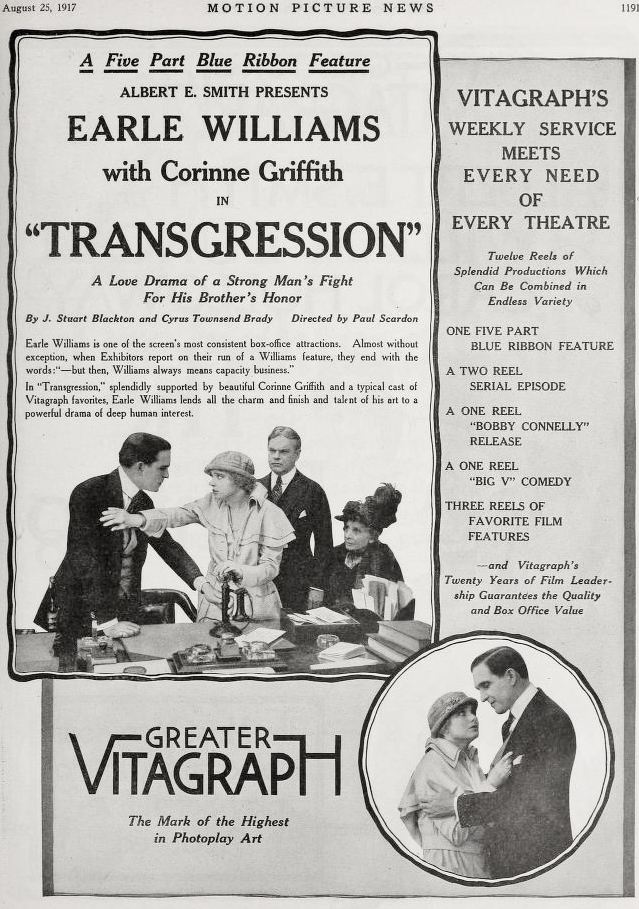
This period also saw the rise of the moral outlier. Consider the protagonist of The Bargain (1914), the bandit Jim Stokes. In a time when cinema was often used as a tool for moral instruction, the portrayal of a criminal seeking a 'bargain' with the law for the sake of love was a radical departure. It introduced the concept of the anti-hero, a staple of cult devotion. The audience was no longer just watching a moral play; they were participating in the internal struggle of a man who operated outside the boundaries of polite society.
The Subversive Lens: Transgressing Social Norms
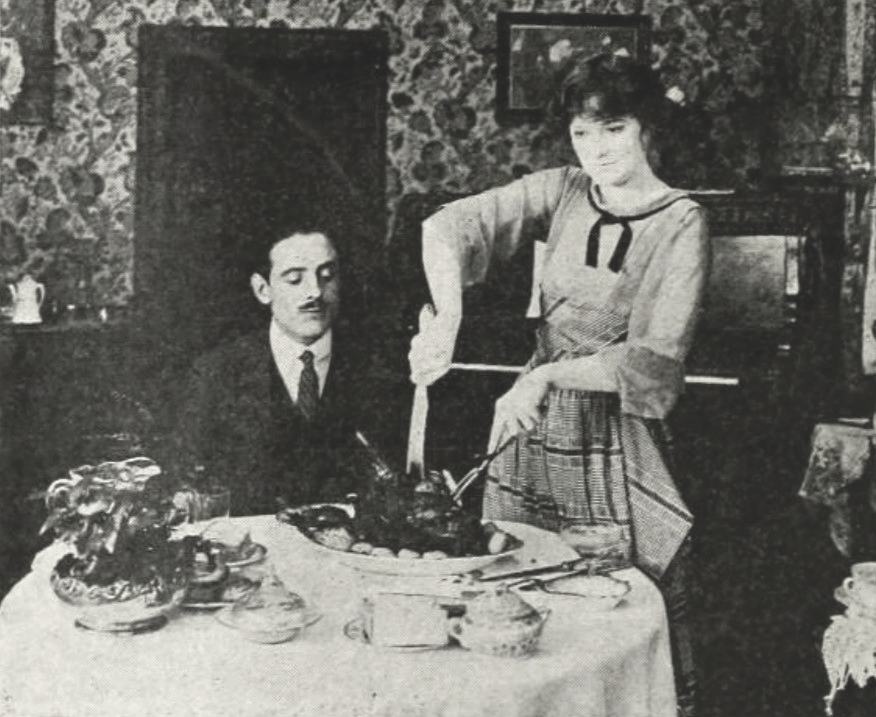
Cult cinema thrives on the 'forbidden,' and the 1910s were rife with narratives that challenged the status quo. The warfare of the flesh was not just a title but a recurring theme. In The Warfare of the Flesh (1917), the screen became a battleground for the eternal conflict between spirit and desire. This wasn't merely melodrama; it was an exploration of human duality that resonated with those who felt constricted by the Victorian echoes of the time. The film’s focus on the 'desires of the flesh' prefigured the transgressive nature of later cult icons who would push the boundaries of sexuality and morality.
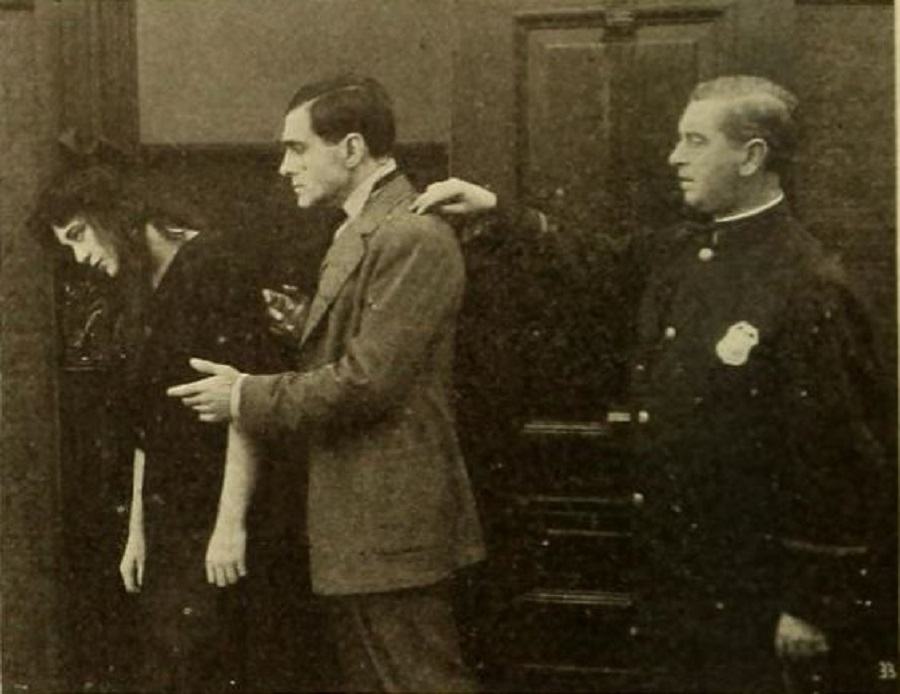
Gender roles were also a fertile ground for maverick storytelling. In Tempest Cody Rides Wild (1919), we see a female peace officer in a wild western town—a character that defied the traditional damsel-in-distress trope. Similarly, Naughty Mary Brown (1917) and the 'Broken Heart Club' turned the romantic pursuit into a comedic critique of courtship. These films offered a glimpse of a world where women were not merely objects of affection but agents of chaos or authority, a theme that would later be championed by the underground feminist cinema of the 1960s.
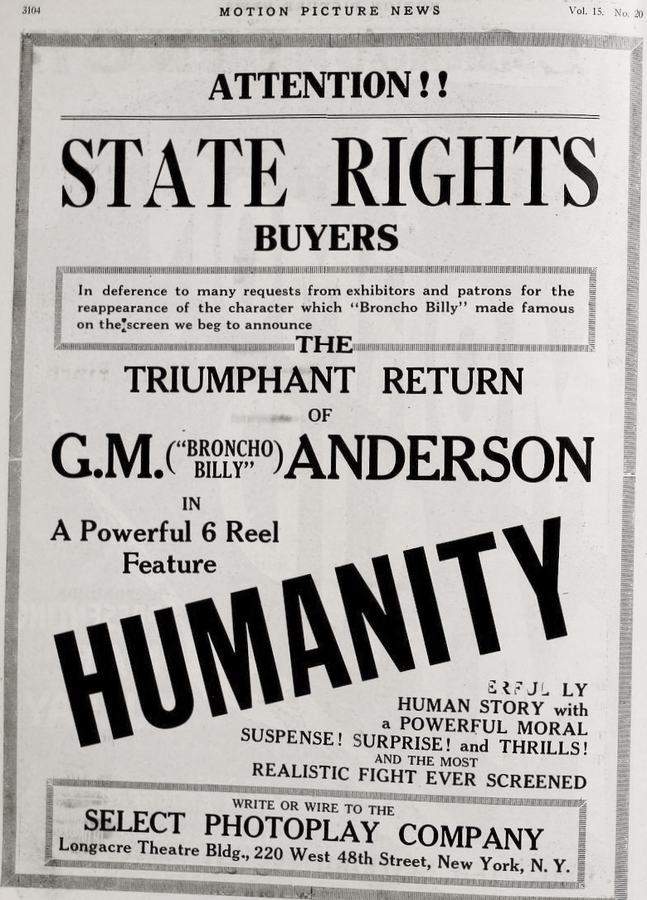
The Underworld and the Allure of the Forbidden
The 'underworld' has always been a primary setting for cult obsession. In Camille (1915), Marguerite Gautier is the 'queen of the underworld,' a woman whose life is defined by her association with wealth and the shadows of high society. This fascination with the dark underbelly of life was further explored in Luck and Pluck (1919), where a professional thief like Joe Grim is depicted with a sense of charm and heroism. By making the criminal the protagonist, these early filmmakers tapped into a primal desire for rebellion that remains the heartbeat of cult fandom today.
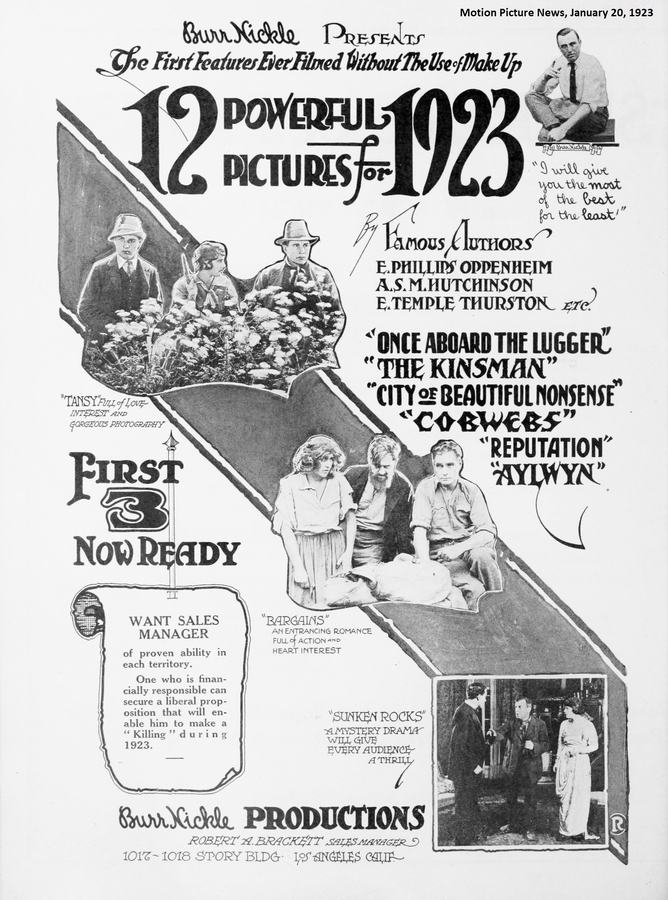
The Esoteric and the Occult: Prefiguring Niche Devotion
One of the most fascinating precursors to modern cult worship is the presence of the mystical and the arcane in early silent films. Love Letters (1917) features a protagonist who poses as the leader of an 'oriental cult.' While the film ultimately exposes his duplicity, the very presence of such a narrative element suggests an early audience fascination with secret societies and alternative belief systems. This 'shared secret'—the knowledge of something beyond the mainstream—is exactly what binds cult communities together.
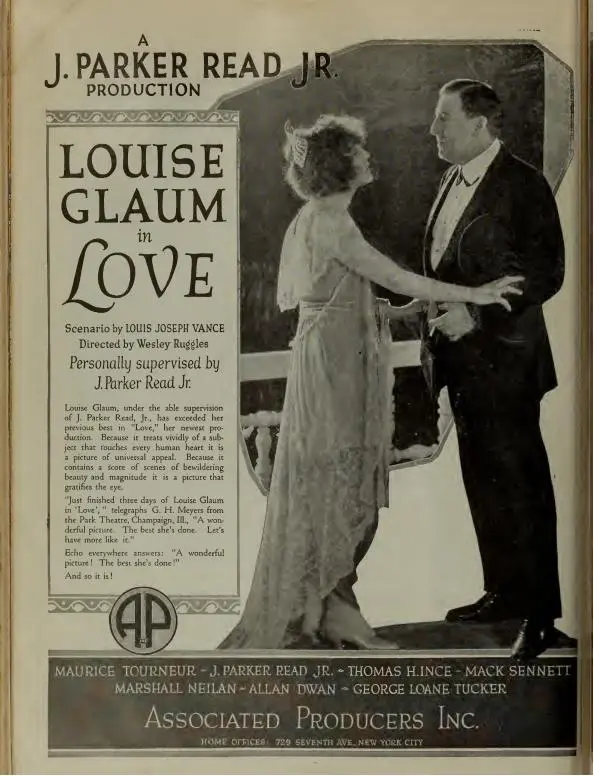
The psychological thriller also found its roots in this era. A Voice in the Dark (1921) utilized a murder mystery hinged on a deaf woman and a blind man, forcing the audience to engage with the story through sensory limitations. This type of experimental narrative structure is a hallmark of the 'weird' cinema that attracts devoted followers. It demands a different kind of watching, a more active participation that transforms the viewer from a passive observer into a detective or a co-conspirator.
The Tragedy of the Fringe: Outcasts and Fanaticism
Cult cinema often deals with the extreme consequences of social isolation. Out of the Fog (1919) presents a harrowing tale of religious fanaticism and suicide. The character of Job, the religious fanatic who drives his sister to her death, is a chilling archetype that would reappear in countless cult horror films. The film’s exploration of 'anguish' and 'seclusion' provides a stark contrast to the escapist fare of the era, offering instead a 'fever dream' of human suffering that demands to be remembered.
Similarly, My Little Sister (1919) tackles the tragedy of Bettina, whose longing to leave her country home leads to a life-altering disaster. These stories of the 'little people' and their often-crushing reality created a space for a more visceral, emotional cinema. They spoke to the 'misfits' in the audience—those who knew the pain of being misunderstood or trapped by their circumstances.
The Safecracker’s Ethics: Skill as Rebellion
In Blindfolded (1918), we are introduced to the 'Ear' Muldoon, a professional safecracker who passes his skills to his daughter. The film takes a turn when the daughter, Peggy, decides to forego crime after reading Ralph Waldo Emerson. This intersection of criminality and philosophy is quintessential cult material. It suggests that even the outlaw has an intellectual and moral inner life. The idea of the 'gentleman thief' or the 'philosophical rogue' allows the audience to project their own desires for freedom and self-improvement onto the screen.
The Enduring Legacy of the 1910s Maverick
Why do these films, many of which are now fragmentary or lost, still matter to the modern cult enthusiast? It is because they were the first to understand that the cinematic experience could be something more than entertainment. They were the first to experiment with the 'unconventional,' the 'bizarre,' and the 'transgressive.' Whether it was the swashbuckling adventure of Cynthia of the Minute (1920) or the social critique of A Little Brother of the Rich (1919), these films were carving out a niche for stories that didn't fit the standard mold.
The cult film soul is built on the foundation of these early outliers. When we watch a modern midnight movie, we are seeing the echoes of Love's Law (1917) and its roving band of forest dwellers, or the vagabond in Le chemineau (1917) who cures both sheep and souls. These characters represent the eternal 'other,' the wanderer who brings change but can never truly belong. This sense of perpetual outsiderhood is the ultimate bond between the cult film and its audience.
Conclusion: The Alchemical Resurrection
In the end, the study of early cult cinema is an act of cinematic archeology. By unearthing the 'misfits' and 'mavericks' of the 1910s, we are not just looking at old movies; we are discovering the roots of our own obsession. These films provided the blueprints for rebellion, the rituals of devotion, and the language of the fringe. They remind us that the screen has always been a place for the strange, the beautiful, and the forbidden. As we move further into the digital age, the 'nitrate ghosts' of the silent era continue to haunt our collective subconscious, ensuring that the spirit of the midnight movie will never truly die. They are the Midnight Sacrament, a testament to the enduring power of the transgressive reel.
Community
Comments
Log in to comment.
Loading comments…