
Cult Cinema
The Neon Afterlife: Why the Forgotten Fringes of Early Cinema Still Haunt Our Cult Obsessions
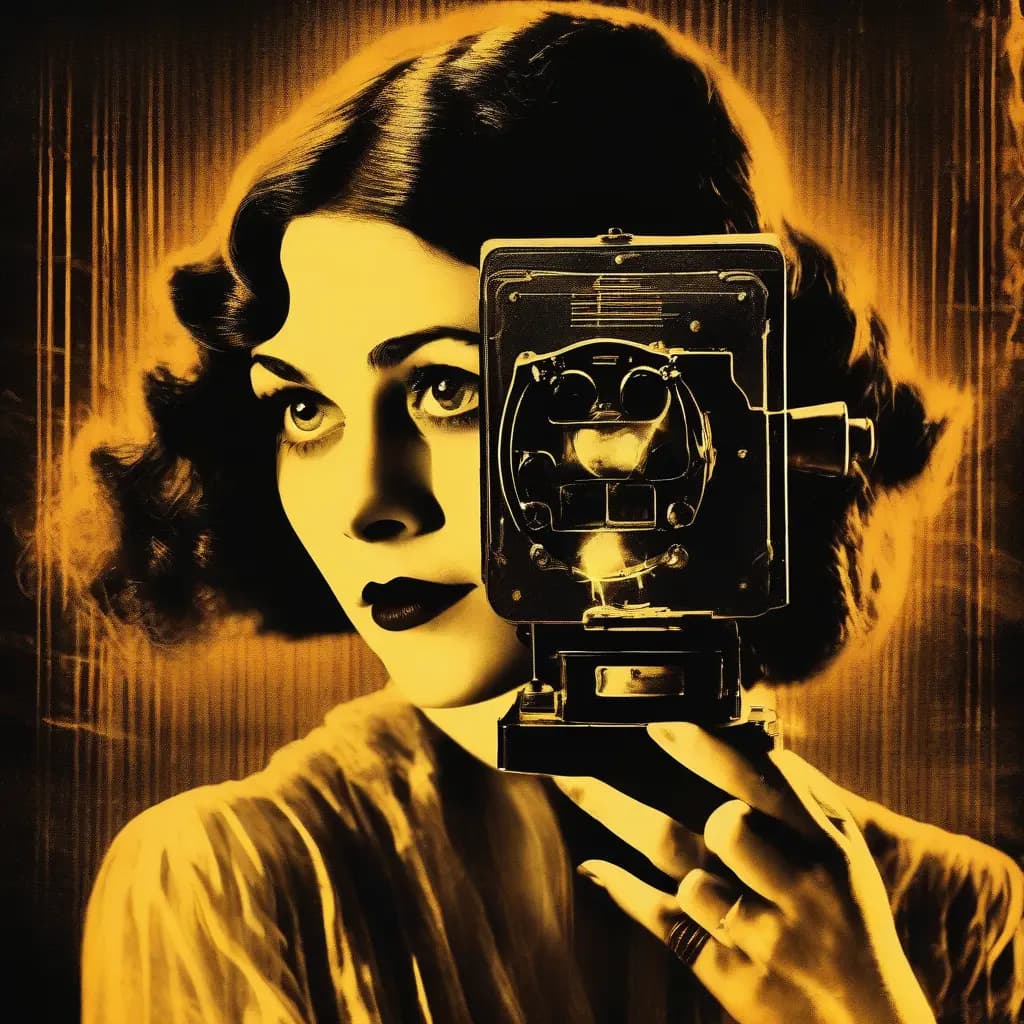
“Explore the transgressive roots of cult cinema through the lens of early 20th-century outliers, where silent-era rebels and genre-bending experiments forged the DNA of modern midnight movies.”
The term cult cinema often evokes images of midnight screenings, costumed fans, and grainy celluloid that defies the logic of the mainstream. Yet, to truly understand the magnetism of the misfit masterpiece, one must look back into the flickering shadows of the early 20th century. Long before the term 'cult film' was coined, a series of cinematic anomalies were quietly dismantling the conventions of storytelling. These were the outliers—films that didn't quite fit the burgeoning studio system, works that experimented with tone, technology, and taboo. From the raw melodrama of The Wolf (1919) to the technical curiosity of The Toll of the Sea, the seeds of subversive devotion were planted in the very soil of cinema’s infancy.
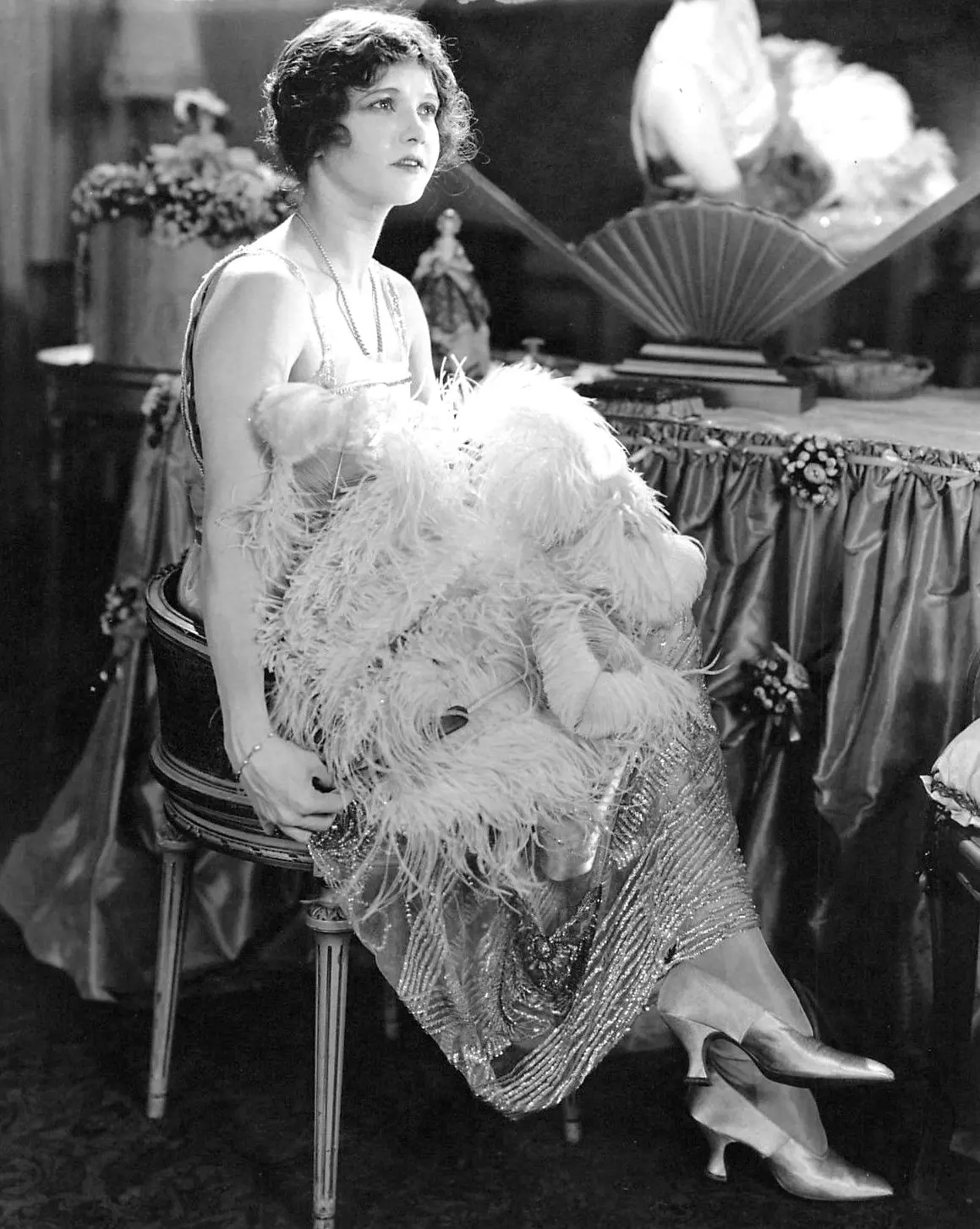
The Architecture of the Anomalous: Defining the Proto-Cult
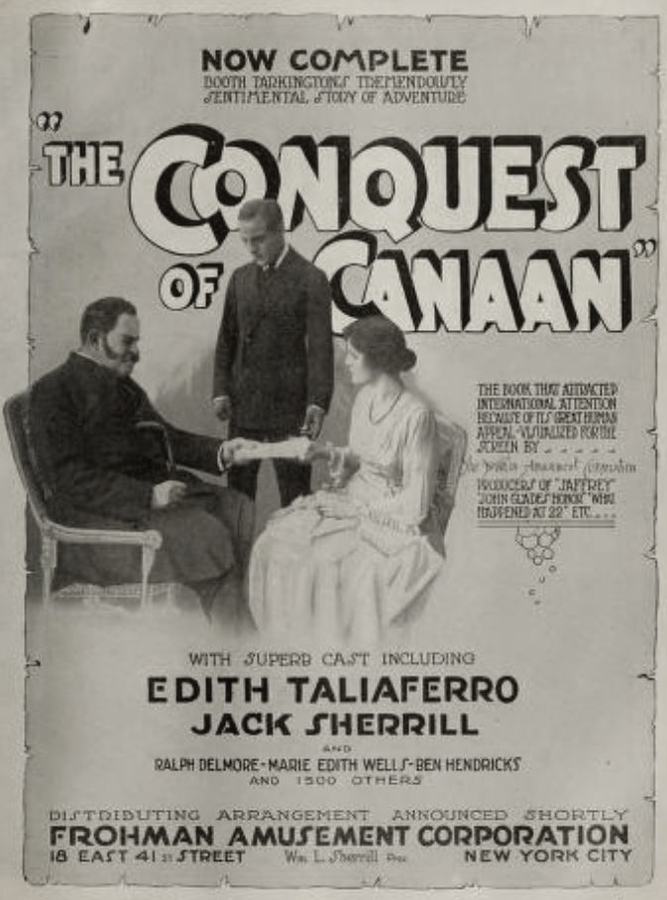
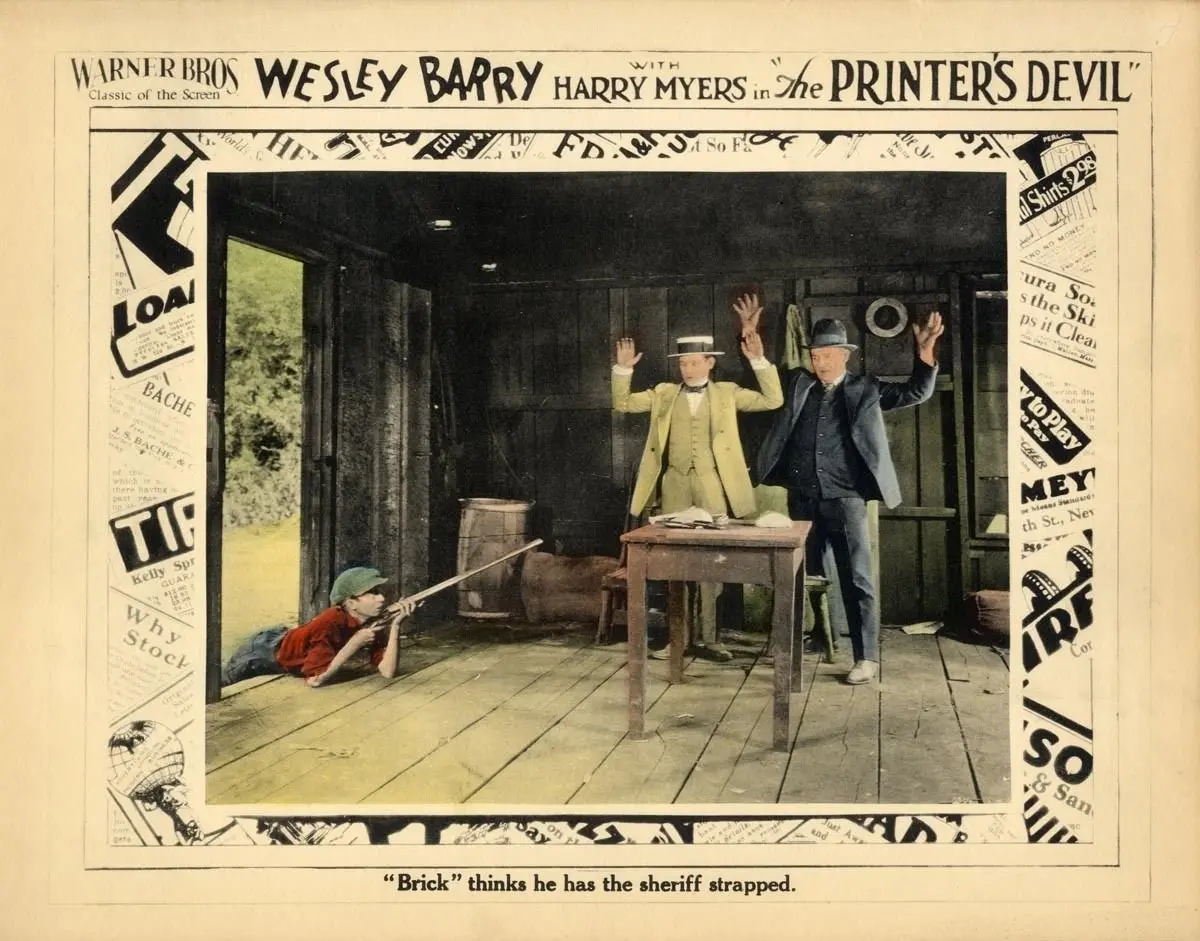
What makes a film a 'cult' object? It is rarely about quality in the traditional sense; rather, it is about a specific kind of narrative friction. When we examine early works like The Conquest of Canaan or the gritty realism of The Printer's Devil, we see the blueprint of the outsider hero. These films presented characters who were often at odds with their societies—ne'er-do-wells, printers' devils, and reformed scoundrels who mirrored the audience's own sense of alienation. This connection is the heartbeat of cult worship.
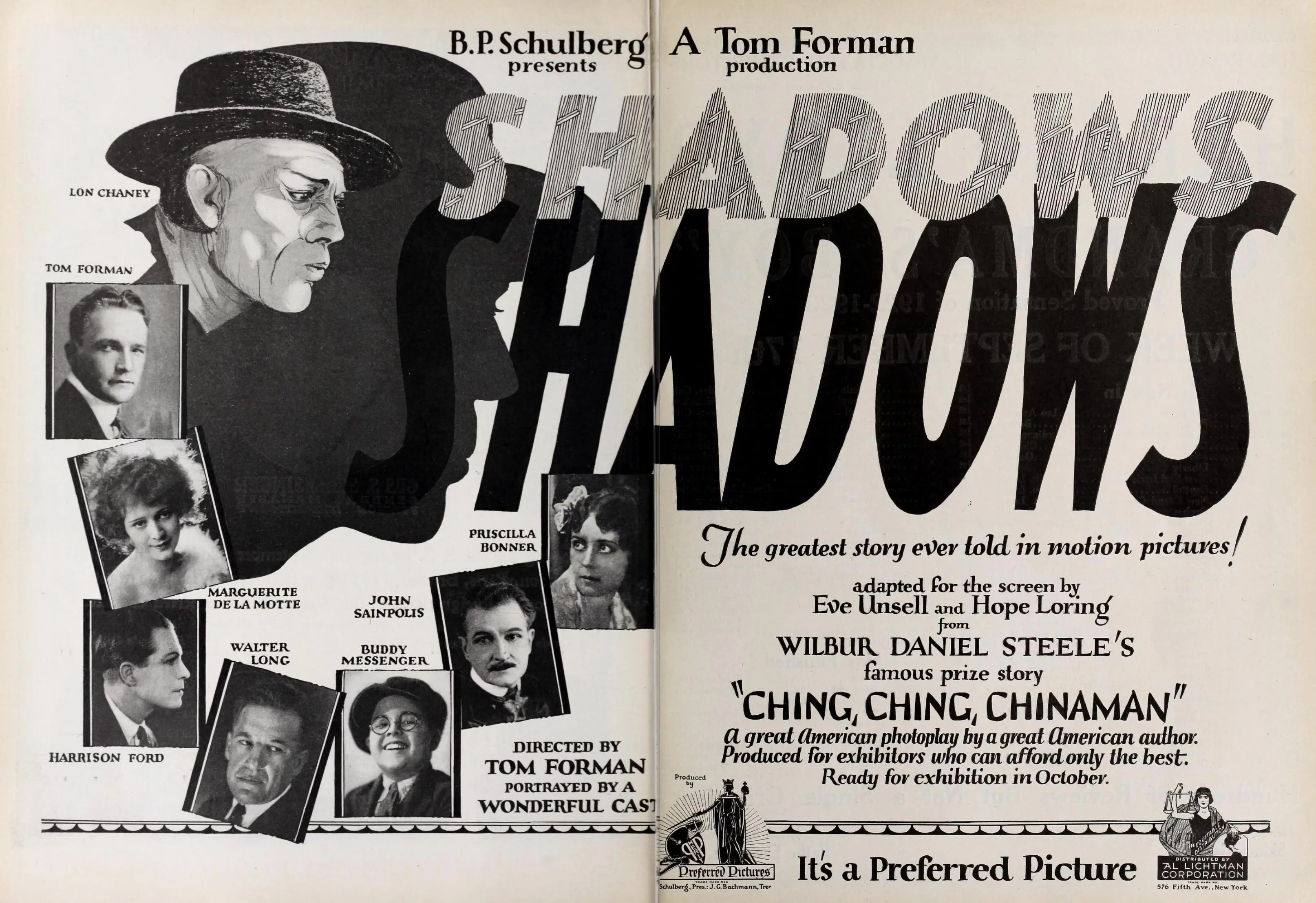
Take, for instance, The Phantom, a film centered on a 'cleverest crook' in the world. The fascination with the transgressive—the criminal who operates with a sense of style and intellect—is a direct ancestor to the anti-heroes of the 1970s counter-culture cinema. These early explorations of the 'crook with a heart of gold' or the 'dapper song plugger' in The Nth Commandment provided a safe space for audiences to explore the boundaries of morality and social expectation.
The Slapstick Subversion: Comedy as a Weapon
While drama provided the emotional weight, the short-form comedies of the era offered a different kind of rebellion. Works like His Royal Slyness and Pop Tuttle's Long Shot utilized absurdity to lampoon the very structures of power they appeared to support. When Harold Lloyd’s book salesman impersonates a prince, he isn't just generating laughs; he is exposing the fragility of class and royalty. This tradition of the 'impersonator' or the 'bumbling husband' seen in Meyer from Berlin is a precursor to the surrealist humor that defines modern cult hits.

Even more fascinating are the 'industrial' comedies like The Gum Riot. By introducing a bottle of liquor into a gum factory vat, the film creates a chaotic, almost dadaist scenario that predates the 'drug-induced' comedies of the later century. These films were the underground experiments of their time, often relegated to the bottom of a double bill but remembered by those who craved something beyond the polite society dramas of the era.
The Melodrama of the Macabre: Taboo and Transformation
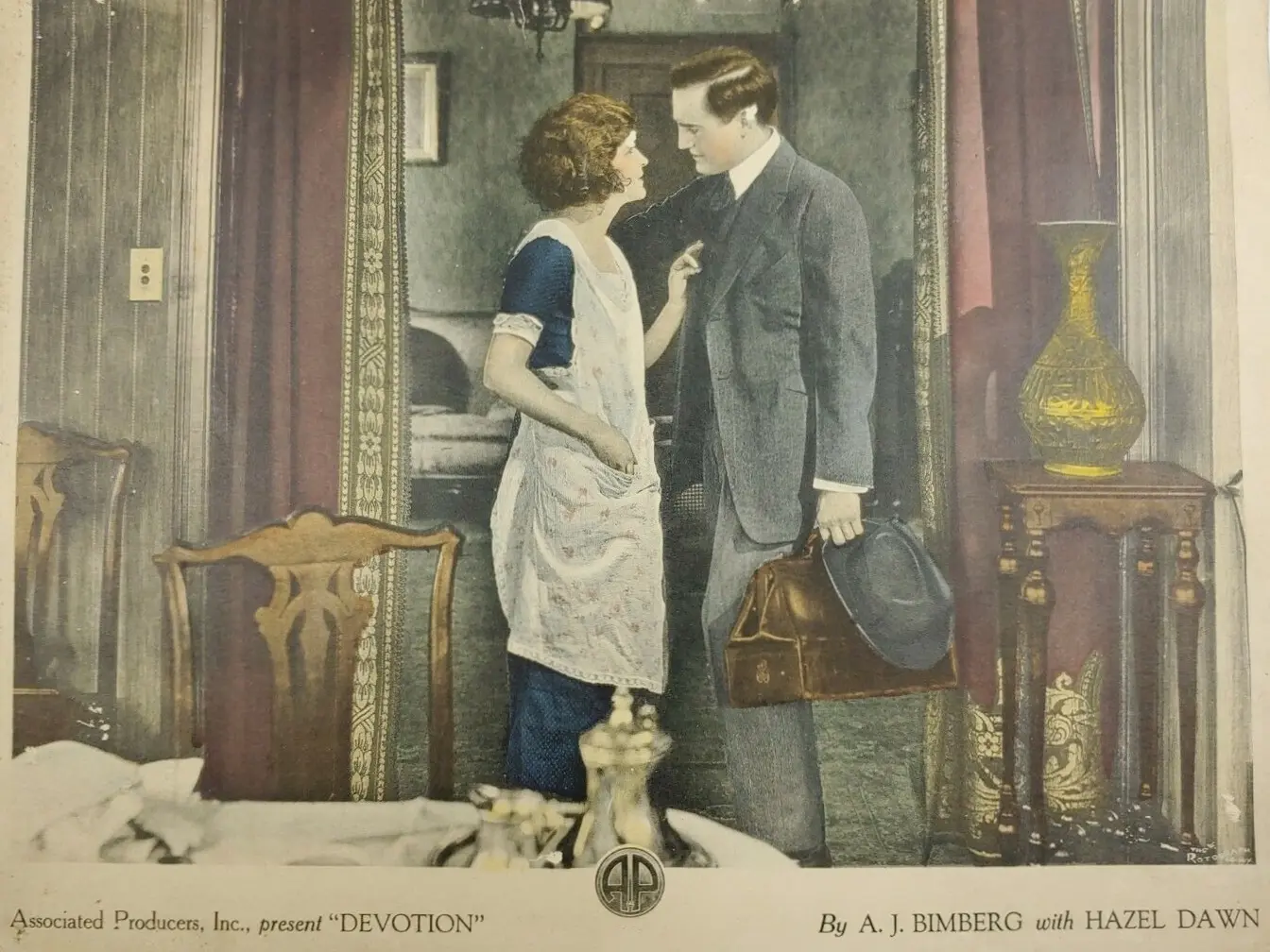
Cult cinema thrives on the forbidden. In the early days, this meant exploring themes of seduction, ruin, and obsession that would later be sanitized by the Hays Code. The Spider and the Fly is a harrowing example of this, depicting a young man’s descent into alcoholism and the seductive power of a 'femme fatale' long before the noir era popularized the trope. The raw, unfiltered look at human failure in films like Hearts in Exile or the tragic weight of Five Days to Live created a sense of 'forbidden fruit' for the early cinephile.
The visual language of these films also contributed to their cult potential. La maison du mystère, with its imaginative wedding scene shot in silhouette, utilized lighting and shadow to evoke a sense of mystery and crime that stayed with the viewer. This aesthetic of the 'unseen' and the 'suggested' is a hallmark of the cult experience, where the viewer's imagination fills in the gaps left by a low budget or technical limitation.
The Technological Misfit: Sound and Color as Curiosities
Innovation often breeds eccentricity. Some of the most enduring cult objects are those that experimented with new technology before it was perfected. The Toll of the Sea, an early Technicolor experiment, offered a visual palette that was both beautiful and alien to contemporary audiences. Similarly, Cohen on the Telephone, a sound-on-film short, captured the novelty of the human voice in a way that felt almost like a séance. These films weren't just movies; they were technological artifacts that invited a specific kind of obsessive scrutiny.
When we look at Zakovannaya filmoi (Enchained by Film) or the Lisbon-based Pratas Conquistador, we see how the cult phenomenon crossed borders. These films were often 'replicas' or responses to global trends, yet they carried a local flavor that made them unique. Pratas, as a Portuguese replica of Chaplin, represents the 'remix culture' that is so prevalent in modern fandom. It is the act of taking something familiar and twisting it into something new, something slightly 'off,' that captures the cult imagination.
The Ritual of Rediscovery: Why the Fringe Endures
The journey of a cult film is one of resurrection. Many of the films mentioned here, such as Wanted: A Home or Children Not Wanted, dealt with social outcasts—orphans, homeless women, and those on the margins. The fact that these films were often lost or forgotten only adds to their allure. To find a copy of The Drivin' Fool today is to participate in a cinematic archeology. We are not just watching a movie; we are uncovering a hidden history of rebellion.
The themes of these early films—the conflict between ranchers and homesteaders in West of the Rio Grande, the battle against outlaws in Riders of the Law, or the domestic chaos of The Devilish Romeo—reflect a world in flux. Cult cinema has always been the barometer of a society's anxieties. In the 1920s, as the world moved away from the horrors of WWI (captured in documentaries like Heroes All), the audience sought out stories that mirrored their own sense of disorientation and hope.
The Legacy of the Outlier
Modern cult cinema owes everything to these early genre mutants. The 'speed-mad' protagonist of The Drivin' Fool is a direct ancestor to the high-octane heroes of the grindhouse era. The 'french doll' exploited by her father in The French Doll prefigures the complex explorations of gender and agency in contemporary indie film. Even the bumbling flirtations in Flips and Flops or Oh, Promise Me speak to the universal human experience of social awkwardness—a key ingredient in the 'relatable outsider' trope.
As we look forward, the 'neon afterlife' of these films continues to glow. Digital restoration and niche streaming services have allowed a new generation to worship at the altar of the unconventional. Whether it is the silent intensity of Souls Enchained or the boxing comedy of Jim Bougne, boxeur, these films remind us that the most interesting stories are often found on the edges of the frame. They are the rebels, the misfits, and the dreamers who refused to follow the script, and in doing so, they created a legacy of cinematic devotion that will never truly fade to black.
In conclusion, the 'cult' is not a category of film, but a way of seeing. It is the ability to find beauty in the broken, meaning in the bizarre, and a community in the obscure. By celebrating the early genre rebels like The Hillcrest Mystery or the quirky charm of A Model Messenger, we honor the primal spirit of cinema itself—a spirit that is, and always will be, gloriously, unashamedly weird.
Community
Comments
Log in to comment.
Loading comments…