
Cult Cinema, Deep Dive, Editorial
From Obscurity to Icon: The Enduring Alchemy of Cult Cinema's Maverick Soul

“Dive deep into the enigmatic world of cult cinema, exploring how unconventional films defy mainstream expectations to forge indelible legacies and passionate, unwavering fandoms. This editorial unearths the unique characteristics that transform overlooked narratives into timeless cultural touchstone…”
In the vast, ever-expanding universe of film, certain celestial bodies burn brighter not because of their initial luminescence, but because of the gravitational pull they exert over time, drawing in orbits of dedicated devotees. These are the films of cult cinema – not merely movies, but phenomena, often born from obscurity or critical dismissal, only to achieve an enduring, almost sacred status among their fervent followers. What is it about these cinematic outcasts that transforms them from forgotten reels into cherished, repeat-viewed rituals? It's an alchemy of rebellion, stylistic audacity, and an uncanny ability to speak to the soul of an audience often overlooked by the mainstream.
The Genesis of the Unconventional: What Defines a Cult Film?
Defining 'cult cinema' is akin to trying to capture lightning in a bottle. It’s less about genre and more about reception, less about initial box office success and more about a sustained, passionate engagement. These are films that often defy easy categorization, pushing boundaries of narrative, visual style, or thematic content. They might be B-movies elevated to high art, misunderstood masterpieces, or transgressive works that challenge societal norms.
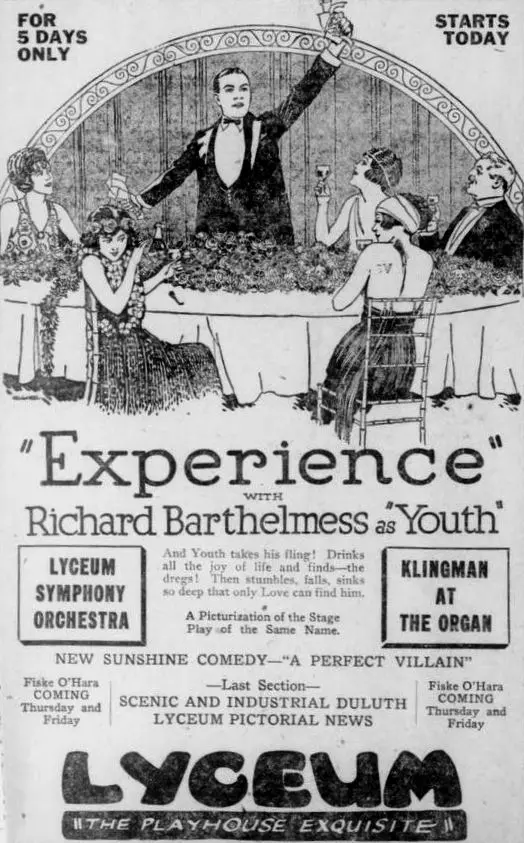
The true hallmark of a cult film is its ability to foster an intensely loyal, often participatory, fan base. These aren't passive viewers; they are active participants in a shared experience, whether through midnight screenings, elaborate cosplay, or endless dissection of every frame. Consider the inherent rebelliousness suggested by titles like The Rebellious Bride or the moral complexities hinted at in Thou Shalt Not Steal and A Woman's Honor. These early cinematic sparks, even if not cult films themselves, embody the thematic and narrative deviations that would later become synonymous with the cult aesthetic. They hint at a desire to explore the edges of human experience, to question the established order, and to find beauty or truth in the unconventional.
Beyond the Box Office: Finding Its Tribe
Many cult films were not critical darlings or commercial successes upon their initial release. In fact, many were outright failures. Yet, somewhere along their journey, they found their tribe. This often happens organically, through word-of-mouth, niche publications, or the serendipitous programming of repertory cinemas. The journey from mainstream rejection to cult embrace is a testament to their inherent power and unique voice.
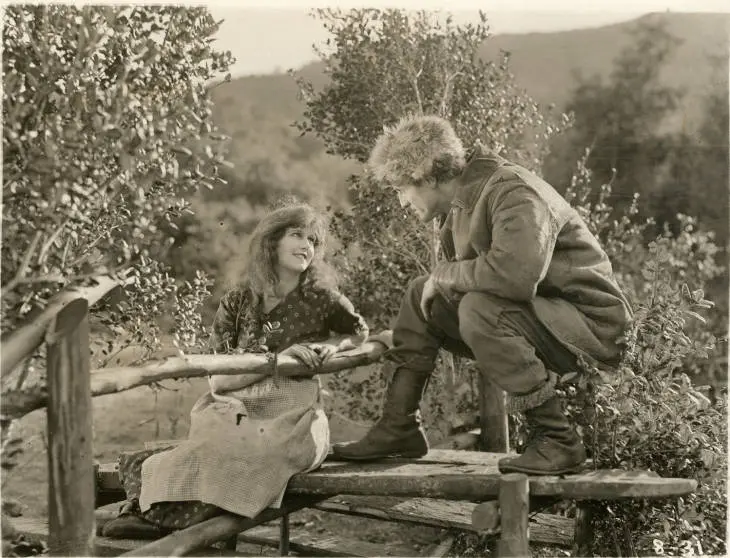
Take a film that, perhaps like the character in Cassidy, is initially adrift, seemingly lost in the vast cinematic ocean. It might be a strange comedy, like Mind Your Business or Hello, Mars!, whose humor was too off-kilter for general audiences. Or a drama, like The Bitter Truth, whose stark portrayal of reality was too confronting. These films, through their very 'otherness,' attract viewers seeking something different, something authentic, something that resonates with their own sense of being an outsider. This magnetic pull is a critical component of their enduring allure, transforming them into cinematic sanctuaries for the disenfranchised.
The Rebel Heart: Themes and Aesthetics of Cult Cinema
Cult cinema thrives on subversion. It delights in breaking rules, twisting expectations, and presenting perspectives that challenge the comfortable status quo. This inherent transgressive spirit is what makes these films so compelling and, at times, polarizing. They often delve into dark, uncomfortable, or taboo subjects, reflecting societal anxieties or hidden desires that mainstream cinema shies away from. The implied themes of forbidden desires or moral ambiguities in films such as In the Power of Opium or The Lash, despite their early origins, touch upon the very undercurrents that later generations of cult films would fearlessly explore.

Stylistic Audacity and Narrative Anarchy
Visually, cult films often stand apart. They might employ idiosyncratic camera work, unconventional editing, or a distinctive mise-en-scène that marks them as truly unique. Narrative structures can be experimental, non-linear, or deliberately confusing, requiring multiple viewings to fully grasp their intricate layers. This stylistic audacity is not merely for shock value; it's often integral to the film's message, creating a world that feels both familiar and unsettlingly alien. A film like Das Modell (even if its specific content is lost to time) might have hinted at an aesthetic preoccupation, a meticulous crafting of visual identity that would later become a hallmark of films celebrated for their unique look, regardless of their mainstream appeal.
The narratives themselves often feature anti-heroes, morally ambiguous characters, or protagonists on journeys of self-discovery that defy conventional arcs. They might explore themes of identity, alienation, rebellion against authority (as perhaps suggested by The Commanding Officer or Bodakungen), or the search for meaning in a chaotic world. These stories resonate deeply with audiences who feel a similar sense of detachment or a longing for alternatives to mainstream narratives.

The Power of Repetition and Ritual
One of the most defining aspects of cult cinema is the ritual of repeat viewing. These aren't films to be watched once and forgotten; they are to be absorbed, analyzed, and celebrated over and over again. Each viewing might reveal new details, hidden meanings, or simply deepen the audience's appreciation for its unique charms. This repetition fosters a profound intimacy between the film and its audience, transforming it into a personal touchstone.
The communal aspect of cult cinema is equally vital. Midnight screenings, fan conventions, and online forums become sacred spaces where devotees can share their passion, discuss theories, and celebrate their shared obsession. This collective experience elevates the film from mere entertainment to a cultural phenomenon, forging bonds between strangers united by their love for the unconventional. The joy and camaraderie hinted at in a title like The Life of the Party or His First Honeymoon, though likely traditional comedies, speak to the human desire for shared joyful experiences, which cult cinema provides in its own unique, often eccentric, way.
The Evolution of the Maverick: From Early Oddities to Modern Masterpieces
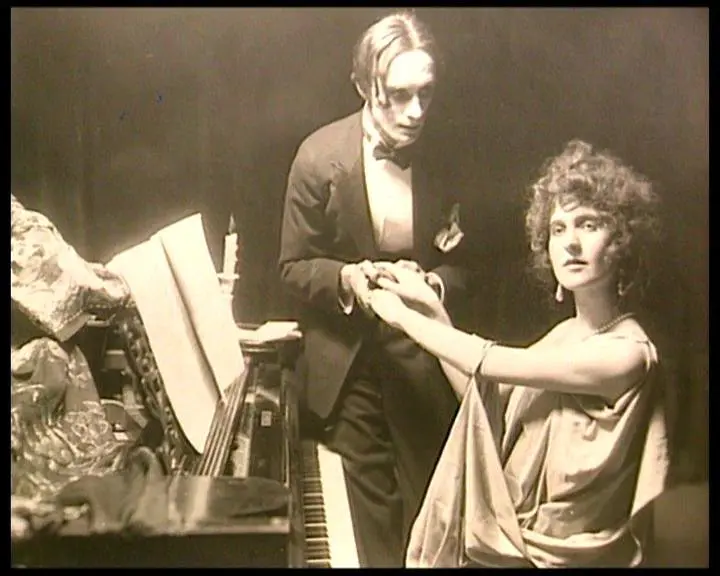
While the term 'cult film' gained prominence in the latter half of the 20th century, the seeds of this phenomenon were planted much earlier. Even in the nascent days of cinema, there were films that, for various reasons, stood apart. Perhaps they were technically experimental, thematically daring for their time, or simply possessed an inexplicable charm that resonated with a small but devoted audience. Films like The Eternal City, with its grand political intrigue and hidden family secrets, or Captain Swift, exploring complex personal histories, might have captured imaginations beyond their initial run, sparking conversations and repeat viewings among a select few. The very act of seeking out and preserving such early cinematic artifacts is, in itself, a form of cult devotion.
The silent era, in particular, produced numerous cinematic oddities and melodramas that, while not explicitly 'cult' in the modern sense, laid the groundwork for the transgressive and visually distinctive qualities that would later define the genre. The dramatic intensity of Rasskaz o semi poveshennykh or the moral dilemmas presented in Thou Shalt Not Steal demonstrate that filmmakers were already pushing against conventional storytelling, exploring darker facets of the human condition. These early explorations of intense drama, social commentary, and psychological depth were precursors to the complex, often unsettling narratives that cult audiences would later embrace.
The Midnight Movie Phenomenon
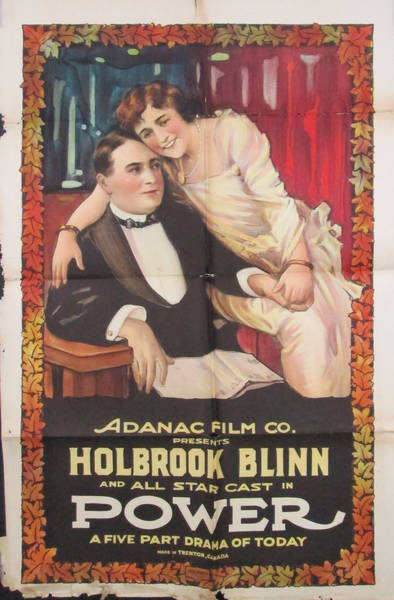
The true explosion of cult cinema as a recognized cultural force largely began with the 'midnight movie' phenomenon of the 1970s. These late-night screenings provided a haven for films that were too strange, too shocking, or too avant-garde for mainstream daytime audiences. It was in these darkened theaters, often filled with counter-culture enthusiasts, that films like Pink Flamingos, Eraserhead, and The Rocky Horror Picture Show found their spiritual home and solidified their legendary status. The atmosphere was electric, fostering audience participation and creating a sense of shared discovery and rebellion.
This era cemented the idea that a film's value isn't solely determined by critics or box office receipts, but by its ability to connect with a passionate, often marginalized, community. The 'midnight movie' became synonymous with cinematic freedom, a space where anything was possible, and the weirder, the better. This was the incubator for many of the maverick visions that continue to shape our understanding of cult cinema today.

Why We Worship: The Psychology of Cult Fandom
The devotion cult films inspire runs deep, often tapping into fundamental human needs for identity, community, and meaning. For many, these films offer a mirror to their own experiences, reflecting anxieties, desires, or a sense of being an outsider that mainstream media often ignores. A film exploring themes of social estrangement, perhaps like A Wide Open Town or even a simple short like The Blue Jay offering a different perspective, can provide profound validation.
Identity and Belonging
Cult films often provide a sense of belonging for those who feel alienated by conventional culture. By embracing a film that is considered 'weird' or 'niche,' fans forge a shared identity. They become part of an exclusive club, a community united by a common passion. This sense of belonging is incredibly powerful, transforming the act of watching a movie into a communal ritual that strengthens social bonds. The camaraderie found in shared experiences, even if they are about confronting societal expectations, is a powerful draw.

Escape and Catharsis
For some, cult films offer a form of escape, a departure from the mundane realities of everyday life into worlds that are fantastical, bizarre, or intensely dramatic. They provide a cathartic release, allowing viewers to confront fears, explore forbidden thoughts, or simply revel in the sheer absurdity of it all. Whether it's the thrill of adventure in The Life of the Party or the intense drama of Southern Justice, these films offer emotional experiences that are often more potent and unfiltered than their mainstream counterparts.
Intellectual Stimulation and Artistic Appreciation
Beyond the emotional and social aspects, cult films also appeal to a desire for intellectual stimulation and a deep appreciation for artistic innovation. Their complex narratives, stylistic flourishes, and often ambiguous meanings invite analysis and interpretation, turning viewers into active critics and scholars. The layers of meaning, the subtle visual cues, and the daring narrative choices provide endless fodder for discussion and debate, enriching the viewing experience far beyond a single watch.

The Enduring Legacy: Cult Cinema's Place in History
Far from being mere footnotes in cinematic history, cult films have profoundly influenced mainstream cinema and popular culture. Their experimental techniques, taboo themes, and unconventional storytelling methods have often paved the way for future cinematic trends. What starts as a fringe movement often percolates into the mainstream, proving that yesterday's anomaly can become tomorrow's inspiration. The very existence of films like Her Country First or Guarding Old Glory, despite their likely patriotic themes, underscores how cinema, even in its early forms, could capture and reflect cultural sentiments, paving the way for later films to subvert or reinterpret those very ideals.
The enduring power of cult cinema lies in its refusal to conform. It celebrates the weird, the wonderful, and the utterly unique. It reminds us that art doesn't always need mass appeal to be profoundly impactful. Sometimes, the most meaningful connections are forged in the shadows, among a dedicated few who understand the secret language of the screen. These are the films that, like an ancient, hidden artifact, continue to reveal new facets with each passing generation, their allure never diminishing but only deepening with time.

From the silent era's intriguing dramas and quirky comedies, like The Slavey or Lady Windermere's Fan, which may have been appreciated for their novelty or specific performances, to the boundary-pushing midnight movies of subsequent decades, the thread of the unconventional runs strong. These films, whether they were about love and deception like For Husbands Only, or grand adventures like The Lad and the Lion, contributed to a tapestry of cinematic expression that was diverse and often surprising. It is this rich history of defying expectations, of offering something truly different, that cements cult cinema's vital and irreplaceable role in the cultural landscape.
In a world increasingly driven by algorithms and blockbuster formulas, cult cinema stands as a defiant beacon, a testament to the power of independent vision and the enduring human desire for authentic, unfiltered storytelling. It’s a realm where obscurity transforms into iconography, where maverick visions forge unbreakable bonds, and where the soul of cinema truly finds its most passionate and enduring expression. The journey from fringe to phenomenon is not just a narrative for these films, but a continuous, living testament to their magnetic, unforgettable power.
Community
Comments
Log in to comment.
Loading comments…