
Cult Cinema
The Ochre Outcast: How Early Film’s Transgressive Archetypes Birthed the Modern Cult Mindset
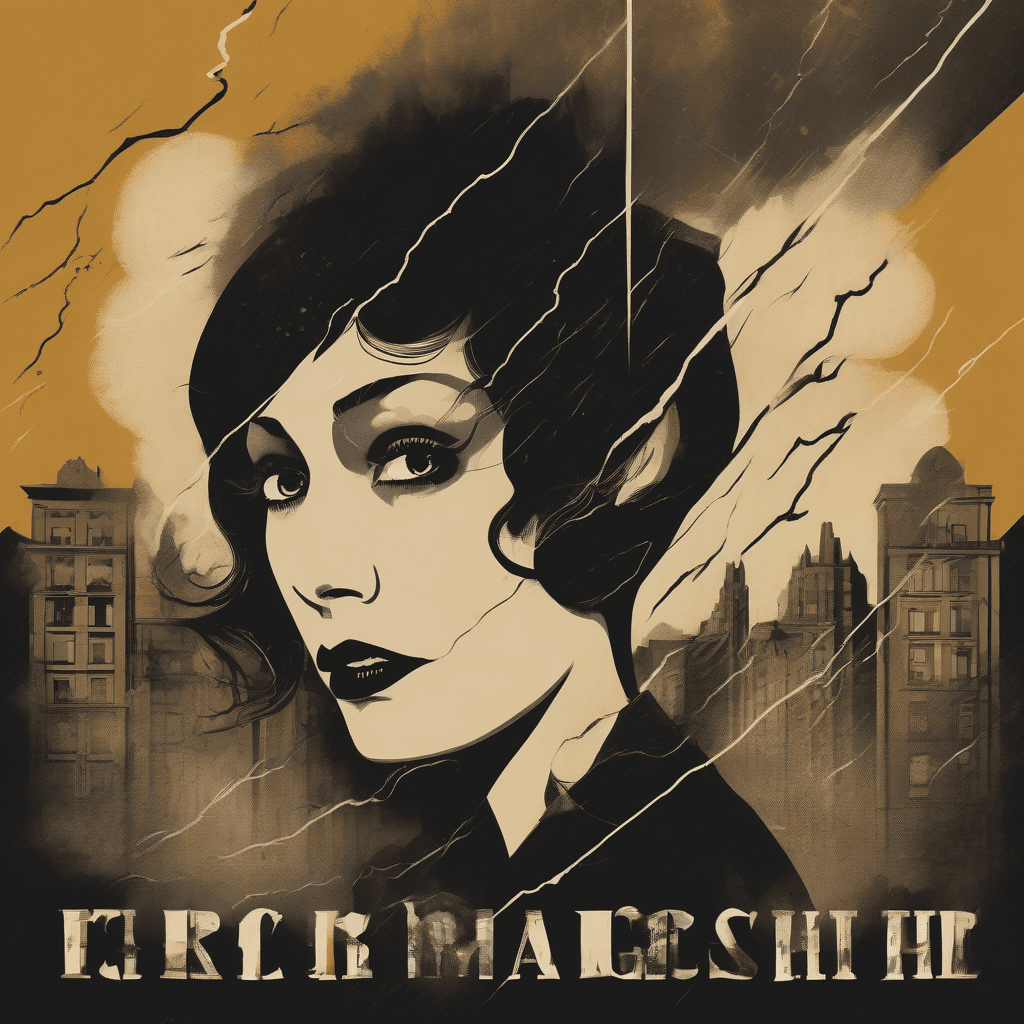
“An in-depth exploration of the silent era's most subversive films and how they established the genetic blueprint for modern cult cinema and niche devotion.”
The term cult cinema usually conjures images of the 1970s midnight movie circuit—sticky floors, smoke-filled theaters, and the ritualistic viewing of the avant-garde. However, the genetic blueprint of this niche devotion was drafted decades earlier. Long before the term was popularized, a cadre of celluloid outlaws was already dismantling social norms and genre expectations in the flickering shadows of the 1910s and early 1920s. These early works, ranging from gender-bending comedies to visceral psychological dramas, provided the primordial soup from which modern transgressive cinema emerged.
The Subversive Heiress and the Architecture of Scandal
In 1917, the film Scandal introduced audiences to Beatrix Vanderdyke, an irresponsible young heiress whose indiscreet visits to an artist’s studio create a social firestorm. While contemporary critics might have viewed this as a simple morality play, the film actually functions as a proto-cult text by centering on a protagonist who navigates the world through deception and social manipulation. Beatrix’s attempt to extricate herself by claiming a fake relationship with Pelham Frank is a classic trope of the outcast narrative, where the protagonist must subvert the truth to survive a judgmental society.
This theme of social friction is echoed in The Education of Mr. Pipp, where a Pittsburgh family attempts to buy their way into New York society. These narratives of class-climbing and social performance are the precursors to the 'camp' aesthetic that defines much of today’s cult fandom. They highlight the absurdity of the status quo, a foundational element for any film seeking to attract a devoted, alternative following.
Gender Fluidity and the Renegade Identity
One of the most potent elements of cult cinema is its willingness to challenge gender norms. In the 1910s, this was often handled through the lens of comedy, but the underlying subversion was undeniable. Two-Gun Betty is a landmark in this regard. When Betty Craig bets that she can disguise herself as a man to get a job on a ranch, she isn't just engaging in a lighthearted prank; she is performing a radical act of identity deconstruction. By successfully fooling the ranch hands, Betty proves that gender is a costume—a concept that would later become a cornerstone of cult classics like The Rocky Horror Picture Show.
Similarly, The Deadlier Sex features Mary Willard, a woman who takes over her father’s railroad and outmaneuvers her ruthless male competitor by kidnapping him and taking him to the wilderness. This reversal of the 'damsel in distress' trope reflects a rebel spirit that resonated with audiences tired of conventional Victorian archetypes. These films didn't just entertain; they offered a blueprint for the 'strong female lead' that would eventually populate the grindhouse and exploitation genres of the 1970s.
Psychological Fractures and the Birth of the Weird
Cult cinema thrives on the 'weird'—the moments of psychological or visual dissonance that linger in the mind long after the credits roll. The silent era was rife with these anomalies. Krzyk (The Scream) is a haunting example. When a man throws his wife out in a jealous rage, her scream of despair becomes a permanent auditory hallucination that haunts him. This use of a sensory 'ghost' to drive a narrative is a sophisticated precursor to the psychological horror genre. It speaks to the primal deviance that cult audiences crave—the exploration of the mind's darkest corners.
Another fascinating entry is The Two-Soul Woman, which explores what we now call dissociative identity disorder through a narrative involving a villainous hypnotist. The concept of the 'split self' is a recurring motif in cult cinema, representing the internal conflict between societal expectations and repressed desires. These films were the 'midnight movies' of their time, offering a space to explore taboo subjects like mental illness and hypnotic control under the guise of melodrama.
Visual Anarchy and Political Satire
The visual language of the early fringe was often as radical as its subject matter. El apóstol, the world's first animated feature film from Argentina, utilized a surrealist aesthetic to depict a president burning a city with Jupiter's thunderbolts. This level of political satire, combined with the then-experimental medium of animation, marks it as a work of visual anarchy. Though much of it is lost to time, its legacy as a subversive masterpiece remains a point of fascination for film historians and cult enthusiasts alike.
In the realm of live-action, The Knickerbocker Buckaroo showcased a different kind of visual play. With Douglas Fairbanks appearing in a prologue as a chef mixing a 'cake' of genres—action, mystery, and pep—the film meta-textually acknowledges its own construction. This self-awareness is a hallmark of cult cinema, where the audience is 'in on the joke' or the specific stylistic choices of the director.
Moral Outlaws and the Ethics of the Fringe
The 'cult' film often centers on characters who operate outside the traditional moral binary. The Cossack Whip presents a harrowing tale of revenge where the protagonist, Turov, massacres a village he believes is infested with rebels. The moral complexity of such a character—and the visceral nature of the violence depicted—prefigures the gritty, uncompromising tone of the New Hollywood era. It challenges the viewer to sympathize with the 'villain' or at least to understand the systemic trauma that drives their actions.
We see a similar defiance in Lulu, where a circus dancer lives as a 'thoroughly liberal being.' Her refusal to adhere to traditional romantic structures, and the tragic consequences that follow, position her as a martyr of the fringe. Lulu is a character who lives by her own rules, a trait that has always commanded the devotion of those who feel alienated by mainstream culture.
Genre Mutations: From Westerns to Gothic Romance
The silent era was a laboratory for genre mutation. The Fighting Streak takes the peace-loving blacksmith archetype and thrusts him into a world of accidental violence and flight, blending the Western with the fugitive drama. Meanwhile, The Hundredth Chance offers a gothic romanticism where a woman withholds herself from her husband until her brother is cured, creating a tension that is both psychological and physical. These films refused to stay in their lanes, mixing elements of romance, drama, and thrillers in ways that felt unpredictable.
Even the short-form comedies of the era, like A Bear, a Boy and a Dog, displayed a bizarre logic that would later influence the absurdist humor of cult hits. A boy going on 'strike' from his mother is a small act of rebellion that resonates with the broader theme of challenging authority. These 'minor' works contributed to a larger culture of cinematic defiance, proving that subversion can be found even in the most innocent-seeming narratives.
The Legacy of the Forgotten Reels
Many of these films, such as Damaged Goods or Fruits of Passion, dealt with subjects that were considered scandalous or 'damaged' by the standards of the day. Yet, it is precisely this 'damaged' quality that makes them so attractive to the modern cult gaze. We look back at The Lash of Destiny and see the timeless story of the country girl lost in the big city, but with an edge of dissatisfaction that feels startlingly modern.
The devotion we feel toward cult cinema is essentially a search for cinematic soulmates—films that speak a secret language of rebellion, weirdness, and truth. Whether it is the dual personality in The Two-Soul Woman or the highwayman’s desperate ride in Dick Turpin's Ride to York, these stories offer a sanctuary for the unconventional. They remind us that the 'midnight mindset' wasn't invented in a vacuum; it was forged in the nitrate fires of the early 20th century by filmmakers who dared to look beyond the marquee and into the beautiful, messy heart of the human experience.
In conclusion, the Ochre Outcast is not just a figure from the past; it is the living spirit of every film that refuses to conform. By unearthing these silent-era anomalies, we gain a deeper understanding of why we continue to congregate in the dark, waiting for the flicker of the strange to illuminate our own hidden rebellions. From Miss Hobbs's 50-year-ahead-of-her-time feminism to the surreal destruction in El apóstol, the roots of cult cinema are deep, tangled, and eternally transgressive.
Community
Comments
Log in to comment.
Loading comments…