
Cult Cinema
The Original Deviants: Mapping the Subversive Roots of Cult Cinema in the Silent Era's Forgotten Reels
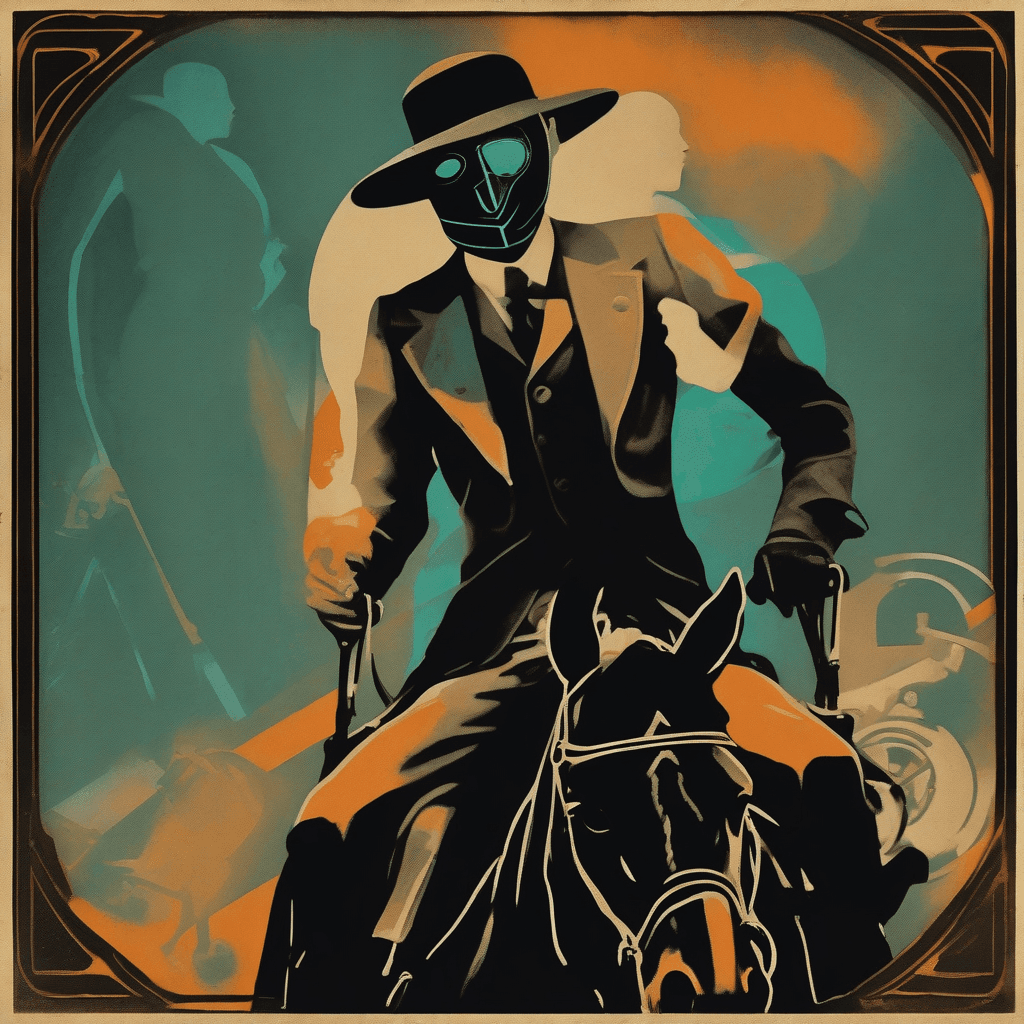
“An exploration into the transgressive and unconventional roots of cult cinema, tracing the DNA of midnight movies back to the daring and deviant films of the 1910s and early 1920s.”
Long before the midnight movie became a staple of suburban counter-culture, and decades before the term "cult cinema" was even coined by critics, the seeds of the unconventional were sown in the flickering, nitrate-scented shadows of the early 20th century. To understand the modern obsession with the weird, the transgressive, and the misunderstood, we must look back at the era of 1910 through 1921—a period often dismissed as primitive, yet one that harbored the very genetic rebellion that would later define the works of Jodorowsky, Lynch, and Waters. This was an era where the rules of narrative were still being forged, allowing for a level of genre-bending and moral ambiguity that would later be stifled by the Hays Code.
The Genesis of the Cinematic Outlaw: Violence and Serial Anarchy
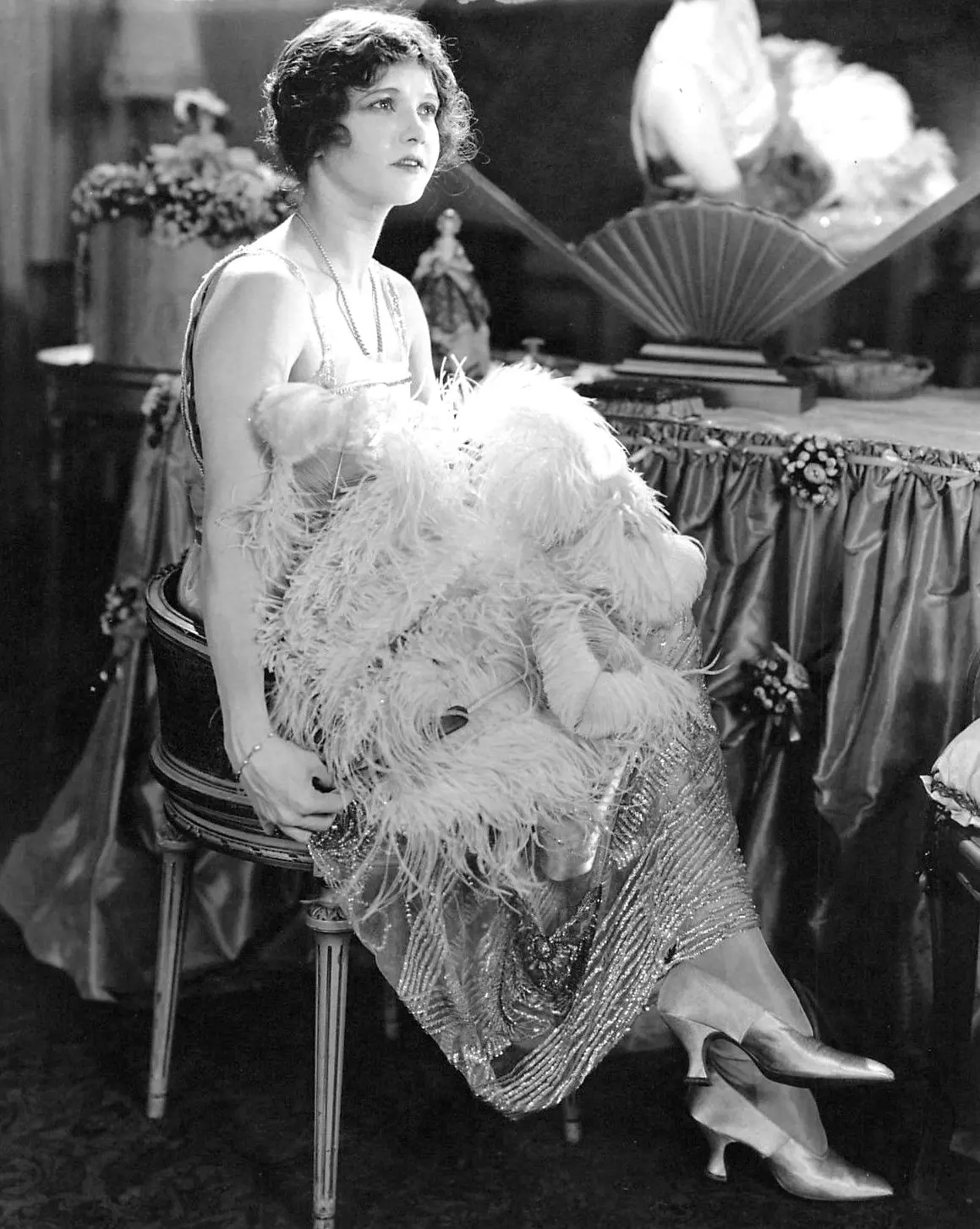
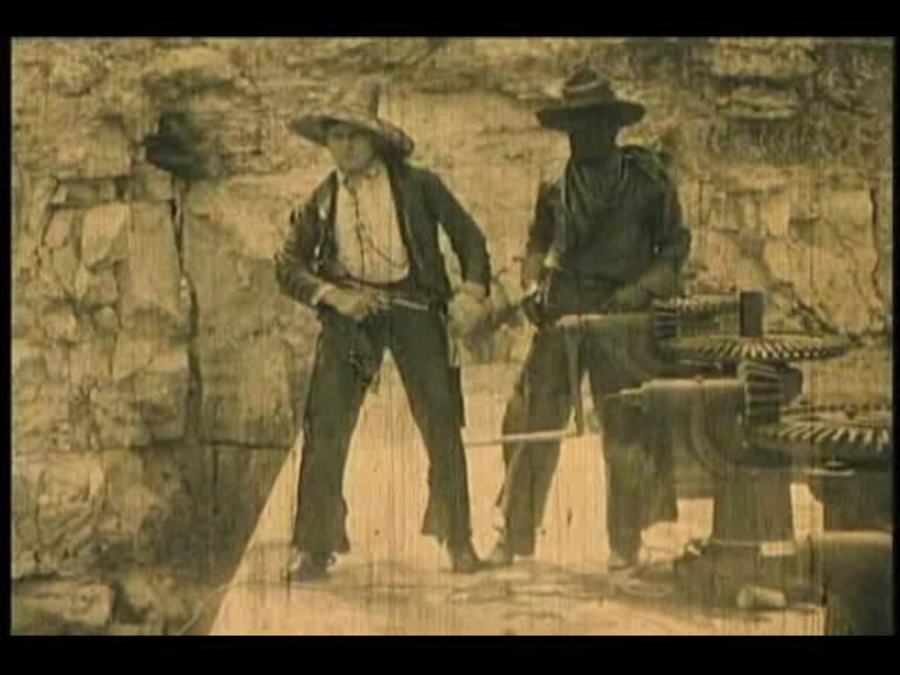
The primal pulse of cult cinema is often found in its willingness to embrace spectacle and violence over traditional narrative cohesion. Consider the 1919 serial The Masked Rider. In an age where cinema was still finding its footing, this fifteen-episode saga presented a level of violence on the Texas-Mexico border that shocked contemporary audiences. It wasn't just a story of law and order; it was a gritty, dusty precursor to the spaghetti western and the grindhouse aesthetic. The imagery of Captain Jack of the Texas Rangers navigating a landscape of sworn oaths and impending doom mirrors the high-stakes, lawless environments that modern cult fans crave. Similarly, The Battle of Shiloh brought the visceral reality of conflict to the screen, pitting brother against sister in a Confederate-Federal divide that bypassed simple melodrama for something far more haunting.
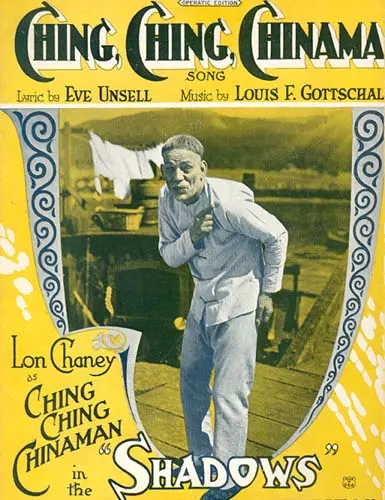
These early works established the "Outlaw" archetype—not just in their characters, but in their very production. They operated on the fringes of what was considered polite entertainment. The serial format itself, with its cliffhangers and repetitive cycles of peril, created a dedicated, recurring viewership that parallels the modern "fandom." When we watch these grainy frames today, we see the blueprint for the midnight movie: a commitment to stylized intensity that values the thrill of the moment over the sanctity of the script.
Social Taboos and the Dark Side of Domesticity
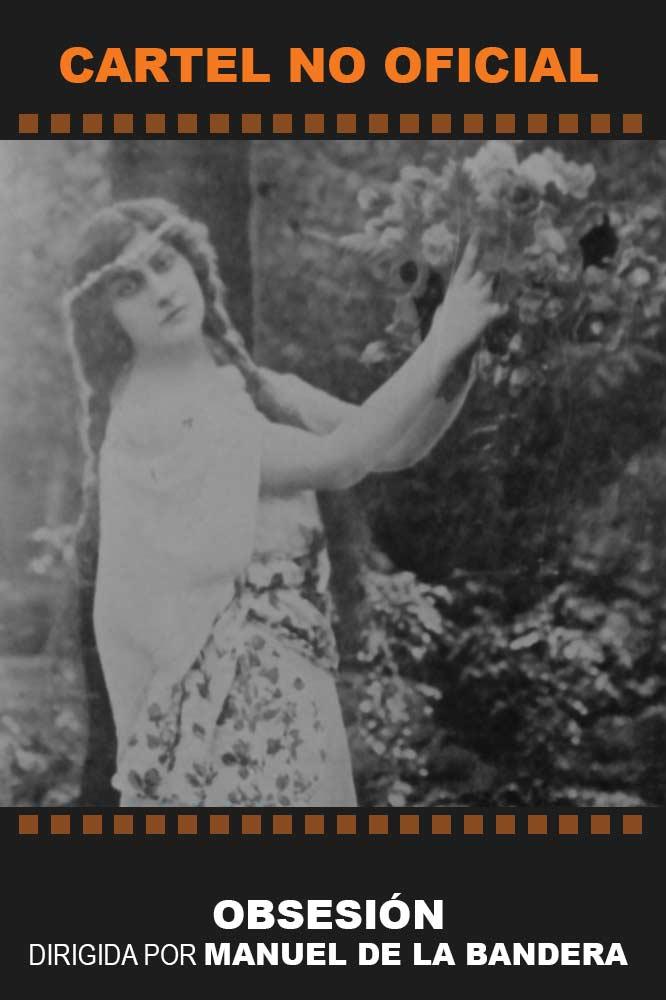
If violence provided the skeletal structure of cult cinema, then social transgression provided its soul. The films of the late 1910s were surprisingly adept at peering behind the curtain of domestic bliss to find something rotting underneath. Women Men Forget (1920) serves as a prime example of the "domestic deviant" subgenre. The story of Mary Graham, whose husband becomes openly infatuated with her school friend, doesn't offer the easy moral resolutions of a Victorian novel. Instead, it presents a woman powerless against an affair, a theme that resonates with the transgressive cinema of the 1970s which sought to dismantle the nuclear family unit.
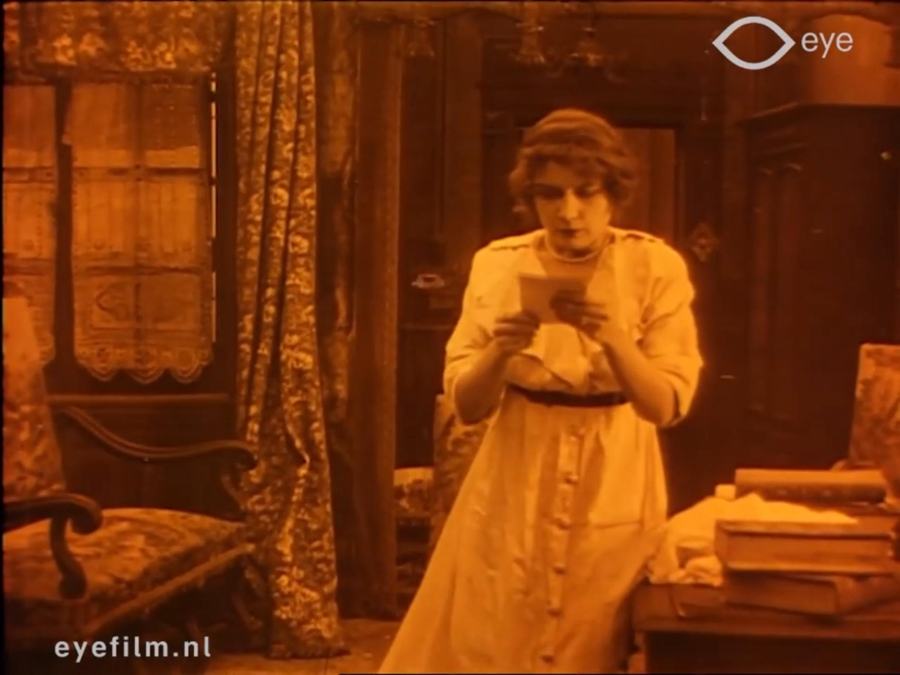
This exploration of the darker impulses of the human heart continued in works like Drankersken, a harrowing look at hereditary alcoholism. By depicting Ada von Junghaus's relapse into addiction while her husband is away on duty, the film tackled a taboo subject with a frankness that would later be sanitized. This "moral mutation" is a key component of the cult ethos; it is the willingness to look at the "ugly" parts of society—the addicts, the misers, and the betrayed—and find a narrative rhythm within them. Even Silas Marner (1916), though based on classic literature, leans into the cult aesthetic by focusing on the transformation of a kind weaver into a "nasty, bitter, lonely old miser." Cult cinema has always had a home for the recluse and the social pariah, and Silas Marner is their patron saint.
The Absurdist Spark: When Comedy Went Surreal
One cannot discuss cult cinema without acknowledging the role of the absurd. The "weirdness" factor is what often elevates a standard film to legendary status among niche audiences. In the early 1920s, this was found in the most unexpected places. Take Why Cooks Go Cuckoo (1920), where a chef's primary occupation is keeping on friendly terms with a "trained oyster." This level of non-sequitur humor is the direct ancestor of the surrealist comedies that populate modern cult festivals. It defies logic in favor of a dream-like, often nonsensical reality.
Animation also played a vital role in this development. Felix Gets Revenge (1922) showcases the early subversive power of the medium. Felix the Cat wasn't just a cartoon; he was a manifestation of the anarchic spirit. Chased out of houses and striking up forbidden friendships, Felix represented the "other." The visual language of The Hinges on the Bar Room Door and Uncle Tom's Caboose utilized burlesque and parody to dismantle established cultural pillars, a technique that remains a cornerstone of cult subversion today. These shorts weren't just filler; they were laboratory experiments in visual anarchy.
Poverty, Slums, and the Beauty of the Outcast
The cult gaze is often directed toward the periphery of society, and the films of 1919-1921 were obsessed with the friction between the classes. The Hoodlum, starring Mary Pickford, is a pivotal text in this regard. A spoiled rich girl forced to survive in the slums and alleys, Pickford's character undergoes a transformation that is less about "redemption" and more about the raw reality of survival. The "unpleasantness" she encounters in the backstreets provides a gritty texture that contrasts sharply with the polished dramas of the era. This fascination with the urban underworld is echoed in The Woman God Sent and The Writing on the Wall, the latter of which exposes the corruption of wealthy tenement owners.
These films didn't just depict poverty; they romanticized the resilience of the outcast. The Only Road gives us Nita, a "tomboy" selling vegetables who must fight off attackers in a sleepy California town. She is the quintessential cult heroine: independent, rough around the edges, and operating outside the traditional feminine norms of her time. The Maverick Soul of cinema is found in these characters who refuse to conform, whether they are fighting for their lives in the slums or wandering the snow-covered peaks in The Long Trail.
The Alchemical Blend of Genre and Morality
As we move into the early 1920s, we see the emergence of what we might call "proto-noir." Forbidden Fruit (1921) is a masterclass in moral ambiguity. When a seamstress is hired to act as an escort for a millionaire, while her own husband attempts blackmail, the lines between hero and villain become hopelessly blurred. This is the narrative anarchy that cult fans adore—the sense that anyone can fall, and that the "forbidden" is often more enticing than the "righteous."
The era also experimented with international flavors that added to the "exotic" allure of the fringe. Op hoop van zegen, a Dutch tragedy about a fisherman's wife sending her sons to sea on a rotting boat, brings a level of fatalistic realism that feels modern in its bleakness. Meanwhile, The Demon takes the audience to Africa in search of a dead cousin, blending adventure with the sultan's mystery. This global reach, from the fishing villages of the Netherlands to the sultanates of Africa, mirrors the way cult cinema today draws from a worldwide archive of the strange. Films like A napraforgós hölgy and Manden med de ni Fingre V further illustrate the period's obsession with the mysterious and the multi-layered, proving that the "cult" appetite for complex, non-linear storytelling was present from the start.
Conclusion: The Enduring Legacy of the Silent Misfit
Why do we still watch these films? It is not merely for historical curiosity. We watch them because they contain the primordial DNA of our own cinematic obsessions. Whether it is the absurdist comedy of The Little Cafe, where a millionaire must live as a waiter, or the high-society scandals of La Belle Russe and The Fighting Chance, these stories were the first to realize that the screen is a place where the unconventional can thrive. They taught us that a film doesn't have to be perfect to be powerful; it just has to be different.
The legacy of the 1910s and early 20s is a testament to the rebel heartbeat of the medium. From the violent serials to the surrealist shorts, the early pioneers were the original genre deviants. They built the Celluloid Altar upon which modern cinephiles still worship. As we dig through the archives of Integritas, The Victim, and The Love Expert, we aren't just looking at old movies—we are looking at the birth of a movement. We are looking at the moment the fringe became the focus, and the outcast became the icon. The next time you find yourself at a midnight screening of a modern masterpiece, remember the trained oysters, the masked riders, and the hoodlums of the silent era. They were there first, flickering in the dark, waiting for the world to catch up to their maverick vision.
Community
Comments
Log in to comment.
Loading comments…