
Cult Cinema Deep Dive
The Outcast’s Incantation: Unveiling the Proto-Cult Magic and Maverick Soul of Early Cinema’s Forgotten Fringe
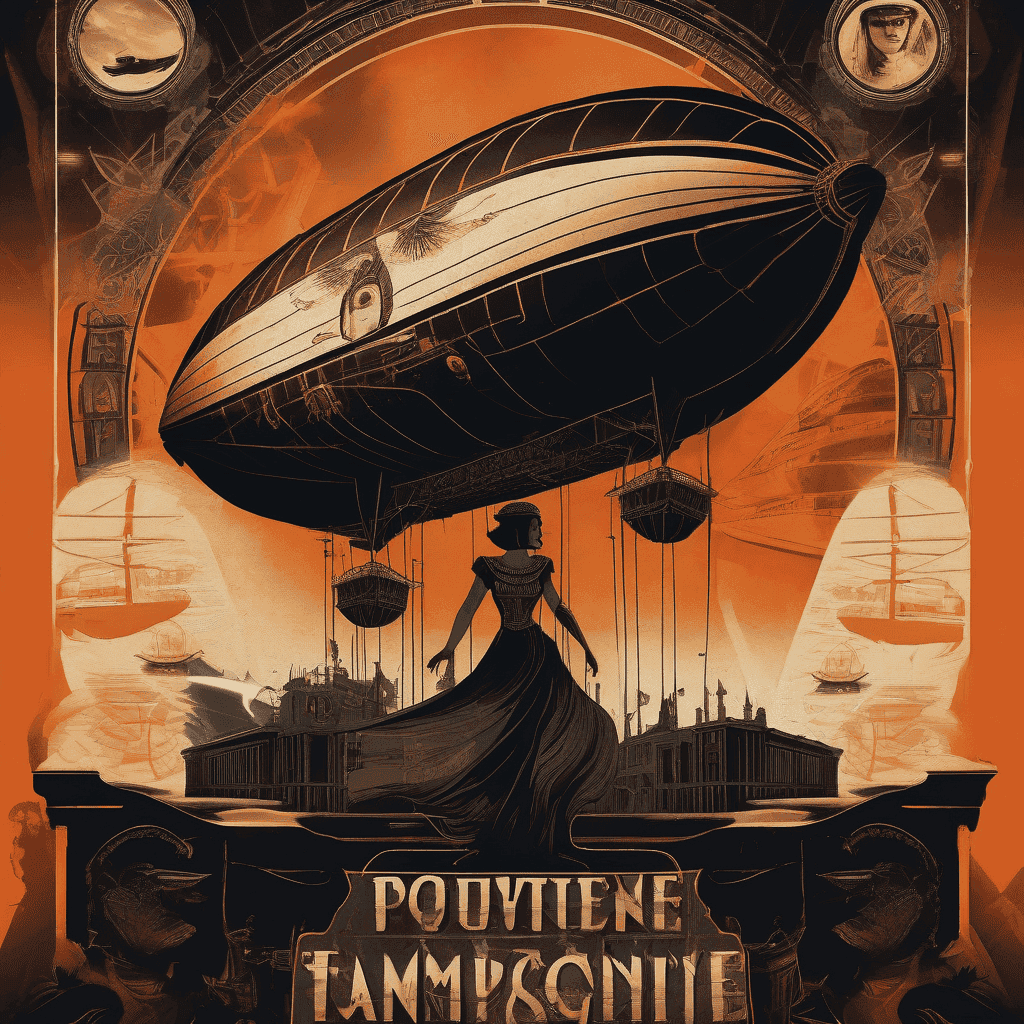
“Journey into the shadows of film history to discover how silent-era rebels and genre-defying misfits laid the groundwork for modern cult cinema's enduring obsession.”
The term cult cinema often conjures images of midnight screenings in the 1970s, the smell of popcorn and rebellion, and the flicker of high-contrast celluloid. However, the genetic blueprint of the midnight movie was written far earlier, in the flickering shadows of the silent era and the early talkies. Before the term was even coined, a collection of misfit films—narrative anomalies that defied the burgeoning Hollywood hegemony—began to cultivate a different kind of devotion. These were the original renegades, films that spoke a secret language to those who felt out of place in the polished world of commercial entertainment.
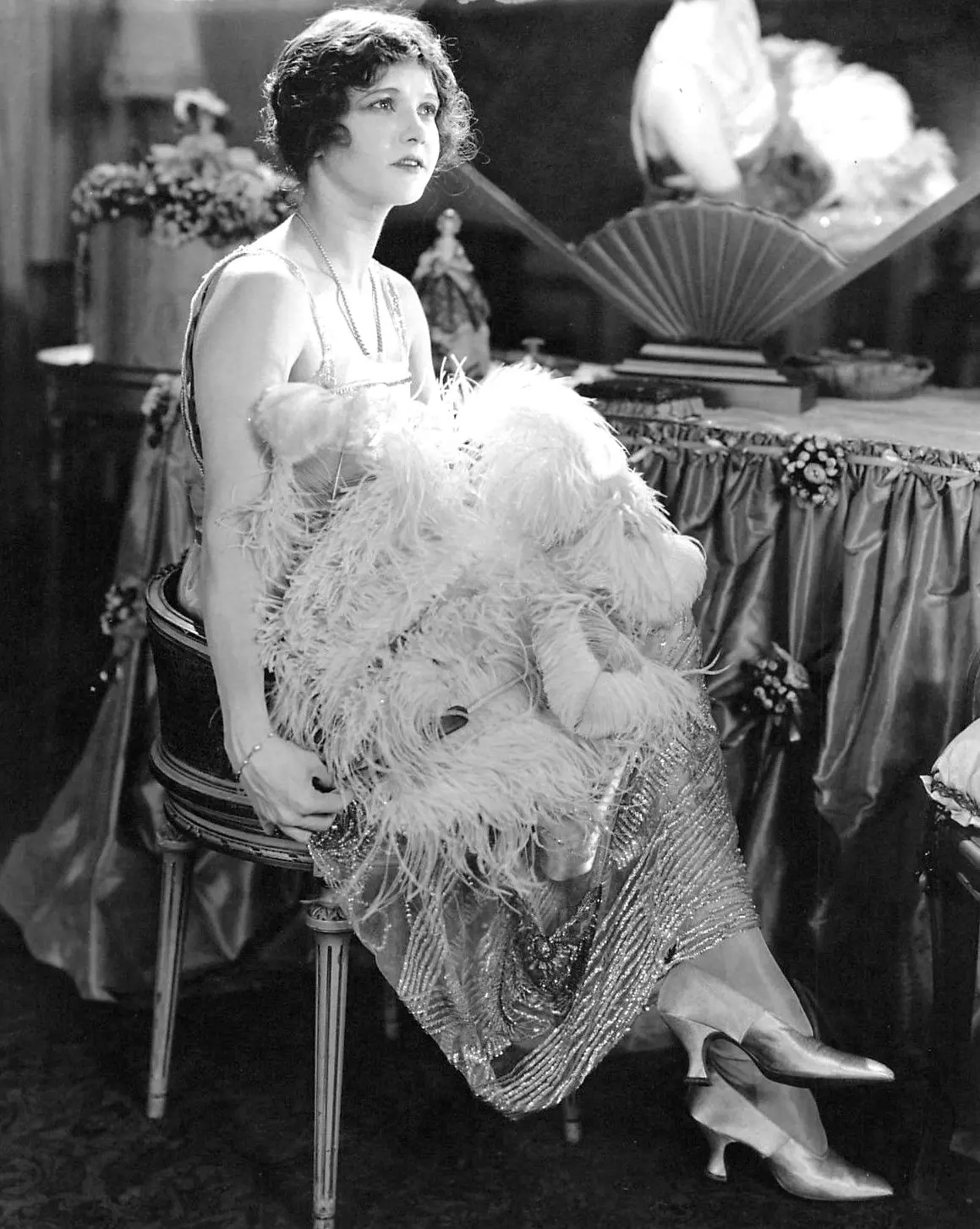
The Sky-Pirate’s Gambit: Gender and Identity in Filibus
One of the most striking examples of this early transgressive spirit is the 1915 Italian masterpiece Filibus. Long before the modern era of gender-fluid heroes, Filibus presented a sky-pirate who committed robberies from her airship, shifting identities between a cross-dressing thief and a refined aristocrat. This was not merely a heist film; it was an exploration of the liminal spaces of identity. The dedicated detective attempting to stop her represents the rigid social order, while Filibus herself represents the boundless, chaotic freedom that would later define the cult hero. The film’s audacity in centering a female anti-hero who toys with gender performance makes it a primary ancestor of the queer and subversive narratives that dominate the cult landscape today.
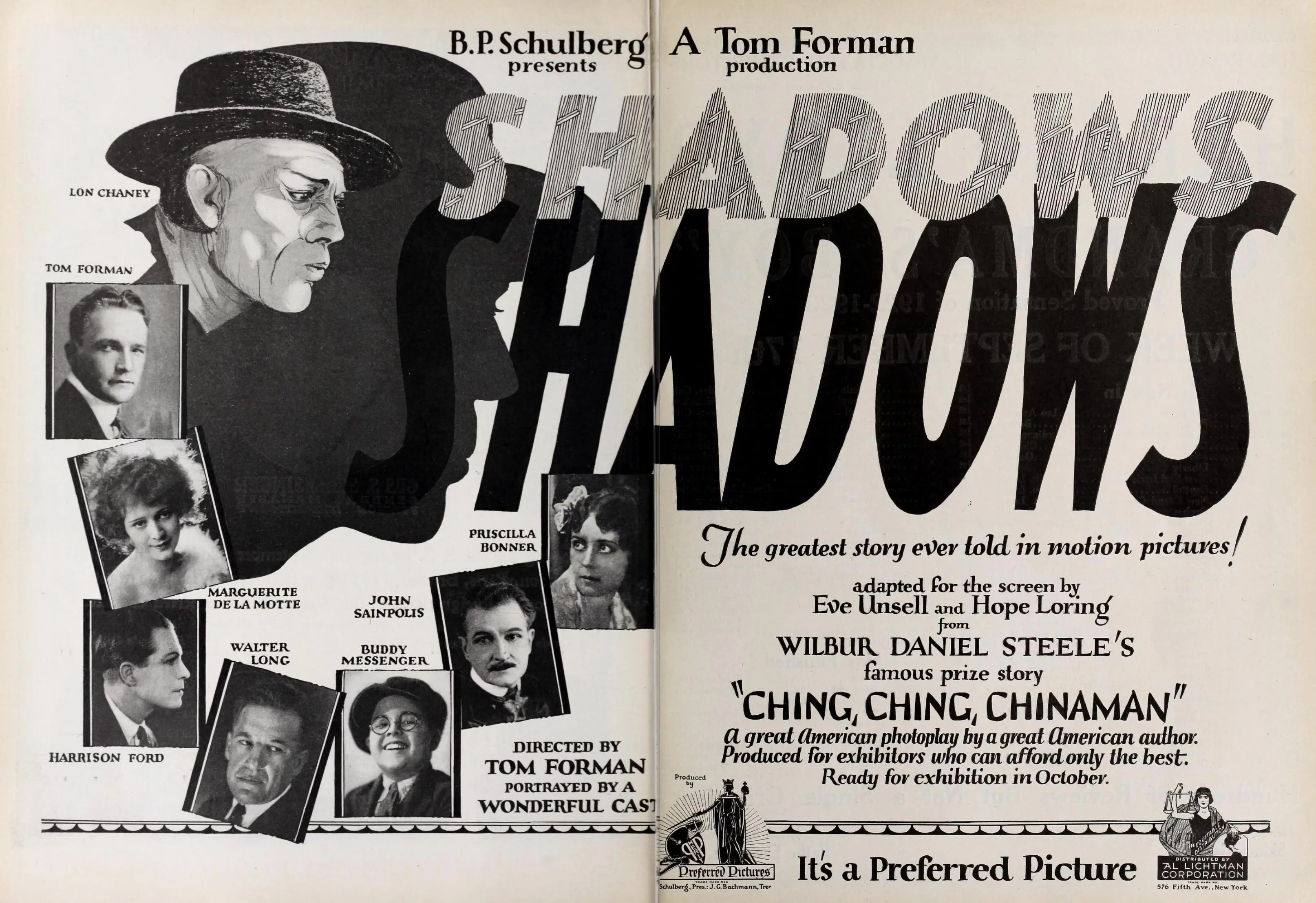
The Gothic Heart of the North: Sir Arne’s Treasure
While the Mediterranean offered sky-pirates, the North gave us something darker and more atmospheric. In Sir Arne’s Treasure (1919), we see the intersection of crime, fate, and the supernatural. In 16th-century Sweden, three Scottish mercenaries commit a crime that alters a small coastal town forever. The visual language of the film—the vast, frozen sea and the sense of impending doom—prefigures the folk horror movement. It is a film that demands a specific kind of attention, a meditative state that transcends mere plot. It is in this demand for deep immersion that the seeds of cult devotion are sown.
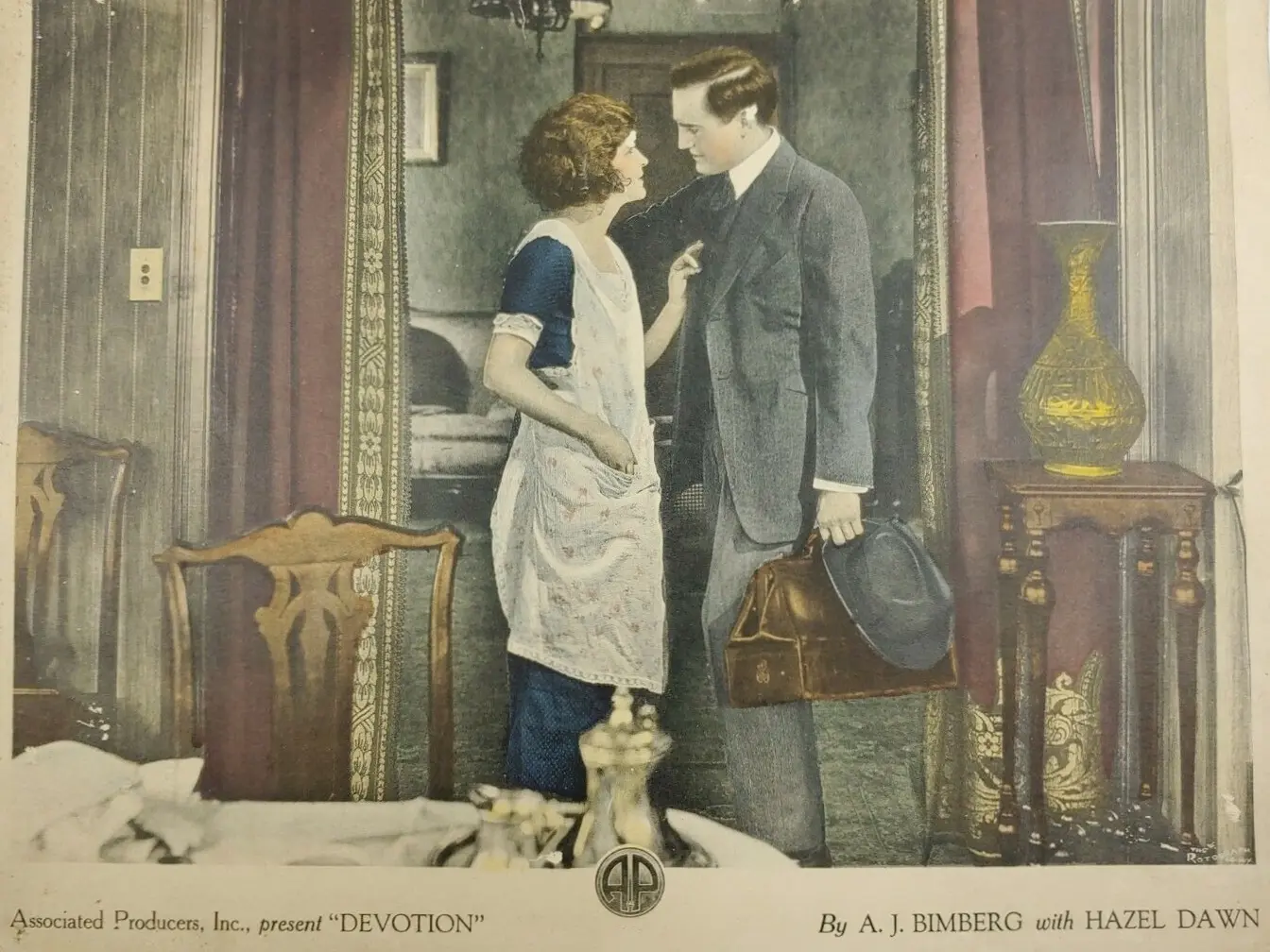
Faustian Bargains and the Price of Beauty
Cult cinema has always been obsessed with the pact—the moment a character trades their soul for something ephemeral. Satan’s Rhapsody (1917) remains a haunting pillar of this theme. Lyda Borelli, an icon of the 'diva' film, portrays an old woman who makes a pact with Mephisto to regain her youth. The catch? She must stay away from love. The tragic collision of her new beauty with the affection of two brothers creates a narrative of existential agony. This Faustian tale is draped in a surreal, almost hallucinogenic aesthetic that feels remarkably modern. It is the kind of film that survives because it captures a raw, primal fear of aging and the destructive power of desire—themes that would later resonate in cult classics like The Picture of Dorian Gray or The Neon Demon.
Social Misfits and the Bohemian Underworld
The cult ethos is fundamentally about the outsider. In films like The Square Deal (1917), we see the tension between the bourgeois home and the 'Culture Club'—a Bohemian group in the big city. Alys Gilson’s journey from complacency to the 'lofty' (and often messy) ideals of the urban underground mirrors the path of many cult film fans. Similarly, Jalousiens Magt (1916) explores the disruption of a traditional marriage when a wife joins the Women’s Lib movement. These films were not just stories; they were social provocations. They dared to ask what happens when the individual rejects the script written for them by society.

The Absurdist Spark: Aladdin and the Surreal Logic of the Fringe
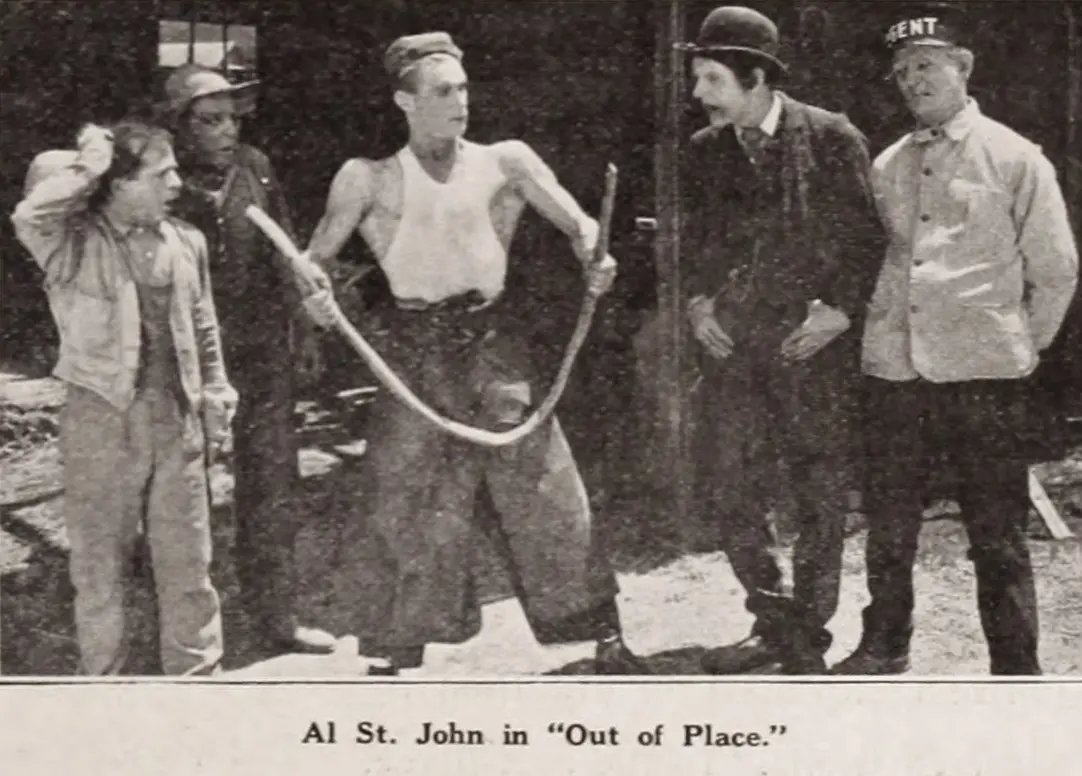
Sometimes, the path to cult status is paved with pure, unadulterated weirdness. Consider the 1917 short Aladdin. In this bizarre iteration, a tailor employs a dog to tear men's clothes specifically to increase his repair business. This kind of surrealist, almost cruel logic is a hallmark of the 'weird' cinema that would later bloom in the works of filmmakers like David Lynch or Jan Svankmajer. It is an acknowledgment that the world is not rational, and that cinema is the perfect medium to explore its jagged edges. When the tailor’s stunt backfires and a feud grows over a Moorish prince’s love interest, the film descends into a delightful narrative anarchy that typical studio fare of the time would never have tolerated.
The Moral Grey: The Man Who Played God
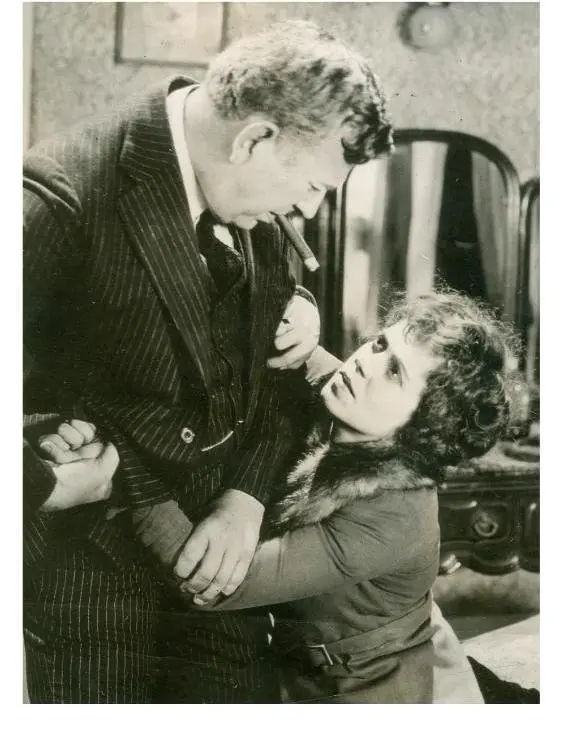
Cult cinema often thrives in the moral grey. In The Man Who Played God (1922), a musician loses his hearing and falls into a pit of melancholy and cynicism. His journey is not a simple redemption arc; it is a complex study of ego and the loss of identity. The film’s willingness to sit with the character’s bitterness—to let him be 'unlikable'—is a precursor to the anti-heroes of the 1970s. It challenges the audience to find empathy in the dark, a core requirement for any true cult devotee.

The Secret History of the Scarlet Oath
Political rebellion and the weight of the past also play a significant role in the proto-cult canon. The Scarlet Oath (1916) follows Ivan Pavloff, a Nihilist driven from Russia by police persecution. The film’s focus on the trauma of the immigrant and the fire of the revolutionary offers a gritty counter-narrative to the more sanitized dramas of the era. By centering on a Nihilist protagonist, the film tapped into a current of radicalism that has always been a bedrock of the cult community. It is a story of survival, yes, but also one of ideological purity and the high cost of resistance.
Supernatural Talismans and the Power of Divination
The allure of the occult is never far from the cult film’s heart. In Hendes ungdomsforelskelse (1916), an Egyptian prince gifts a dancer a piece of jewelry imbued with the power of divination. This talismanic object drives the narrative, suggesting that there are forces beyond human comprehension at work in our lives. This fascination with the 'unseen'—with objects that hold power and memories—is what makes certain films feel like sacred texts to their fans. We don't just watch these movies; we look for signs and wonders within them.
The Shock of the New: The Child Thou Gavest Me
On the more melodramatic end of the spectrum, The Child Thou Gavest Me (1921) features a wedding-day revelation that would make modern soap opera writers blush. When a bride reveals she is already a mother on her wedding day, it shatters the pristine image of the 'pure' heroine. This kind of narrative shock—the sudden upending of social norms—is exactly what draws audiences to the fringe. It is the thrill of the taboo, the excitement of seeing the unspoken brought into the light of the projector.
As we trace the lineage from Filibus to Outcast (1917), where a woman is forced into prostitution to survive after being abandoned, we see a cinema that was never afraid of the dirt. These films dealt with poverty, abandonment, and the harsh realities of life long before the 'grindhouse' era made such topics its bread and butter. They were the cinematic outlaws that refused to look away from the human condition in all its messy, complicated glory.
The Legacy of the Maverick
What connects these disparate films—the sky-pirates, the Nihilists, the deaf musicians, and the tailors with their dogs—is a refusal to be ordinary. They are maverick visions that prioritize the specific over the general, the weird over the safe, and the emotional truth over the commercial success. They are the artifacts of a time when cinema was still figuring out its own rules, and in that period of experimentation, the cult movie soul was born.
To understand modern cult cinema, one must look back at these flickering ghosts. We see their echoes in the midnight movies of today, in the fan conventions, and in the endless debates over 'hidden gems.' The Outcast’s Incantation is still being whispered in the dark of the theater, a reminder that as long as there are misfits, there will be movies that belong to them. These early films are not just historical curiosities; they are the living breathing heart of a culture that celebrates the different, the difficult, and the divine.
Conclusion: The Eternal Return of the Misfit
In the end, the history of cult cinema is a history of resistance. Whether it is the resistance of Filibus against the law, the resistance of the Nihilist against the state, or the resistance of the artist against the expectations of the audience, these films all share a common thread of defiance. They remind us that the most enduring stories are often the ones that were nearly forgotten—the ones that had to be rescued from the archives by those who saw something special in their flickering frames. As we continue to dive deep into the anomaly archive of early film, we find not just old movies, but a mirror reflecting our own desire for a cinema that dares to be truly, unapologetically itself.
Community
Comments
Log in to comment.
Loading comments…