
DbcultAccessing Vault...
Cult Cinema
Archivist John
Senior Editor
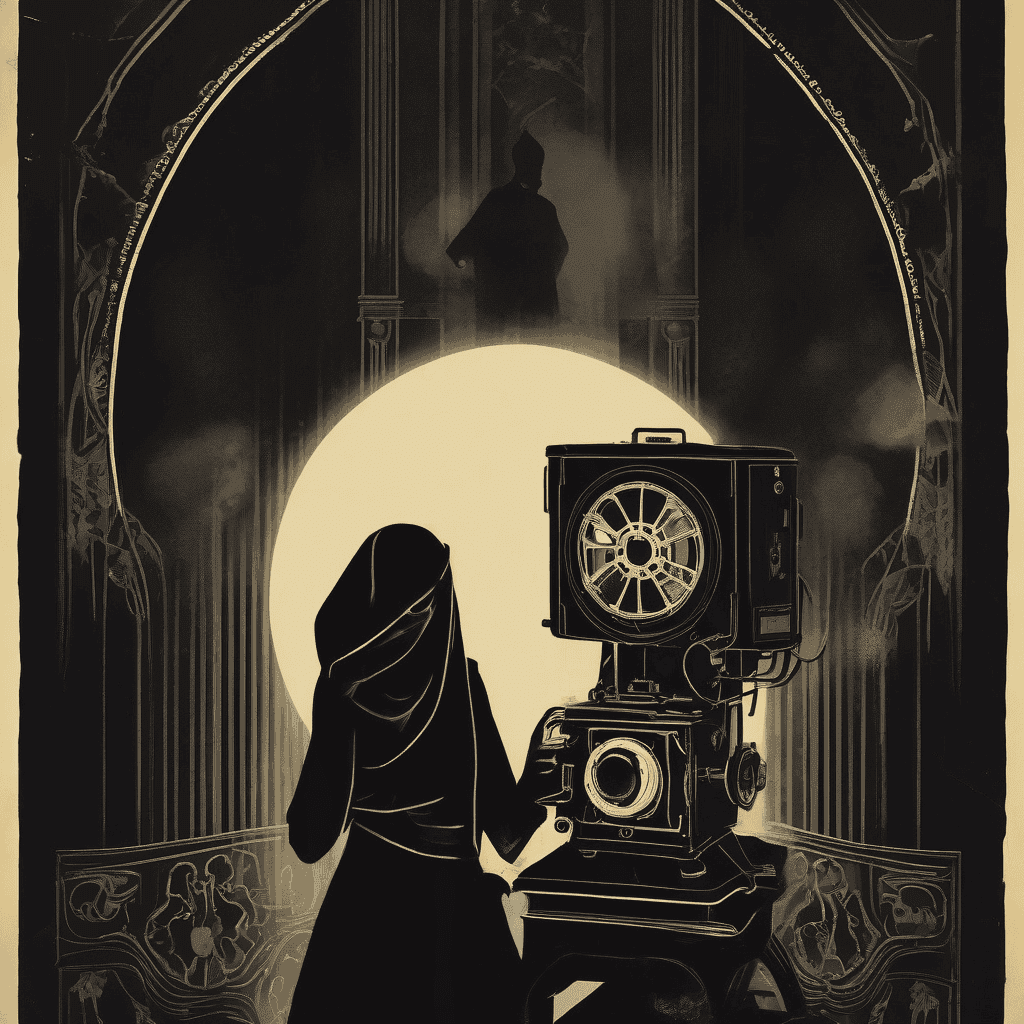
The flicker of the projector is more than a mechanical process; it is a heartbeat. For over a century, the dark corners of the cinema house have served as a sanctuary for those who do not fit within the polished frames of the mainstream. We call this cult cinema, but its origins are far more primal than the midnight screenings of the 1970s. Long before the term was coined, the seeds of cinematic deviance were being sown in the nitrate soil of the early 20th century. These were the films that refused to behave—the maverick visions that explored drug addiction, sexual transgression, and psychological collapse when the industry was still learning how to walk.
To understand the allure of the cult film, one must look at the concept of the cinematic outlaw. In the silent era, films like The Dividend (1916) dared to portray the descent of a wealthy man’s son into the depths of depravity and drug addiction. This wasn't merely a cautionary tale; it was an early exploration of the 'underground' that would later define the cult aesthetic. When we watch Frank Steele lose his social standing to the needle, we are witnessing the birth of a narrative archetype that rejects the 'American Dream' in favor of a gritty, unfiltered reality.
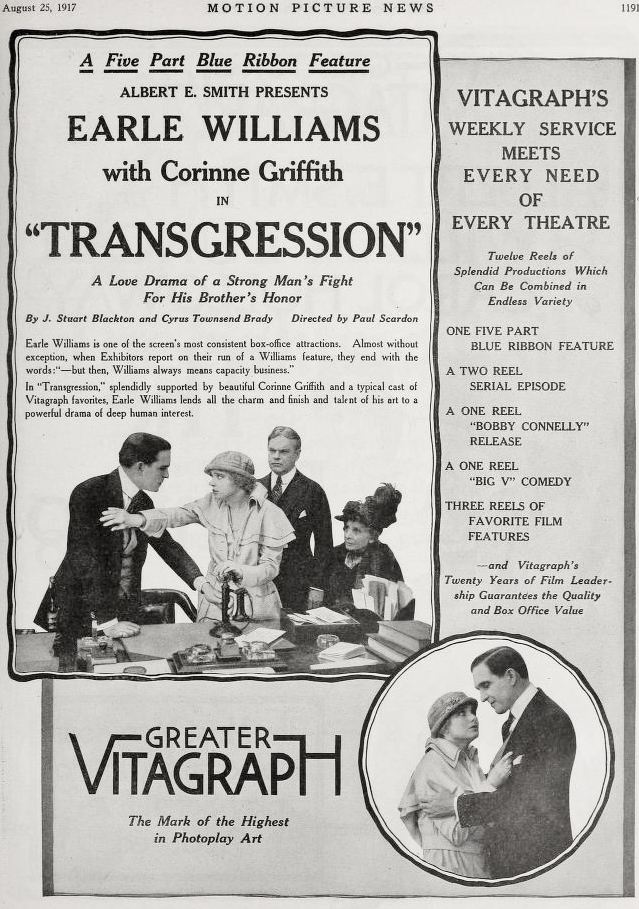
Similarly, the idea of being 'shanghaied' by the screen—as seen in the literal plot of The Tempest (1920)—serves as a metaphor for the cult experience. The viewer is taken against their will into a world of docks, schooners, and canine companions, forced to navigate a landscape that feels alien yet strangely familiar. Cult cinema is the art of the unintentional journey. It is the 'Stranger from Somewhere' arriving in town with a confidence game, much like the films themselves arrive in our consciousness to fleece us of our expectations.
The early 1920s were a hotbed for what we now recognize as transgressive cinema. Take The Devil’s Garden (1920), a film where a woman sacrifices her virtue to save her husband’s job, only for the husband to commit murder upon discovery. This is not the clean-cut morality of a Hollywood blockbuster; it is a messy, blood-stained meditation on the cost of survival. It mirrors the 'Tierra de sangre' (Land of Blood) found in La España trágica, where the soil itself seems to weep for the tragedies played out upon it.
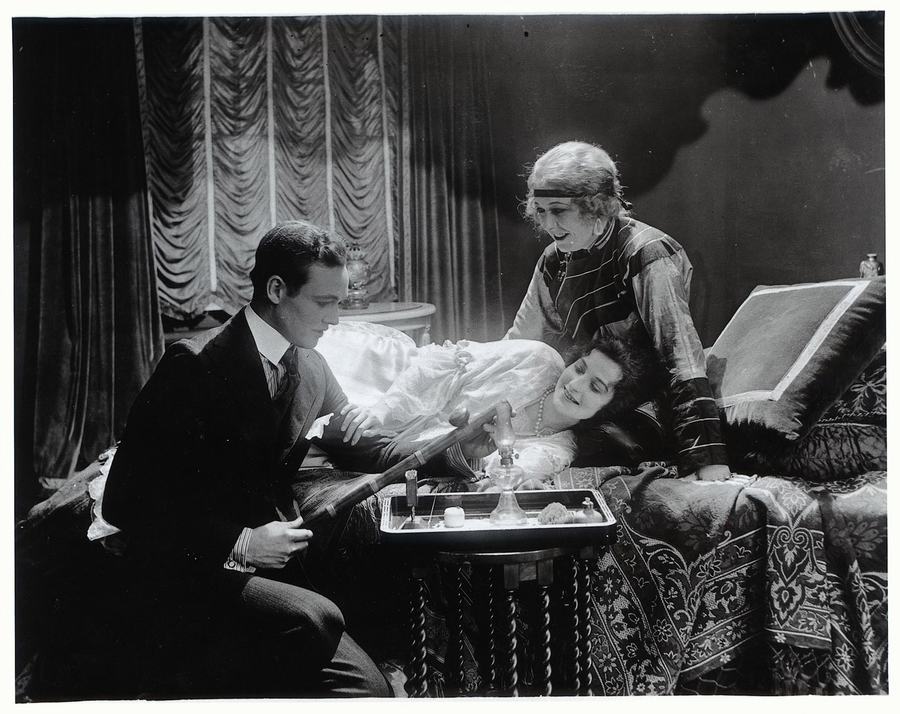
These films often dealt with the 'House of Silence' or the 'Palace of Darkened Windows'—locations that represent the hidden, the repressed, and the forbidden. In The House of Silence (1918), a criminologist is led into a house of ill repute to find a dying man. This setting is the ancestral home of the midnight movie. It is a space where the rules of the daylight world do not apply, and where the 'Virgin of Stamboul' or the 'Plow Girl' might find themselves caught in a struggle between high society and the raw, unyielding veldt.
One of the most fascinating aspects of early cult DNA is the subversion of gender roles. Nugget Nell (1919), featuring the tomboyish Dorothy Gish, presents a heroine who runs a hash house in the mining country and remains unimpressed by the traditional sheriff. This 'wild child' trope is echoed in The Place Beyond the Winds, where Priscilla Glenn is a product of the woods, impulsive and nature-loving, standing in direct opposition to a father who sees women only as creatures to be browbeaten. These characters are the precursors to the rebel icons of modern cult film—the women who refuse to be domesticated and the men who, like the hero of The Ragged Princess, find love while disguised or on the run.
Cult cinema thrives on the 'What If.' What if a pair of silk pajamas were bewitched? The Haunted Pajamas (1917) offers a glimpse into the absurdist roots of the genre. The transformation of the wearer into someone else is a literalization of the identity crisis that haunts so many cult protagonists. This theme of the 'split personality' is explored with even more gravity in Dusk to Dawn (1922), where a young woman’s dual nature creates a labyrinthine existence that defies easy categorization.
This narrative anarchy is what draws us to films like The Palace of Darkened Windows or The King’s Game. Whether it is a young duke coveting a colonel’s wife or an American girl lost in the mysteries of India, these stories prioritize atmosphere and eccentricity over linear logic. They are 'World of Dreams' scenarios where the logic of the waking world is suspended. When we watch Die toten Augen or Der Märtyrer seines Herzens, we aren't just watching a biography of Beethoven or a tragic drama; we are participating in a cinematic séance, summoning the spirits of an era that was unafraid to be weird.

The cult phenomenon is not restricted by borders. From the Hungarian storms of Tavaszi vihar to the Danish heartbreak of Moderens Øjne, the language of the outlier is universal. In Moderens Øjne, the calculating Emil Werner preys on the wife of a gambler, a cold and clinical look at human weakness that predates the noir sensibilities of the 1940s. These films represent a global underground, a network of stories that traveled from the South African veldt to the drawing rooms of London, as seen in The Plow Girl.
Even the early animations, like Walt Disney’s Newman Laugh-O-Grams (1921), contain a spark of this maverick spirit. Seeing the artist at work, drawing the reality of Kansas City, reminds us that all cinema begins with a single, rebellious stroke of the pen. It is the 'Manhattan Madness' of a rich young man returning to the city, only to find that the gaiety he seeks is a facade for a deeper, more chaotic truth.
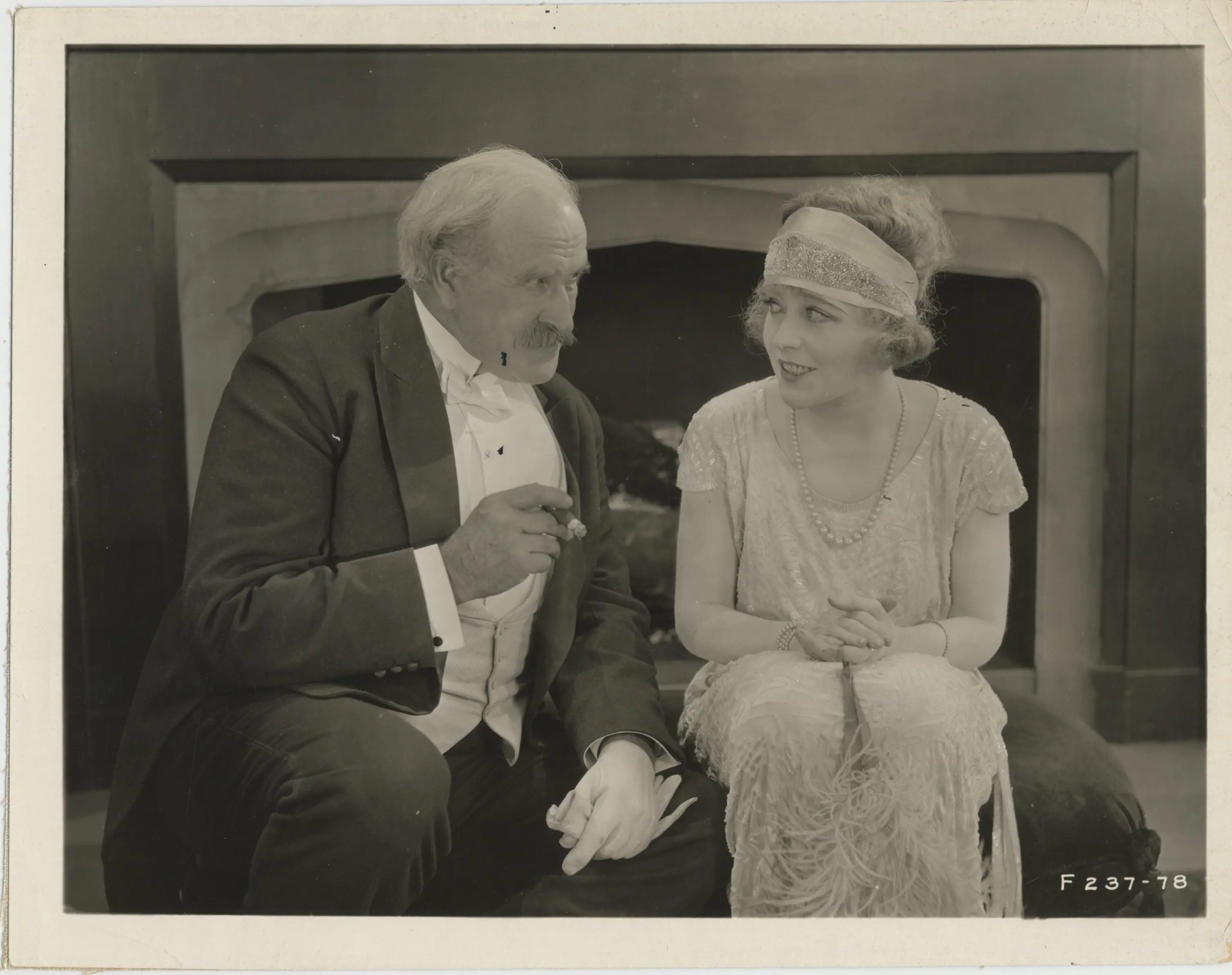
Why do we continue to seek out these 'uncelebrated gems'? Because they offer a truth that the blockbuster cannot. Whether it is the 'Mutiny of the Elsinore' or the 'Devil’s Trail' of a whiskey smuggler, these films deal with the raw nerves of the human condition. They show us the 'Slaves of Pride' and the 'Heir to the Hoorah,' reminding us that wealth and status are often just masks for depravity or loneliness.
As we look back at the 'City of Illusion' or the 'Land of the Lost,' we realize that the history of cinema is not just a list of hits; it is a map of the forgotten fringe. The cult film is the 'Black Beauty' of the industry—a noble, misunderstood creature that has been passed from hand to hand, often mistreated, but always possessing an inner fire that cannot be extinguished. To watch a film like Miss Innocence or The Builder of Bridges today is to reclaim a piece of that fire.
In conclusion, the cult cinema experience is a testament to the enduring power of the unconventional. It is a secret society where the only requirement for entry is a willingness to look into the 'Palace of Darkened Windows' and see what stares back. From the 'Silent Screen’s Secret Society' to the modern midnight congregation, the message remains the same: the most interesting stories are always found in the shadows. We are all 'Strangers from Somewhere,' looking for a screen that reflects our own beautiful, broken, and maverick souls.