
Cult Cinema Deep Dive
The Primal Pulse of the Underground: Unearthing the Silent Era’s Radical Blueprint for Cult Obsession
“Dive deep into the forgotten reels of the 1910s and 20s to discover how early cinema's transgressive themes and narrative anarchy birthed the modern cult movie phenomenon.”
The history of cinema is often written by the victors—the blockbusters, the Oscar winners, and the films that achieved immediate, widespread acclaim. Yet, beneath the surface of the mainstream canon lies a darker, more turbulent current: the world of cult cinema. While many associate the 'cult' label with the midnight movie madness of the 1970s, the genetic blueprint of this rebellion was actually forged in the flickering, silent shadows of the 1910s and 1920s. These early works, often dismissed as mere curiosities or lost to the ravages of nitrate decay, were the original transgressors, pushing the boundaries of morality, gender, and narrative structure long before the term 'cult' was ever coined.
The Genesis of Transgression: Science, Sin, and Sacrifice
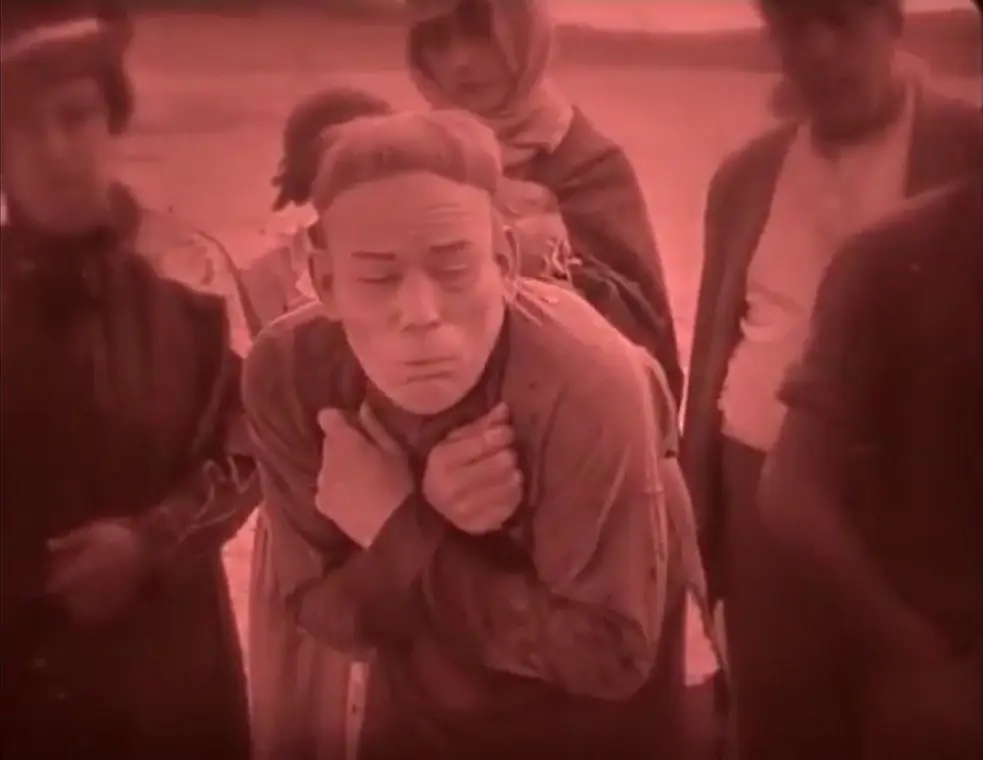
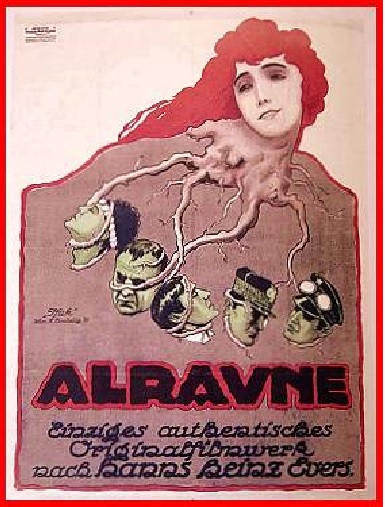
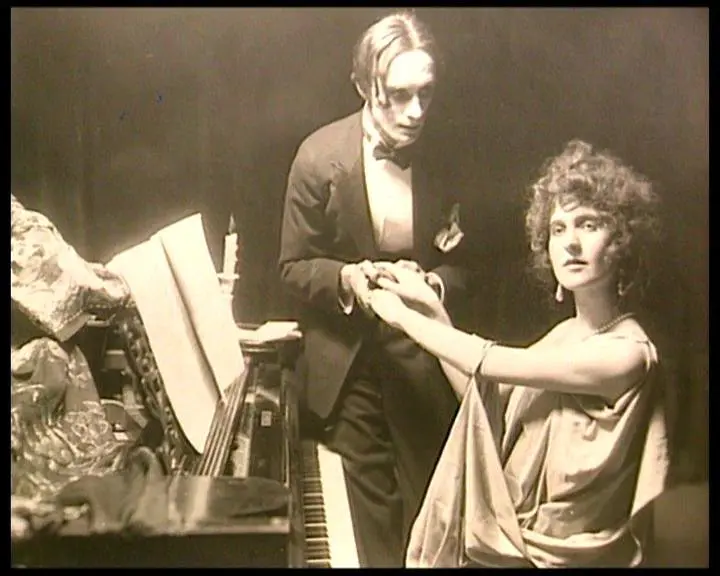
To understand the soul of a cult film, one must look at its willingness to embrace the taboo. Perhaps no film from the silent era embodies this more radically than Sacrifice (1918). In a narrative that feels startlingly modern, an insane doctor uses the semen of a dead man to artificially inseminate a prostitute. The resulting child grows into a beautiful but evil woman who eventually turns on her creator. This is not just a forgotten melodrama; it is a primal ancestor of the 'mad scientist' and 'femme fatale' tropes that would later define the cult horror landscape. Its themes of biological manipulation and moral decay predate the body horror of David Cronenberg by decades, proving that the early century was far more comfortable with the grotesque than history books suggest.
Similarly, the 1921 version of Hamlet, starring the legendary Asta Nielsen, offered a gender-bending subversion that remains a cornerstone of cult appreciation. By casting a woman in the role of the Danish prince, Nielsen didn't just perform Shakespeare; she challenged the very nature of identity and performance. This kind of radical reinterpretation is exactly what draws a niche audience—the desire to see a familiar story twisted into something unrecognizable and challenging. Nielsen’s Hamlet is a figure of queer defiance, a maverick vision that paved the way for the transgressive performances of the late 20th century.
The Urban Quagmire: Seduction and Social Rebellion
As the world moved toward urbanization, early filmmakers began to explore the 'big city' not as a place of opportunity, but as a site of moral peril—a theme that resonates deeply with the outsider spirit of cult cinema. In Der Weg, der zur Verdammnis führt (1.Teil - Das Schicksal der Aenne Wolter), we see the classic narrative of the innocent girl lured into the 'quagmire' of the city. This film, and others like it, functioned as 'cautionary tales' that secretly delighted in the very vices they pretended to condemn. This duality—the tension between moralizing and voyeurism—is a hallmark of the exploitation films that would later dominate the cult circuit.
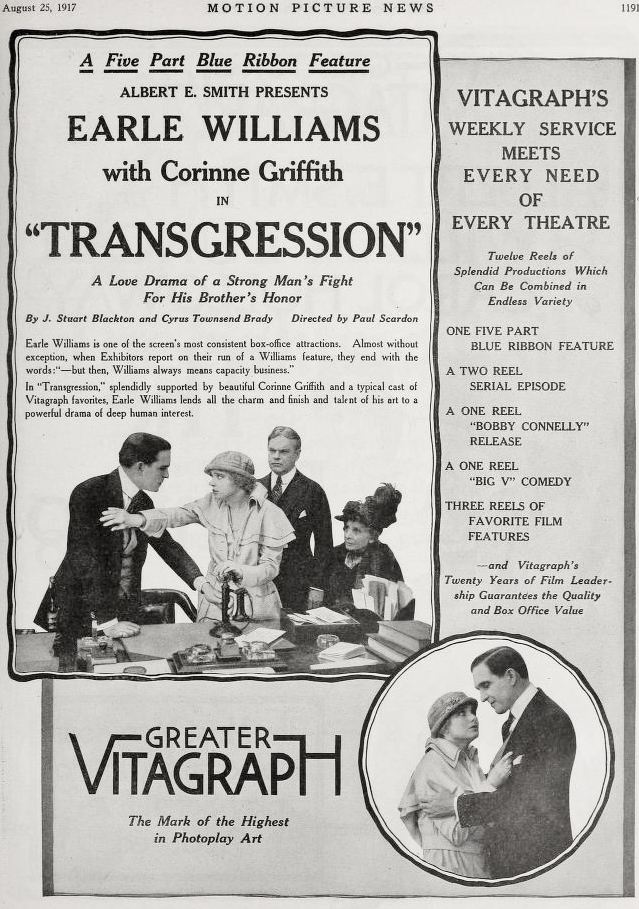
The fascination with the 'fallen woman' or the 'society girl turned thief' is further explored in The Mysterious Miss Terry. When Miss Terry robs a home and uses the money to pay her boardinghouse bills, she isn't just a criminal; she is a rebel against a social order that has failed her. This trope of the sympathetic outlaw is a recurring theme in films like Society for Sale and Let Katie Do It, where characters must navigate rigid class structures through deception or sheer force of will. In Let Katie Do It, the domestic drudge of a New England farm is forced to carry the weight of her entire family, a narrative of quiet suffering that eventually boils over into a demand for agency—a proto-feminist sentiment that finds a home in the hearts of those who feel overlooked by society.

Serialized Obsession: The Hook of the Unknown
Cult cinema thrives on obsession, and nothing breeds obsession like the cliffhanger. The early 20th century was the era of the serial, and The Fatal Ring (1910), specifically Episode 1: 'The Violet Diamond,' is a masterclass in the kind of 'pulp' storytelling that would later inspire everything from Indiana Jones to Twin Peaks. Pearl Standish, a woman bored with her high-society life, finds herself hunted by a masked man for a mystical gem. The combination of mystery, masked villains, and a daring heroine created a ritualistic viewing experience. Fans didn't just watch these films; they lived for the next installment, forming the earliest 'fandoms' that would eventually evolve into the obsessive communities surrounding modern cult properties.
The Exotic and the Erotic: Constructing the Other
Cult films often operate on the fringes of reality, frequently venturing into 'exotic' locales to explore themes of identity and 'otherness.' The Savage Woman is a fascinating example of this, where an explorer mistakes a woman named Renee for the Queen of Sheba and takes her to Paris to incite jealousy in his ex-lover. The film’s eventual return to Africa and the revelation of Renee's true royal identity plays with colonial fantasies and the 'noble savage' trope, but it does so with a sense of visual flair and narrative unpredictability that is quintessential cult. It treats the 'other' not just as a subject of study, but as a source of power and mystery.
This sense of the 'other' is also present in The Legion of Death, which brings the dark mysticism of Rasputin into a narrative involving Russian royalty in the United States. The figure of Rasputin himself—the 'mad monk'—is a recurring icon in cult lore, representing the intersection of holiness and horror. By weaving these historical and mythical figures into melodramatic plots, early filmmakers created a 'secret history' of the world, one that appealed to viewers who were looking for something more than the sanitized versions of reality offered by mainstream newsreels.
Economic Despair and the Moral Misfit
The 1920s were a time of extreme economic fluctuation, and the cinema of the era reflected the anxieties of a population caught between prosperity and ruin. Films like Know Your Men explored the fallout of financial deception, where a once-respected man is ruined by the devaluation of oil stock. The focus on his daughter Ellen’s struggle to maintain her dignity in the face of social ostracization is a poignant look at the fragility of the American Dream. This theme of the 'disgraced' or 'misfit' character is a common thread in cult cinema, which often champions the loser, the outcast, and the victim of systemic failure.
In Burning Daylight (1920), we see the flip side of this: the successful gold prospector who is fleeced by New York financiers. The struggle between the 'authentic' man of the wilderness and the 'corrupt' urban elite is a narrative that resonates with the counter-cultural spirit of cult audiences. It’s a story of survival against the odds, much like Bare Knuckle Gallagher, where a man framed for murder must subdue his assailants to clear his name. These are stories of rugged individualism and the rejection of a corrupt status quo, providing a blueprint for the 'lone wolf' protagonists of later cult classics.
The Anarchy of Comedy: Breaking the Fourth Wall
While drama and horror provide the backbone of cult cinema, we cannot overlook the role of anarchic comedy. Early shorts like The Strike Breaker, The Baby, and The Sweet Dry and Dry used slapstick and absurdity to mock the institutions of the day. In The Sweet Dry and Dry, the improvisation of a home-made still to evade the law during the burgeoning Temperance movement is a direct act of cinematic rebellion. These comedies were fast, irreverent, and often surreal, challenging the 'polite' sensibilities of the era. They established a tradition of narrative anarchy—where the rules of logic are secondary to the pursuit of a visceral reaction—that would eventually lead to the 'midnight movie' comedies of the 1970s.
Lost Reels and the Aura of the Unseen
One of the most powerful drivers of cult status is obscurity. The fact that a film like The Pied Piper of Hamelin is considered a 'lost film' only adds to its mystique. In the world of cult cinema, the film you cannot see is often more influential than the one you can. The 'phantom' presence of these lost works creates a space for imagination and myth-making. Fans trade fragments of information, production stills, and rumors, turning a forgotten piece of celluloid into a sacred relic. This 'archaeological' aspect of film fandom—the desire to unearth the hidden and the forbidden—is what keeps the cult spirit alive.
Even films that have survived, like Az utolsó hajnal (The Last Dawn), carry this aura of the 'strange.' Its story of a suicidal heir and a startling denouement offers a level of narrative complexity and emotional darkness that was far ahead of its time. It is a film that demands multiple viewings to fully grasp its 'dizzying set of circumstances,' a requirement that is the very definition of a cult favorite. It doesn't give up its secrets easily, forcing the audience to engage with it on a deeper, more personal level.
Conclusion: The Eternal Flicker of Rebellion
The films of the 1910s and 1920s were not just 'early' movies; they were the first experiments in a new language of defiance. Whether it was the gender-bending performance of Asta Nielsen in Hamlet, the transgressive medical horror of Sacrifice, or the pulp thrills of The Fatal Ring, these works established the themes of rebellion, obsession, and 'otherness' that define cult cinema today. They remind us that the 'midnight mindset' is not a modern invention, but a fundamental human urge to see the world reflected in all its messy, beautiful, and terrifying complexity.
As we continue to navigate a digital landscape where everything is available at the click of a button, the lessons of the silent era are more relevant than ever. Cult cinema teaches us to look closer, to value the obscure, and to find beauty in the 'misfit' narratives that the mainstream ignores. The primal pulse of the underground continues to beat, fueled by the same spirit of anarchy and wonder that first flickered on screen over a century ago. From The Savage Woman to Bare Knuckle Gallagher, these films are the rebel heart of cinema, and their influence will continue to echo as long as there are audiences who crave the unconventional.
Community
Comments
Log in to comment.
Loading comments…