
Cult Cinema
The Renegade's Spectrum: How Early Cinema’s Misfit Narratives and Genre Experiments Birthed the Modern Cult Phenomenon
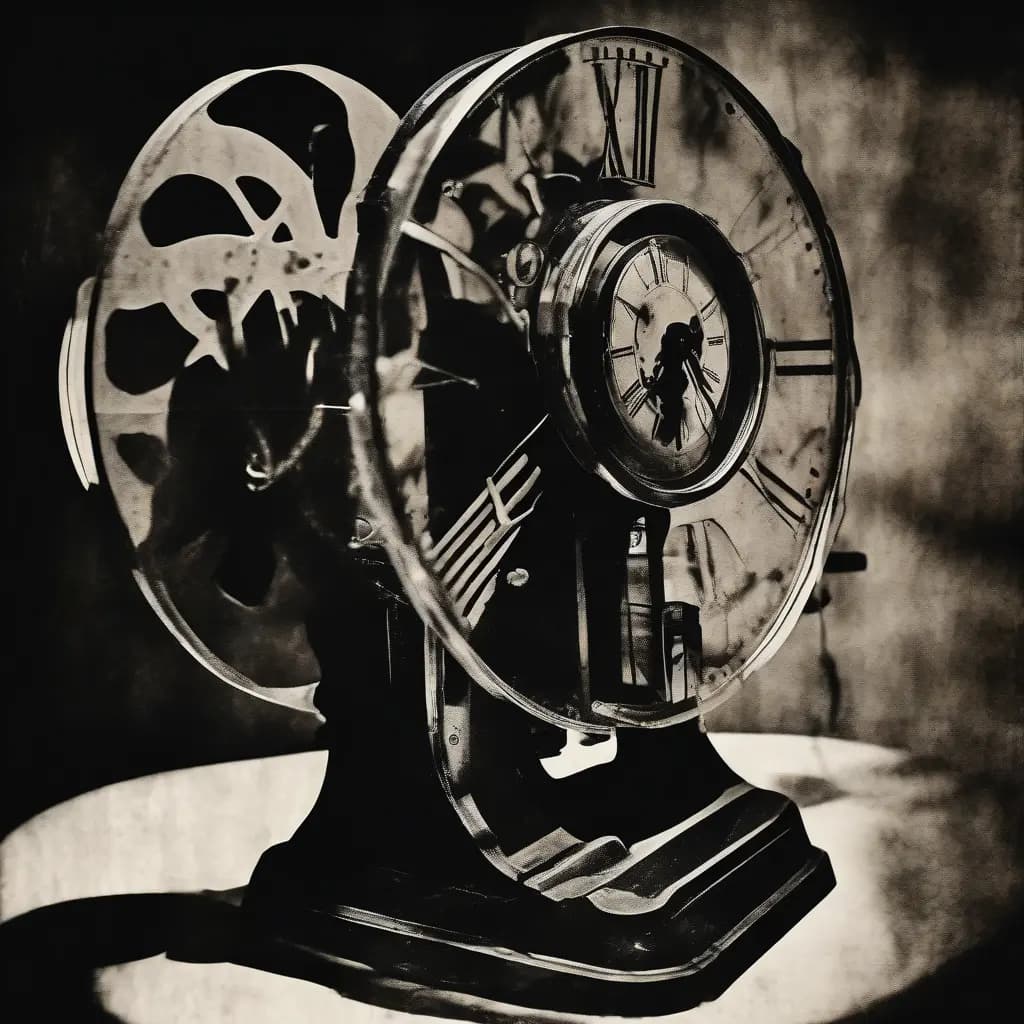
“Explore the subversive roots of cult cinema through the lens of early 20th-century experiments, from Keaton’s meta-commentary to the dark psychology of Dr. Mabuse.”
The concept of cult cinema is often associated with the midnight movie craze of the 1970s—the era of glitter, gore, and transgressive theater experiences. However, the genetic blueprint for what we now recognize as 'cult' was actually drafted decades earlier, in the flickering shadows of the silent and early sound eras. To understand why we obsess over the strange and the subversive today, we must look back at the renegades who first broke the rules of the frame. These were the filmmakers who didn't just tell stories; they built worlds that demanded a different kind of devotion.
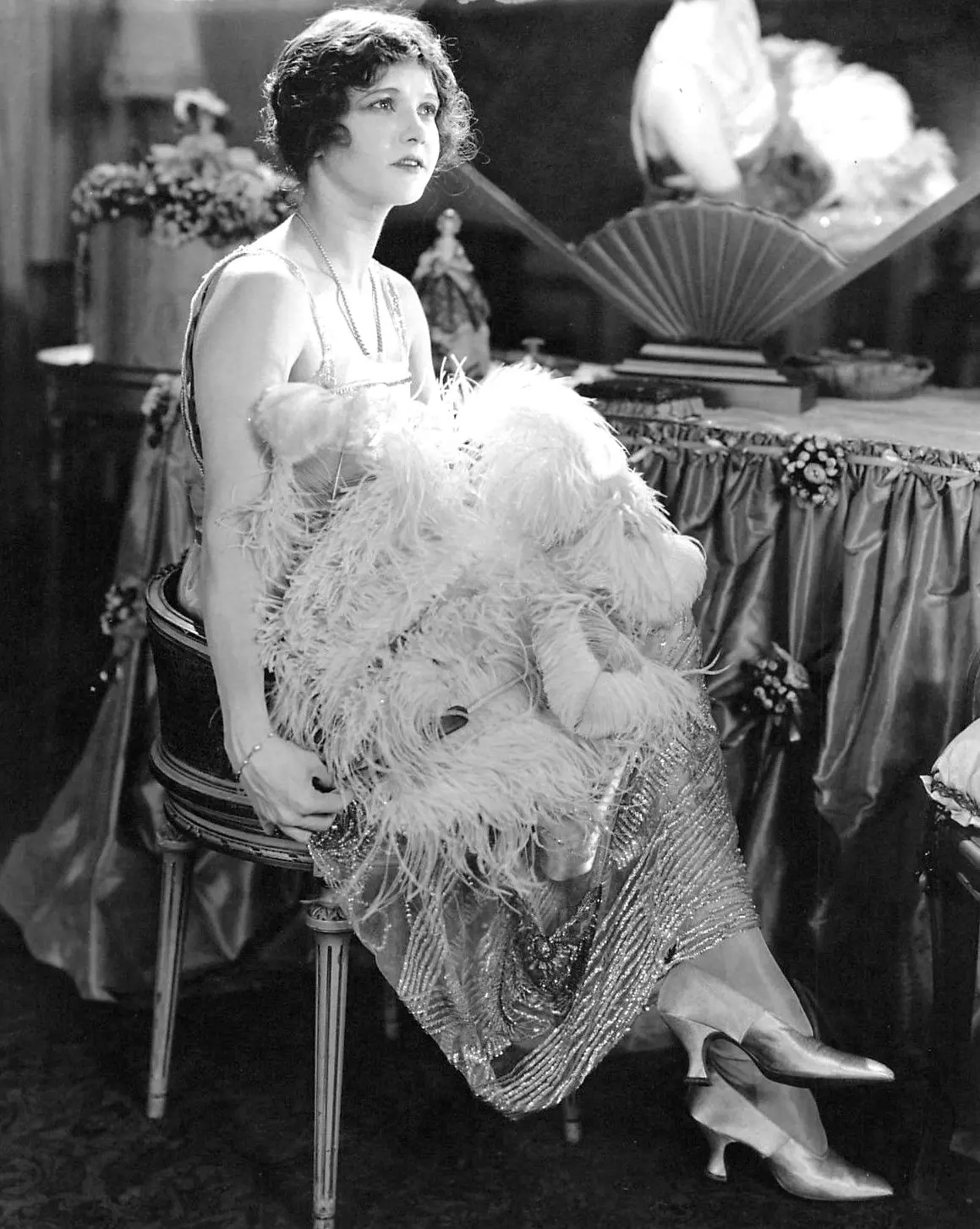
The Meta-Cinematic Awakening: Sherlock Jr. and the Projectionist’s Dream
Perhaps no film better encapsulates the proto-cult obsession with the medium itself than Buster Keaton’s 1924 masterpiece, Sherlock Jr.. Long before meta-narratives were a staple of post-modernism, Keaton was dismantling the fourth wall with surgical precision. In the film, a lowly projectionist falls asleep and literally walks into the screen, becoming part of the celluloid reality. This is the ultimate fantasy for any cinephile—the total immersion into the art form. The technical wizardry Keaton employed, from the seamless transitions between disparate film locations to the death-defying stunts, created a sense of cinematic wonder that forced audiences to watch the film repeatedly just to decipher its secrets. This 'repeat viewing' behavior is a foundational pillar of cult status.
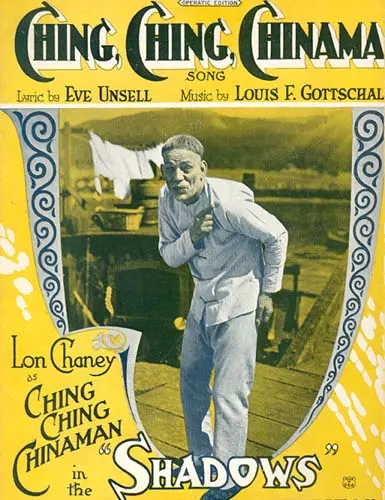
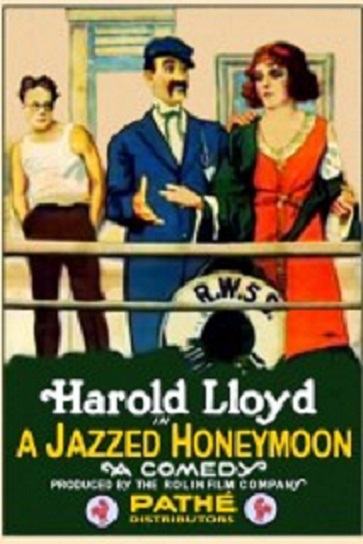
Keaton’s work represents a rebellious spirit against the linear, grounded narratives of his time. By treating the camera not as a recording device but as a toy, he invited the audience into a shared joke about the nature of reality. This playfulness is echoed in other early comedies like A Jazzed Honeymoon and Too Much Garlic, where the logic of the world is secondary to the rhythm of the gag. These films didn't just entertain; they created a visual vocabulary that prioritized style and kinetic energy over traditional dramatic structure.
The Geometry of the Soul: Rhythmus 21 and Abstract Rebellion
Stripping Cinema to its Essentials
While Keaton was bending the physical world, Hans Richter was abandoning it entirely. His 1921 short, Rhythmus 21, is a landmark of avant-garde cinema. By focusing purely on black and white rectangular shapes fading and moving across the screen, Richter challenged the very definition of what a movie should be. There are no actors, no plot, and no dialogue—only the raw interaction of light and shadow. To the mainstream audience of the 1920s, this was incomprehensible; to the seeker of the 'new,' it was a revelation.
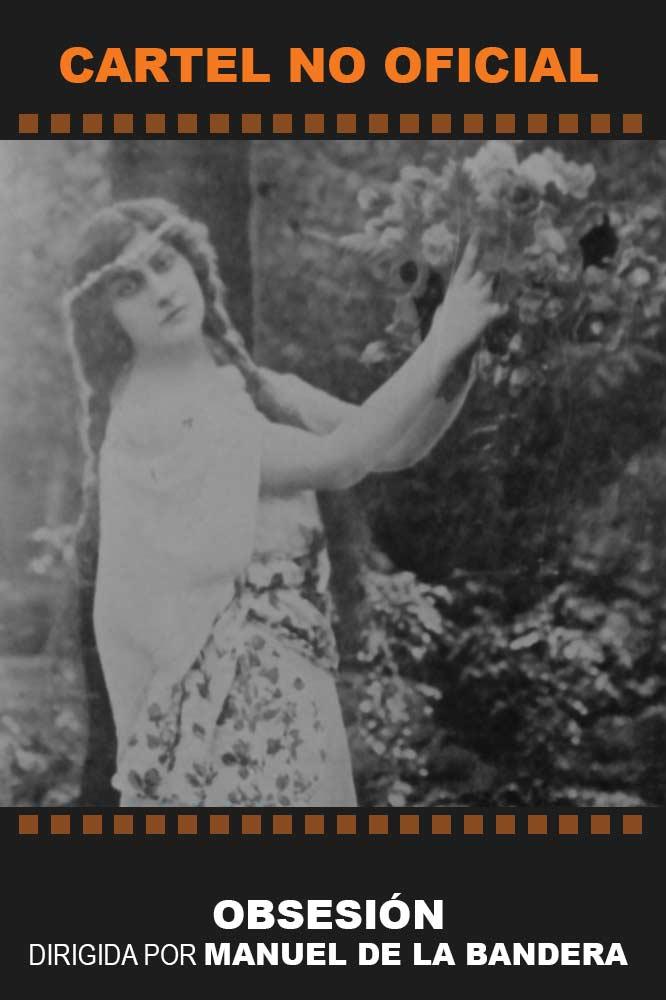
This move toward the abstract is a key element in the cult of the aesthetic. When a film like The Hinges on the Bar Room Door or the animated fables of the era experimented with form, they were appealing to a niche audience that valued innovation over accessibility. These films are the ancestors of the experimental midnight shorts that would eventually populate underground film festivals. They represent a transgressive pulse that sought to free cinema from the shackles of theater and literature, establishing it as a purely visual experience.
The Architect of Darkness: Dr. Mabuse and the Cult of the Anti-Hero
If cult cinema is defined by its obsession with the dark, the mysterious, and the morally ambiguous, then Fritz Lang’s Dr. Mabuse, the Gambler is its patron saint. Released in 1922, this sprawling epic of crime and hypnotism introduced the world to an arch-villain who was more compelling than the detectives chasing him. Mabuse is a master of disguise and psychological manipulation, a character who thrives in the chaos of post-war Berlin. The film’s exploration of power, decadence, and the fragility of the human mind resonated with an audience that felt the world was slipping out of control.
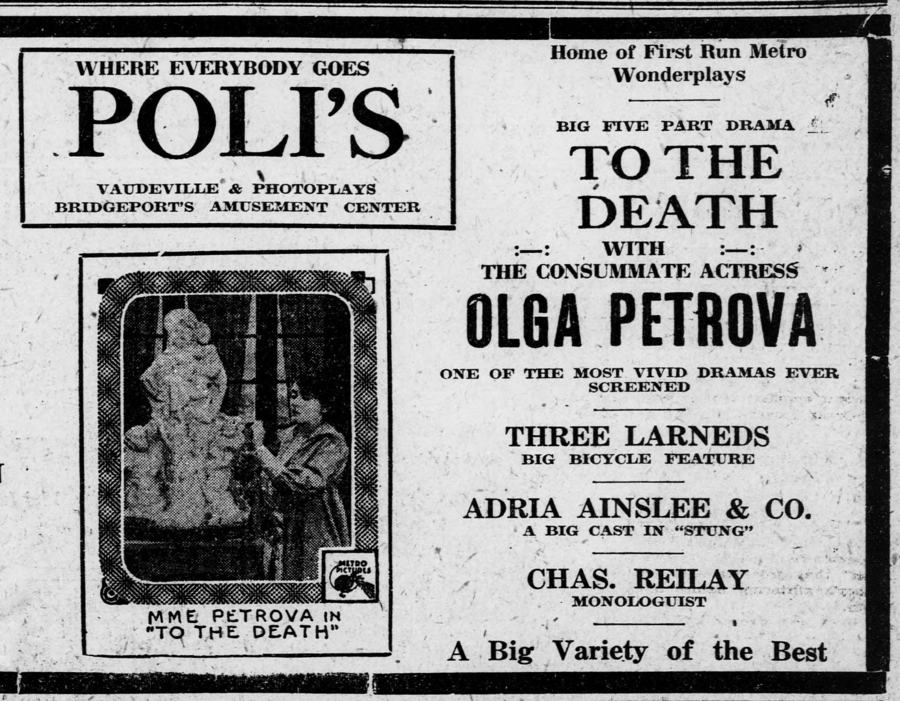
The 'cult' appeal of Mabuse lies in its noir aesthetic and its refusal to provide easy moral comfort. It paved the way for other dark explorations like Silnyi chelovek, a tale of murder and stolen talent, and The Brand of Lopez, where a matador is forced into outlawry. These films leaned into the 'shadow side' of the human experience, creating a space for viewers to engage with themes of revenge, betrayal, and obsession. This thematic darkness is a hallmark of the cult genre, attracting those who find the mainstream’s 'happy endings' to be a pale reflection of reality.
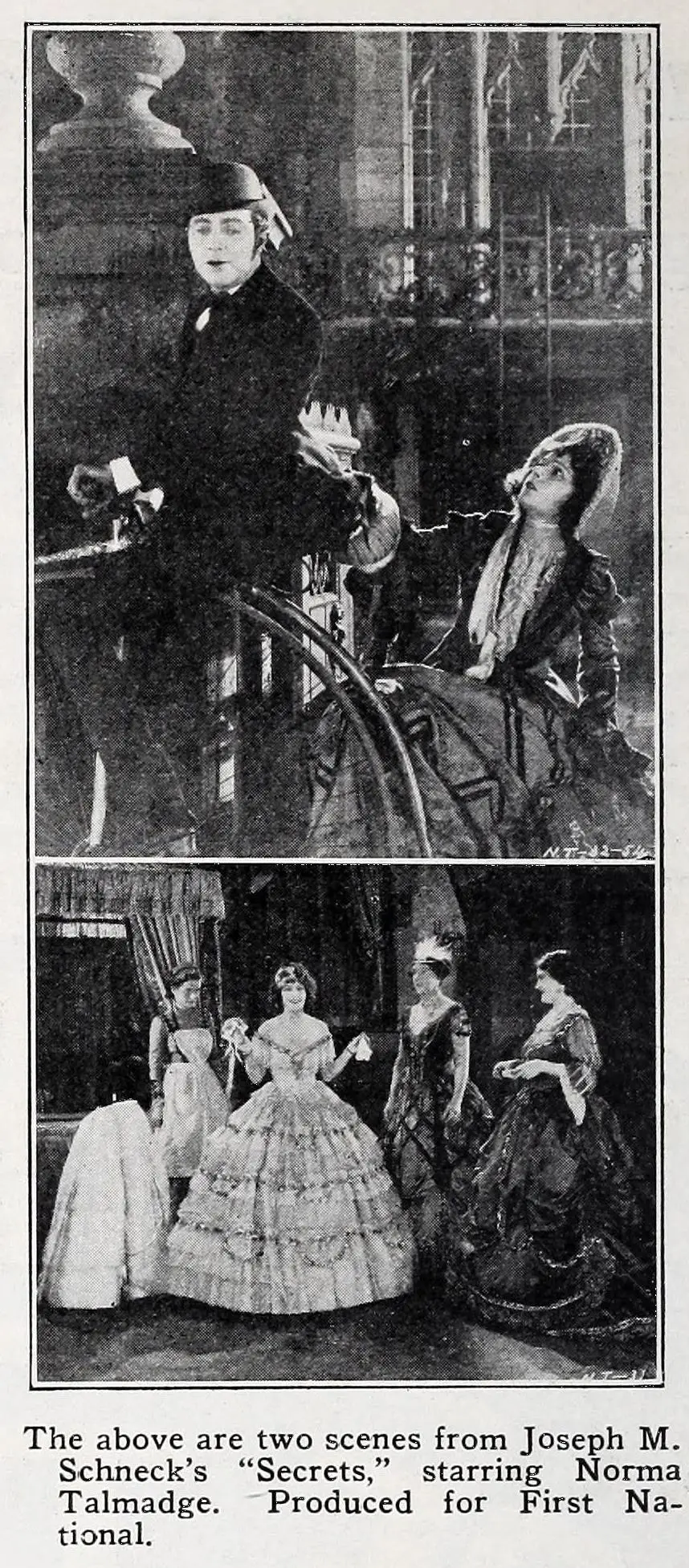
The Serial Sensation: Zudora and the Birth of the Super-Fan
The Cliffhanger as a Ritual
Long before the era of binge-watching, the early 20th century had the film serial. Works like Zudora and Neal of the Navy were designed to keep audiences coming back week after week. Zudora, with its themes of Hindu mysticism and secret messages, tapped into a public fascination with the esoteric and the occult. The character of Hassam Ali, the mystical guardian, provided a sense of otherworldly intrigue that would later be seen in the cult followings of shows like *Twin Peaks* or *The X-Files*.
These serials fostered a unique form of community. Fans would discuss the latest episode of Neal of the Navy, speculating on how the hero would escape his latest predicament or clear his name. This communal engagement is the bedrock of modern fandom. Whether it was the swashbuckling adventure of Ivanhoe or the treasure-hunting whimsy of Me and Captain Kidd, these films created a shared mythology that extended beyond the theater walls. The ritual of the weekly screening was a precursor to the ritual of the midnight movie.
Exploitation and the Forbidden: A Victim of the Mormons
One cannot discuss cult cinema without mentioning the 'forbidden'—the films that were banned, censored, or marketed through moral panic. A Victim of the Mormons is a prime example of early exploitation cinema. By focusing on a sensationalized and controversial subject, the film appealed to the prurient interests of the public while maintaining a thin veil of moral warning. This 'forbidden fruit' aspect is a powerful driver of cult devotion. If the authorities say you shouldn't watch it, it becomes a must-see for the rebellious viewer.

Similar vibes can be found in films like Red Russia Revealed or Warning! The S.O.S. Call of Humanity. These titles promised a glimpse behind the curtain of polite society, offering a raw, often distorted look at the 'other.' This lineage leads directly to the grindhouse and exploitation films of the 60s and 70s. The audience for these films wasn't looking for high art; they were looking for a visceral reaction, a shock to the system that the mainstream studios were unwilling to provide.
Social Realism and the Misfit Soul: The Soul of Youth
Redemption on the Fringes
While some cult films thrive on spectacle, others find their power in the quiet desperation of the marginalized. The Soul of Youth and A Boy of Flanders are early examples of films that focused on the plight of the orphan and the outcast. These stories of struggle and redemption resonated with those who felt ignored by the grand narratives of progress and wealth. In The Soul of Youth, the journey from a life of sin to a foster family’s care is a narrative of survival that speaks to the 'misfit' in all of us.
This focus on the underdog is a recurring theme in cult cinema. Whether it’s the wronged man in The Test of Honor seeking revenge or the social clerk in Her Great Chance navigating the world of the wealthy, these characters represent the individual versus the system. Cult audiences often identify with the 'other,' the person who doesn't fit the mold, making these early dramas essential to the development of the genre’s empathetic core.
The Comedy of the Absurd: Upside Down and Madame la Presidente
Cult cinema often embraces the weird and the wacky, and the silent era was rife with absurdist humor. In Upside Down, a wife’s quest for 'individualism' leads to a domestic world turned on its head. This kind of social satire, which pokes fun at the rigid structures of marriage and decorum, is a precursor to the transgressive comedies of John Waters or the Coen Brothers. Similarly, Madame la Presidente uses French farce to mock the pomposity of the judiciary.
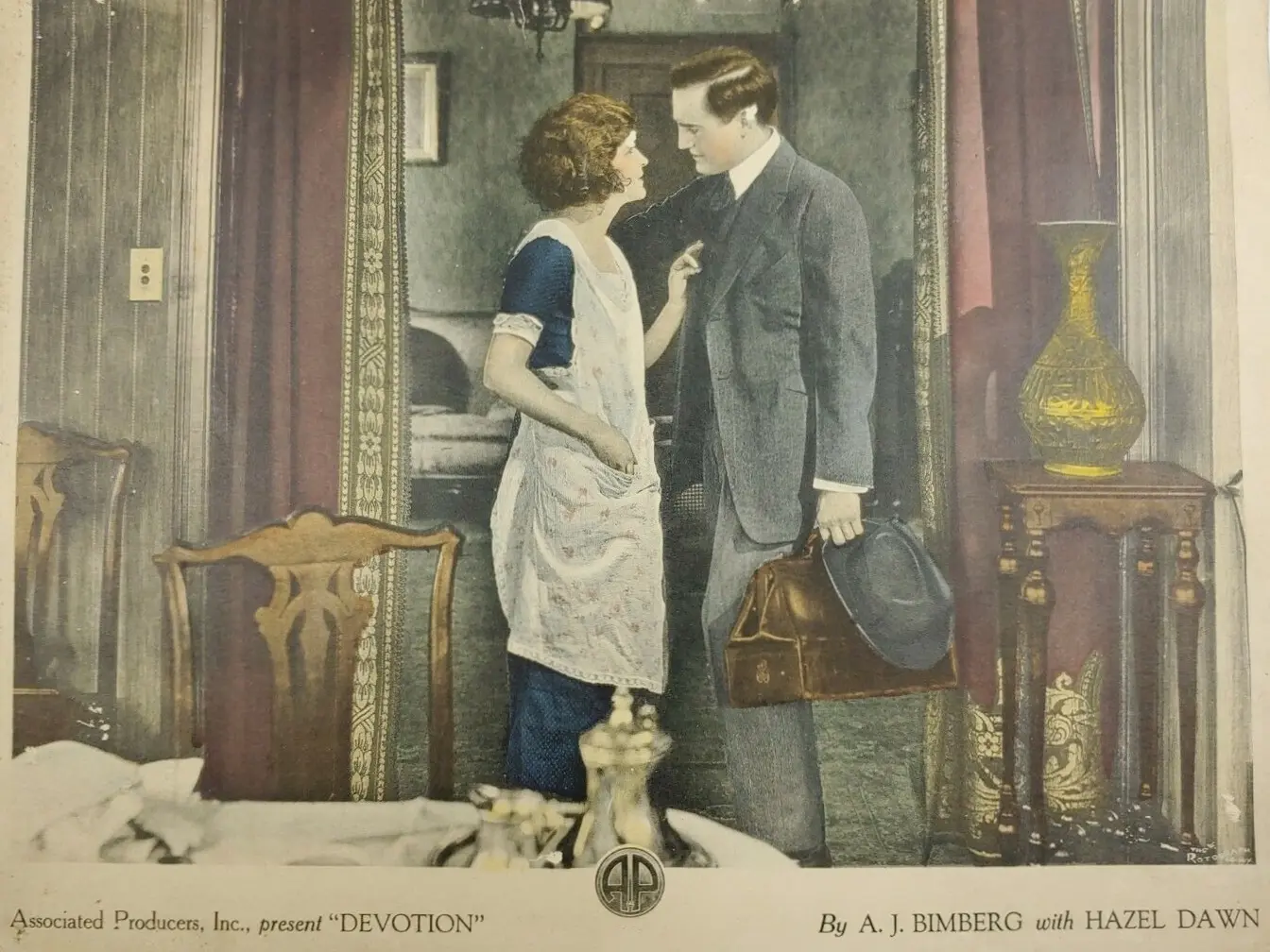
These films utilized visual slapstick and situational irony to create a sense of anarchic joy. The Fable of the Romantic Mouse and Too Much Garlic take these concepts into the realm of the surreal, using animation and short-form storytelling to bypass logic entirely. For the cult viewer, the appeal lies in the unpredictability. When a film like A Jazzed Honeymoon features a groom working in an engine room because he missed his ship, it’s the chaotic energy that keeps the audience engaged.
Westerns and the Myth of the Outlaw: When Fighting's Necessary
The Western genre has always had a foot in the cult camp, thanks to its focus on the rugged individualist and the frontier justice of the outlaw. Films like When Fighting's Necessary and The Hobo of Pizen City explored the thin line between the hero and the villain. In these stories, the protagonist is often an outsider—a hobo, a ranger, or a man wrongly accused. This 'loner' archetype is central to the cult movie ethos, representing a rejection of societal norms in favor of a personal code of honor.
The Brand of Lopez takes this a step further by turning a matador into an outlaw, blending cultures and genres in a way that feels modern. This genre-bending is a key trait of cult films, which often refuse to stay within the lines drawn by critics and studios. By mixing romance, action, and social commentary, these early Westerns laid the groundwork for the 'acid westerns' and spaghetti westerns that would follow decades later.
The Enduring Legacy of the Early Misfits
As we look back at these 50 films—from the abstract rectangles of Rhythmus 21 to the high-stakes gambling of Va banque—we see a vibrant, messy, and deeply creative period of cinematic history. These weren't just 'old movies'; they were experiments in light and narrative. They were the first to understand that cinema could be more than just a recording of a play; it could be a dream, a nightmare, a social weapon, or a geometric puzzle.
The cult of cinema persists today because of the foundations laid by these early pioneers. We still look for the meta-commentary of Sherlock Jr. in our modern blockbusters. We still look for the dark psychology of Dr. Mabuse in our prestige television. We still look for the rebellious spirit of the fringe in every independent film that dares to be different. The silent era may be over, but its subversive pulse continues to beat in the heart of every midnight movie and every obsessive fan who dares to look beyond the marquee.
In the end, cult cinema is about discovery. It’s about finding that one film—like The Lifeguardsman or Zudora—that speaks to you in a language the rest of the world doesn't understand. It’s about the shared ritual of the screen and the enduring power of the unconventional. As long as there are filmmakers willing to take risks and audiences willing to follow them into the dark, the renegade's spectrum will continue to shine.
Community
Comments
Log in to comment.
Loading comments…