
Cult Cinema
The Rogue Celluloid: Decoding the Transgressive DNA of Cinema's First Century of Misfit Masterpieces
“A deep dive into the primal origins of cult cinema, exploring how the silent era's genre mutants and moral outcasts forged the foundation of modern niche obsession.”
To understand the modern cult cinema phenomenon, one must look beyond the neon-soaked midnight screenings of the 1970s and delve into the flickering shadows of the early twentieth century. Before the term 'cult film' was codified, there existed a rogue celluloid landscape populated by genre mutants, moral outliers, and visual experiments that defied the burgeoning conventions of the studio system. These films, often misunderstood or relegated to the fringes upon their release, carry the genetic markers of what we now recognize as the cult aesthetic: a fierce independence, a penchant for the transgressive, and an uncanny ability to resonate with the disenfranchised. In this exploration, we unmask the primal weirdness of cinema’s first century, tracing the lineage from silent-era misfits to the enduring rituals of niche devotion.
The Dualities of the Human Psyche: Precursors to Noir and Horror
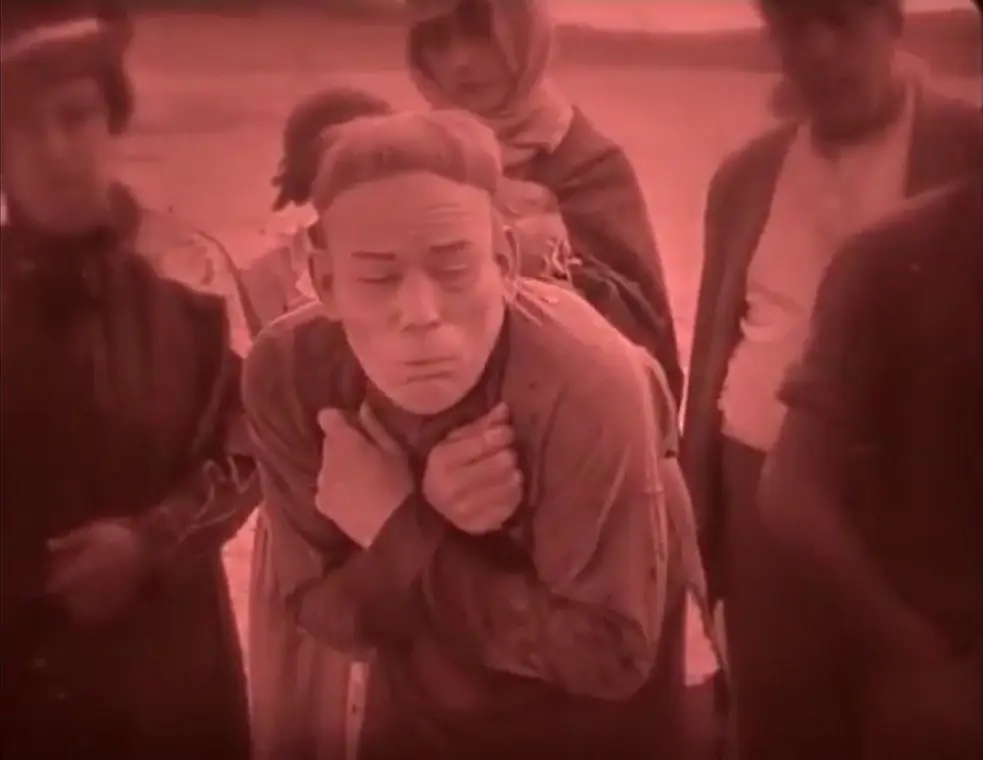
Long before the psychological thriller became a staple of mainstream cinema, early filmmakers were experimenting with the fractured self. A prime example is The Brand of Satan, a film that dared to explore the terrifying concept of dual personalities. By presenting a protagonist who discovers he is simultaneously a respectable man and a notorious strangler, the film tapped into a primal fear of the unknown within. This narrative mutation predates the complex anti-heroes of modern cult classics, establishing a blueprint for the 'moral deviant' that audiences find simultaneously repulsive and magnetic.
Similarly, the Polish drama Krzyk (The Scream) utilized the haunting power of sound—or the visual representation of it in the silent era—to depict psychological torment. The story of a man haunted by the literal echo of his wife’s cry of despair creates a visceral, sensory experience that transcends traditional storytelling. This focus on internal states and obsessive guilt is a recurring theme in the cult canon, where the internal landscape is often as treacherous as the external world. These films didn't just tell stories; they projected the subconscious onto the screen, much like the later works of David Lynch or Cronenberg.
The Outsider’s Perspective: Identity and Displacement
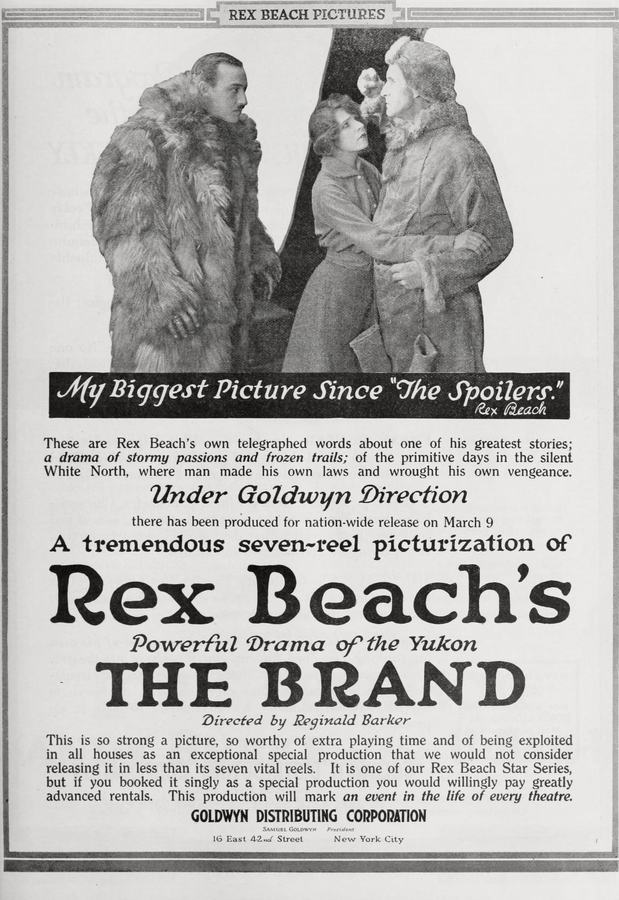
Cult cinema has always been a sanctuary for the outsider, and the early century provided ample ground for stories of displacement and identity crisis. The Gray Horizon, featuring Yano Masata as a struggling Japanese artist in America, navigates the complex intersection of immigrant struggle and artistic integrity. By refusing to tint counterfeit bonds for a wealthy antagonist, the character becomes a symbol of the uncompromising artist—a figure often worshipped in cult circles. The film’s focus on cultural friction and the 'other' resonates with audiences who feel alienated from the mainstream narrative.
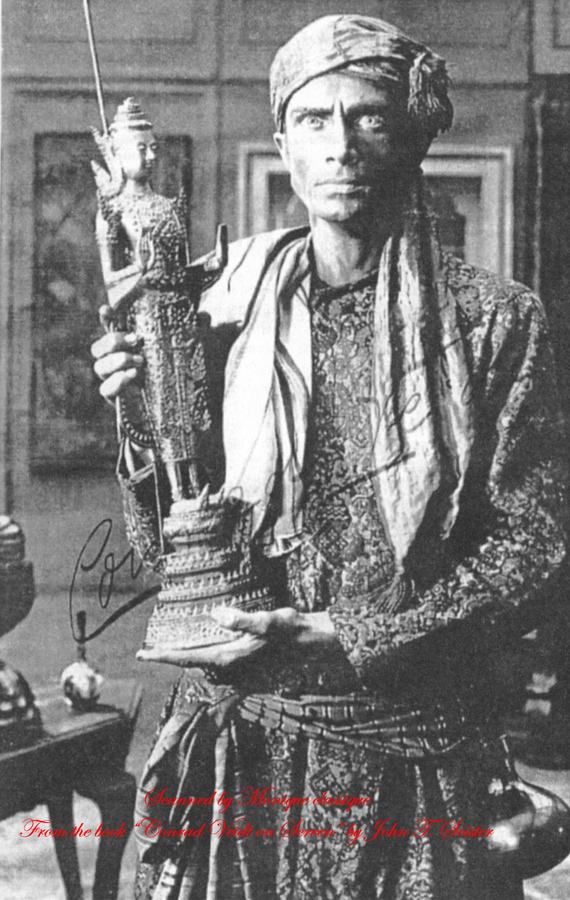
Identity is further complicated in The Young Rajah, where a man raised in the American South discovers his heritage as an Indian prince. This subversion of expected social roles and the exploration of a 'lost' identity provided a canvas for exoticism and melodrama that appealed to the fringe. These narratives of transformation and the reclamation of a hidden self are central to the cult experience, where the act of watching becomes a form of self-discovery for the viewer.
Genre Mutants and the Spectacle of the Bizarre
The early days of cinema were a laboratory for genre experimentation, often leading to 'mutants' that didn't fit neatly into the comedy, drama, or romance boxes. The Flying Circus, with its rope-dancers and snake tamers, combined the grit of traveling life with the high-stakes drama of a 'gypsy' snake tamer’s passion. This blend of the mundane and the extraordinary—the 'flying circus' aesthetic—is a direct ancestor to the carnivalesque atmosphere found in many midnight movies. It celebrates the fringe performer, the person who lives by their own rules on the edges of society.

We also see the birth of the 'Vamp' archetype in The Eternal Sappho, a film that utilized the 'beautiful vamp' trope to explore themes of social climbing and failed schemes. This archetype, characterized by a transgressive femininity and a refusal to adhere to traditional domestic roles, became a cornerstone of cult fandom. The 'Vamp' is not just a character; she is a rebellion against the Victorian sensibilities that still lingered in the early twentieth century. By centering the narrative on a woman who uses her sexuality as a weapon, the film challenged the moral status quo, earning its place in the archive of the deviant.
The Avant-Garde and the Documentary Impulse
While narrative films were pushing boundaries, the documentary form was also undergoing a radical transformation. Dziga Vertov’s Kino-pravda no. 4 represents the 'cinema truth' movement, utilizing newsreel footage to capture the raw, unvarnished reality of Russian life. This rejection of staged drama in favor of the 'life caught unawares' technique provided a different kind of cult appeal: the appeal of the authentic. Cult audiences often prize the 'real' and the 'raw' over the polished and the fake, and Vertov’s work laid the groundwork for the experimental and underground documentaries that would follow decades later.
Sacrifice, Suffering, and the Moral Melodrama
The 'passion play' and the theme of selfless sacrifice have deep roots in cult devotion. Via Crucis, a modern passion play, and True Heart Susie, the story of a girl who sacrifices her own happiness for a neighbor’s ambition, speak to the 'sacred' nature of suffering that often permeates cult narratives. These films often feature protagonists who are 'too good for this world,' becoming martyrs for their beliefs or their loves. This theme of unrequited or sacrificial love is central to films like Camille (1915), where the courtesan Marguerite Gauthier gives up her one true love to save his career, leading to a tragic and iconic end.
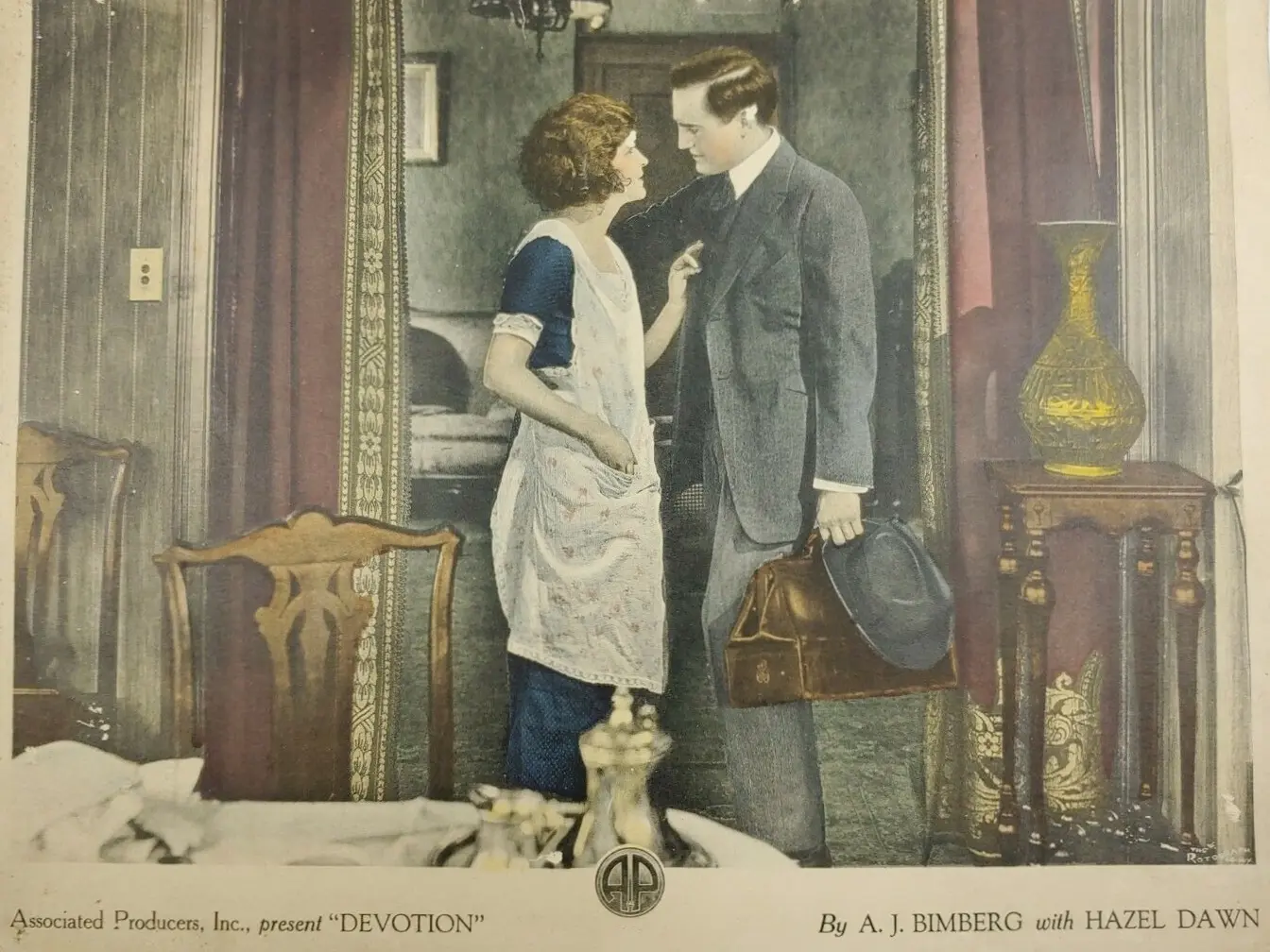
The cult of the 'tragic heroine' is further bolstered by films like Mary Lawson's Secret and Should a Husband Forgive?. These stories deal with the fallout of social transgressions—affairs, killings, and the harsh judgment of a rigid society. In Should a Husband Forgive?, Mary Carroll is cast out by her husband’s family after an affair, a narrative that positions her as a pariah. Cult cinema often adopts these pariahs, turning their stories of ostracization into anthems for the misunderstood. The audience’s empathy for the 'fallen woman' or the 'wronged mother' creates a powerful bond that transcends the screen.
The Wild and the Untamed: Subverting Domesticity
Another recurring motif in the early rogue celluloid wave is the 'taming' of the wild girl. Little Wildcat and Twin Kiddies both feature young women or girls who are perceived as 'wild' or 'unspoiled' by society. In Little Wildcat, the protagonist Robert Ware attempts to turn the 'wild girl' Mag into a graceful lady—a narrative that often reflects the tension between nature and civilization. However, the cult appeal often lies in the 'wildness' itself, the refusal to be tamed. These characters represent a primal energy that the audience admires, even as the plot attempts to suppress it.
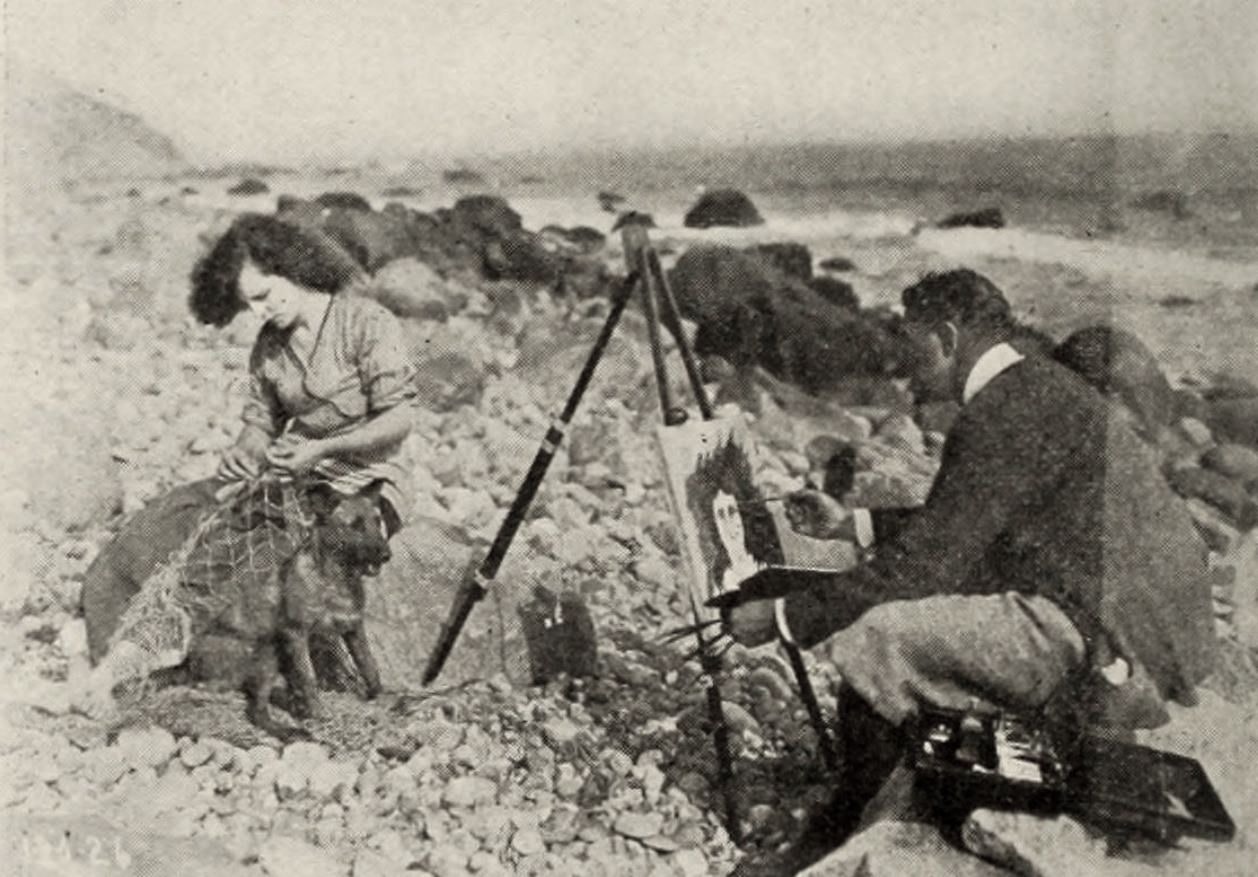
This tension is also evident in Island Wives, where a wife on an isolated island feels restless and bored, lusting for a life beyond her husband’s trading post. The boredom of domesticity and the desire for escape are themes that resonate deeply with the cult mindset, which often seeks an 'elsewhere'—a world more vibrant and dangerous than the one we inhabit. The isolation of the setting mirrors the internal isolation of the character, a classic cult cinema trope.
The Technological and the Supernatural: Early Sci-Fi and Fantasy
Even in its infancy, cinema was looking toward the stars and the supernatural. A Message from Mars, where a Martian is sent to Earth to cure a selfish man, is a fascinating example of early moralistic sci-fi. It uses the 'alien' as a mirror to reflect human flaws, a technique that would become a staple of the genre. Similarly, Joan of Arc (1900) brought the mystical and the historical together, creating a visual spectacle that relied on early special effects to depict Joan’s visions. These films provided a sense of wonder and the 'uncanny' that is essential to the cult experience.
The fascination with the 'other' extends to the desert landscapes of The Man Who Turned White, where a man embittered by injustice becomes an outlaw leader in Africa. This narrative of the white man 'going native' or turning his back on 'civilization' is a complex and often problematic trope, yet it highlights the early cinema’s obsession with the boundaries of identity and the allure of the unknown. It is the story of the renegade, the man who carves his own path in the wilderness, far from the reach of the law.
The Legacy of the Rogue Reel
As we look back at films like The Floor Below, where a cub reporter goes undercover and falls for her subject, or Bungled Bungalows, a comedy of jealousy and real estate, we see the seeds of the 'screwball' and the 'noir' planted firmly in the soil of the early century. These films were the building blocks of a cinematic language that would eventually allow for the birth of the midnight movie. They provided the archetypes, the themes of transgression, and the visual experimentation that would be embraced by future generations of rebels and outcasts.
The enduring power of cult cinema lies in its ability to find beauty in the 'bungled,' the 'dishonored,' and the 'blind.' Whether it’s the accidental shooting in The Burglar or the struggle of the 'soap king’s' son in It Pays to Advertise, these stories remind us that the human experience is messy, contradictory, and often absurd. Cult cinema doesn't ask for perfection; it asks for passion. It invites us to witness the Via Crucis of the human spirit, to cheer for the Little Wildcat, and to find truth in the Kino-pravda of our own lives.
In the end, the rogue celluloid of the first century is not just a collection of old films; it is a living archive of our collective rebellion. It is the foundation upon which the entire cult edifice is built. By decoding the transgressive DNA of these misfit masterpieces, we gain a deeper understanding of why we continue to gather in the dark, waiting for the flicker of the screen to reveal the secrets of the fringe. The midnight movie didn't start in the 1970s; it started the moment the first camera captured a 'moral deviant' or a 'genre mutant,' proving that there has always been a place for the strange, the beautiful, and the rogue.
Community
Comments
Log in to comment.
Loading comments…