
Cult Cinema Deep Dive
The Rogue’s Reliquary: Unearthing the Primal Transgressions and Genre Mutations of Cinema’s Original Midnight Soul
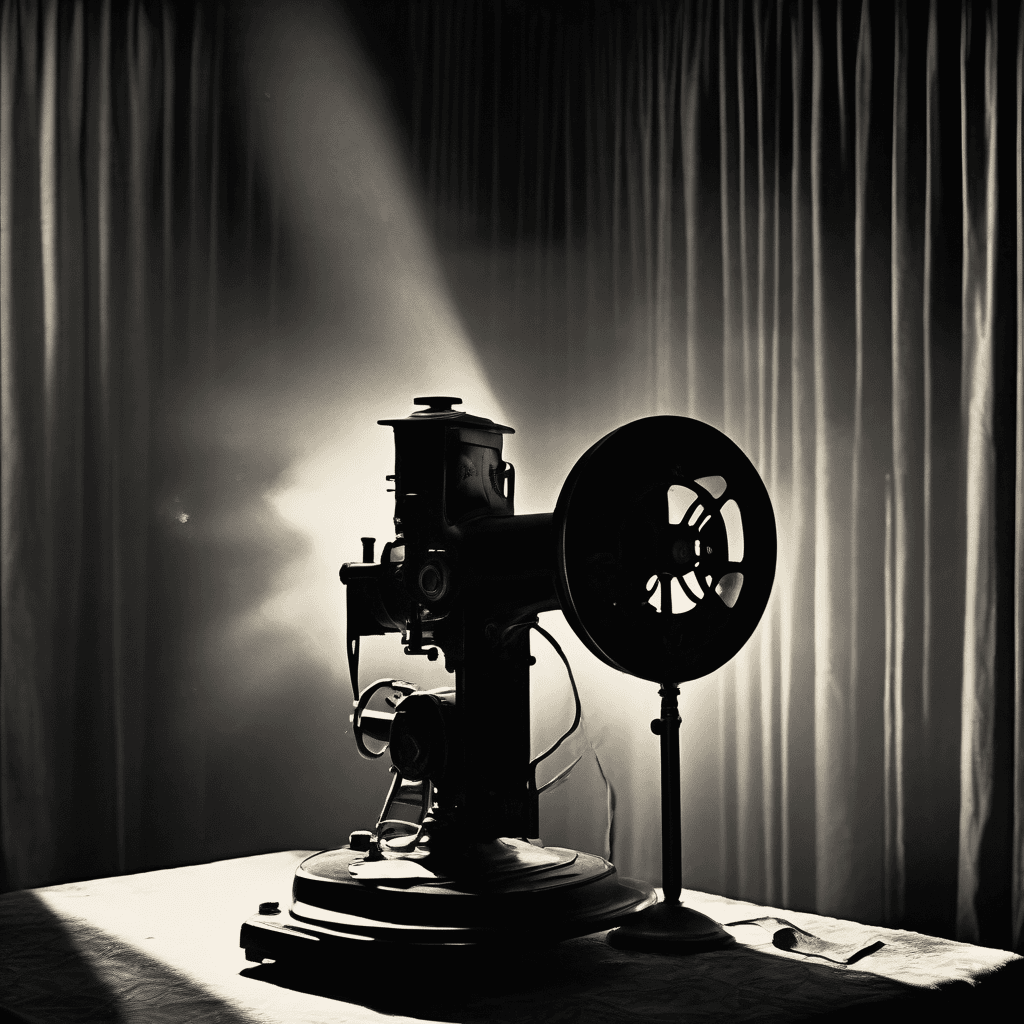
“A deep-dive exploration into how the forgotten anomalies of the silent era, from brain-transplanting doctors to social outcasts, forged the genetic blueprint for modern cult cinema devotion.”
To understand the modern obsession with cult cinema, one must look beyond the neon-soaked midnight screenings of the 1970s and 1980s. The true genesis of transgressive storytelling and niche devotion lies much deeper in the celluloid strata, buried within the flickering shadows of the early 20th century. Long before the term 'cult movie' was coined, a rogue wave of cinematic outliers was already challenging the status quo, experimenting with moral deviance, genre-bending narratives, and visual anarchy. This article explores the primal reliquary of these early works, unearthing how the forgotten misfits of the 1910s and 1920s engineered the very DNA of the midnight movie mindset.
The Architecture of Degradation: Madame X and the Social Outcast
One of the most potent themes in cult cinema is the journey of the social pariah—the individual thrown to the margins who finds a strange, tragic power in their exile. In the 1920 classic Madame X, we see the archetype of the 'fallen woman' taken to its most extreme conclusion. Thrown out by a jealous husband, the protagonist sinks into a life of degradation, only to emerge decades later in a court of law, charged with murder. This narrative of systemic rejection and ultimate sacrifice resonates with the cult audience's affinity for the underdog and the misunderstood.
Similarly, The Red Woman (1917) explores the alienation of Marie Temosach, an indigenous woman who graduates with honors only to find herself rejected by the 'civilized' world. Her return to her old home and her defiance of those who would exploit her represents an early flicker of the rebel spirit that defines modern cult icons. These films didn't just tell stories; they mirrored the anxieties of a society in flux, providing a sanctuary for narratives that the mainstream often preferred to ignore.
Scientific Grotesqueries: The Love Doctor and the Birth of Body Horror
Cult cinema has always had a morbid fascination with the boundaries of the human form. Long before Cronenberg or Lynch, the silent era was already dabbling in the grotesque and the uncanny. Take, for example, the bizarre premise of The Love Doctor (1917). In a plot that feels centuries ahead of its time, a doctor transplants the brain of a girl who loves him into the body of the girl he actually desires. This early experiment in body horror and ethical transgression laid the groundwork for the 'mad scientist' trope that would become a staple of late-night B-movies.
The sheer audacity of such a narrative in 1917 speaks to the experimental nature of the early film industry. These weren't just movies; they were cinematic provocations. They pushed the limits of what was acceptable, forcing the audience to confront the macabre and the unnatural. This willingness to embrace the 'weird' is the cornerstone of the cult experience, where the bizarre is not just accepted but celebrated as a mark of creative bravery.
The Surrealism of the Everyday: The Hunch and Torchy Takes a Chance
Not all cult cinema is defined by horror; sometimes, it is the surrealism of the mundane that captures the imagination. In The Hunch (1921), a protagonist wakes up in a bathtub to find stock tips written on his shirt. This dreamlike, almost Lynchian opening suggests a world where the line between reality and the absurd is dangerously thin. Similarly, Torchy Takes a Chance (1921) follows the chaotic journey of a raffle ticket blown out of a window, turning a simple premise into a frantic, logic-defying pursuit.
These films utilized kinetic energy and visual gags to create a sense of manic unpredictability. For the modern cult enthusiast, these works represent the early mastery of 'vibe' over traditional structure. They prioritize the experience of the moment—the frantic chase, the absurd coincidence—over the rigid demands of a linear plot. This 'felt' cinema is exactly what draws devotees to the fringes of the medium.
The Global Rogue: Nathan der Weise and the Serialized Shadow
The cult mindset is inherently global, seeking out the 'other' from across the seas. The German production Nathan der Weise (1922) stands as a monumental historical drama that tackled religious tolerance during the Crusades. By bridging the gaps between Judaism, Islam, and Christianity, it presented a radical humanism that was often absent from the more jingoistic mainstream fare of the era. Its status as a 'wise' film makes it a precursor to the intellectual cult cinema that values philosophical depth as much as visual spectacle.
On the other end of the spectrum, we have the Italian serial I topi grigi (The Grey Rats). As the eighth installment in the Za-la-Mort series, it represents the birth of the obsessive fan culture. The serial format, with its cliffhangers and recurring characters, trained audiences to become 'disciples' of a specific narrative world. The Grey Rats gang, with their shadowy influence and criminal underworld, provided the template for the secret societies and shadowy conspiracies that populate modern cult thrillers.
Meta-Flickers and Animated Anarchy: On Strike
Perhaps the most 'cult' moment in early cinema history occurs in the short On Strike (1920). In a move that predates modern meta-commentary by decades, the animated characters Mutt and Jeff go on strike and decide to make their own film. This fourth-wall-breaking rebellion is the ultimate expression of the maverick spirit. It acknowledges the artifice of the medium and invites the audience to participate in the joke.
This self-reflexivity is a key component of the cult aesthetic. Whether it's the campy awareness of a low-budget horror flick or the sophisticated deconstruction of a French New Wave masterpiece, the 'cult' film often knows it is a film. On Strike shows us that even in the 1920s, creators were already itching to tear down the walls of the cinematic temple and rebuild it in their own image.
The Western Mythos and the Gambling of Fate
The American West provided a fertile ground for moral ambiguity, a trait highly prized by cult aficionados. In The Girl of the Golden West (1923), the protagonist plays a high-stakes game of cards with the Sheriff to decide the fate of her outlaw lover. This scene, iconic in its tension, encapsulates the cult theme of the 'noble outlaw' and the woman who defies authority to protect what she loves. It’s a narrative of transgressive romance that bypasses traditional morality in favor of a personal code of honor.
Similarly, KingFisher's Roost (1921) follows a man framed for a crime who escapes to Mexico, only to be drawn back by the disappearance of his beloved and a stolen fortune. These films used the vast, lawless landscape of the West to explore characters who were neither wholly good nor wholly evil, but rather complex survivors navigating a world that had already decided their guilt. This moral gray area is exactly where cult cinema thrives, offering a home for the complicated and the conflicted.
The Mystery of the Hidden Frame: From Worlds Apart to Calvert's Valley
Cult cinema often rewards the 'detective' viewer—the fan who searches for clues in the background or obsessed over plot holes. Early mystery films like Worlds Apart (1921) and Calvert's Valley (1922) were the blueprints for this engagement. In *Worlds Apart*, a man recklessly marries a woman he saved from drowning, only for them to live in separate wings of his house, surrounded by secrets. In *Calvert's Valley*, a friend's death at the bottom of a cliff triggers a spiral of guilt and broken engagements.
These narratives utilized the unseen and the unspoken to create a sense of dread and curiosity. They weren't just stories; they were puzzles. For the early 20th-century audience, these films offered a sophisticated level of engagement that went beyond simple entertainment. They invited the viewer to question the screen, to doubt the characters, and to look for the 'truth' hidden between the frames.
Conclusion: The Eternal Flicker of the Fringe
The 50 films referenced in this exploration—ranging from the educational majesty of The Colosseum in Films (1917) to the domestic comedies of Up in Betty's Bedroom (1917)—demonstrate that the 'cult' spirit has always been a fundamental part of the cinematic experience. It is the spirit of the outlier, the rogue, and the rebel. It is the desire to see the world not as it is, but as it could be in our darkest dreams or our most absurd fantasies.
When we watch a modern cult classic today, we are hearing the echoes of these early silent pioneers. We are seeing the legacy of the brain-transplanting doctors, the striking cartoon characters, and the fallen women who refused to stay down. The rogue’s reliquary is not a static museum; it is a living, breathing archive of rebellion that continues to inspire, provoke, and transfix us with every flickering frame. As long as there are filmmakers willing to gamble on the 'weird' and audiences eager to embrace the 'other,' the heart of cult cinema will continue to beat with the primal energy of its original midnight soul.
Community
Comments
Log in to comment.
Loading comments…