
Deep Dive
The Shadow Jurisprudence: How 1910s Private Justice Thrillers Scripted the Cult of the Vigilante Outlaw
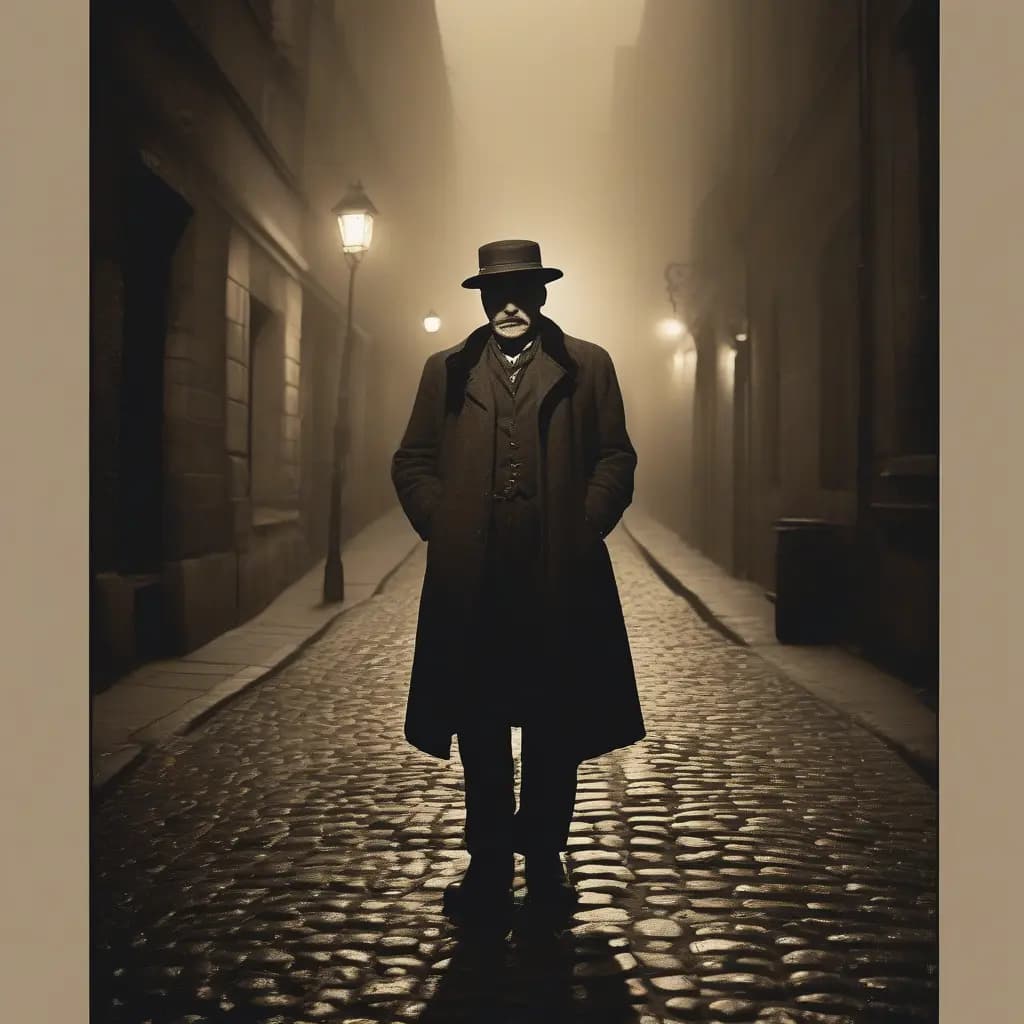
“Before the Punisher or John Wick, the silent era birthed a subterranean genre of secret tribunals and 'Apache' justice that defined the modern cult of the righteous outlaw.”
There is a specific, electric tension that exists when the gavel falls and the audience knows the law has failed. We see it today in the neon-soaked vengeance of modern action cinema, but the DNA of this obsession—the worship of the extra-judicial executioner—wasn't forged in the 1970s grindhouse. It was etched into nitrate during the 1910s, a decade where the cinematic screen became a laboratory for a new kind of morality. This was the era of 'Shadow Jurisprudence,' a movement of films that suggested the only true justice was that which was meted out in the dark, by men and women who had stepped outside the social contract. To understand the cult of the vigilante, we have to look back at the flickering ghosts of the Parisian underworld and the secret societies of the early American screen.
The Apache Code and the Birth of the Secret Master
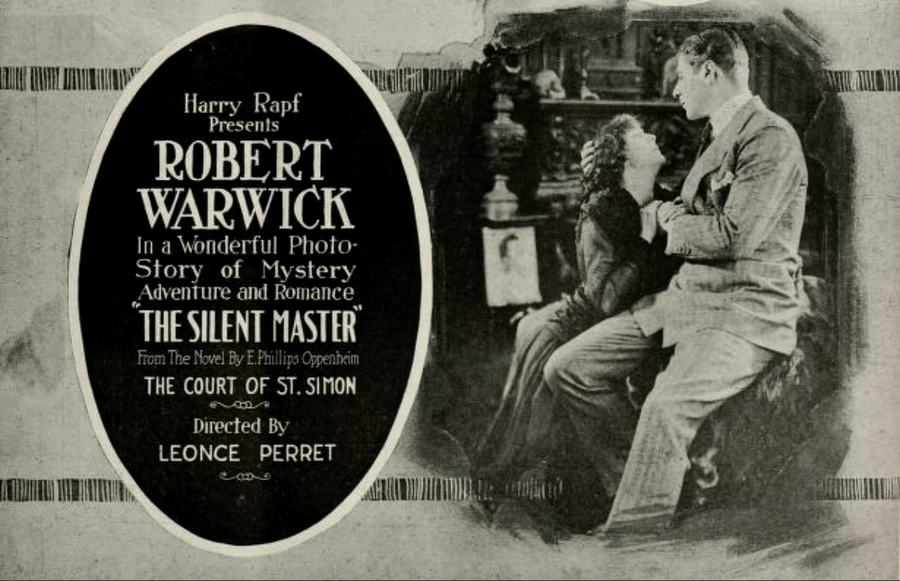
The 1917 film The Silent Master remains one of the most potent examples of this early transgressive fascinations. In it, we meet Valentin Marquis de Sombreiul—a man of high breeding who operates under the alias 'Monsieur Simon.' He isn't just a criminal; he is the leader of the Parisian Apaches, a subculture of street-tough brawlers and societal rejects who functioned as a private army of retribution. The 'Apache' wasn't just a tabloid bogeyman in 1910s France; they were a counter-cultural symbol of resistance against a corrupt bourgeoisie. By casting a Marquis as their leader, the film creates a bridge between the elite and the gutter, suggesting that the formal legal system is a mere facade.
What makes The Silent Master a foundational text for the cult mindset is its dedication to 'private justice.' These characters don't call the police; they hunt. They don't seek a trial; they seek a reckoning. This rejection of the state as the arbiter of right and wrong is the bedrock of cult cinema. It appeals to the primal desire for a clear, visceral resolution to moral rot. When Monsieur Simon and his band of Apaches mete out their own justice, they are performing a ritual for the audience—one that promises that even if the system is broken, the 'Master' sees all.
"The shadow of the vigilante is never cast by the sun of the law, but by the flickering lamp of the underground tribunal."
Genetic Sin and the Social Highwayman
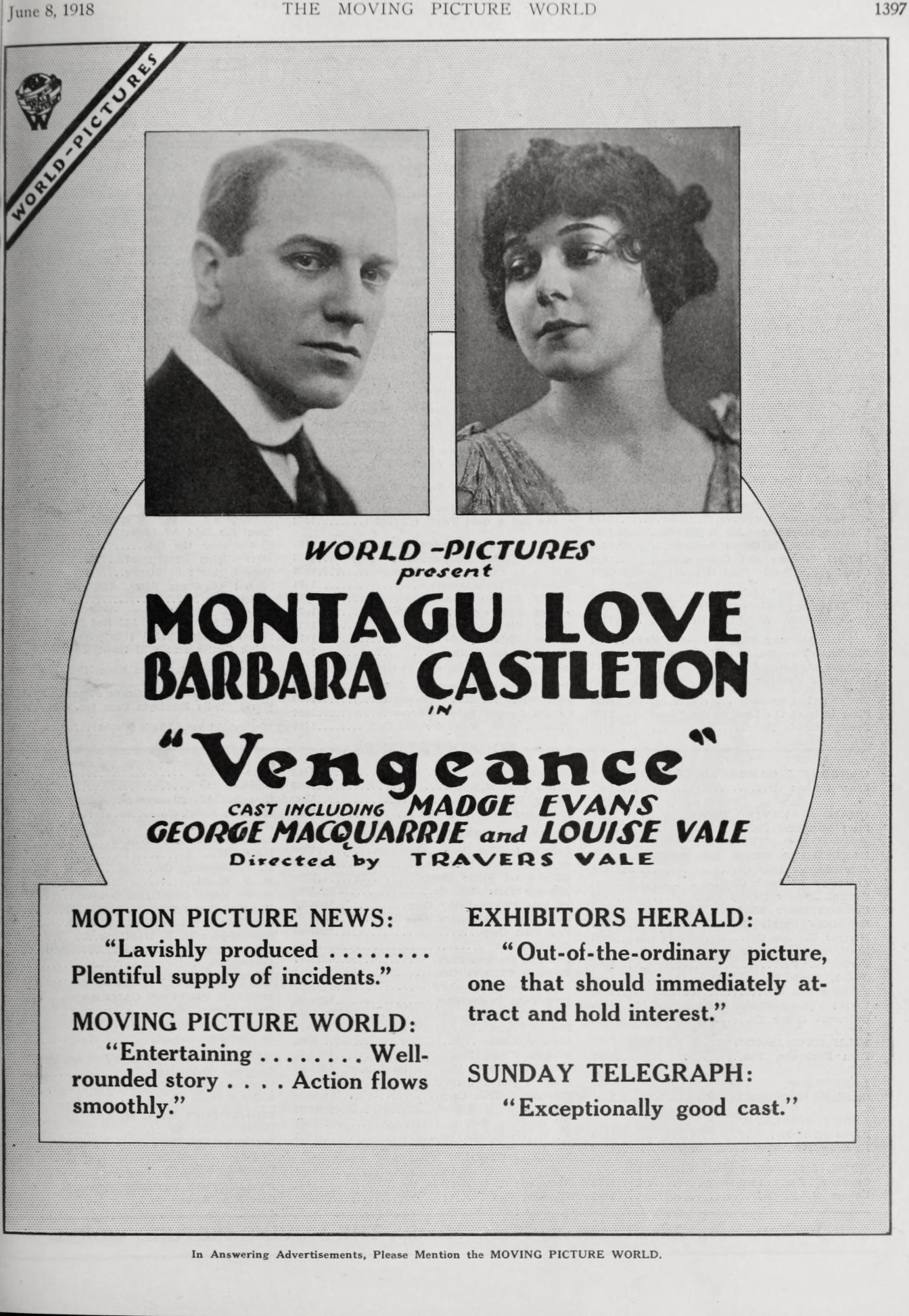
While the French were romanticizing the Apache, American cinema was grappling with a darker, more deterministic view of the outlaw. In The Social Highwayman (1916), we see a fascinating intersection of class anxiety and pseudo-scientific fatalism. The protagonist, Curtis Jaffray, is a man driven to robbery not just by economic necessity, but by what the film describes as 'genetic tendencies.' His mother, an Italian peasant, was forced to steal to survive, and the film posits that this penchant for larceny was passed down like a bloodline curse.
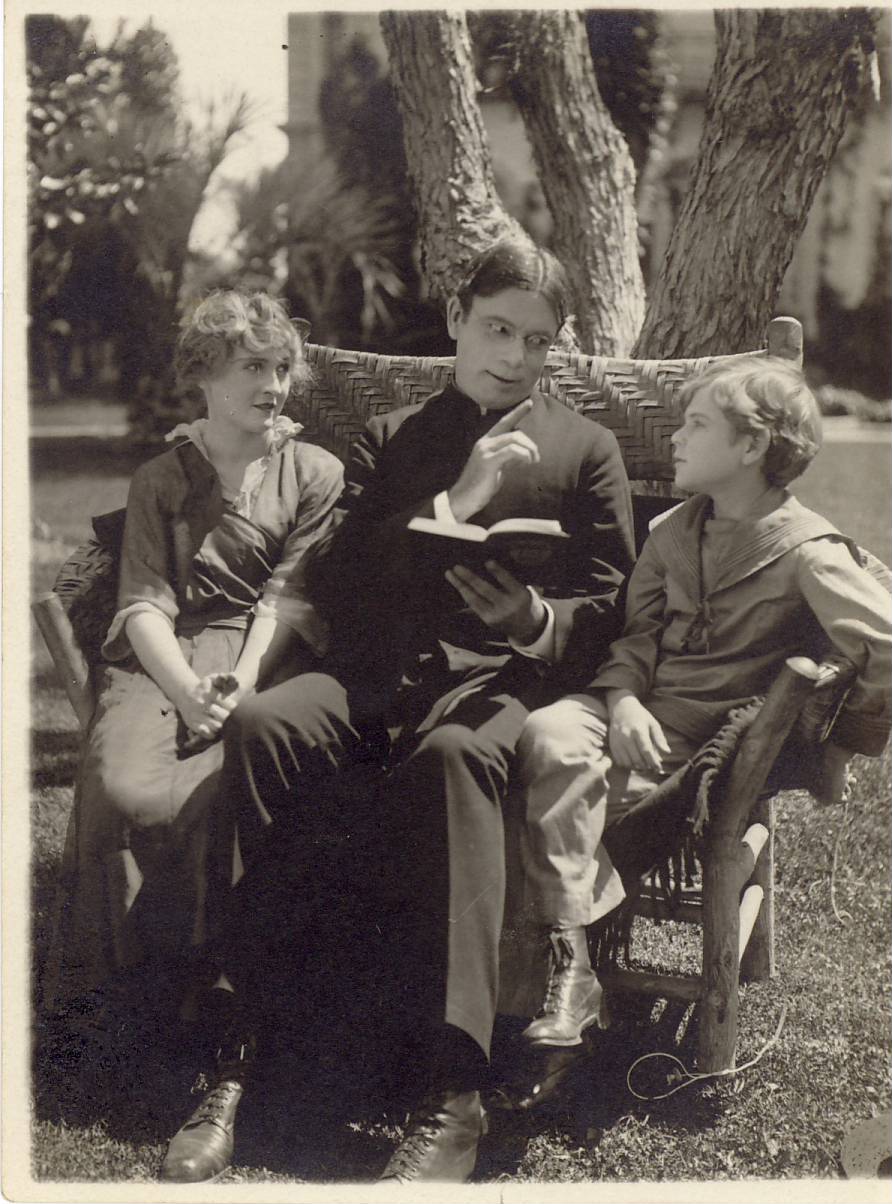
This idea of the 'born outlaw' is a recurring trope in cult cinema—the hero who cannot help but be a monster, or the monster who cannot help but be a hero. It removes the element of choice and replaces it with a tragic, inescapable destiny. The cult of the vigilante often relies on this sense of 'otherness.' The vigilante isn't a normal man who decides to pick up a gun; he is a creature of a different breed, someone whose very nature compels them to operate in the shadows. The Social Highwayman prefigures the anti-heroes of the 1970s—characters who are fundamentally 'broken' by their heritage or their environment, yet find a strange, bloody redemption through their transgressions.
The Domestic Tribunal: Women and Private Vengeance
We often think of the vigilante as a masculine archetype, but the 1910s offered a surprisingly robust subgenre of female-led private justice. Take Mrs. Dane's Confession (1916). Here, the 'brute' is a husband whose villainy is so absolute that the legal system offers no recourse. When Mrs. Dane finally decides to kill him, it isn't framed as a simple crime of passion; it is a calculated execution. The film forces the audience to sit in the jury box of the soul, asking if a woman has the right to enact her own law when the domestic sphere becomes a prison.
This theme of 'justifiable homicide' within the home created a specific kind of 'forbidden' thrill for early audiences. It allowed for a cathartic release of social pressures that the 'polite' cinema of the era usually avoided. These films were the precursors to the 'Rape and Revenge' subgenre, though they operated with a much more nuanced, melodramatic weight. They established the idea that some sins are too deep for the court to touch, requiring a personal, often lethal, intervention.
- The subversion of the 'damsel in distress' into the 'architect of retribution.'
- The use of the 'confession' as a narrative device to bypass moral censorship.
- The domestic space as a site of political and physical warfare.
The Frontier of Suspicion: Six Feet Four and the Identity of the Outlaw
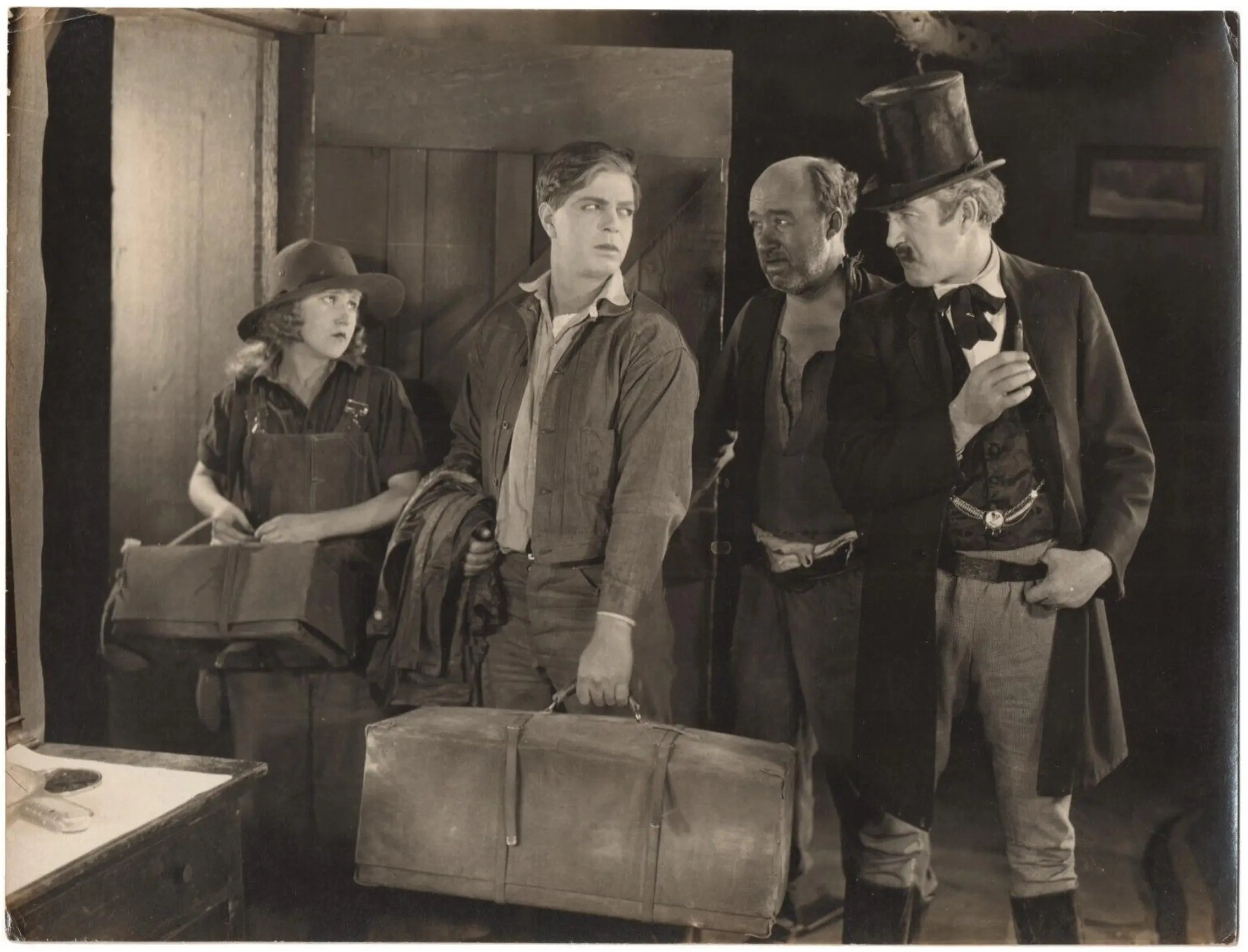
In the Western genre, the line between the lawman and the outlaw has always been razor-thin, but in the 1919 film Six Feet Four, that line is blurred by the sheer physicality of the protagonist. A cowboy is accused of a robbery simply because he matches the height—6'4—of the culprit. This film shifts the focus from moral intent to visual identity. In the lawless frontier, you are who the world says you are, until you can prove otherwise with a gun.
This 'mistaken identity' trope is a staple of cult thrillers, but Six Feet Four uses it to explore the fragility of order. The protagonist must become a detective and a judge simultaneously. He cannot rely on the 'Sheriff' or the 'Posse' because they are the very ones hunting him based on a superficial measurement. This creates a paranoid, 'man-on-the-run' energy that would eventually define the noir tradition. It reinforces the cult doctrine: the individual is the only one who can truly uncover the truth, and the crowd is always a mob waiting to happen.
The Rise of the Mystery-Vigilante
We also see the seeds of the 'super-vigilante' in serials like The Call of Siva. While Nayland Smith and Petrie are technically men of the law, their battle against the 'evil' Dr. Fu-Manchu takes place in a world of pythons, spiders, and 'wire jacket' tortures—a world where the rules of Evidence and Procedure are replaced by the rules of survival and occult combat. These films taught audiences to crave the 'spectacle' of justice, where the method of punishment was just as important as the conviction itself.
The Enduring Altar of the Private Eye and the Hidden Hand
Why do these century-old films still resonate with the cult cinema historian? Because they represent the first time cinema dared to suggest that the 'villain' might be the system itself. Whether it's the Parisian Apache fighting class warfare in The Silent Master or the desperate woman in Mrs. Dane's Confession, these films established the 'shadow jurisprudence' that would eventually give us the anti-heroes of the New Hollywood era and the vigilante fantasies of the modern day.
The cult of the vigilante is a cult of the 'Hidden Hand.' It is the belief that somewhere, behind the scenes, there is a master who is making things right—not through the slow, grinding gears of the state, but through the swift, decisive action of the individual. As we look back at the nitrate-choked streets of 1910s cinema, we see the blueprint for our modern obsession with the outlaw. We aren't just watching movies; we are participating in a century-old ritual of rebellion, worshiping at the altar of the man who refuses to wait for the gavel to fall.
In the end, the 'Silent Master' isn't just a character; he is the spirit of cult cinema itself—unseen, uncompromising, and operating by a code that the mainstream will never fully understand. When we seek out these forgotten relics, we are looking for that same spark of defiance, that same shadow of justice that first flickered onto the screen over a hundred years ago.
Community
Comments
Log in to comment.
Loading comments…