
Listicle
10 Silent Cinematic Gems That Defined the Roaring Screen Art of 1917-1920
“From slapstick fever dreams to tropical melodramas, revisit ten ultra-rare silent films that lit up the silver screen between 1917 and 1920 and continue to influence modern filmmakers today.”
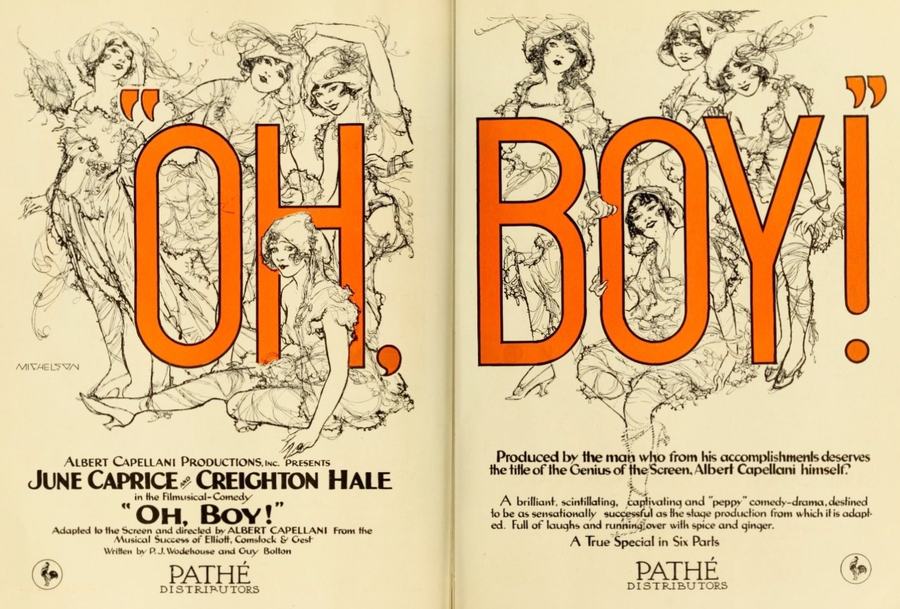
1. Oh Boy! (1919)
Imagine a world where jazz-age slang meets frantic slapstick—Oh Boy! delivers exactly that. This breezy 1919 romp follows a hapless everyman who stumbles into misadventure after misadventure, all because of a case of mistaken identity. Fast-cut gags, daring stunts, and a love story sweeter than bathtub gin make it a template for every screwball comedy that followed. Director Thomas R. Mills (the uncredited genius behind many Keystone-style capers) orchestrates pratfalls that feel fresh even a century later. The real joy? Seeing how the film’s rapid-fire editing foreshadows modern action comedies, proving that timing has always been everything. Read full review of Oh Boy!
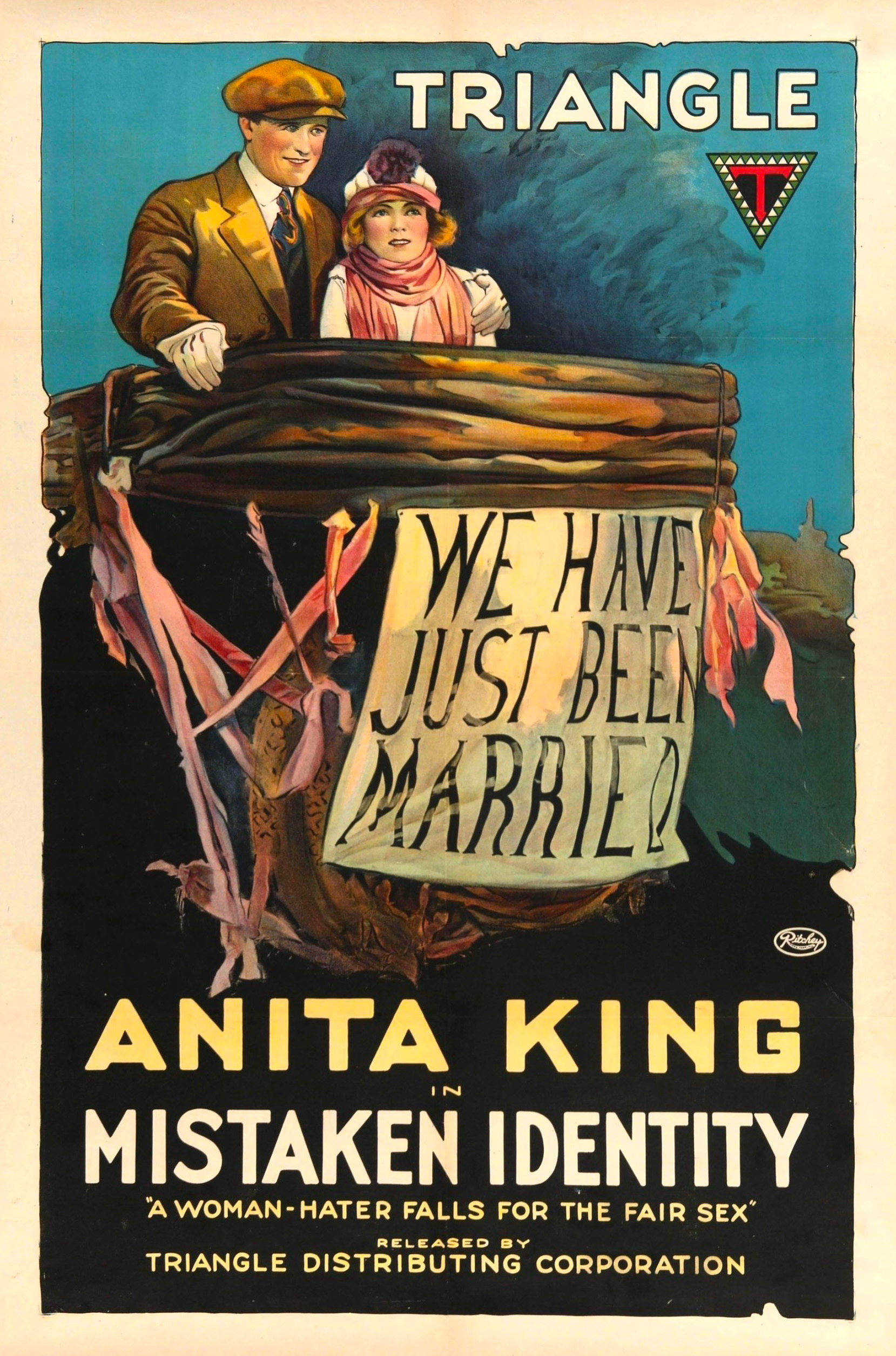
2. The Dancin' Fool (1920)
Step-ball-change into 1920’s dance-hall decadence with The Dancin' Fool, a backstage musical before backstage musicals were cool. Our toe-tapping hero vies for both a Broadway crown and the heart of a tempestuous starlet, but jealous rivals scheme to trip him—literally—at every turn. Director William C. Dowlan stages exuberant dance numbers that pulse with proto-rock-concert energy, while intertitles crackle with flirtatious wit. It’s a snapshot of Prohibition-era nightlife: all glitter, gin, and high-kicking hope. Contemporary choreographers still study its long takes, marveling at how dancers maintained breathless pizzazz without a single sound cue. Read full review of The Dancin' Fool
3. A Tokio Siren (1920)
Eastern exotica meets Western melodrama in A Tokio Siren, a 1920 curiosity filmed on lavishly constructed Oriental sets. An American sailor falls under the spell of a Japanese femme fatale, only to discover that love across cultures comes at a steep price. Director Norman Dawn pioneered early hand-painted tinting here, bathing night scenes in moody blue and crimson—a precursor to modern color grading. While some portrayals feel dated, the film’s plea for empathy transcends its era, and the climactic tea-house fire remains a masterclass in silent suspense. Film scholars cite it as a key influence on later epics like Bridge on the River Kwai. Read full review of A Tokio Siren
4. Kri-Kri, die Herzogin von Tarabac (1920)
German Expressionism crashes into bedroom farce in Kri-Kri, die Herzogin von Tarabac. The titular duchess—played by pint-sized powerhouse Kri-Kri—escapes an arranged marriage by posing as a commoner, only to tumble into a carnival of mistaken identities and political intrigue. Director Heinrich Bolten-Baeckers blends grotesque shadow work with feather-light humor, predicting Tim Burton’s gothic whimsy by seven decades. Look for the surreal ballroom sequence where dancers wear animal masks: a direct influence on The Lion King stage musical’s mask aesthetic. Read full review of Kri-Kri, die Herzogin von Tarabac
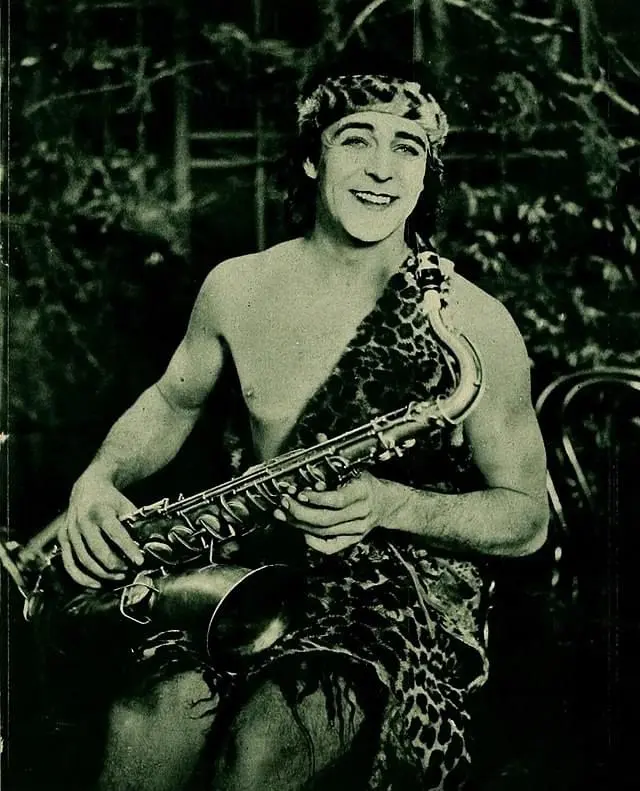
5. He Loved Her So (1918)
Pack tissues for He Loved Her So, a 1918 tearjerker that proves silent cinema didn’t need dialogue to break hearts. When a small-town doctor sacrifices everything to cure his beloved, the film morphs into a meditation on altruism versus obsession. Director Thomas R. Mills (yes, the same mastermind behind Oh Boy!) swaps slapstick for soulfulness, bathing scenes in ethereal light that anticipates 1940s noir romance. Critics praised its restrained performances; modern viewers will note how the final bedside tableau inspired similar beats in The Notebook. Read full review of He Loved Her So
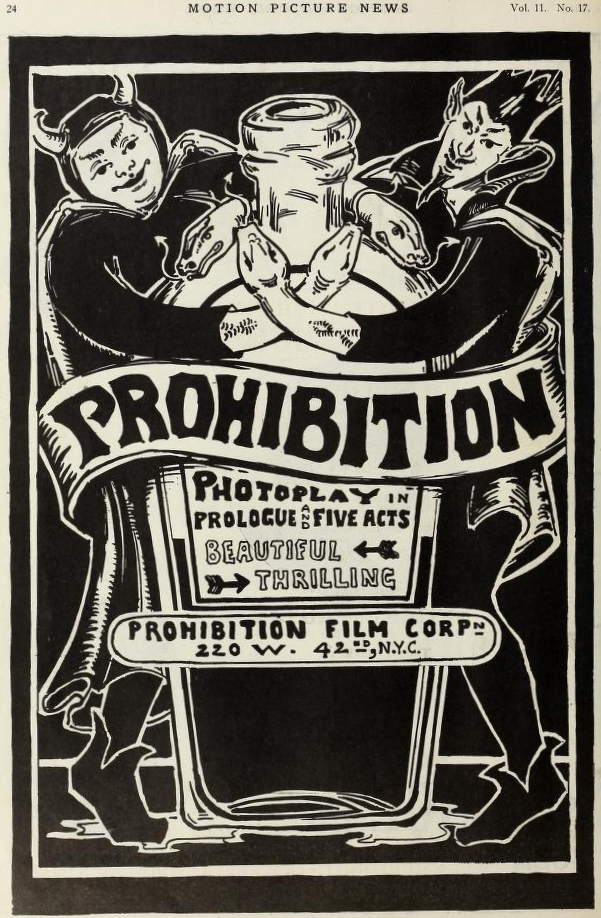
6. A Bid for Fortune (1917)
Long before Indiana Jones cracked his first whip, A Bid for Fortune (1917) sent audiences on a globe-trotting quest for a cursed idol. Equal parts adventure serial and drawing-room mystery, the film pits a dashing antiquarian against secret societies, booby-trapped temples, and the ultimate temptation: wealth versus honor. Director Raymond Longford pioneered day-for-night shooting on location, lending African vistas an ominous glow. Creaky? Sure. But its breakneck cliff-hangers—train-top fights, runaway carriages—remain adrenaline gold. Spielberg once cited it as childhood inspiration, and you can spot echoes in Raiders of the Lost Ark’s desert chase DNA. Read full review of A Bid for Fortune
7. Vendémiaire (1918)
Set during the French Revolution’s grape harvest, Vendémiaire (1918) is a pastoral poem come to life. Director Henry Houry contrasts sun-dappled vineyards with the guillotine’s shadow, weaving a love triangle that questions whether liberty is worth bloodshed. The camera lingers on pastoral rituals—foot-treading grapes, candlelit cellars—creating a tactile sense of place rarely seen in early cinema. Its finale, where lovers escape across burning fields, influenced the burning-of-Atlantis sequence in Gone with the Wind. Wine aficionados adore its authentic harvest techniques; cinephiles admire its proto-Neo-Realist non-actors. Read full review of Vendémiaire
8. Twin Beds (1920)
Marital mayhem explodes in Twin Beds (1920), a bedroom farce that feels startlingly modern. When a husband insists on separate beds to cure his wife’s snoring, neighbors misinterpret the arrangement, spawning a chain of hilarious misunderstandings. Director Lloyd Ingraham cranks up the innuendo without a single spoken word, proving that silent comedy could be as risqué as any R-rated rom-com. Watch for the split-screen sequence showing simultaneous chaos in mirrored apartments—a gag replicated in Friends episodes a century later. Read full review of Twin Beds
9. The Law of Nature (1919)
What if Tarzan traded loincloths for moral philosophy? The Law of Nature (1919) explores that premise, stranding a prim scholar and a streetwise orphan on a desert isle. As they struggle to survive, the film asks whether civilization is merely skin-deep. Director Paul Scardon juxtaposes lyrical seascapes (shot in Catalina) with raw survival sequences, foreshadowing Cast Away. The intertitle cards quote Darwin and Emerson—heady stuff for 1919 audiences—yet the emotional core is pure humanity. Environmentalists praise its subtle eco-message; filmmakers study its use of natural light decades before Malick. Read full review of The Law of Nature
10. The Idol Dancer (1920)
Close the list with tropical opulence in The Idol Dancer (1920). On a Polynesian isle, an American soldier falls for a temple dancer whose sacred vows forbid romance. Director Charles Swickard orchestrates torch-lit rituals, pearl-diving stunts, and a hurricane finale that rivals Mad Max: Fury Road for elemental fury. Hand-tinted frames make ceremonial fires glow hellish red against oceanic blues, creating a living watercolor. Though some colonial tropes feel archaic, the film’s respect for indigenous dance influenced later ethnographic works like Baraka. Read full review of The Idol Dancer
From slapstick to soul-searching, these ten silent treasures prove that the Roaring ’10s and early ’20s were anything but quiet. Rediscover them, and you’ll hear history speak louder than words.
Community
Comments
Log in to comment.
Loading comments…