
DbcultAccessing Vault...
Listicle
Senior Film Conservator

In an age dominated by CGI spectacles, immersive soundscapes, and rapid-fire dialogue, it's easy to forget the profound magic that first flickered onto screens over a century ago. Yet, the silent film era (roughly 1895-1929) wasn't merely a precursor to modern cinema; it was a vibrant, innovative period of storytelling that laid the groundwork for everything we see and experience today. These films, devoid of spoken dialogue but rich in visual artistry, emotional depth, and groundbreaking techniques, continue to hold a unique charm.
They challenged filmmakers to communicate complex narratives and profound emotions through gesture, expression, intertitles, and the sheer power of the moving image. Join us as we journey back in time to explore 10 remarkable silent film classics from 1915 to 1926 that, despite their age, still resonate, entertain, and remind us of cinema's foundational artistry and its enduring ability to connect with audiences across generations. Prepare to be enchanted by the whispers from the silver screen!
Before CGI brought titanic shipwrecks and breathtaking maritime dramas to life, films like S.O.S. Perils of the Sea plunged audiences into high-stakes adventures with practical effects and gripping narratives. This 1925 production is a testament to the silent era's ability to craft edge-of-your-seat thrillers, featuring daring rescues, treacherous storms, and the raw human resilience against the unforgiving ocean. Its visual grandeur and intense emotional beats made it a standout, proving that action and suspense were just as potent without spoken words. A true spectacle of its time, it reminds us of the raw power of visual storytelling and the pioneering spirit of early filmmakers.
Read full review of S.O.S. Perils of the Sea

A delightful peek behind the curtain of early Hollywood, Merton of the Movies is a charming and clever comedy that satirizes the burgeoning film industry itself. It tells the story of Merton Gill, a naive aspiring dramatic actor who dreams of stardom in serious roles but is inadvertently cast in slapstick comedies, becoming a reluctant sensation. The film beautifully explores the collision of ambition and reality, showcasing the innocent optimism of the era while gently poking fun at the nascent studio system. Its humor is surprisingly timeless, and its portrayal of Hollywood dreams and the often-unpredictable path to fame feels as relevant today as it did a century ago, making it a true gem for fans of meta-narratives and classic comedy.
Read full review of Merton of the Movies
Hailing from the very early days of feature filmmaking, The Beloved Vagabond offers a poignant romantic drama that delves into themes of freedom, sacrifice, and enduring love. Set against the evocative backdrop of European bohemian life, it follows the unconventional journey of a man who forsakes societal norms for a life of wandering, only to find his past inextricably linked to his present. This 1915 production showcases the nascent power of cinema to tell complex, character-driven stories, relying on powerful performances and evocative visuals to convey deep emotional truths. It’s a fascinating glimpse into the formative years of narrative film, demonstrating cinema's early capacity for sophisticated storytelling.
Read full review of The Beloved Vagabond
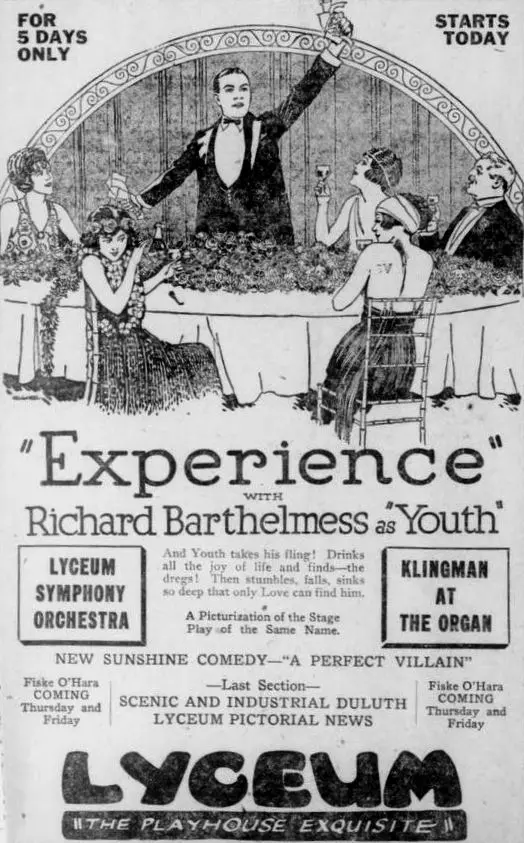
Just as the silent era was beginning to prepare for the advent of talkies, films like The Song and Dance Man celebrated the vibrant world of vaudeville, a popular form of entertainment that often bridged the gap between stage and screen. This 1926 film is a heartwarming comedy-drama about a struggling performer clinging to his dreams, offering a poignant look at the resilience and passion of entertainers. While silent, its narrative expertly evokes the rhythm and spirit of musical performance through expressive acting, clever staging, and intertitles that hint at songs. It provides a nostalgic tribute to a bygone era of live entertainment and the enduring human spirit of showmanship.
Read full review of The Song and Dance Man
True to its name, Assorted Nuts delivers a collection of comedic delights from 1925, embodying the joyous, often chaotic spirit of silent slapstick. While specific details on its exact structure can sometimes be elusive for such vintage compilations, films like this were typically collections of hilarious vignettes, inventive sight gags, and uproarious physical comedy that kept audiences roaring with laughter. It's a fantastic example of the pure, unadulterated entertainment that silent cinema excelled at, proving that laughter transcends dialogue. These 'nuts' of comedy remind us of the simple pleasure in well-executed physical humor and the timeless appeal of a good, old-fashioned gag that relies purely on visual wit.
Read full review of Assorted Nuts
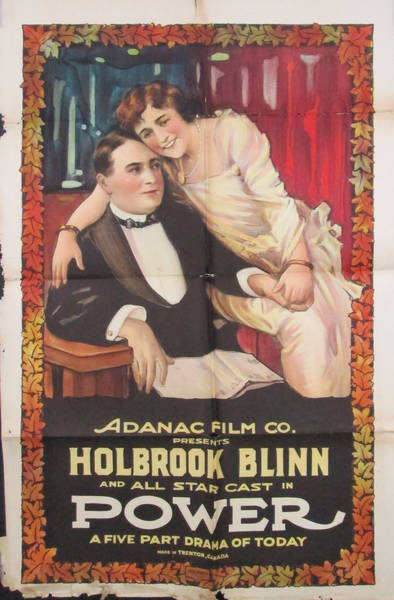
A landmark in early Indian cinema, Narasinha Avtar (1919) takes audiences on a mythological journey, bringing to life one of the ten avatars of Vishnu. This film is crucial for understanding the global reach and diverse storytelling traditions of the silent era. It showcases how different cultures embraced the new medium to tell their ancient tales, often with elaborate costumes, intricate sets, and dramatic flair that captivated local audiences. For many, this film represented a vital connection to their spiritual heritage through the modern marvel of moving pictures, making it an invaluable piece of world film history and a testament to cinema's universal appeal as a storytelling medium.
Read full review of Narasinha Avtar
Starring the iconic flapper actress Colleen Moore, Ella Cinders (1926) offers a charming and humorous take on the classic Cinderella tale, infused with the vibrant energy of the Roaring Twenties. Ella, a plucky young woman, dreams of escaping her dreary life and winning a Hollywood beauty contest, a narrative that resonated deeply with the aspirations of the era. The film is a delightful blend of comedy, romance, and subtle social commentary, showcasing Moore's incredible comedic timing and expressive acting that made her a silent screen legend. It’s a testament to the silent film's ability to create beloved characters and aspirational narratives, solidifying its place as a quintessential silent-era romantic comedy and a star vehicle.
Read full review of Ella Cinders
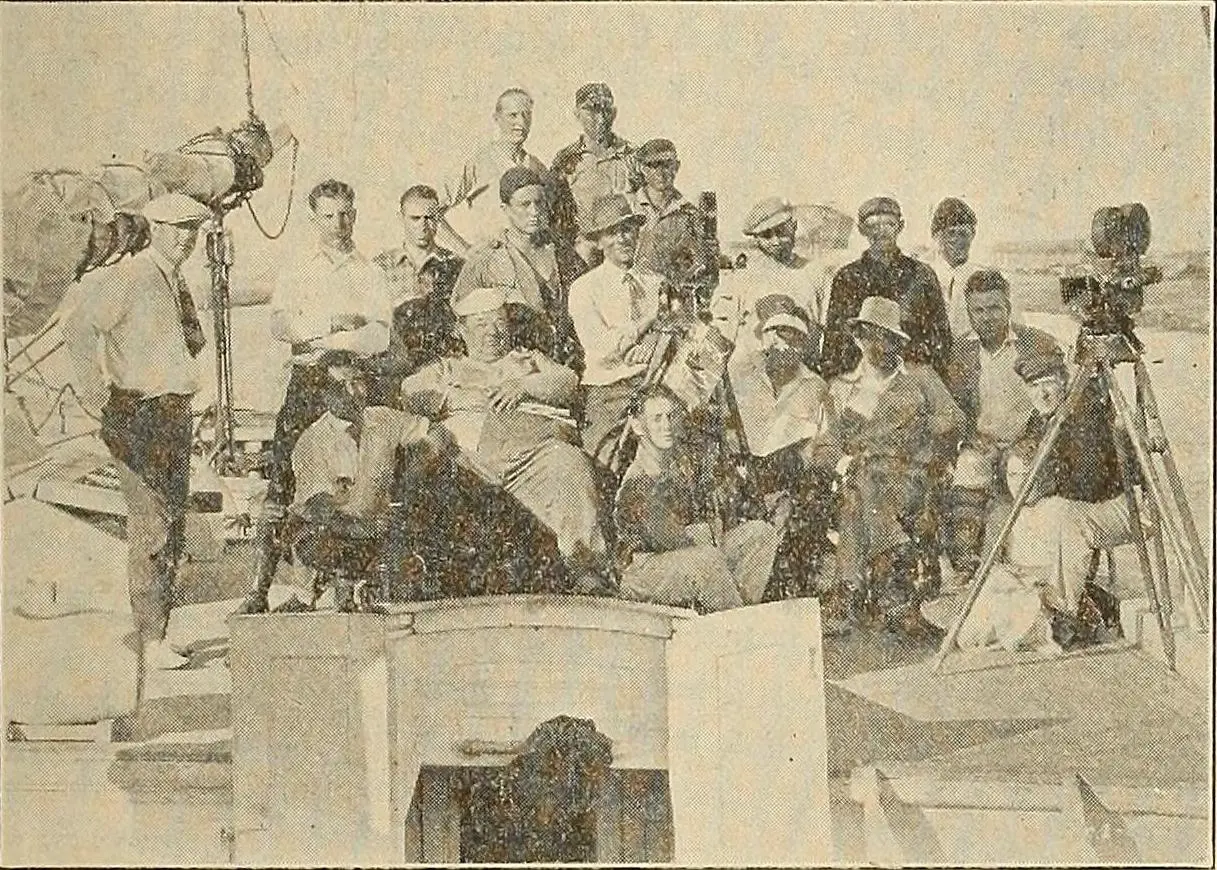
From 1919, Her Game is a compelling drama that likely explored themes pertinent to its time, perhaps focusing on a strong female protagonist navigating societal challenges or personal dilemmas. Early silent dramas often delved into complex human relationships, moral choices, and the evolving roles of women in society, using heightened visual expression and nuanced performances to convey internal struggles. While specific plot details might be elusive for many forgotten gems of this era, such films were instrumental in establishing drama as a powerful cinematic genre, proving that the silent screen could evoke profound emotional depth and thought-provoking narratives without a single word spoken, relying purely on the art of visual storytelling.
In 1917, amidst a world in turmoil, films like A Royal Romance offered audiences a much-needed escape into tales of love and grandeur. This film, as its title suggests, likely whisked viewers away to a world of European nobility, forbidden love, or political intrigue intertwined with matters of the heart. Early romantic dramas used lavish costumes, grand sets, and exaggerated yet expressive gestures to build worlds of fantasy and passion, allowing viewers to dream. These narratives provided a powerful form of escapism, demonstrating cinema's early capacity to transport audiences to different times and places, fulfilling a universal yearning for epic love stories and fairytale endings.
Read full review of A Royal Romance
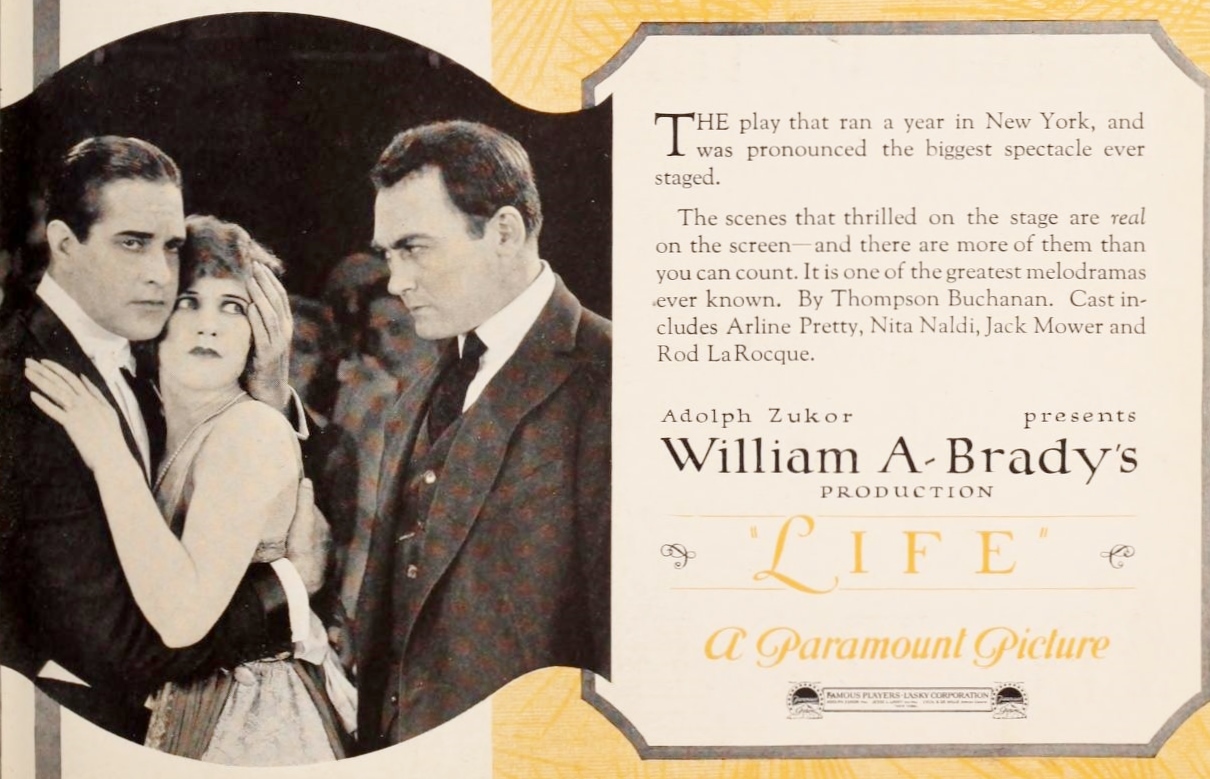
No journey through silent cinema would be complete without a nod to its vibrant animation scene, and Felix Brings Home the Bacon (1924) is a brilliant example featuring one of the era's biggest stars: Felix the Cat. Felix was a global phenomenon, captivating audiences with his mischievous antics, surreal adventures, and groundbreaking rubber-hose animation style. This particular short showcases Felix's cleverness and resourcefulness as he navigates humorous challenges, embodying the boundless creativity of early animation. It’s a testament to how cartoons, even in their infancy, captured imaginations and pushed the boundaries of visual storytelling, becoming cultural icons and paving the way for generations of animated characters.
Read full review of Felix Brings Home the Bacon
These ten films, spanning diverse genres from thrilling adventures and heartwarming comedies to crucial historical milestones in animation and global cinema, are more than just relics; they are living testaments to the birth of cinematic art. They remind us that storytelling is fundamentally about connection, emotion, and visual innovation, qualities that transcend spoken language and cultural barriers.
Exploring these silent film classics offers a unique window into the past, showcasing the ingenuity of early filmmakers and the timeless appeal of compelling narratives. So, dim the lights, silence your phone, and let these echoes from the silver screen transport you. You might just find that the whispers of the past speak volumes, offering a fresh perspective on the magic of movies and the enduring power of the moving image. What silent film gems have captivated you?