
Cult Cinema
The Silent Sovereign: Tracing the Primal Subversions and Rebel Rhythms of Cinema’s Original Rogue Wave
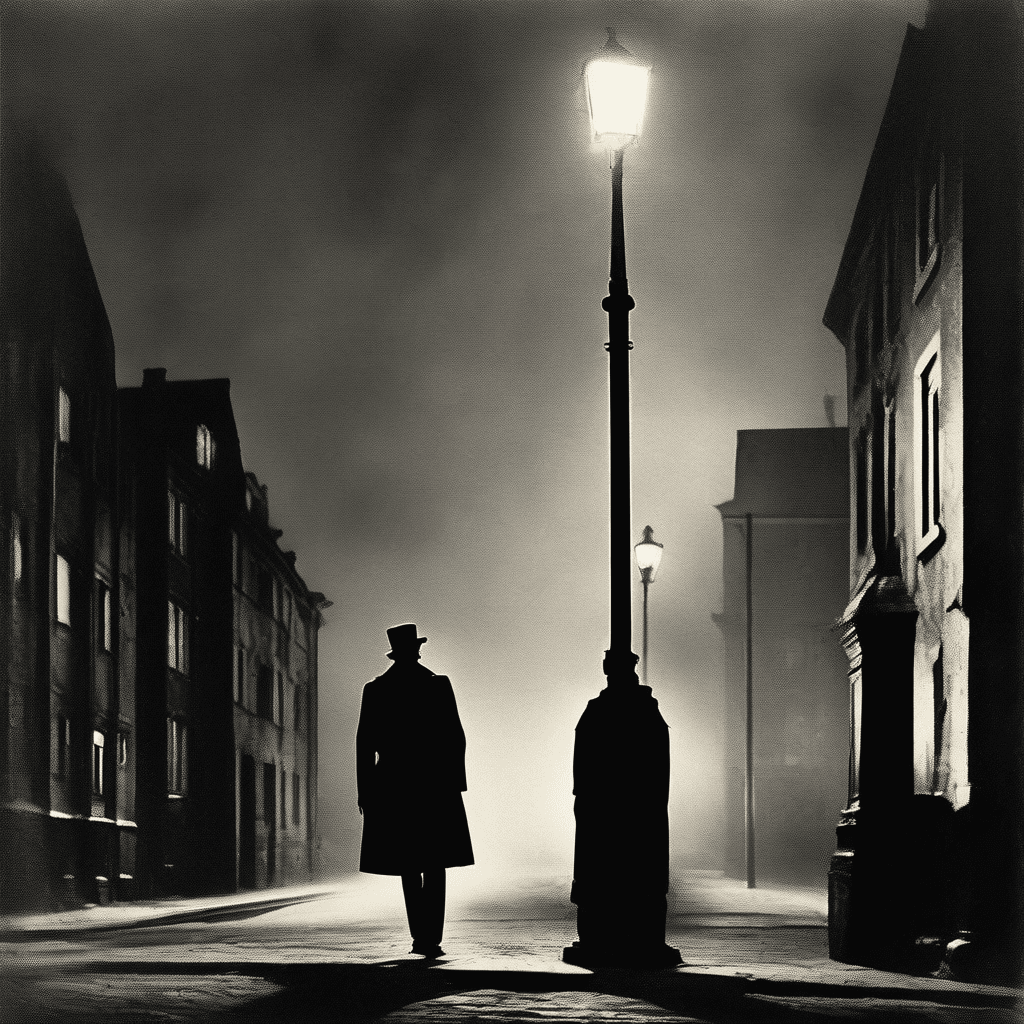
“Explore the forgotten roots of cult cinema through the lens of early 20th-century masterpieces that defied social norms and birthed the midnight movie mindset.”
The narrative surrounding cult cinema often begins in the smoke-filled basements of the 1960s or the neon-drenched midnight screenings of the 1970s. However, the true genetic blueprint of the transgressive, the weird, and the niche was drafted decades earlier. Long before the term "midnight movie" entered the lexicon, a rogue wave of filmmakers was already experimenting with the boundaries of morality, genre, and visual storytelling. To understand the modern cult psyche, we must look back to the era of the Silent Sovereign—a time when the flickering screen was a laboratory for the social outcast and the visual deviant.
The Genesis of the Cinematic Other: Homunculus and the Void of Love
Perhaps no film better encapsulates the proto-cult obsession with the "Other" than the 1916 masterpiece Homunculus. Directed by Otto Rippert, this German serial introduced audiences to a creature born of science rather than nature. The titular character, a living human child produced by Professor Ortmann, is perfect in every physical and intellectual capacity, yet he is fundamentally broken by his inability to experience love. This narrative of the scientific grotesque paved the way for decades of cult icons who exist on the periphery of human emotion.
The cult appeal of Homunculus lies in its profound nihilism. When the creature discovers his artificial origin, his rejection of society mirrors the modern cult fan’s rejection of mainstream platitudes. This theme of the "unloved genius" or the "alienated creator" is a recurring motif that we see echoed in the works of filmmakers like David Lynch or Panos Cosmatos. It is the primal scream of the outsider, a sentiment that resonates deeply with those who find solace in the dark corners of the cinematic canon.
Moral Grey Zones and the Architecture of Infidelity
While the mainstream cinema of the early 20th century often adhered to strict Victorian moral codes, the fringe was busy exploring the messy, often destructive nature of human desire. In Two Women, we see the naive John Leighton introduce his flirtatious wife Emily to his boss, W. G. Griggs. The resulting affair is not just a plot point; it is a subversion of the domestic sanctity that the era’s censors fought so hard to protect. This exploration of moral ambiguity is a cornerstone of cult cinema, where the protagonist is often as flawed as the antagonist.
Similarly, The Riddle: Woman dives into the clutches of a master blackmailer, Eric Helsingor, as he ensnares Lilla Gravert. These films did not offer easy resolutions or moralistic finger-wagging. Instead, they invited the audience to wallow in the complexities of the human condition. The cult film has always been a sanctuary for the "difficult" narrative—the story that refuses to provide a happy ending or a clear hero. In the silent era, these films were the precursors to the noir and neo-noir movements that would later define the cult aesthetic.
The Visual Anarchy of the Hunchback and the Dancer
Visual subversion is another key element of the cult DNA. F.W. Murnau, a name synonymous with early cinematic weirdness, explored the intersection of physical deformity and romantic obsession in The Hunchback and the Dancer. The character of Wilton, a hunchback who returns from Java as a wealthy man after discovering a diamond mine, is a quintessential cult archetype. His romance with Gina, a woman on the rebound, challenges the audience's perceptions of beauty and worth.
The use of high-contrast lighting and distorted sets in these early films created a visual language of the subconscious. When we watch a film like The Hunchback and the Dancer, we are not just seeing a story; we are experiencing a fever dream. This aesthetic of the "unreal" or the "hyper-real" is what draws cult audiences back to the same films repeatedly. It is the desire to be transported to a space that is familiar yet utterly alien.
Class, Poverty, and the Gold Rush Mythos
The cult film often serves as a critique of the prevailing social order, and the silent era was no exception. Films like The Lily of Poverty Flat and Love's Pay Day took the myth of the American dream and turned it on its head. In The Lily of Poverty Flat, the gold rush is not a site of prosperity but a backdrop for a complex love triangle and the harsh realities of frontier life. The beauty of Lily, which captures the hearts of both a young miner and a local gentleman, becomes a burden in a town defined by greed and desperation.
In Love's Pay Day, the setting moves to a Newfoundland fishing village, where the struggle for survival is juxtaposed against the corporate interests of a New York fish packing concern. These films highlighted the divide between the working class and the elite, a theme that remains a staple of subversive cinema. The cult fan often identifies with the underdog, the person crushed by the gears of the corporate machine or the indifference of the state.
The Supernatural Curse: The Man Who Had Everything
The intersection of the mundane and the supernatural is a fertile ground for cult obsession. The Man Who Had Everything tells the story of Harry Bullway, a careless young man whose heartlessness leads to a curse from a blind beggar. This narrative of karmic retribution and supernatural intervention is a direct ancestor to the "midnight" horror films of the 70s. The idea that one’s actions can trigger a cosmic response is a powerful tool for filmmakers looking to challenge the audience's sense of security.
The beggar’s curse is not just a plot device; it is a manifestation of the collective anxiety regarding social responsibility. Harry’s lack of remorse for nearly killing the beggar reflects a societal coldness that the film seeks to expose. This type of social commentary, wrapped in the trappings of the fantastic, is exactly what gives cult cinema its enduring power. It allows us to confront our deepest fears and moral failings within the safety of a stylized, fictional world.
Subverting the Western: Six-Shooter Andy and The Crow's Nest
The Western is perhaps the most traditional of American genres, yet the silent era found ways to make it weird. Six-Shooter Andy features a corrupt sheriff, Tom Slade, as the primary antagonist, subverting the idea of the lawman as a beacon of justice. Similarly, The Crow's Nest introduces us to Esteban, a white boy raised by an Indian squaw, whose birthright is stolen by a villainous rancher. These stories of stolen identity and institutional corruption paved the way for the "Acid Westerns" of the 1960s.
In Bare-Fisted Gallagher, we see a woman who "dresses like a man" and works in the Eagle Mine. This early exploration of gender fluidity and non-conformity is a hallmark of the cult sensibility. By challenging the rigid gender roles of the 1910s, these films were decades ahead of their time, creating a space for marginalized voices that would eventually find a home in the underground film movements of the future.
The Documentary as Transgression: War, Revolution, and the Red Blotch
Cult cinema isn't limited to fiction; the way we document reality can be just as transgressive. Istoriya grazhdanskoy voyny (History of the Civil War) is a feature-length documentary that captured the raw, unvarnished violence of the Russian Civil War. Showing the incremental street battles and the major assaults of the Red Army, the film provided a level of realism that was both shocking and hypnotic. This visceral connection to history is a form of cinematic transgression that predates the "mondo" films and extreme documentaries of the cult era.
Similarly, Lest We Forget used a semi-documentary style to focus on the iniquities of the German war machine during WWI, specifically the sinking of the Lusitania. By blending dramatic reenactments with historical footage, these films created a new kind of cinematic experience—one that blurred the lines between truth and propaganda. The cult fan’s obsession with "forbidden" or "hidden" history finds its roots here, in the early attempts to capture the chaos of a world at war.
The Surreal and the Absurd: Friday, the 13th and The Eskimo
Humor, particularly of the dark and absurd variety, is a vital component of the cult experience. Friday, the 13th (1921) takes its characters to a chiropractor's office after a series of mishaps, turning physical pain into a source of slapstick comedy. This type of "cringe" humor or physical absurdity is something that would later be perfected by cult icons like John Waters. It is the laughter that comes from discomfort, the joy of seeing the world’s rules broken in the most ridiculous ways possible.
The Eskimo, a burlesque of the popular feature pictures of the frozen North, served as an early form of meta-commentary. By parodying the serious dramas of its time, it invited the audience to look at the medium of film with a critical, ironic eye. This self-awareness is a defining trait of cult cinema. Whether it's a B-movie that knows it's bad or a high-art piece that mocks its own pretension, the cult film always exists in a state of dialogue with the audience.
Conclusion: The Eternal Flame of the Misfit Reel
The 50 films discussed here represent more than just a historical curiosity; they are the bedrock upon which the entire edifice of cult cinema is built. From the scientific isolation of Homunculus to the moral complexity of Two Women and the visual experimentation of The Hunchback and the Dancer, these early works established the themes of rebellion, transgression, and niche devotion that continue to drive film culture today.
The Silent Sovereign of the early 20th century was not a king of the mainstream, but a ruler of the underground. By embracing the "red blotch" of war, the "bondage of fear," and the "law of nature," these filmmakers created a legacy of defiance. They proved that cinema could be more than just entertainment; it could be a mirror held up to the darkest parts of the human soul. As we continue to seek out the strange, the forgotten, and the misunderstood, we are simply following the path laid down by these original renegades of the celluloid fringe.
Community
Comments
Log in to comment.
Loading comments…