
Cult Cinema Deep Dive
The Silent Subversives: Unearthing the Proto-Cult Soul of Cinema's Forgotten Fringe
“A deep dive into the radical roots of cult cinema, exploring how the silent era's psychological thrillers, outlaw westerns, and social anomalies paved the way for modern midnight movie devotion.”
When we speak of cult cinema, the mind often drifts to the neon-soaked midnight screenings of the 1970s or the transgressive body horror of the 1980s. However, the genetic blueprint of the cult movie—the obsession with the misfit, the outlaw, and the psychologically fractured—was actually drafted in the flickering shadows of the silent era. Between 1914 and 1921, a series of narrative experiments and genre outliers emerged that didn't just entertain; they challenged the moral fabric of their time. These films, often forgotten by the mainstream canon, represent the primordial soup from which the modern cult obsession was birthed.
The Fractured Self: Psychological Foundations of the Cult Hero
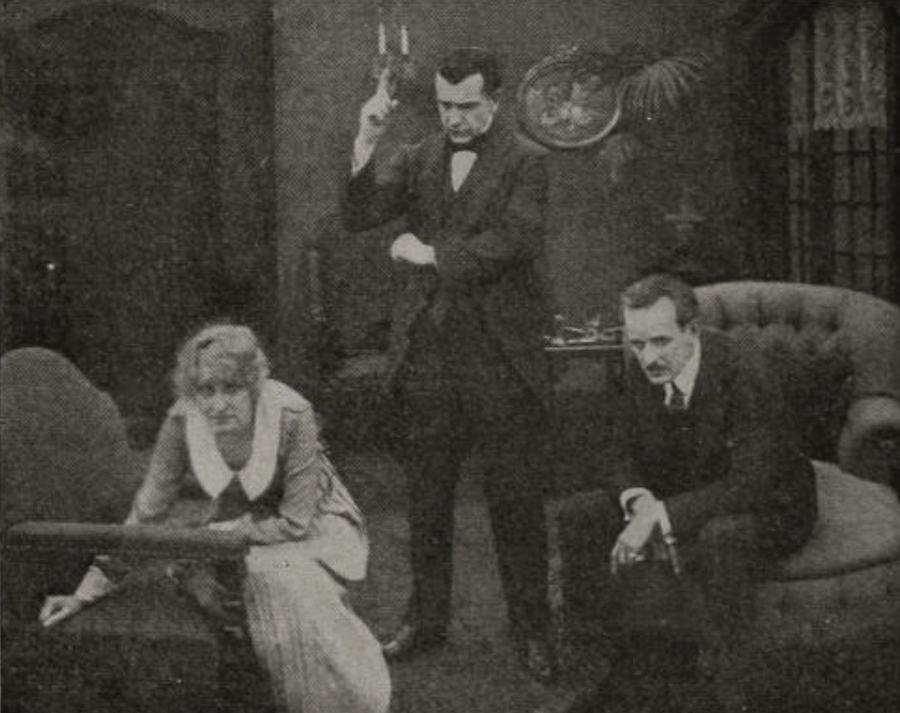
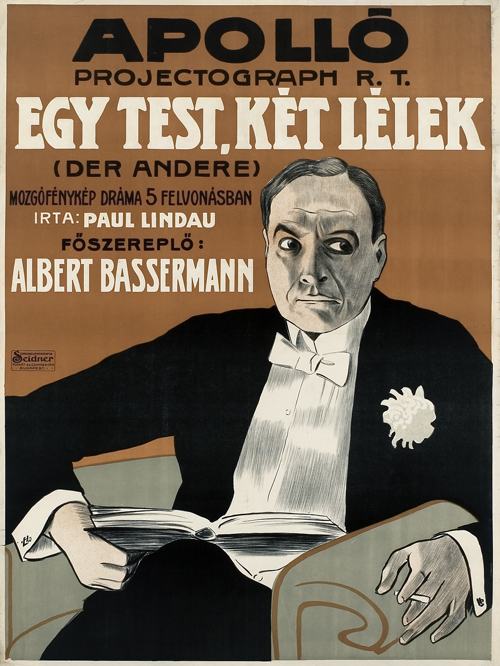
At the heart of many cult classics lies the theme of the dual identity. Long before the fragmented protagonists of Lynch or Fincher, the 1913 masterpiece Der Andere (The Other) introduced audiences to the terrifying concept of the split personality. When a man suffers a horse-riding accident, he discovers an alternate persona that actively aids criminals in robbing his own home. This narrative of self-sabotage and internal rot is a quintessential cult trope. It asks the viewer to sympathize with a character who is simultaneously the victim and the villain—a moral complexity that mainstream cinema of the era often avoided.
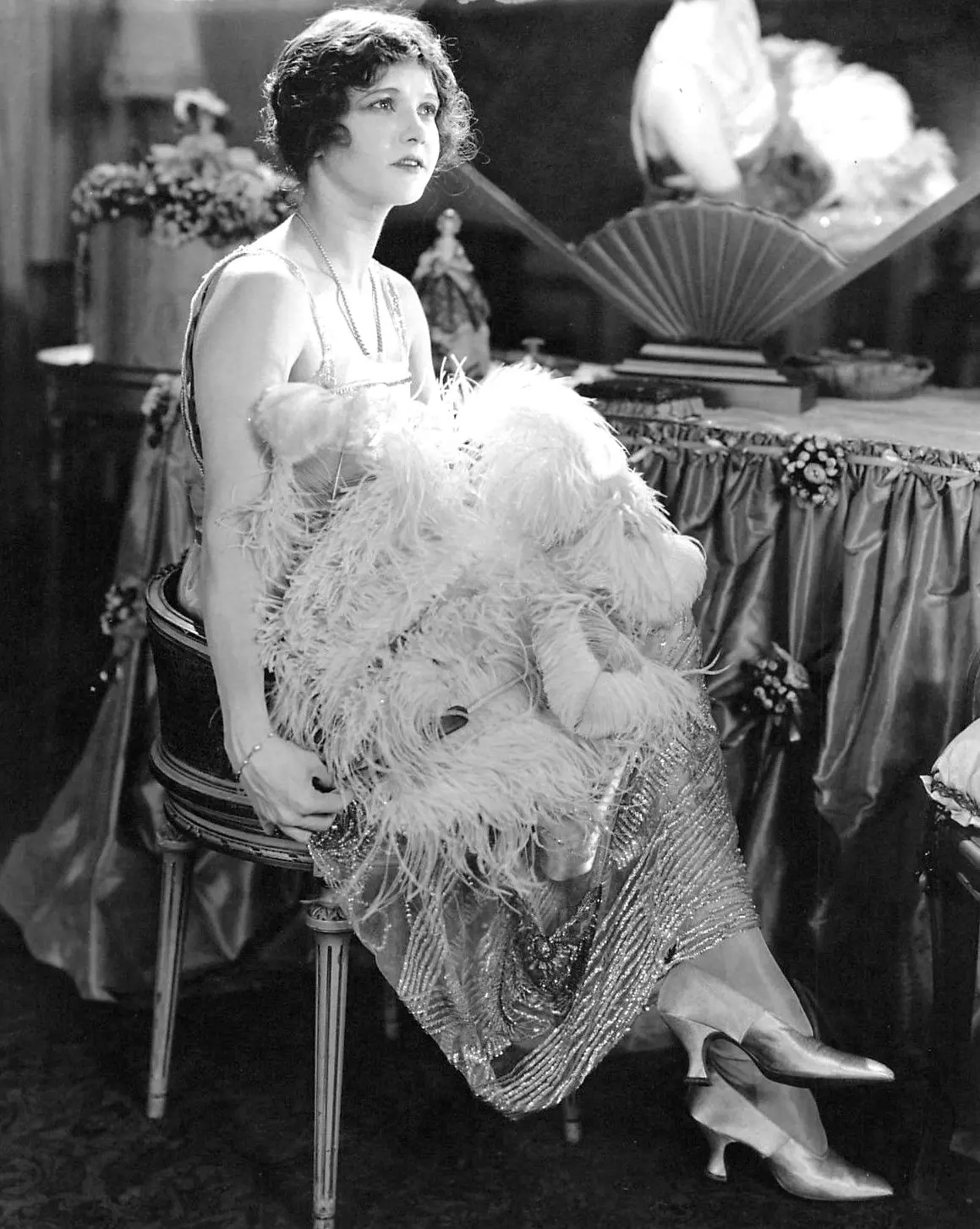
Similarly, the 1921 film What Happened to Rosa takes the concept of the "other" and applies it to the escapist fantasies of the working class. A store clerk, told by a fortune teller that she was once a Spanish noblewoman, begins to live out this delusion. This blurring of reality and performance is a cornerstone of the cult experience, where the act of identity construction becomes a form of rebellion against a mundane existence. These early explorations of the psyche laid the groundwork for the obsessive, often delusional protagonists that define the "midnight movie" aesthetic.
The MacGuffin and the Mystique: Heists and Holy Relics
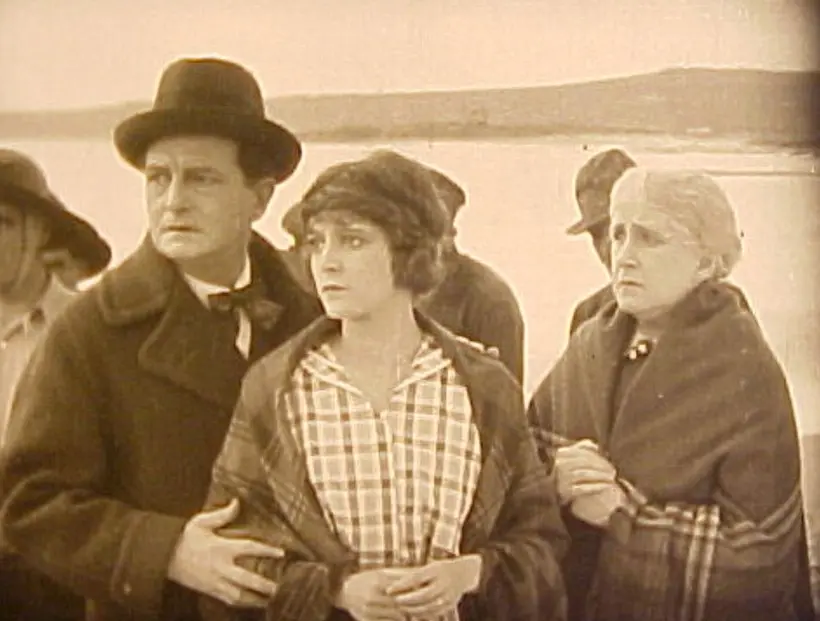
Cult cinema often revolves around a central, almost mystical object—the MacGuffin. In the silent era, this was frequently manifested as a rare gem or a stolen treasure. In Genie tegen geweld, the arrival of the Koh-I-Noor II diamond in Amsterdam sets off a chain of intrigue that mirrors the high-stakes heist films of the modern era. The obsession with the rare and the valuable is mirrored in The Moonstone (1915), where an Englishman steals a diamond from an Indian idol, only to be pursued by priests in disguise. This narrative of cosmic justice and the weight of stolen history provides a rich tapestry for the kind of niche devotion that cult fans thrive on—the deep lore and the intricate plotting that demand multiple viewings.
The Good-Bad Man: The Outlaw as Cultural Icon
The figure of the outlaw is perhaps the most enduring archetype in the cult canon. Films like Trailin' (1921) and On the Night Stage (1915) redefined the Western hero not as a paragon of virtue, but as a man of moral ambiguity. In Trailin', Tom Mix plays an aristocrat seeking the truth about his mother, a journey that leads him into a world of violence and hidden pasts. Meanwhile, On the Night Stage presents a stagecoach robber who finds redemption through the love of a saloon girl and a pastor. These aren't just simple morality plays; they are stories of transgression and transformation.
The cult appeal of the outlaw lies in their rejection of societal norms. In Western Firebrands, the protagonist must navigate a landscape of conspiracy and forest fires, while Western Speed features a man living under an assumed name to escape his past. This theme of the reinvented self resonates deeply with the cult audience, which often sees itself as existing on the periphery of polite society. The outlaw isn't just a criminal; he is a sovereign individual who makes his own laws in a lawless land.
Social Sabotage and the Industrial Machine
The early 20th century was a time of massive industrial upheaval, and the cinema of the time reflected this anxiety through tales of corporate greed and labor rebellion. The Rail Rider (1916) and A Lass of the Lumberlands (1916) showcased the struggle against monolithic trusts and corrupt presidents. These films often featured sabotage as a legitimate tool of the oppressed, a theme that would later be echoed in the radical cinema of the 1960s. Even Sergei Eisenstein's Strike (1925), though slightly later, stands as the ultimate example of the collective hero—the mass of workers acting as a single, revolutionary force.

This spirit of anti-establishmentarianism is vital to the cult ethos. Whether it's the mine owner in Big Jim Garrity fighting against the encroachment of drug peddlers or the daughter in A Daughter of Uncle Sam using wireless telegraphy to uncover social adventurism, these characters represent a technological and moral vanguard. They use the tools of the new age to dismantle the corrupt structures of the old, a narrative arc that remains a staple of subversive storytelling today.
Gender, Disguise, and the Performance of Class
One of the most fascinating aspects of early proto-cult films is their playfulness with gender roles and social class. In The Social Secretary (1916), a young woman purposefully disguises herself to avoid unwanted male attention, leading to a comedy of errors that critiques the male gaze long before the term was coined. Similarly, The Princess of Park Row and A Regular Fellow deal with the absurdities of inheritance and the performative nature of nobility. These films suggest that identity is not something we are born with, but something we wear—a costume that can be changed to suit the situation.
This fluidity is a key component of cult cinema's queer and transgressive roots. By showing that even the most rigid social structures (like the monarchy in On the Steps of the Throne or the high-society circles of Sauce for the Goose) are based on performance and deception, these early filmmakers opened the door for the radical self-expression that defines modern cult fandom. When we watch a film like Midinettes or The Girl of Today, we are seeing the early sparks of a cinematic fire that would eventually burn down the barriers of traditional narrative.
The Melodramatic Macabre: Fate and the Supernatural
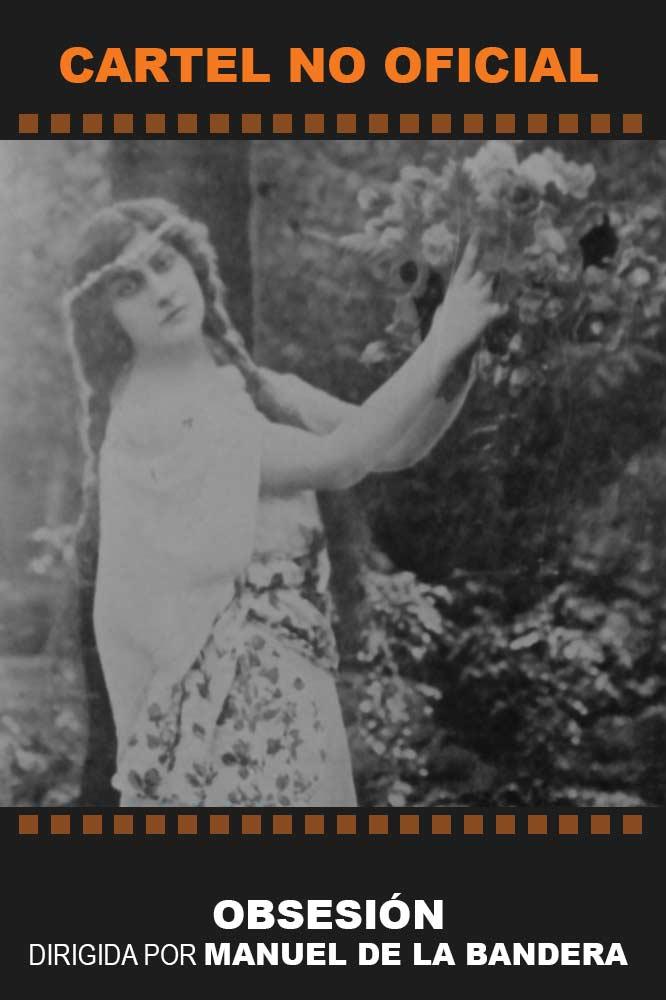
No discussion of cult cinema would be complete without the macabre and the supernatural. The 1921 film A Trip to Paradise, a silent adaptation of Molnar's Liliom, explores the afterlife and the possibility of redemption beyond the grave. This fascination with the liminal space between life and death is a recurring motif in cult horror and fantasy. It is echoed in the gothic tension of Torgus (1921), where a young man's love for a servant girl is thwarted by a stern, controlling aunt, leading to a tragedy of hereditary proportions.
These films tapped into a primordial fear and fascination with the unknown. Whether it was the occult undertones of Il volto di Medusa or the fatalistic drama of Beyond the Crossroads, early cinema wasn't afraid to go dark. The revenge narrative in Beyond the Crossroads, where a man swears to avenge his wife's death, or the degenerate clubman in The Folly of Revenge, showcase a fascination with the darker impulses of the human heart. This shadow-play is exactly what draws cult audiences in—the willingness to look into the abyss and find something beautiful, or at least something honest.
Conclusion: The Enduring Legacy of the Silent Misfit
The 50 films referenced here—from the slapstick absurdity of Billy Whiskers and Running Wild to the high-stakes drama of A Wall Street Tragedy—form a mosaic of human experience that exists outside the polished lines of the Hollywood machine. They are the anomalies, the experiments, and the misfires that, in their very failure to achieve universal acclaim, achieved something far more lasting: devotion.
Cult cinema is not defined by its budget or its box office, but by the intensity of the connection it forges with its audience. By exploring the fringe of the frame, these early silent pioneers created a language of subversion that continues to inspire filmmakers today. As we look back at the silent subversives, we don't just see old movies; we see the birth of a rebellion. We see the first time a flickering light on a screen told us that it was okay to be different, okay to be fractured, and okay to be obsessed. This is the true legacy of the cult soul, and it is a flame that will never be extinguished as long as there are stories to be told in the dark.
From the gamblers of The Fatal Card to the innocent orphans of Little Miss Nobody, the silent era provided a sanctuary for every kind of outcast. It taught us that redemption is possible, even for the stagecoach robber, and that truth is often found in the most unlikely places—like a shoe store turned into a chaotic emporium in Cupid's Day Off. In the end, cult cinema is a celebration of the unusual, a testament to the power of the unconventional vision, and a reminder that the most enduring stories are often the ones that start in the shadows.
Community
Comments
Log in to comment.
Loading comments…