
DbcultAccessing Vault...
Cult Cinema Deep Dive
Archivist John
Senior Editor

When we think of cult cinema, the mind often drifts to the neon-soaked midnight screenings of the 1970s or the VHS-fueled obsession of the 1980s. However, the genetic blueprint of the cult film—the transgressive spirit, the narrative rebellion, and the devotion to the misunderstood—was actually written in the flickering silence of the early 20th century. Long before the term "cult classic" was coined, a series of cinematic anomalies and genre outcasts were already pushing the boundaries of what the medium could represent. These films, often relegated to the fringes of history, contain the primordial DNA of modern niche obsession.
The silent era was a period of wild experimentation, where the rules of storytelling were still being forged. In this vacuum of convention, filmmakers often ventured into territory that would today be considered deeply transgressive. Take, for instance, the 1916 film Civilization's Child. This wasn't merely a drama; it was a visceral exploration of displacement and the brutality of the old world meeting the cold indifference of the new. By following Berna from the idyllic mountains of Russia to the horrors of a Cossack massacre in Kiev, and finally to the grit of New York, the film established the archetype of the eternal outsider. This narrative of the persecuted immigrant, also echoed in Darkest Russia with its themes of forbidden love across class and religious lines, provided a template for the kind of social friction that cult audiences crave—a sense of "us against the world."
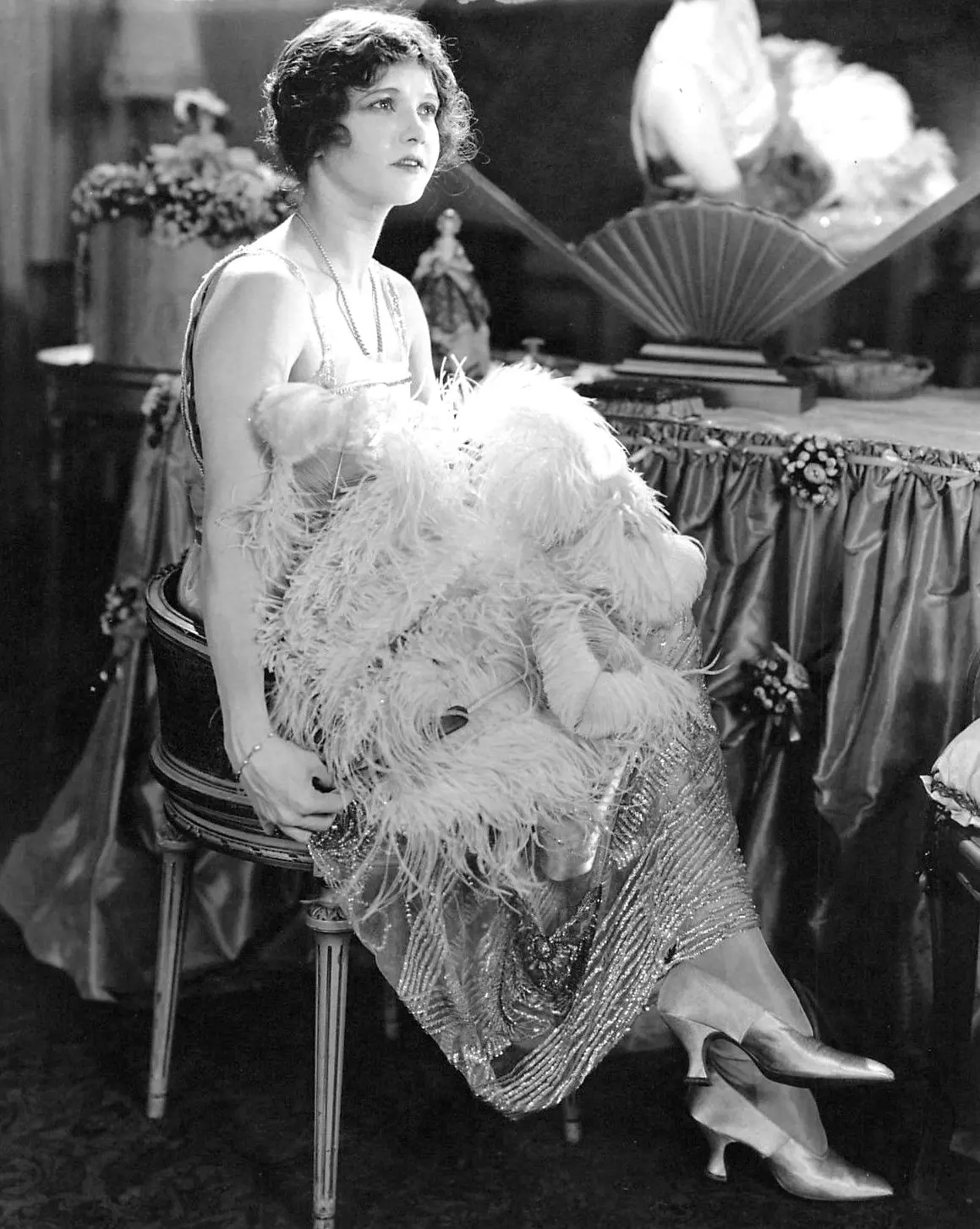
Cult cinema thrives on the figure of the rebel, and few figures in early cinema embody this as literally as the subject of The Life of General Villa. By chronicling the revolutionary leader Pancho Villa, the film blurred the lines between documentary and hagiography, creating a mythic status for a man who was simultaneously a hero and a fugitive. This elevation of the outlaw is a cornerstone of cult worship. We see a different kind of moral rebellion in Arizona, where a cavalry officer sacrifices his reputation to protect a woman's honor. It is this willingness to endure social pariah status for a personal code that resonates with the "misfit" ethos of cult fandom.
If cult cinema has a spiritual home, it is within the realms of the fantastic and the macabre. The silent era’s forays into these genres were often raw and deeply unsettling. The Island of the Lost, an unofficial adaptation of H.G. Wells' The Island of Dr. Moreau, serves as a haunting precursor to the body-horror and "mad scientist" tropes that would later define the midnight movie circuit. By exploring the boundaries between man and beast, these early films tapped into a primal anxiety that the mainstream often avoided, but which the cult devotee embraces.
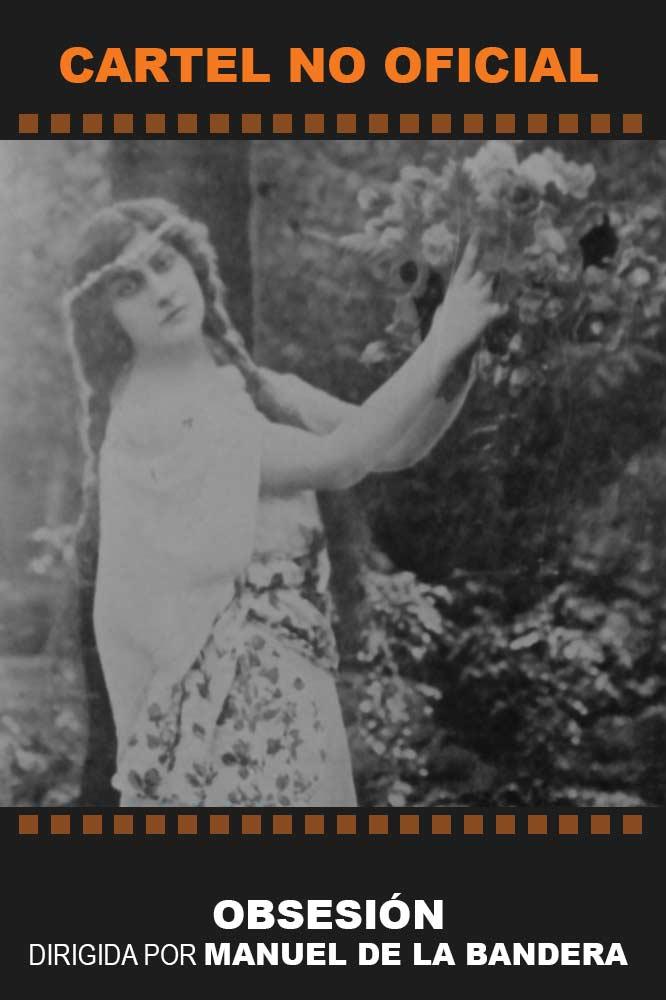
The supernatural was often used as a vehicle for exploring the human psyche in ways that felt dangerously close to the edge. In The Miracle, the 5th episode of a serial featuring the elusive evil genius Fu-Manchu, we see the early development of the "master criminal" archetype. Fu-Manchu, with his sinister drugs and mastery over life and death, represents the kind of charismatic villainy that often attracts a cult following. Similarly, The White Flower uses Hawaiian sorcery and the omen of a perfect white flower to explore the fatalistic nature of love, blending romance with an ethereal, almost occult sensibility.
This fascination with the unseen and the allegorical reached a peak in Madame Jealousy. By personifying emotions like Charm, Valor, and Jealousy, the film moved away from literal narrative into a surrealist space. This kind of abstract storytelling, which challenges the viewer to interpret symbols rather than follow a linear plot, is exactly what allows a film to transition from a mere entertainment product to a sacred text for its admirers. When we watch The Devil (1921), which asks if Truth can be overcome by Evil, we are seeing the foundational philosophical inquiries that would later underpin the dark, existential cult films of the late 20th century.
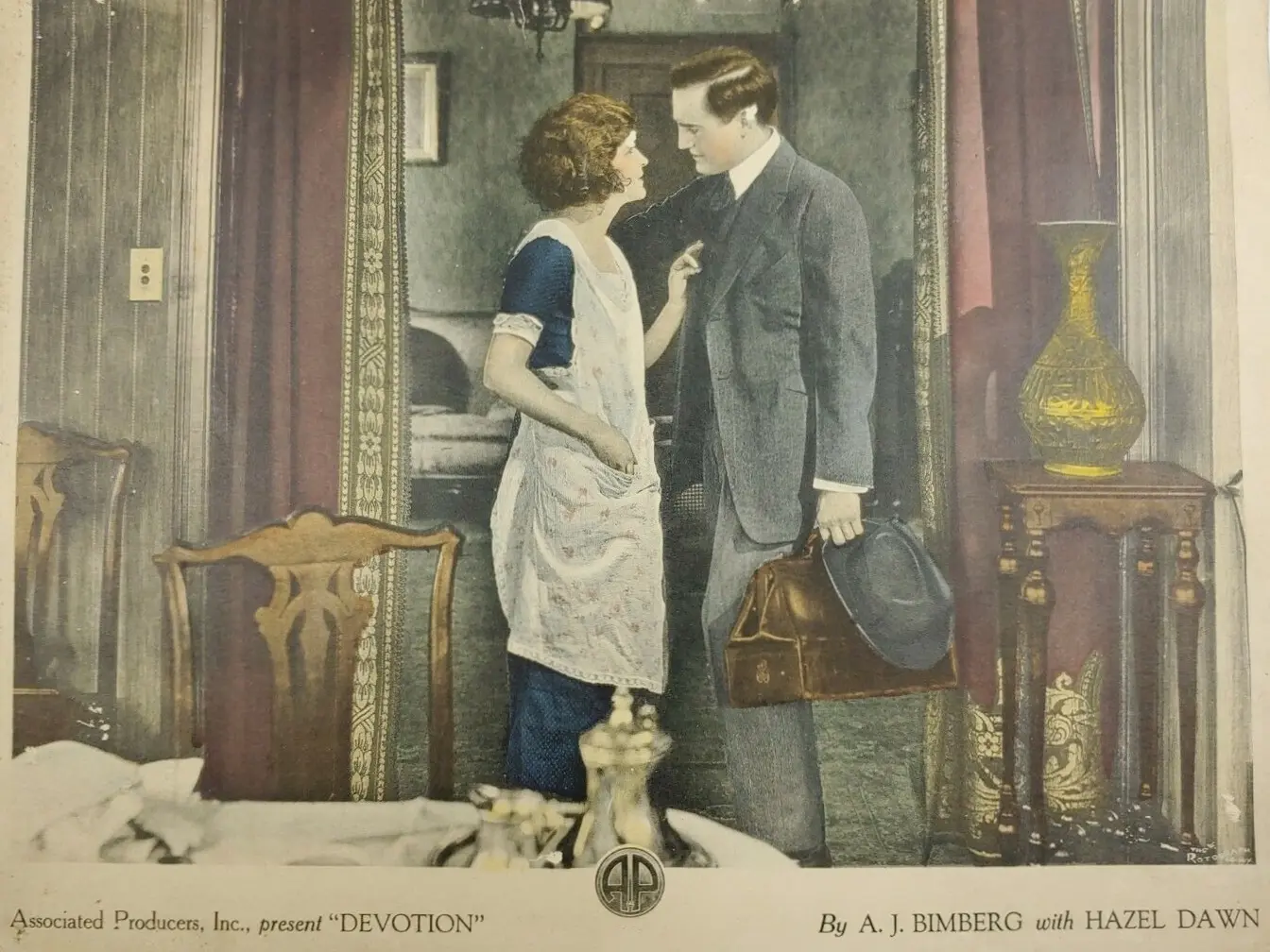
Cult cinema isn't always dark; often, it is defined by a sense of the absurd or a rejection of polished professionalism. The silent era was rife with shorts that prioritized the bizarre over the logical. The Tale of a Wag, featuring a man tying a hammer to his dog's tail to swat a mosquito, is a perfect example of the kind of "low-brow" surrealism that would eventually find a home in the works of cult icons like John Waters. It is nonsensical, slightly cruel, and utterly unforgettable—the trifecta of cult appeal.
Even in comedy, early cinema was pushing boundaries. Solid Concrete utilized a protagonist's stutter for comedic effect, a choice that today feels politically incorrect but at the time represented a raw, unvarnished look at human imperfection. Our Gang (1922) showed children taking on an unethical merchant, subverting the traditional power dynamics of the era. This spirit of "the little guy" striking back against a corrupt system is a narrative thread that runs through almost every major cult movement.
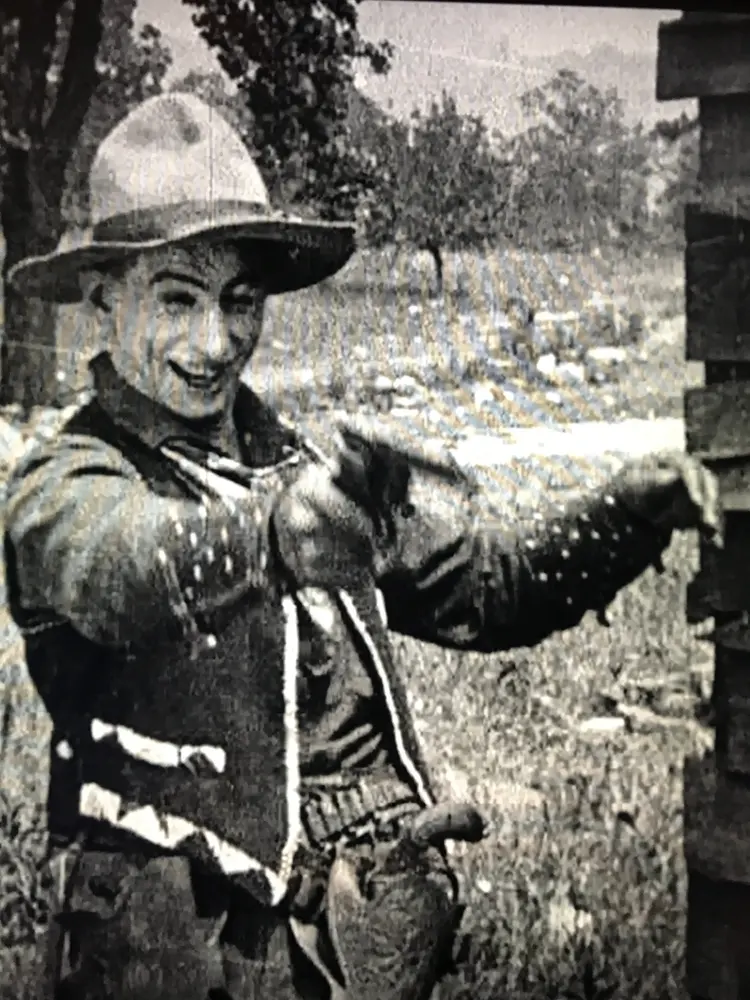
Then there is the sheer strange energy of films like Coeur de grenouille (Frog Heart), which depicts a frog trapped in a bowl with two animal lovers—a rat and a squirrel—vying for her escape. This kind of anthropomorphic psychodrama is so specific and so strange that it predates the "weird for the sake of weird" aesthetic that defines modern indie cult hits. These films didn't just entertain; they created a sense of visual dissonance that stuck in the viewer's mind long after the projector stopped humming.
Many films from this era achieved a sort of proto-cult status by virtue of their controversial or "forbidden" subject matter. Eine weisse unter Kannibalen (A White Woman Among Cannibals) utilized shock value and racial taboos to draw audiences—a precursor to the exploitation cinema of the 60s and 70s. While often problematic by modern standards, these films were the first to understand that the "forbidden" is a powerful magnet for niche audiences. They functioned as the underground transmissions of their day, whispered about and sought out by those looking for something outside the Victorian moral center.
In contrast, films like Hush and The Marriage Maker explored the complexities of human relationships with a frankness that was often startling. Hush dealt with the fallout of a woman's past secrets within her marriage, a domestic drama that refused to offer easy answers. The Marriage Maker combined fantasy and romance to critique class structures, showing a nobleman and a commoner struggling against the rigid expectations of their society. These weren't just stories; they were social critiques wrapped in the cloak of genre, a hallmark of the subversive storyteller.
One of the most defining characteristics of cult cinema is its refusal to stay within the lines of a single genre. This "genre mutation" is evident in many of the films listed in our context. The Silent Vow blends the Western with the Northwest Mounted Police drama, adding a layer of personal revenge that spans two decades. She Couldn't Help It mixes orphanage melodrama with a heist comedy, as Nance Olden transitions from a victim of circumstance to a partner in crime. This fluidity of form is what makes early cinema feel so modern and so "cult-adjacent."
The very nature of cult cinema is tied to the act of discovery. Many of these films, such as The Sheep o' Leavenworth or Horizon Hunters, are so obscure that they exist only as fragments or footnotes in archival catalogs. To the cult film scholar, these are the "Holy Grails." The act of unearthing a film like Red Powder—a story about a chemist discovering a revolutionary explosive—is akin to finding a lost blueprint for the modern thriller. The rarity of the object increases its value to the devotee, transforming a forgotten reel into a relic of rebellion.
Even the more "mainstream" attempts of the time, like A Romance of Happy Valley, possess a strange, haunting quality. D.W. Griffith’s exploration of a man leaving his bucolic home only to return and find it in ruins touches on the theme of "the impossibility of return," a melancholic thread that runs through much of the cult canon. It is the feeling of being out of time and out of place—the unreliable nostalgia that makes a film like Shirley Kaye or The Rosary feel more like a fever dream than a standard drama.
The 50 films we have explored—from the crime dramas of Naples in 'A mala nova to the German passenger ship intrigues of Die Prinzessin Suwarin—remind us that cinema has always had a shadow side. Before the blockbusters and the franchises, there were the misfit reels. These were the films that took risks, that spoke to the marginalized, and that experimented with the very fabric of visual language. They are the ancestors of every midnight movie and every fringe masterpiece we celebrate today.
To understand the modern cult obsession, we must look back at the Subversive Scriptorium of the silent era. We must appreciate the courage of The Inner Voice, the comedic hurdles of The Traveling Salesman, and the tragic irony of Salt of the Earth. These films are not just historical artifacts; they are living testaments to the power of the unconventional. They prove that as long as there are stories that refuse to fit the mold, there will be an audience waiting in the dark, ready to turn a forgotten flicker into a lifelong devotion. The cult of cinema did not start in the 1970s; it started the moment the first rebel turned on a camera and decided to film the beautifully broken world as they saw it.