
DbcultAccessing Vault...
Film History
Archivist John
Senior Editor
In the flickering dark of a 1918 nickelodeon, the air thick with the scent of coal dust and unwashed wool, a different kind of monster was stalking the screen. It wasn’t a vampire or a ghost. It was a microscopic pathogen, a 'social evil' that the censors usually scrubbed from public discourse with puritanical zeal. But there was a loophole. If a film claimed to be 'educational'—if it draped itself in the white coat of medical authority—it could show the unshowable. This was the birth of the Social Hygiene film, a genre that weaponized Victorian anxiety into the first true wave of underground cult cinema.
We often trace the roots of cult cinema to the midnight movies of the 1970s or the transgressive splatter of the 80s. But the DNA of the 'forbidden reel' was actually mapped out decades earlier. These films, often screened to gender-segregated audiences under the watchful eye of self-appointed 'lecturers,' offered something the burgeoning Hollywood studio system couldn't: the visceral thrill of the taboo. They were the original 'must-see' experiences for those who wanted to peer behind the curtain of polite society and witness the rot within.
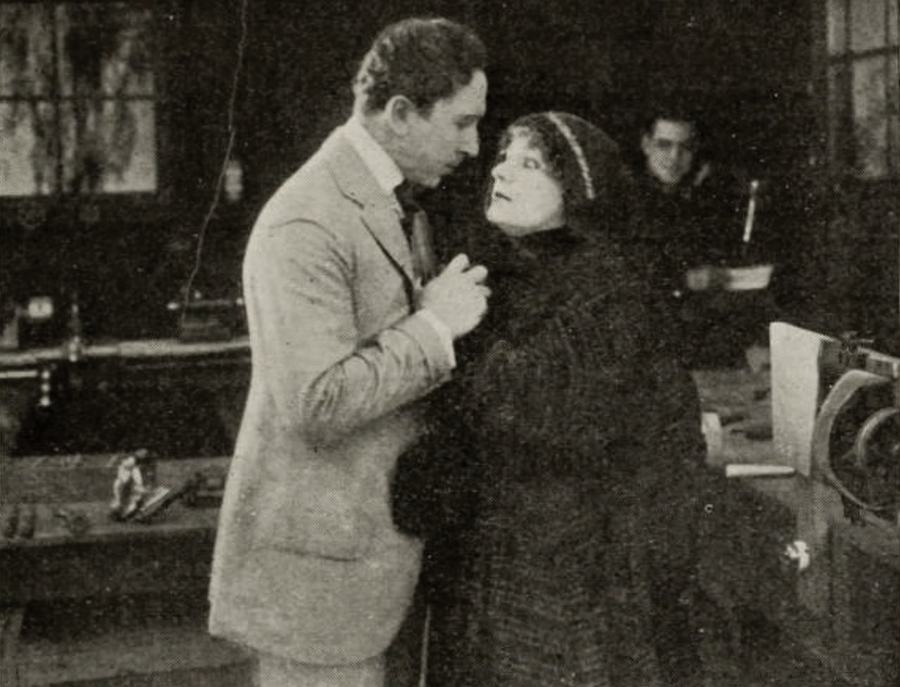
In the early 20th century, the National Board of Censorship was a formidable wall. They hacked away at any hint of 'moral turpitude.' However, the burgeoning field of public health provided a perfect Trojan Horse. If a filmmaker argued that their work was a vital public service—a warning against the 'spreading evil' of venereal disease—the censors were often forced to look the other way. This created a fascinating paradox where the most prurient, shocking imagery of the era was sanctioned by the very people who were supposed to suppress it.
Take, for instance, the 1918 rarity The Spreading Evil. Directed by James Keane, it stars James Morrison as a man who becomes a vessel for the 'great unmentionable' disease. The film doesn't just suggest the horror; it dwells on it. It utilizes the figure of Dr. John Carey, a 'noted blood specialist,' to provide a veneer of scientific legitimacy. But the audience wasn't there for a biology lesson. They were there to see the 'wages of sin' rendered in stark, nitrate shadows. This is the fundamental alchemy of cult cinema: the transformation of a 'serious' subject into a spectacle of the grotesque.
"The Social Hygiene film was the first time the cinema became a confessional, a place where the audience's darkest fears about their own bodies were projected and exorcised in the name of 'progress.'"
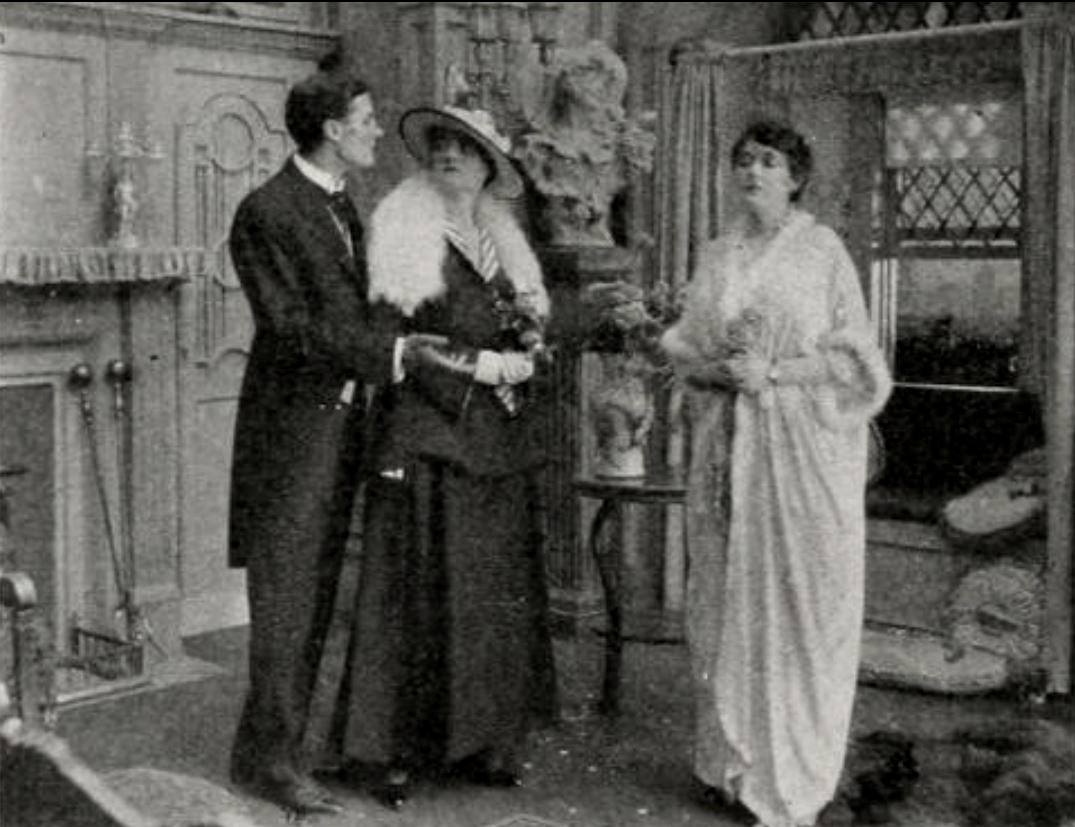
To understand why The Spreading Evil remains a cornerstone of proto-exploitation, one has to look at its narrative structure. It follows a chemist, Emil Hartsell, who discovers a cure for syphilis. But rather than a dry procedural, the film pivots into a high-stakes melodrama involving a philanthropist and a web of societal decay. It treats the disease like a supernatural curse, a phantom that haunts the upper classes and the slums alike. This 'pathogen-as-antagonist' trope would later fuel everything from 1950s 'Red Scare' sci-fi to the body horror of David Cronenberg.
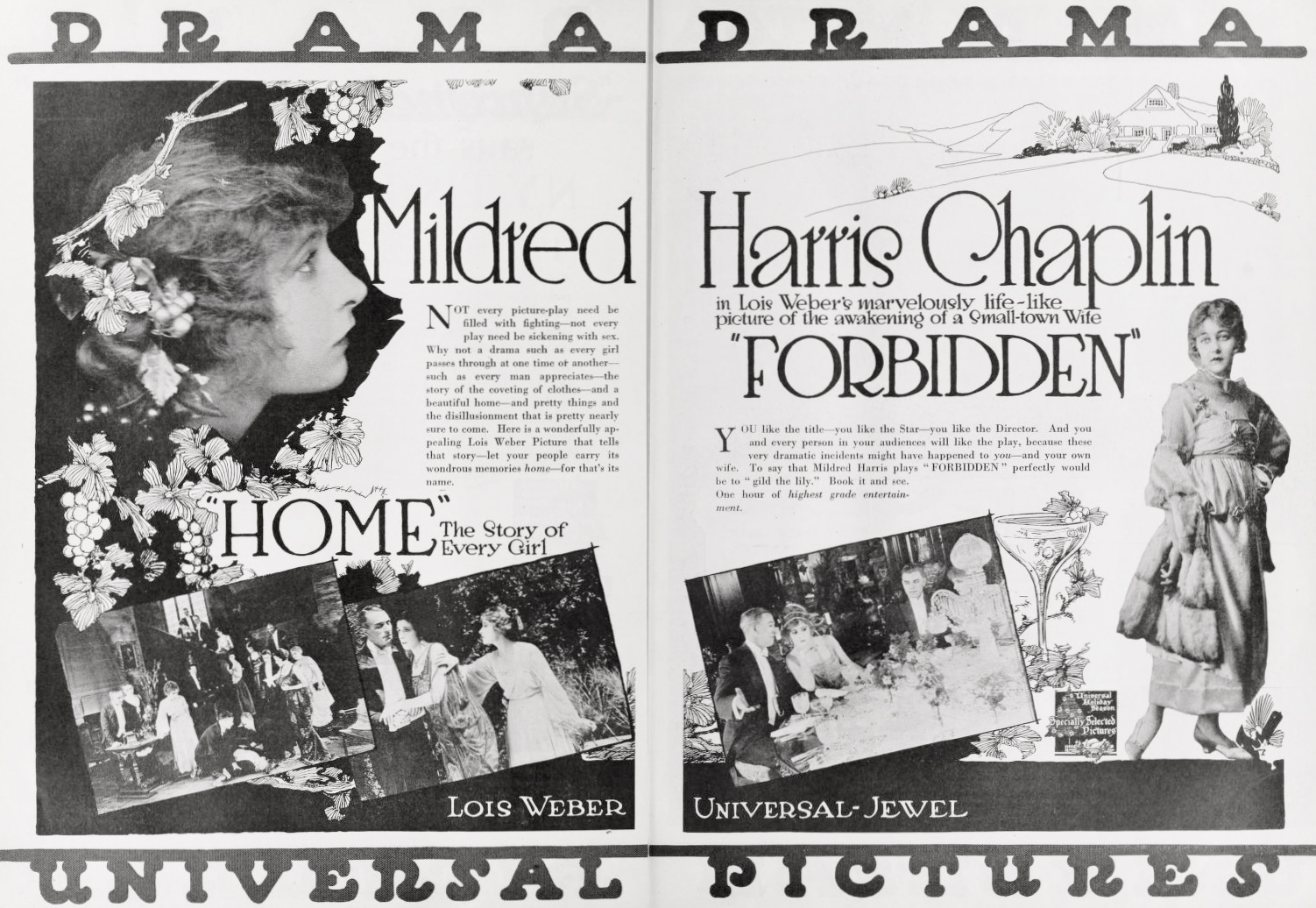
The film’s power lies in its tension between the clinical and the sensational. It uses the visual language of the era—heavy shadows, theatrical gestures—to emphasize the 'shame' associated with the illness. This 'shame' became the marketing hook. Posters for these films often featured screaming headlines: 'FOR MEN ONLY' or 'THE TRUTH THAT MUST BE TOLD.' It was a masterclass in what we now call 'clickbait' marketing, designed to trigger the curiosity of the repressed. It turned the act of movie-going into a clandestine ritual, a key component of any cult following.
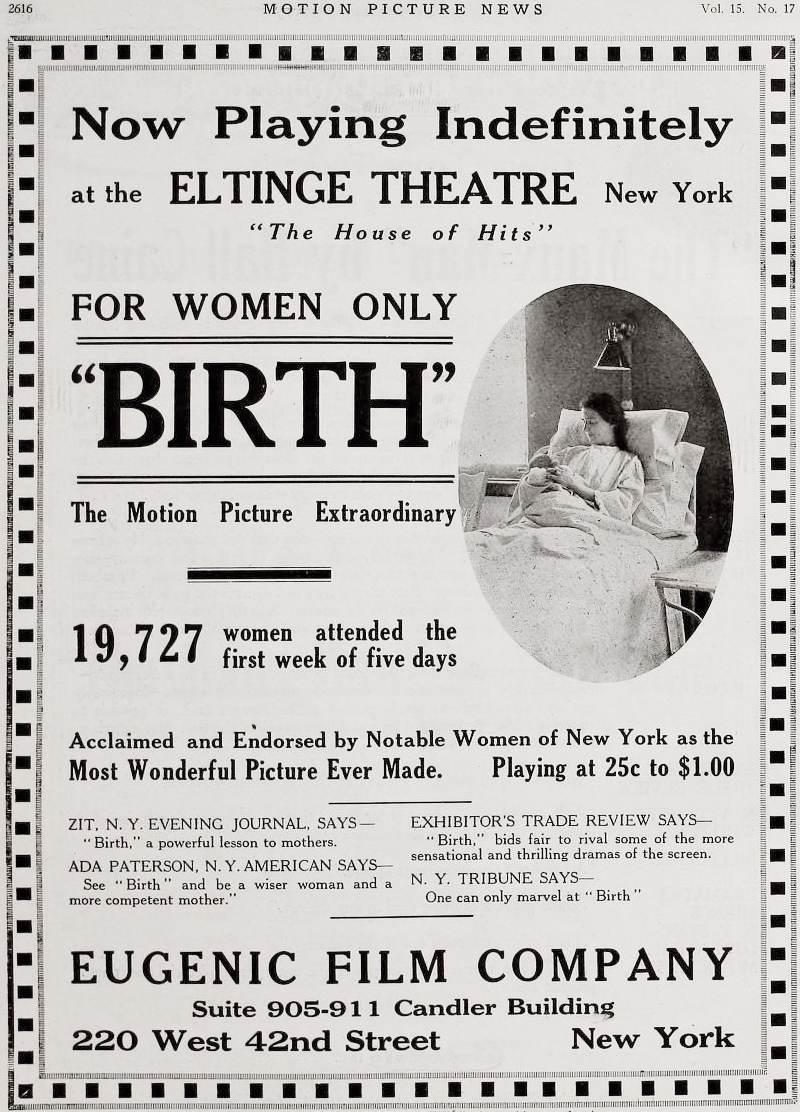
The production of these films was often as shady as the subjects they covered. While some, like those released by the Vero Educational Society (known for The Colosseum in Films), attempted a genuine pedagogical tone, others were the work of cinematic hucksters. These were the spiritual ancestors of the grindhouse producers of the 60s. They would buy a few reels of medical footage, splice in some dramatic scenes of a weeping woman or a dissolute man, and tour the country with a 'medical expert' in tow—usually an actor in a rented lab coat.
This performative authority is a recurring theme in early cult-adjacent cinema. We see echoes of it in films like Below the Surface (1920), where a respected deep-sea diver is manipulated by con artists using a 'phony scheme.' The era was obsessed with the idea of the 'front man'—the legitimate face used to mask a predatory intent. In the Social Hygiene circuit, the 'expert' was the front man for a lucrative exploitation business that thrived on the public's morbid curiosity.
Why did these films command such devotion? Why did people flock to see what was essentially a terrifying warning? The answer lies in the 'cult of the visceral.' Much like the 'strongman' dramas of the era, such as Wages of Virtue (1924) which featured traveling-show performers and jealous rages, the Social Hygiene film offered a raw, unvarnished look at human frailty. It was cinema that felt dangerous. In an age of 'polite' dramas, these films were a slap in the face.
They also tapped into a very specific kind of collective anxiety. World War I had just ended, and soldiers were returning home with more than just medals. The 'spreading evil' was a literal, physical threat to the domestic sphere. Films like Her Boy (1918) dealt with the patriotic fervor and the fear of losing a son to the war, but the hygiene films dealt with the fear of what that son might bring back. It was a dark, subterranean counterpart to the mainstream war narrative.
By the mid-1920s, the novelty of the Social Hygiene film began to wane as the Hays Code tightened its grip on the industry. But the genie was out of the bottle. The template had been set: find a taboo, wrap it in a 'moral' or 'educational' lesson, and market it to the fringes. This exact strategy would be used by Kroger Babb in the 1940s with Mom and Dad, and later by the likes of David Friedman and Herschell Gordon Lewis.
The cult of the Social Hygiene film is a reminder that cinema has always been a battleground between the desire to see and the desire to suppress. These films weren't just about syphilis; they were about the right to witness the 'unseen' parts of the human experience. They were the first to recognize that the most powerful images are often the ones we are told we shouldn't look at. Whether it was the 'tough' reality of a bird being chloroformed in Cold Turkey or the 'fighting strain' of a Western hero, early cinema was constantly pushing the boundaries of the acceptable.
Today, we look back at The Spreading Evil and its ilk with a mix of amusement and horror. The medical advice is outdated, the moralizing is heavy-handed, and the 'lecturers' are long gone. But the impulse that drove those 1918 audiences into the theater remains unchanged. We are still drawn to the fringe, to the films that promise to show us something 'dangerous.' The Social Hygiene era wasn't just a weird footnote in film history; it was the moment cinema discovered its own power to shock, to educate, and to exploit—all at the same time.
In the end, these films were the ultimate cult objects because they were never meant to be 'art' in the traditional sense. They were tools, weapons, and warnings. They existed on the periphery, fueled by the very things society tried to hide. And as any veteran of cult cinema knows, that’s exactly where the most interesting stories are always found. The 'spreading evil' didn't just infect the characters on screen; it infected the medium itself, ensuring that the 'forbidden' would always have a home in the flickering light of the projector.