
Cult Cinema
The Maverick's Code: Decoding the Enduring Language of Cult Cinema's Rebel Heart

“Cult cinema defies mainstream expectations, forging passionate communities around films that often start in obscurity. This article delves into the enigmatic appeal and lasting impact of these unconventional cinematic treasures, exploring how they speak to the rebel heart.”
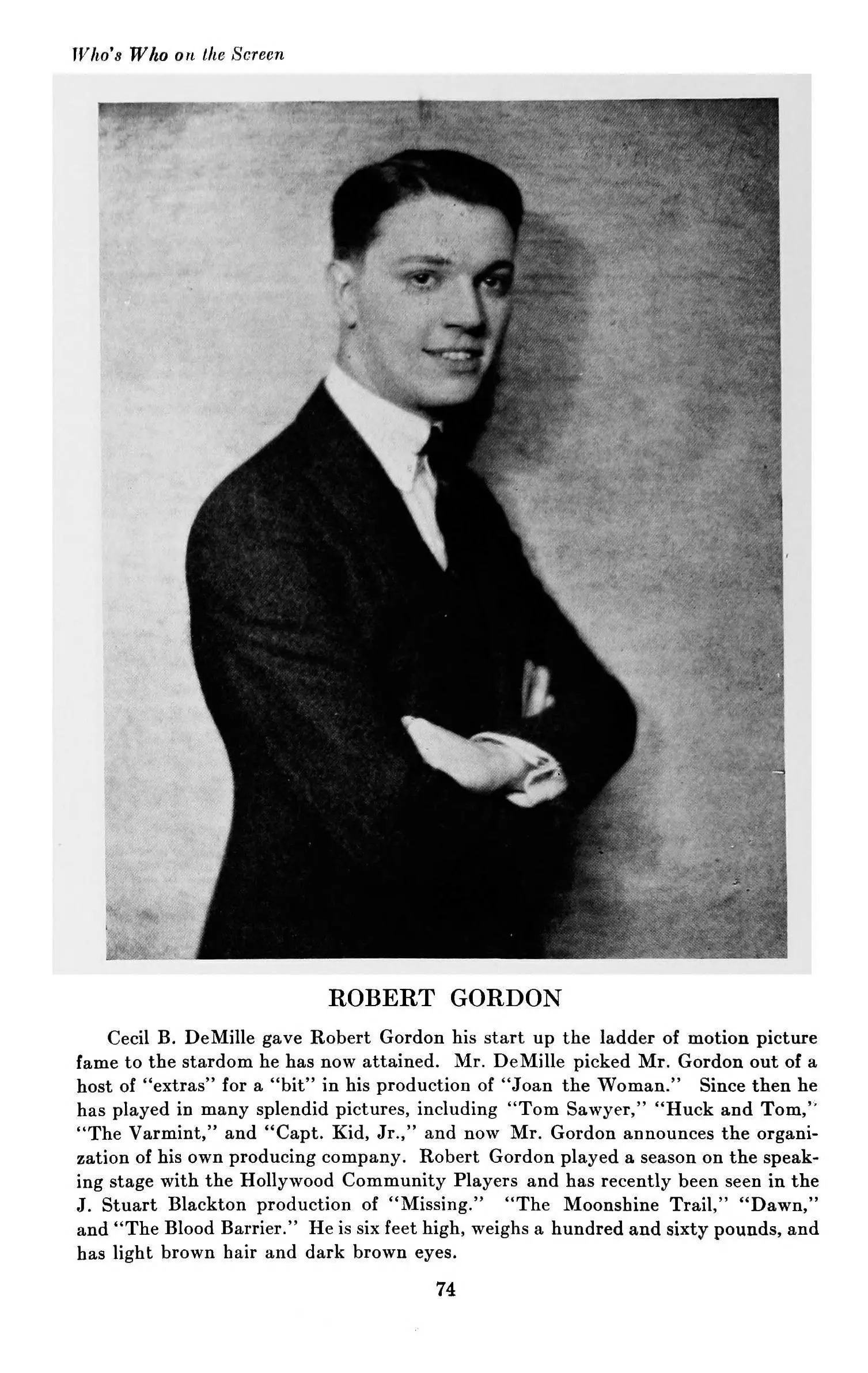
In the vast, ever-expanding universe of film, there exists a peculiar constellation of works that defy easy categorization, reject mainstream sensibilities, and yet command an almost religious devotion from their adherents. This is the realm of cult cinema – a vibrant, often transgressive, and perpetually fascinating corner of film history where the unconventional reigns supreme. These aren't just movies; they are experiences, rallying cries, secret handshakes for those who seek something beyond the ordinary. But what precisely imbues a film with this elusive 'cult' status, transforming it from a mere celluloid reel into an enduring cultural phenomenon? It’s a complex alchemy of narrative audacity, aesthetic rebellion, and a profound, often accidental, connection with a specific audience.

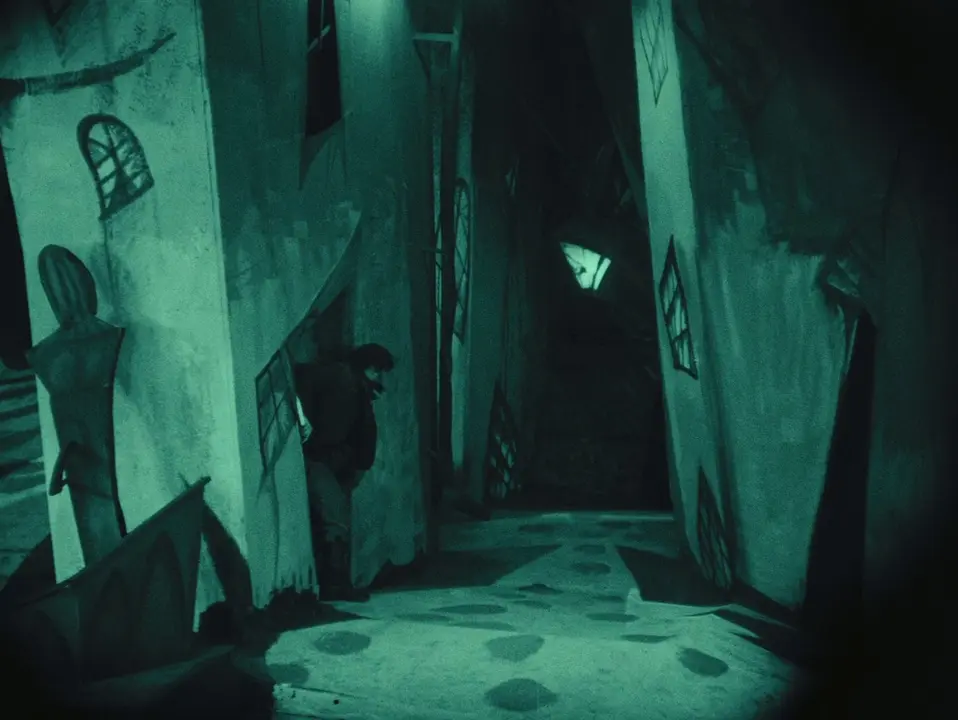
The term 'cult film' often conjures images of midnight screenings, audience participation, and fervent, almost obsessive, fandom. Yet, the roots of this cinematic devotion stretch far deeper than the drive-ins and independent theaters of the 1960s and 70s. The spirit of cult cinema – that magnetic pull towards the unconventional, the morally ambiguous, and the aesthetically daring – has been present since the dawn of filmmaking. Even in the silent era, films like F.W. Murnau's Nosferatu (1922) or Robert Wiene's The Cabinet of Dr. Caligari (1920) exhibited a distinct visual language and thematic darkness that set them apart, laying foundational stones for future cinematic rebellion. While not 'cult' in the modern participatory sense, their unique visions captivated niche audiences and challenged prevailing norms, hinting at the potential for films to resonate on a deeper, more personal level with those who felt outside the mainstream.
The Genesis of the Unconventional: From Obscurity to Iconography
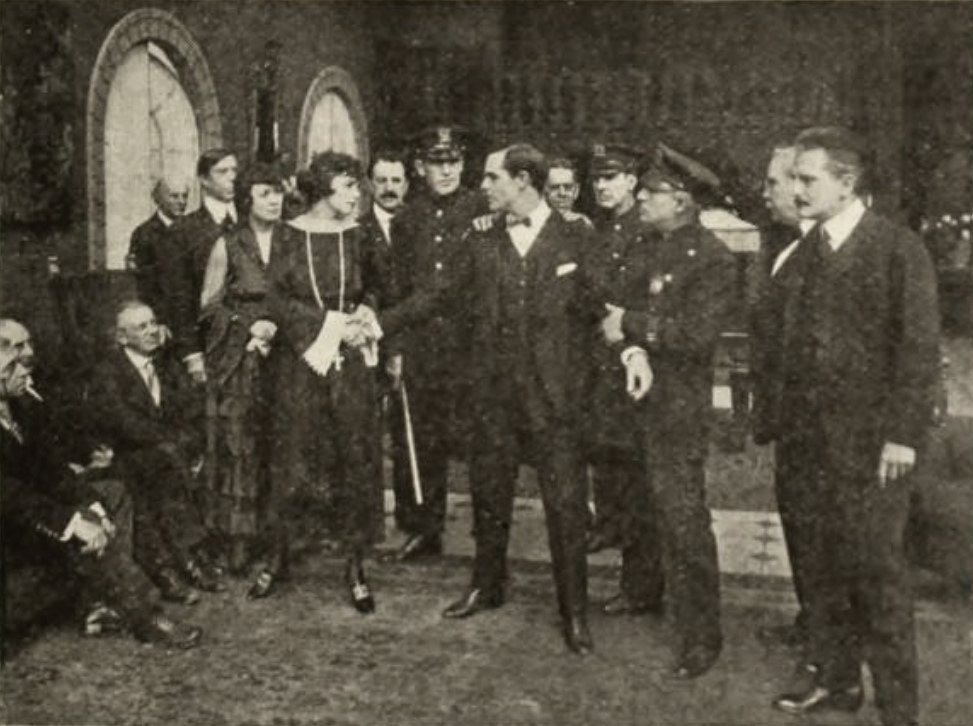
Many cult classics begin their lives as commercial failures, critical curiosities, or simply overlooked gems. They are films that, for one reason or another, failed to connect with a broad audience upon their initial release. Perhaps their themes were too challenging, their style too avant-garde, or their marketing simply missed the mark. Take, for instance, the many melodramas and genre pieces from cinema's early decades – films like The Mark of Cain (1917), a mystery laden with accusations and a quest for innocence, or Medea di Portamedina, a dark Italian drama exploring intense human emotions. These films, in their time, might have been seen as sensational or niche, but they carried within them the seeds of transgressive storytelling that would later define the cult canon. Their narratives, often dealing with 'The Wrong Woman' or 'Cheated Love', explored societal taboos and moral ambiguities, resonating with viewers who sought reflections of life's complexities beyond simplistic hero-villain dynamics.

The journey from obscurity to cult status is rarely linear. It often involves a slow burn, a gradual accumulation of whispers, recommendations, and re-discoveries. A film like Opium, with its potentially provocative themes, or Die schwarze Pantherin, an exploration of art and obsession, might not have found immediate universal acclaim, but they spoke to specific segments of the audience. The ‘Wild and Woolly’ energy of some early comedies, or the stark realism of documentaries like The Log of the U-35, also carved out their own unique spaces, attracting viewers looking for something different. This initial lack of widespread acceptance paradoxically becomes a badge of honor for cult films. It signifies their outsider status, their refusal to conform, making them all the more appealing to audiences who also feel like outsiders.
Breaking the Mold: Transgressive Narratives and Taboo Subjects
At the heart of many cult films lies a willingness to transgress, to push boundaries, and to explore themes that mainstream cinema often shies away from. Whether it's explicit violence, sexual liberation, political subversion, or existential dread, cult films are unafraid to confront the uncomfortable. They challenge societal norms, question authority, and often present morally ambiguous characters who defy conventional heroism. Films that delve into the dark underbelly of human nature, perhaps echoing the dramatic intensity of an 'El Verdugo' or the moral quandaries suggested by 'The Mother Who Paid', invite audiences to grapple with complex ethical landscapes.
This transgressive spirit isn't always about shock value; it's often about honesty and a desire to reflect the messiness of the human condition. Early films often grappled with societal expectations and personal desires, as seen in 'A Daughter of the Poor' or 'Fallen Angel', where characters navigate difficult circumstances and defy predetermined paths. Even comedies like 'The Wildcat' or 'A Desert Hero' can subvert expectations through their madcap energy or satirical undertones, making light of serious situations or upending traditional genre tropes. The willingness to be different, to stand apart from the cinematic crowd, is a defining characteristic. This could manifest as a narrative that refuses easy answers, a protagonist who is deeply flawed, or a worldview that is cynical and bleak. It’s this very defiance that creates a strong bond with audiences who feel similarly alienated or misunderstood by mainstream culture.

The Power of the Unconventional Aesthetic: Style as Substance
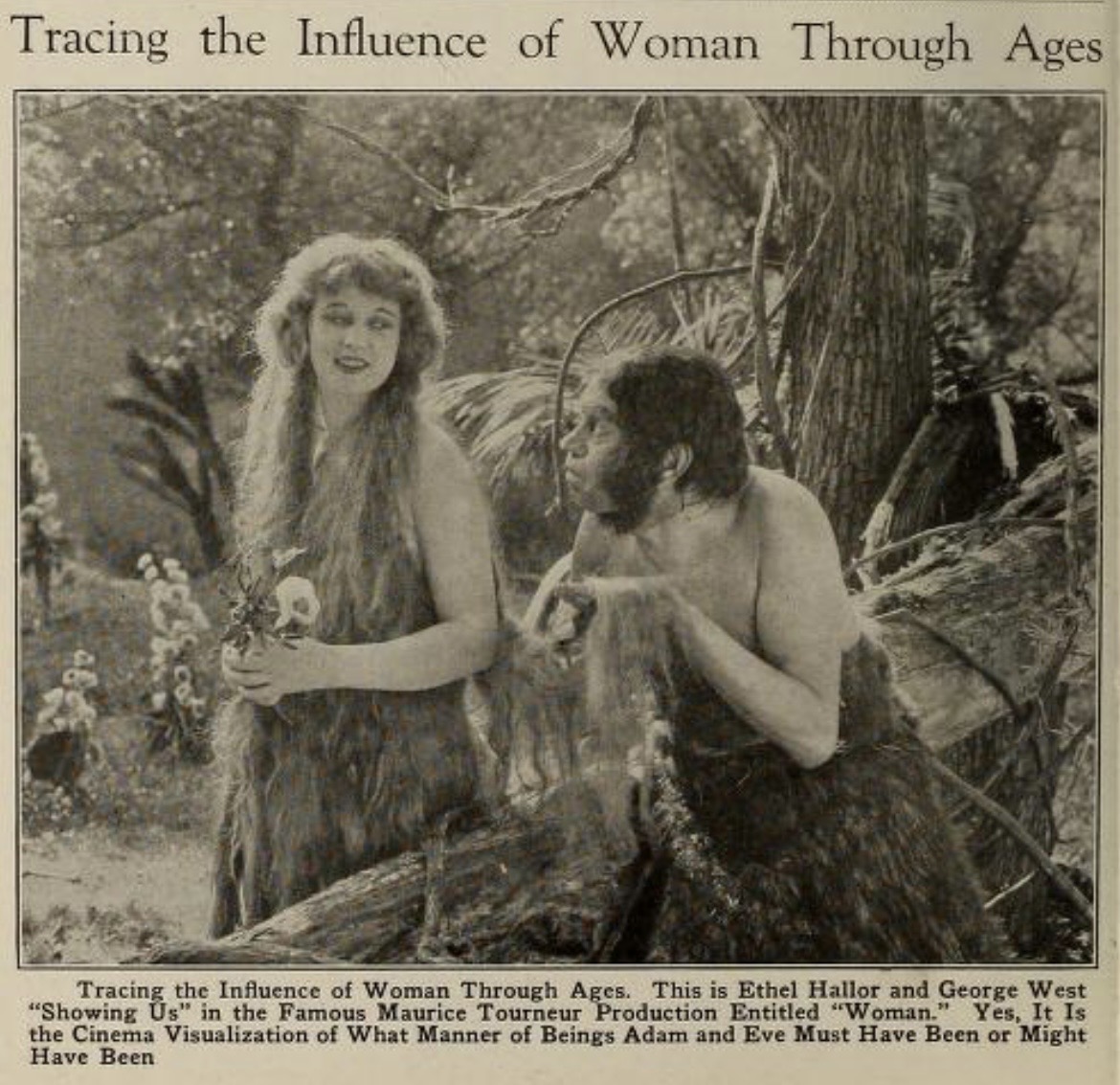
Beyond narrative, the aesthetic choices in cult cinema frequently diverge from the polished, commercially viable look of Hollywood blockbusters. This could range from deliberately low-budget, DIY aesthetics that lend an authentic, gritty feel, to highly stylized, avant-garde visual languages that challenge conventional cinematic grammar. Films like 'The Magic Skin' or 'The Reincarnation of Karma' might have employed imaginative visual storytelling to convey their fantastical or spiritual narratives, captivating viewers with their unique imagery. The raw, unvarnished quality of some early features, or the experimental nature of others, becomes part of their charm, fostering a sense of authenticity and artistic integrity that resonates with discerning viewers.
Sometimes, the 'unconventional aesthetic' is simply a matter of a unique directorial vision, a singular voice that refuses to be diluted. Think of the distinct comedic timing in 'Her Bargain Day' or 'A Fresh Start', or the deliberate pacing and atmosphere in a mystery like 'The House of Hate'. These films, regardless of their budget or initial reception, possess a visual and auditory signature that is unmistakably their own. This strong authorial stamp, often uncompromised by studio interference, is a major draw for cult audiences. They appreciate the artistic purity and the willingness of filmmakers to take risks, even if those risks lead to initial commercial failure. The aesthetic becomes a character in itself, a crucial component of the film's identity and its enduring appeal.
Community and Ritual: The Audience as Co-Creator
Perhaps the most defining characteristic of cult cinema is the active role played by its audience. Unlike passive consumption, watching a cult film often involves participation, ritual, and a deep sense of community. This phenomenon gained prominence with the 'midnight movie' circuit, where films like The Rocky Horror Picture Show transformed into interactive experiences with audience dress-up, call-backs, and prop usage. While not all cult films inspire such overt participation, they all foster a strong sense of belonging among their fans.
This communal aspect extends beyond physical screenings. Online forums, fan conventions, and dedicated websites serve as gathering places for devotees to dissect every frame, discuss theories, and celebrate their shared passion. The shared experience of discovering and championing an overlooked film creates a powerful bond. It’s a 'secret handshake' for those in the know, a way to identify fellow travelers in a cinematic landscape often dominated by blockbusters. Films like 'Brother of the Bear', with its exploration of internal struggle and connection with nature, or 'My Lady Robin Hood', featuring a defiant heroine, might have inspired niche appreciation and discussion among those who connected with their unique narratives. The audience, in essence, becomes a co-creator of the cult experience, adding layers of meaning and tradition that were never explicitly intended by the filmmakers.
The Test of Time: Longevity and Reappraisal
Many cult films achieve their legendary status not immediately, but through the slow, inexorable march of time. A film that was dismissed as bizarre or incomprehensible upon release might, years or even decades later, be rediscovered and re-evaluated by a new generation of critics and cinephiles. What once seemed alien might now be seen as prescient, ahead of its time, or simply misunderstood. This reappraisal often happens when cultural tastes shift, or when the themes a film explores become more relevant to a contemporary audience.
Consider films like 'The Truth', which might have been initially dismissed for its moral ambiguities, or 'He Married His Wife', a comedy that perhaps found a new audience as societal views on relationships evolved. The enduring power of these films lies in their ability to resonate across different eras, their core messages or unique styles finding new champions. This 'slow burn' phenomenon is crucial to the cult canon. It speaks to the idea that true artistic merit isn't always immediately recognized, and that some works require distance, context, or simply the right audience to truly flourish. The journey of a cult film is often one of perseverance, patiently waiting for its moment in the sun, proving that artistic integrity can, eventually, triumph over initial commercial or critical indifference.
The Enduring Legacy: Influence and Inspiration
Despite their often-niche appeal, cult films exert a disproportionate influence on cinema as a whole. They are often laboratories for experimentation, incubators for new ideas, and proving grounds for unconventional talent. Directors, writers, and cinematographers who cut their teeth on cult projects often go on to shape mainstream cinema, carrying with them the lessons learned from pushing boundaries and working outside the system. The bold storytelling of a film like 'North of Fifty-Three' or the dramatic tension in 'Beating the Game' might have inspired countless subsequent genre works.
Beyond direct influence, cult films enrich the cinematic tapestry by offering alternative narratives and perspectives. They provide a vital counter-balance to the homogenizing forces of commercial filmmaking, ensuring that diverse voices and challenging ideas continue to find a platform. From the gritty realism of a 'Kidnapped' to the fantastical elements of 'The Reincarnation of Karma', these films expand the very definition of what cinema can be. They remind us that film is not just an industry, but an art form capable of profound self-expression and cultural commentary. Their legacy is not just in their dedicated fanbases, but in the subtle ways they permeate the broader cinematic consciousness, inspiring new generations of filmmakers and viewers alike to seek out the strange, the beautiful, and the utterly unique.
In conclusion, cult cinema is far more than a collection of quirky movies; it’s a testament to the power of unconventional storytelling, the resilience of artistic vision, and the profound human need for connection and belonging. It’s a world where 'The Truth' is often stranger than fiction, where 'Danger Within' can be a catalyst for self-discovery, and where the 'Absentee' finds a spiritual home among kindred spirits. From the early cinematic experiments that challenged audiences with new forms and narratives, to the midnight movie phenomena that turned film-watching into an interactive ritual, cult films have consistently pushed the boundaries of what is acceptable and what is possible. They are the rogue elements, the beautiful anomalies, the cinematic outsiders who, by daring to be different, have carved out an indispensable and enduring place in the hearts and minds of film lovers worldwide. Their rebel heart continues to beat strong, a vibrant pulse in the ever-evolving body of cinema, inviting us all to decode its enduring language and join its passionate ranks.
Community
Comments
Log in to comment.
Loading comments…