
Cult Cinema
The Midnight Archetype: Decoding the Primitive Transgressions and Eccentric Echoes of Cinema’s First Rogue Wave
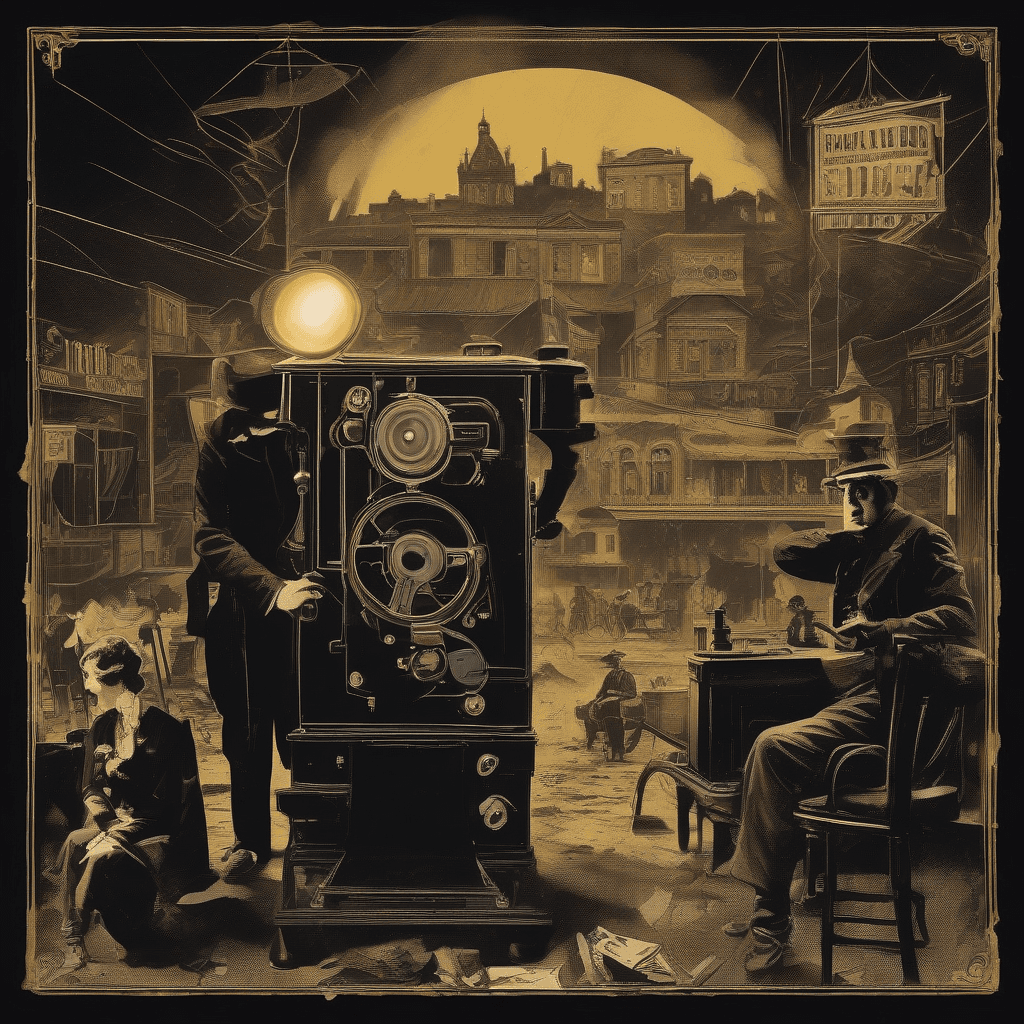
“Explore how the early 20th century’s most bizarre and transgressive reels laid the groundwork for modern cult cinema obsession and niche devotion.”
To understand the modern cult film is to understand the nature of the transgressive image. Long before the midnight movie circuits of the 1970s or the digital underground of the 2000s, there existed a primordial soup of cinematic oddities that defied the burgeoning conventions of the studio system. These were the rogue reels of the 1910s—films that, through their moral ambiguity, technical eccentricity, or sheer thematic strangeness, invited a level of devotion that went beyond mere entertainment. This is the birth of the cult archetype, a lineage of celluloid rebellion that begins with the forgotten outcasts of the silent era.
The Moral Outlaw and the Architecture of Subversion
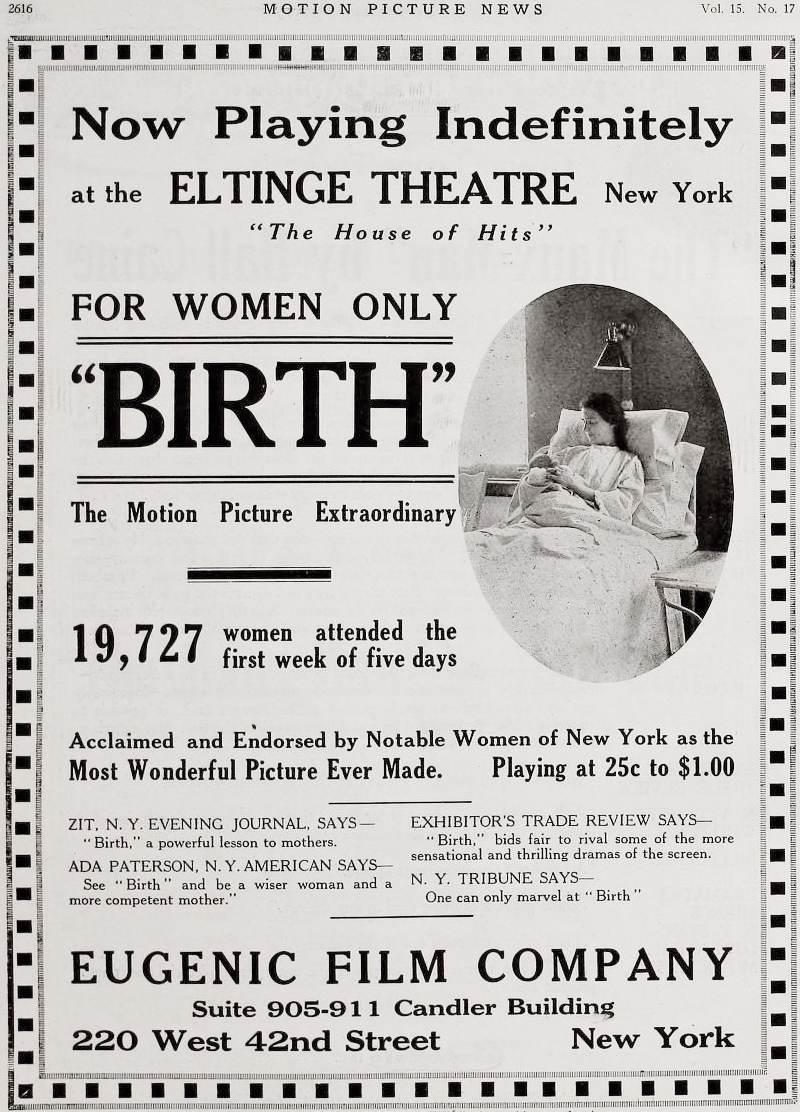
At the heart of cult cinema lies the anti-hero, a figure who operates outside the sanitized boundaries of polite society. In the 1917 film Pay Me!, we see an early blueprint for the gritty, uncompromising narratives that would later define exploitation and grindhouse cinema. The character of Joe Lawson, a corrupt gold miner who descends into a spiral of murder and abandonment, creates an outlaw town that serves as a physical manifestation of his moral decay. This isn't the clean-cut hero of a Griffith epic; this is a precursor to the dark, morally complex protagonists of the New Hollywood era. The film’s twenty-year narrative jump and its focus on the cyclical nature of sin provide a structural complexity that early audiences found both jarring and hypnotic.
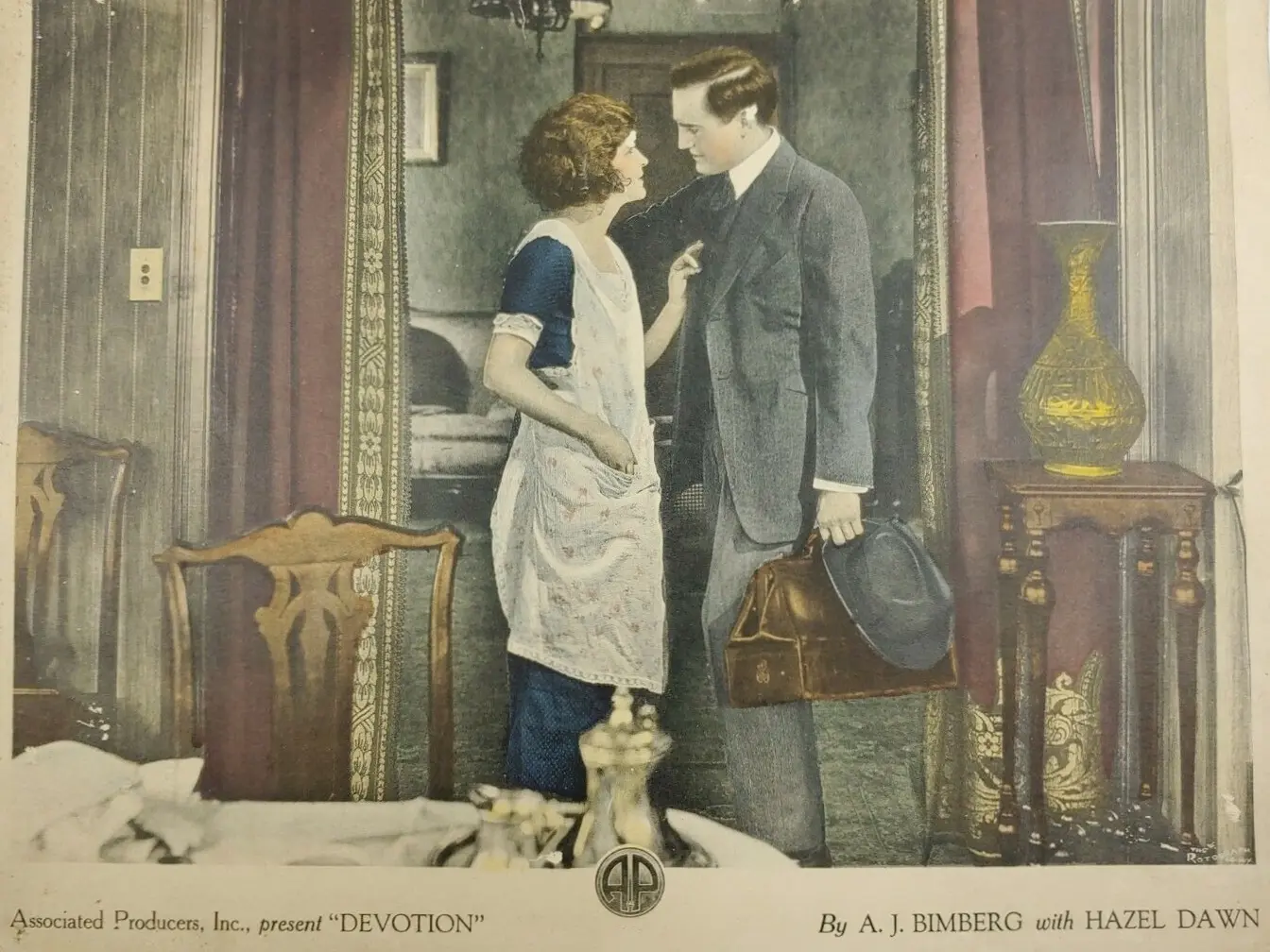
Similarly, The Market of Vain Desire (1916) uses the pulpit not for salvation, but for a calculated scheme of social shaming. When a parson manipulates his congregation to break a betrothal between his love and a wealthy Count, the film challenges the expected sanctity of religious figures. This subversion of authority is a cornerstone of cult appeal. It speaks to a segment of the audience that finds truth in the unconventional and the hypocritical. These films didn't just tell stories; they exposed the cracks in the social facade, much like the cult classics of the counter-culture movement would do decades later.
The Gender Rebel and the Tomboyish Gaze
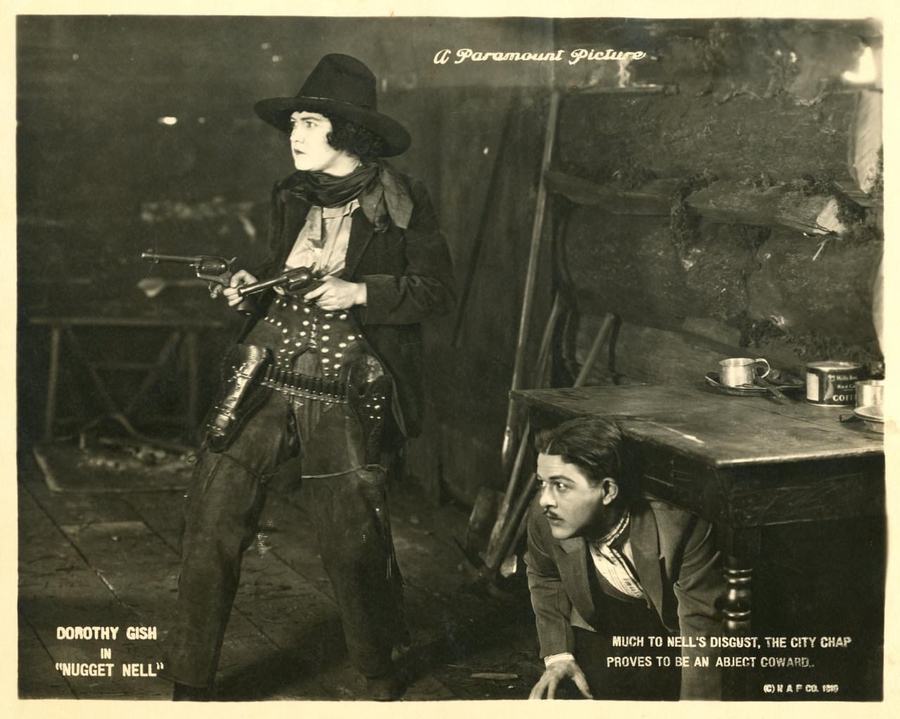
Cult cinema has always been a sanctuary for those who do not fit the traditional binary. In the silent era, this often manifested as the 'tomboy' or the 'misfit' woman. Nugget Nell (1919), featuring Dorothy Gish, presents a protagonist who runs a hash house in a mining camp and remains unimpressed by the traditional romantic overtures of the local sheriff. Nell is a figure of independence and gender-bending charm, a spirit that resonates with the same energy as the punk-inflected heroines of the 1980s. Her refusal to be 'aroused' by the standard heroic archetype marks her as a cult icon in the making—a character defined by her own rules rather than her relationship to men.
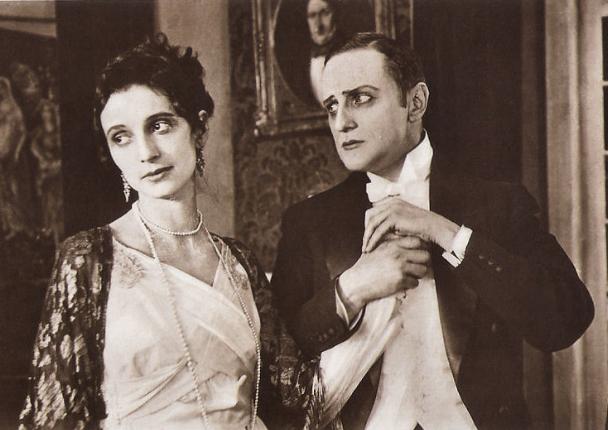
Contrast this with the haunting isolation of Rafaela (1917), a film that explores the profound loneliness of a woman admired by many but understood by none. This psychological depth—the 'angst' of the misunderstood woman—prefigures the cult obsession with tragic, alienated figures. Rafaela doesn't offer a happy ending; it offers a mirror to the viewer's own sense of internal exile. This is the 'shared secret' of cult cinema: the recognition of one's own loneliness on the silver screen.
The Obsessive Mind: Napoleon Complexes and Artistic Temperaments
One of the most potent drivers of cult devotion is the depiction of obsession. In A Splendid Hazard (1920), we are introduced to Karl Breitman, a man consumed by the delusion that he is a descendant of Napoleon. His singular focus on restoring the French monarchy drives him to manipulate those around him, turning his life into a performance of historical grandeur. This 'Napoleon complex' is a recurring theme in cult cinema—the character who lives in a self-constructed reality, oblivious to the world's judgment. It is the same energy found in the works of Werner Herzog or the obsessive protagonists of David Lynch.
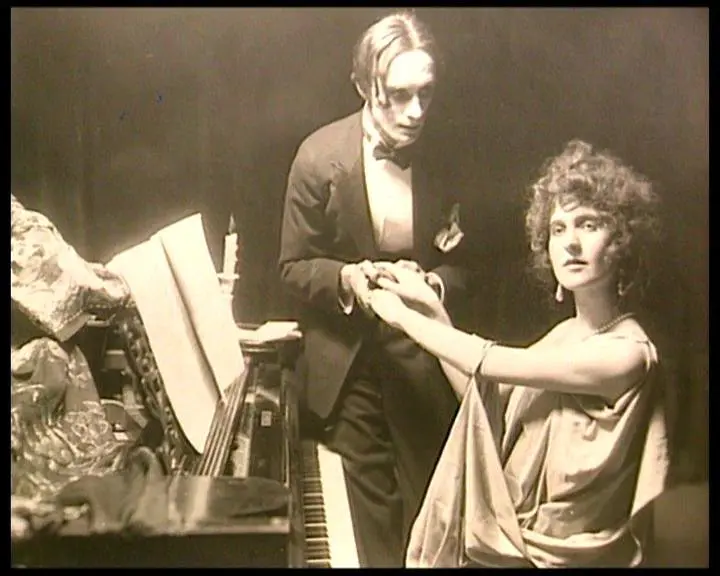
The artistic temperament itself becomes a subject of cult fascination in The Song of Songs (1918). The unfinished love ode, the warning against 'artistic temperament,' and the legacy of an alcoholic wife create a melodrama that feels like a fever dream. Cult audiences are drawn to these narratives of creative ruin and unfinished masterpieces. The film itself becomes a relic, a piece of a larger, fractured mythology. This is echoed in The Ghosts of Yesterday (1918), where an artist’s attempt to finish a portrait of his dead wife leads him to a doppelgänger. The theme of the 'spectral double' and the inability to let go of the past is a haunting motif that has permeated cult horror and noir for a century.
Prohibition, Subversion, and the Blind Pig
Cult cinema often thrives on the forbidden, and nothing was more forbidden in the early 20th century than alcohol. The Six Best Cellars (1920) and Drink Hearty (1920) tackle the absurdity of Prohibition with a subversive wit. In The Six Best Cellars, the possession of a wine cellar becomes the ultimate status symbol, turning a social necessity into a clandestine ritual. Drink Hearty takes this a step further, depicting a 'blind pig' in a barn where the village cronies gather to defy the revenue officers. These films celebrate the act of communal defiance. They turn the act of breaking the law into a comedic triumph, aligning the audience with the bootlegger and the rebel. This 'us vs. them' mentality is essential to the formation of a cult following, where the film serves as a secret handshake among those who know where the 'licker' is hidden.
Metaphysical Deviance: Satan, Shakespeare, and the Occult
The true 'midnight' spirit is often found in the metaphysical and the bizarre. Carl Theodor Dreyer’s Leaves From Satan's Book (1920) is a foundational text in this regard. By presenting Satan not as a cartoonish villain but as a tragic figure attempting to win God's favor through human suffering, Dreyer created a work of profound moral complexity. The episodic nature of the film—stretching from the temptation of Jesus to the Russo-Finnish war—provides a panoramic view of human frailty that is both beautiful and terrifying. This is high-concept cult cinema, a precursor to the philosophical horror that would follow.
Even the authorship of history is not safe from the cult gaze. Master Shakespeare, Strolling Player (1916) delves into the Francis Bacon vs. William Shakespeare authorship dispute, turning literary theory into a dramatic conflict. This questioning of the 'official' narrative is a hallmark of cult culture. It appeals to the conspiracy theorist, the amateur historian, and the fan who wants to believe that the world is more mysterious than it appears. Whether it is the curio shop in Mystic Faces (1918) or the biblical reimagining in Das Buch Esther (1919), these films invite the viewer to look beneath the surface of the established world.
The Aesthetic of the Fragment: From Swashbucklers to Short Curios
Cult cinema isn't always about the grand narrative; sometimes it is about the eccentric fragment. The 1910s were full of these: the bizarre animation of The Tale of a Wag (1916), where a hammer is tied to a dog's tail to swat a mosquito; the comedic absurdity of A He-Male Vamp (1920); or the frantic energy of Love in a Hurry (1919). These films, often short and experimental, provided a space for visual jokes and tonal shifts that the more prestigious 'feature' films avoided. They represent the 'noise' of early cinema—the wild, unrefined experiments that would later influence the avant-garde and the music video aesthetic.
Even sports films like 1915 World's Championship Series or the international scandal of The Caillaux Case (1918) contributed to the cult landscape by capturing the 'real' in a way that felt raw and unmediated. Cult fans are often collectors of the ephemeral, and these glimpses into the past—whether through a baseball game or a French murder trial—serve as artifacts of a lost world. They are the 'found footage' of their time, possessing an inherent creepiness and fascination simply by virtue of their survival.
Conclusion: The Enduring Legacy of the Misfit Reel
The films of the 1910s, from the tragic Mrs. Thompson (1919) to the adventurous David and Jonathan (1920), were more than just precursors to modern movies; they were the architects of the cult consciousness. They taught us to love the flawed, to obsess over the obscure, and to find beauty in the transgressive. When we watch a modern cult classic, we are seeing the echoes of Nugget Nell’s defiance, Joe Lawson’s moral decay, and Satan’s tragic struggle for redemption. The midnight hour didn't start in the 1970s; it started in the flickering shadows of the silent fringe, where the first generation of cinematic misfits proved that the most enduring stories are often the ones that refuse to play by the rules.
As we continue to unearth these nitrate treasures, we find that the 'cult' label is not a modern invention but a timeless reaction to the power of the image. The rogue wave of the 1910s continues to wash over us, reminding us that cinema is at its best when it is a little bit dangerous, a little bit strange, and entirely unforgettable.
Community
Comments
Log in to comment.
Loading comments…