
Cult Cinema
The Transgressive Echo: Decoding the Subversive Pulse of Cinema’s Earliest Genre Mutants
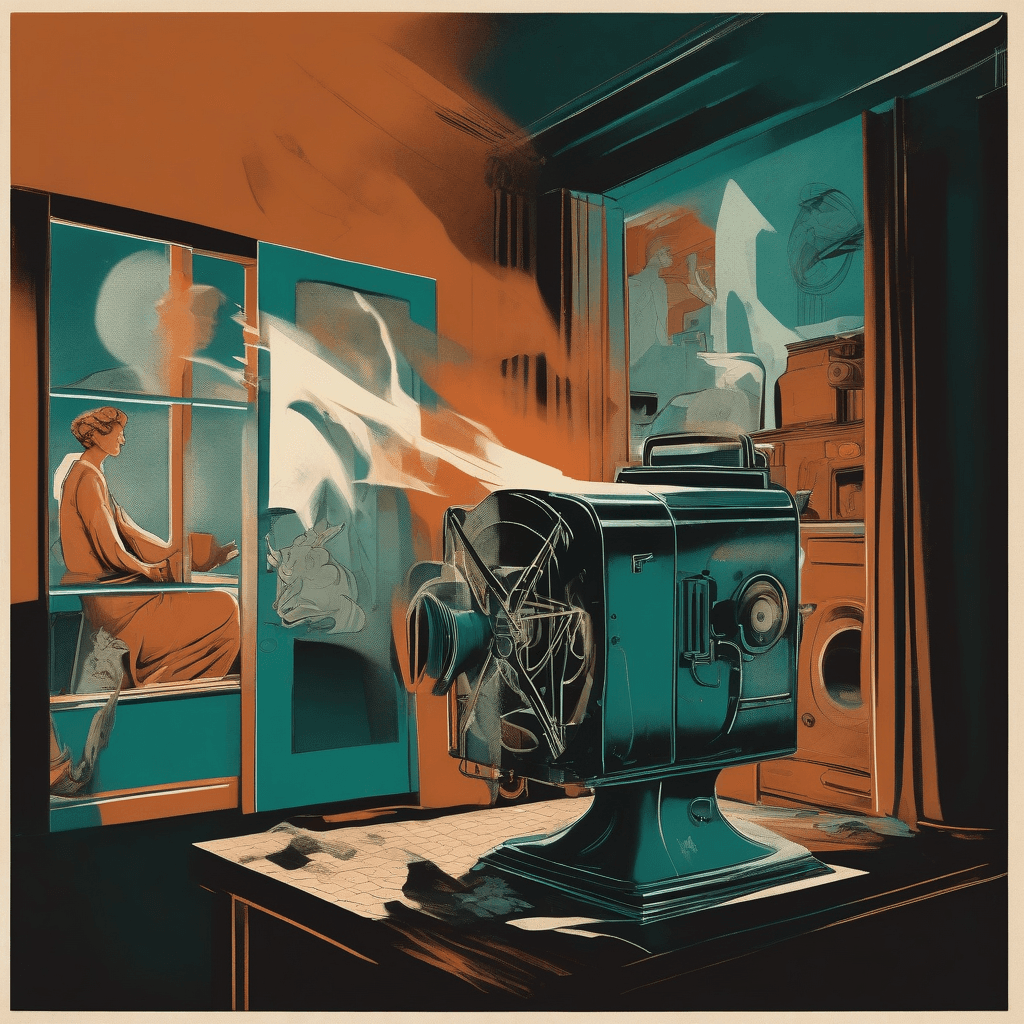
“Explore the hidden lineage of cult cinema through the lens of early 20th-century outcasts, from eugenicist dramas to surrealist comedies that defied the mainstream.”
When we speak of cult cinema, the mind often drifts toward the neon-soaked midnight screenings of the 1970s or the grainy VHS subcultures of the 1980s. However, the genetic blueprint of the cult film was drafted long before the advent of the midnight movie. It was forged in the flickering shadows of the early 20th century, where filmmakers—sometimes by accident, often by desperate design—pushed the boundaries of social acceptability, narrative logic, and visual sanity. These early works, which we might call 'proto-cult,' established the themes of transgression, obsession, and the glorification of the 'other' that define the genre today.
The Morality Play as Transgressive Art
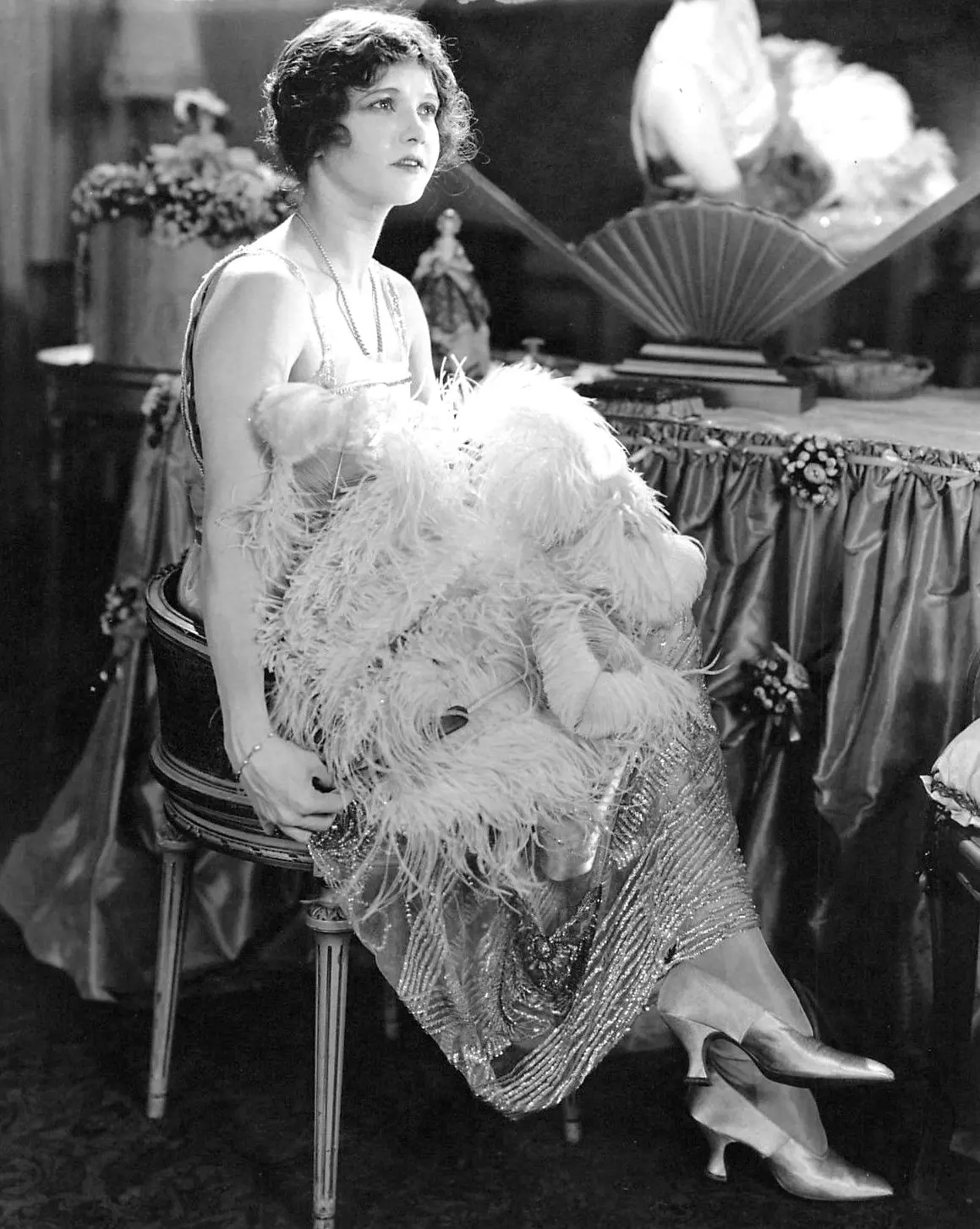
In the silent era, the line between education and exploitation was razor-thin. Films like The Miracle of Life and The Black Stork are prime examples of how early cinema engaged with taboos that the mainstream would later spend decades trying to suppress. The Miracle of Life, with its exploration of abortion through the lens of a young bride's drug-induced vision, utilized a surrealist framing to tackle a subject that was whispered about but rarely visualized. This is the hallmark of cult cinema: the willingness to stare directly into the sun of social controversy.

Similarly, The Black Stork—a film that advocates for eugenics—stands today as a chilling artifact of its time. While its message is morally abhorrent by modern standards, its existence as a piece of 'medical' propaganda that crossed over into public theaters demonstrates the subversive pulse of early film. It tapped into a primal fear of the 'defective' and the 'other,' a theme that would later be inverted by cult icons like Tod Browning. These films didn't just tell stories; they provoked a visceral reaction, creating a template for the 'forbidden' film that audiences feel compelled to witness despite—or because of—its disturbing content.
Surrealism and the Birth of the Absurd
The Man-Machine Metamorphosis
Long before David Lynch explored the blurring of flesh and machinery, silent comedies were experimenting with the absurdist transformation. In the short film Service Stripes, we see a character’s personality and physical form transfigured into a laundry basket, a waiter, and a series of inanimate objects. This isn't just slapstick; it is a radical departure from reality that challenges the viewer's perception of the human form. This 'man-as-object' motif is a recurring theme in cult aesthetics, where the body is treated as a malleable canvas for the director’s whims.

Even more bizarre is Billy Whiskers, where an ambitious goat navigates human careers, from taxi driving to firefighting. The deadpan presentation of such an impossible premise is the ancestor of modern absurdist cult hits. When we watch a film about a goat becoming a hero, we are participating in a shared delusion, a key component of the cult movie experience. The audience is invited to enter a world where the rules of nature are suspended, and the only logic is the internal logic of the film itself.
The Romantic Outlaw and Revolutionary Spirit
Cult cinema has always been the home of the rebel, the bandit, and the revolutionary. Early films like Scarlet Days and Mexico captured the zeitgeist of the outlaw hero. In Scarlet Days, the romanticized bandit Alvarez—reformed by love—mirrors the 'noble outlaw' archetype that would later populate the Spaghetti Westerns and biker films of the cult canon. These films resonated with audiences because they represented a break from the rigid moral structures of the Edwardian era.
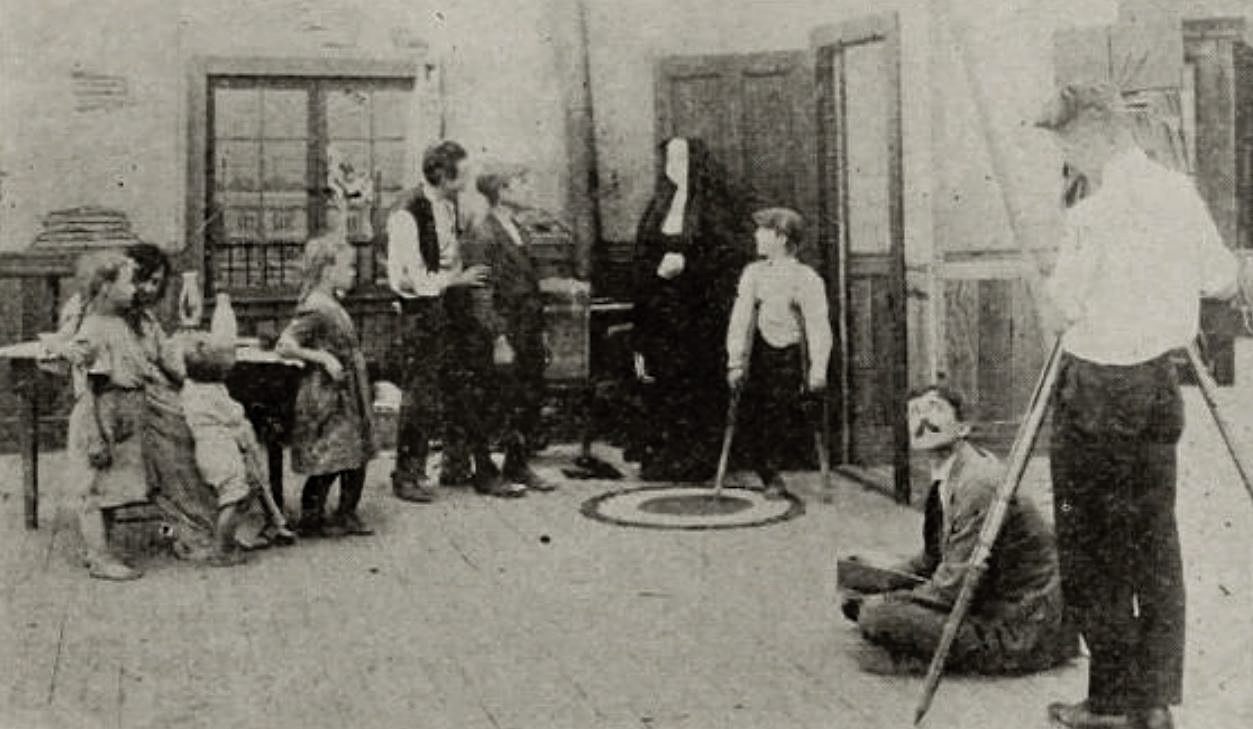
The film Mexico, which follows a young man joining the revolutionary forces of Villa, brings a documentary-like grit to the narrative of rebellion. This intersection of real-world politics and cinematic myth-making is a fertile ground for cult devotion. When a film like Gold and the Woman depicts the travails of a Mexican aristocrat during a revolution, it offers a window into a world of chaos and change that the sanitized mainstream often avoided. The cult audience seeks this 'unfiltered' reality, a sense that they are seeing something dangerous or historically significant that has been tucked away in the cinematic underground.
Dreamscapes and the Fantastic
The Female Pirate Fantasy
In Captain Kidd's Kids, a bachelor party leads to a dream sequence involving a ship seized by a band of female pirates. This sequence is a masterclass in early cinematic escapism and gender-bending fantasy. By placing the protagonist in a world where women hold the power of the high seas, the film subverts contemporary gender roles through the safety of a 'dream.' This 'visionary' quality—where the screen becomes a portal to an impossible, often sexually charged or power-inverted world—is a foundational element of the cult experience.
Similarly, Rumpelstiltskin brings the dark, obsessive energy of the fairy tale to life. The dwarf’s magic and his covetous nature toward the miller’s daughter create a sense of primal dread. Early fantasy films weren't just for children; they were explorations of the uncanny. The visual effects of the 1910s, though primitive by today's standards, had a haunting, tactile quality that modern CGI often lacks. This 'clunky' magic is exactly what cult enthusiasts adore—the visible hand of the creator struggling to manifest the impossible.
Liminal Spaces: From Harbor Bars to Artist Colonies
Cult films often take place in 'liminal spaces'—places that exist on the edge of society. Fièvre, set in a harbor bar in Marseille, is a perfect example. It captures the tension, the grime, and the fleeting romances of the transient population. The bar is a microcosm of the world's outcasts, where a sailor's arrival can ignite a powder keg of past grievances and dormant desires. This focus on the 'low-life' and the marginalized is a cornerstone of cult storytelling.
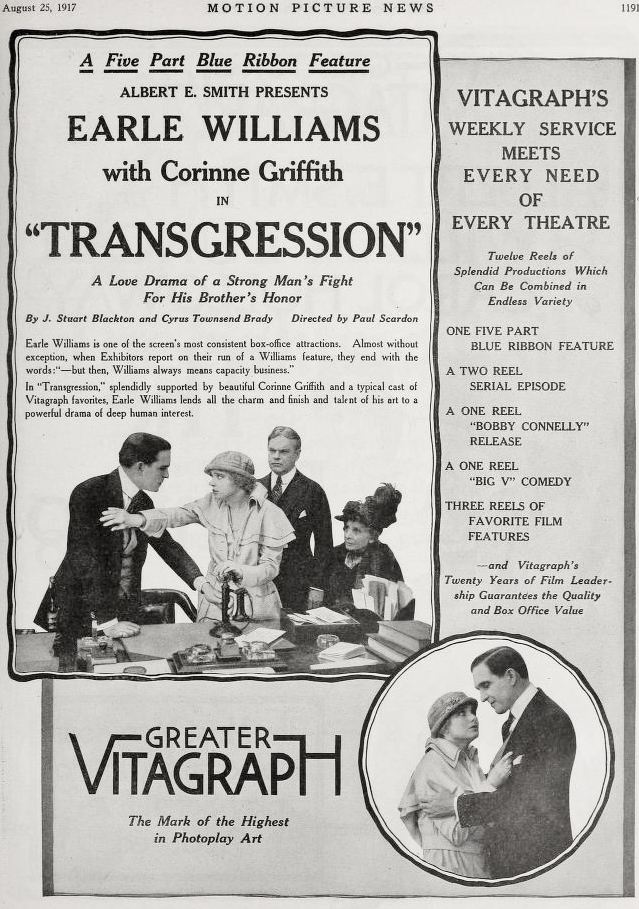
On the other end of the spectrum, Bobbed Hair takes us to an artists' colony, where a young woman flees her conventional fiancé. The artist colony represents the ultimate cult destination: a place where the rules of the 'square' world don't apply. By glorifying the bohemian lifestyle and the rejection of social norms, films like Bobbed Hair provided a blueprint for the counter-culture films of the 1960s. They celebrated the act of 'dropping out' before the term was even coined.
The Technological Obsession: Wonders of the Sea
Part of the cult allure is the fascination with the medium itself. Wonders of the Sea, a 1922 documentary exploring the ocean depths with a submarine chamber, represents the 'cult of the machine.' It wasn't just about the fish; it was about the invention—the Williamson submarine chamber—that made the images possible. Cult audiences have always been tech-obsessed, whether it’s the grain of 16mm film or the specific distortion of an early underwater lens. This film turned the act of looking into an adventure, a technological transgression into a world humans weren't meant to see.
Conclusion: The Enduring Legacy of the Early Misfit
As we look back at films like Should a Wife Forgive? or the Swedish drama Kärlek och hypnotism, we see the seeds of the modern cult obsession. These films were often misunderstood or dismissed by the critics of their day, yet they contained a rebel heartbeat that refused to be silenced. They dealt with hypnotism, seduction, social ruin, and the sheer weirdness of the human condition. They were the original outliers.
The 'cult' status of a film is not just about its age or its obscurity; it is about its spirit. Whether it is the illegitimate daughter seeking vengeance in Sleima or the shepherdess-turned-opera-star in A Welsh Singer, these narratives celebrate the transformation of the ordinary into the extraordinary. They prove that cinema has always been a tool for the marginalized to reclaim their stories. By decoding these transgressive echoes, we gain a deeper appreciation for the wild, unruly, and beautiful history of the medium we love. The midnight movie didn't start in the 70s—it started the moment the first reel of film captured something that society wasn't quite ready to see.
Community
Comments
Log in to comment.
Loading comments…