
Cult Cinema Deep Dive
The Unruly Aesthetic: How Cinema's Subversive Gems Forge Enduring Devotion
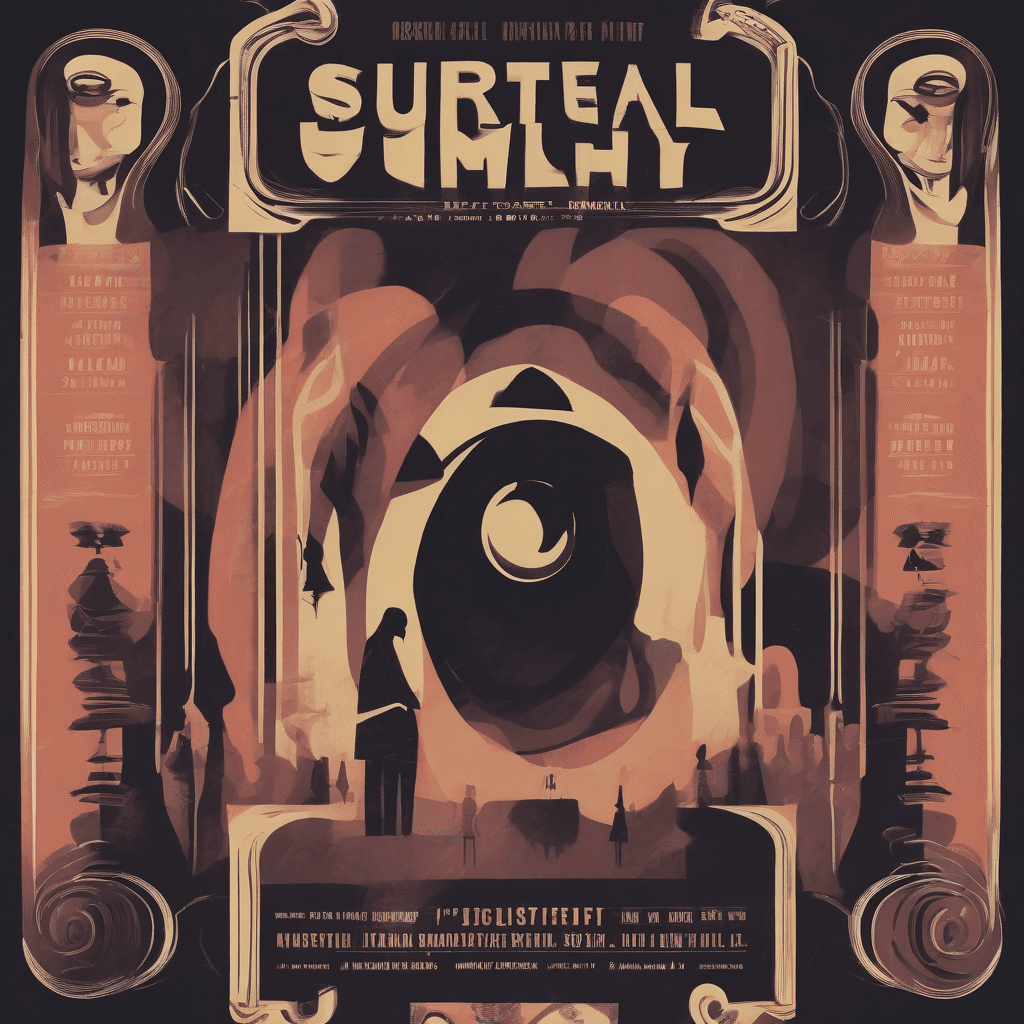
“Cult cinema operates in a fascinating counter-narrative to mainstream success, captivating dedicated audiences with its transgressive themes, unconventional narratives, and unique aesthetic sensibilities. This editorial explores the enduring allure and transformative power of these cinematic outcast…”
In the vast, ever-expanding universe of film, where blockbusters dominate headlines and critical darlings bask in awards season glory, there exists a vibrant, often shadowy realm known as cult cinema. These are not merely films that failed to find an audience upon initial release, nor are they simply obscure oddities. Cult films are a unique breed, possessing an unruly aesthetic and a subversive spirit that actively resists conventional appreciation, yet paradoxically, commands an almost religious devotion from their dedicated followers. They are the cinematic misfits, the experimental provocateurs, the genre-bending anomalies that, against all odds, carve out an indelible space in the hearts and minds of niche audiences.

What is it about these maverick films – often bizarre, sometimes unsettling, occasionally misunderstood – that fosters such intense loyalty? It’s a complex alchemy, a blend of artistic audacity, accidental timing, and the collective will of a community hungry for something different. From the silent era's bold experiments, like the fantastical narrative of a film akin to *A Daughter of the Gods* or the unsettling conclusion of a series like *Homunculus, 6. Teil - Das Ende des Homunculus*, to later era genre-benders, cult cinema has always been about pushing boundaries and challenging perceptions. These aren’t just movies; they are experiences, rites of passage, secret handshakes among the initiated. They represent a cinematic rebellion, a refusal to conform, and in that refusal, they find their eternal flame.

The Maverick Spirit: Defying Convention and Embracing the Fringe
At the heart of cult cinema lies an inherent defiance. These films often reject the carefully constructed formulas of Hollywood, opting instead for narratives that are disjointed, characters that are morally ambiguous, and themes that are deeply unsettling or overtly transgressive. They don't seek universal appeal; instead, they dig deep into specific subcultures, anxieties, or fantasies, knowing that their true audience, however small, will find them.

Narrative Transgression: Challenging the Status Quo
Many cult classics gain their status by daring to tell stories that mainstream cinema wouldn't touch. These narratives often explore taboo subjects, controversial ideologies, or simply present a worldview so idiosyncratic it borders on the surreal. Consider the early dramas that might have depicted unconventional relationships or societal critiques, much like the implied social commentary in a film like *Behold My Wife* or the moral complexities hinted at in *Sacred and Profane Love*. Such films, even in their nascent forms, paved the way for later cinematic explorations of forbidden love, social alienation, or existential dread.

The unconventional storytelling can manifest in non-linear plots, ambiguous endings, or a complete disregard for traditional character arcs. Films that delve into the psychological turmoil of individuals, or those that present a stark, uncompromising look at human nature, often resonate with audiences seeking more than just escapism. The quiet desperation of a 'waster' character, as in *Philip Holden - Waster*, or the dramatic consequences of a 'tarnished reputation', like in the film of the same name, could have been early examples of narratives that explored the darker, less palatable aspects of society, setting a precedent for later cult favorites that revel in moral ambiguity and psychological complexity.

Aesthetic Rebellion: Visuals That Haunt and Hypnotize
Beyond narrative, the visual and auditory aesthetics of cult films play a crucial role in their enduring appeal. Often characterized by their distinct visual style, experimental cinematography, or unique soundscapes, these films create an immersive experience that stands apart from polished mainstream productions. Sometimes, it's the raw, unpolished look of a low-budget production that becomes part of its charm, giving it an authenticity that slicker films lack. This could be seen in early action or westerns, where the grit and realism, even if unintentional, resonated with certain viewers, much like the intensity suggested by titles such as *Riders of Vengeance* or *Nan of Music Mountain*.

The use of bold color palettes, striking set designs, or deliberately unsettling imagery can create a lasting impression. Even in the black-and-white era, films like the dramatic *The Crow's Nest* or the mysterious *The Mystery of 13* could have utilized shadow and light to create a mood far removed from the expected, hinting at the cinematic outcasts that would later emerge with their distinctive visual signatures. These aesthetic choices are not merely stylistic; they are integral to the film's identity, contributing to its ability to provoke thought, evoke strong emotions, and linger in the viewer's memory long after the credits roll.

From Obscurity to Icon: The Alchemy of Rediscovery and Fandom
Perhaps the most fascinating aspect of cult cinema is its lifecycle. Many films that are now revered as cult classics were initially met with critical indifference, commercial failure, or even outright disdain. Their journey from obscurity to iconic status is a testament to the power of dedicated fandom culture and the transformative nature of time.
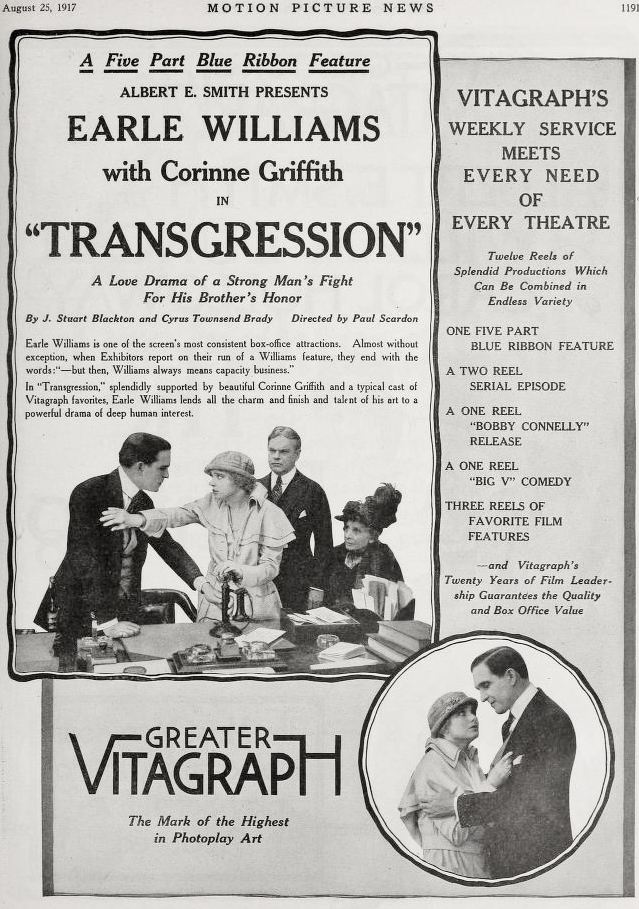
The Midnight Movie Phenomenon: A Crucible for Cult Status
The concept of the 'midnight movie' was a pivotal factor in the rise of many cult films. These late-night screenings, often held in grindhouse theaters, provided a sanctuary for films that were too strange, too controversial, or too unconventional for daytime audiences. It was in these darkened halls, filled with eager, often counter-cultural viewers, that films like *The Rocky Horror Picture Show* or *Eraserhead* found their true calling. While specific examples from the provided list might not have had midnight screenings in the modern sense, one can imagine early experimental or genre-defying works, perhaps a bizarre comedy like *Torchy's Night Hood* or a dramatic thriller like *The Turn of the Wheel*, finding a dedicated following among those seeking something outside the norm, long before the term 'midnight movie' was coined. This communal viewing experience, often fueled by altered states and a shared sense of discovery, forged a deep connection between the audience and the film, transforming passive spectators into active participants.

Technological Catalysts: The Democratization of Discovery
The evolution of home video technologies – from VHS to DVD to streaming platforms – has been instrumental in the re-discovery and proliferation of cult films. No longer confined to limited theatrical runs or ephemeral midnight showings, these films became accessible to a global audience. A film that might have been a commercial flop in the 1970s could find a new life on VHS in the 1980s, its oddities embraced by a generation hungry for alternative content. The ability to pause, rewind, and re-watch allowed viewers to dissect every frame, uncover hidden meanings, and appreciate the intricate details that might have been missed in a single viewing. This accessibility fostered deeper engagement, turning casual viewers into fervent devotees and expanding the global reach of these fringe films.
The Audience as Co-Creator: Fandom's Enduring Embrace
Unlike mainstream blockbusters that are consumed and often forgotten, cult films demand and inspire interaction. The audience is not merely a passive recipient but an active participant in the film's ongoing narrative and legacy. This participatory culture is a cornerstone of cult cinema's enduring appeal.
Participatory Viewing: Rituals and Responses
The most iconic examples of cult cinema involve audience participation. From shouting lines back at the screen during *The Room* to dressing up as characters for *The Rocky Horror Picture Show* screenings, these rituals transform a simple film viewing into a communal performance. This active engagement creates a unique bond, a shared experience that transcends the film itself. Even for films without such overt rituals, the act of repeated viewing, of dissecting dialogue, analyzing symbolism, and debating interpretations, constitutes a form of participation. The subtle comedies of manners or domestic dramas of an earlier era, like *Ruggles of Red Gap* or *Hairpins*, might not have inspired call-and-response, but they certainly would have sparked fervent discussion and interpretation among their admirers, laying the groundwork for more elaborate fan interactions.
Community and Identity: A Shared Sanctuary
Cult films foster a profound sense of community among their fans. To love a cult film is often to feel part of an exclusive club, a secret society united by a shared appreciation for the unconventional. This sense of belonging is a powerful draw, offering a refuge for those who feel alienated by mainstream culture. Online forums, fan conventions, and social media groups provide platforms for devotees to connect, share their passion, and celebrate their shared identity. Whether it's the shared excitement over a rediscovered silent-era gem or a contemporary genre-defying masterpiece, this communal aspect transforms individual viewing into a collective experience, making the film's impact far greater than its runtime.
The Enduring Legacy: Why Cult Cinema Matters
Cult cinema is more than just a collection of oddball movies; it's a vital, dynamic force within the broader cinematic landscape. Its influence extends far beyond its dedicated fanbase, subtly shaping the mainstream and offering a crucial counterpoint to commercial filmmaking.
Firstly, cult films serve as a crucial testing ground for new ideas and experimental techniques. What starts on the fringes often eventually infiltrates the mainstream, inspiring new generations of filmmakers and artists. The bold narrative risks, the distinct visual styles, and the challenging themes of cult classics often become the blueprints for future cinematic trends. Just as early films like the dramatic *The New South* or the adventurous *Pidgin Island* might have explored social and political narratives in ways that were then considered daring, today's cult films continue to push the envelope, ensuring that cinema remains a vibrant and evolving art form.
Secondly, cult cinema acts as a cultural barometer, reflecting and often satirizing the anxieties, desires, and obsessions of society. By operating outside the commercial pressures of the mainstream, these films often offer a more honest, unfiltered commentary on the human condition. They give voice to the marginalized, explore the uncomfortable truths, and challenge prevailing ideologies. The comedic shorts like *Kiss and Make Up* or *Keep Moving*, while seemingly lighthearted, might have subtly critiqued social norms or human foibles of their time, much like modern cult comedies dissect contemporary absurdities.
Finally, and perhaps most importantly, cult cinema reminds us of the sheer diversity and boundless potential of storytelling. In a world increasingly homogenized by algorithms and focus groups, these films stand as defiant monuments to individuality, creativity, and the power of unconventional vision. They champion the underdog, celebrate the weird, and prove that true artistic merit often lies in the willingness to take risks, to swim against the current, and to embrace the beautifully bizarre. Whether it's the mythological grandeur of a film like *Mohini Bhasmasur* or the stark realism of a film about 'paying the price', these diverse narratives contribute to the rich tapestry of human experience captured on screen.
Conclusion: The Unseen Power of the Unconventional
The journey of a film from overlooked curiosity to revered cult classic is rarely linear, but it is always fascinating. It is a testament to the enduring human desire for authenticity, for art that speaks to a deeper, often hidden, part of ourselves. Cult cinema is a testament to the idea that true value is not always immediately apparent, that sometimes the most profound experiences are found on the periphery, away from the glare of the mainstream spotlight.
These subversive gems, with their unconventional narratives and rebellious spirit, continue to inspire, provoke, and unite audiences across generations. They are a vibrant, living archive of cinematic audacity, proving that the most enduring devotion is often reserved for those who dare to be different. In celebrating cult cinema, we celebrate the courage of filmmakers to forge their own path and the passion of audiences to follow them into the cinematic unknown. The unseen power of the unconventional will forever resonate, forging enduring devotion in the hearts of those who seek it.
Community
Comments
Log in to comment.
Loading comments…