
Cult Cinema
The Unseen Language of Obsession: Decoding Cult Cinema's Enduring Spell
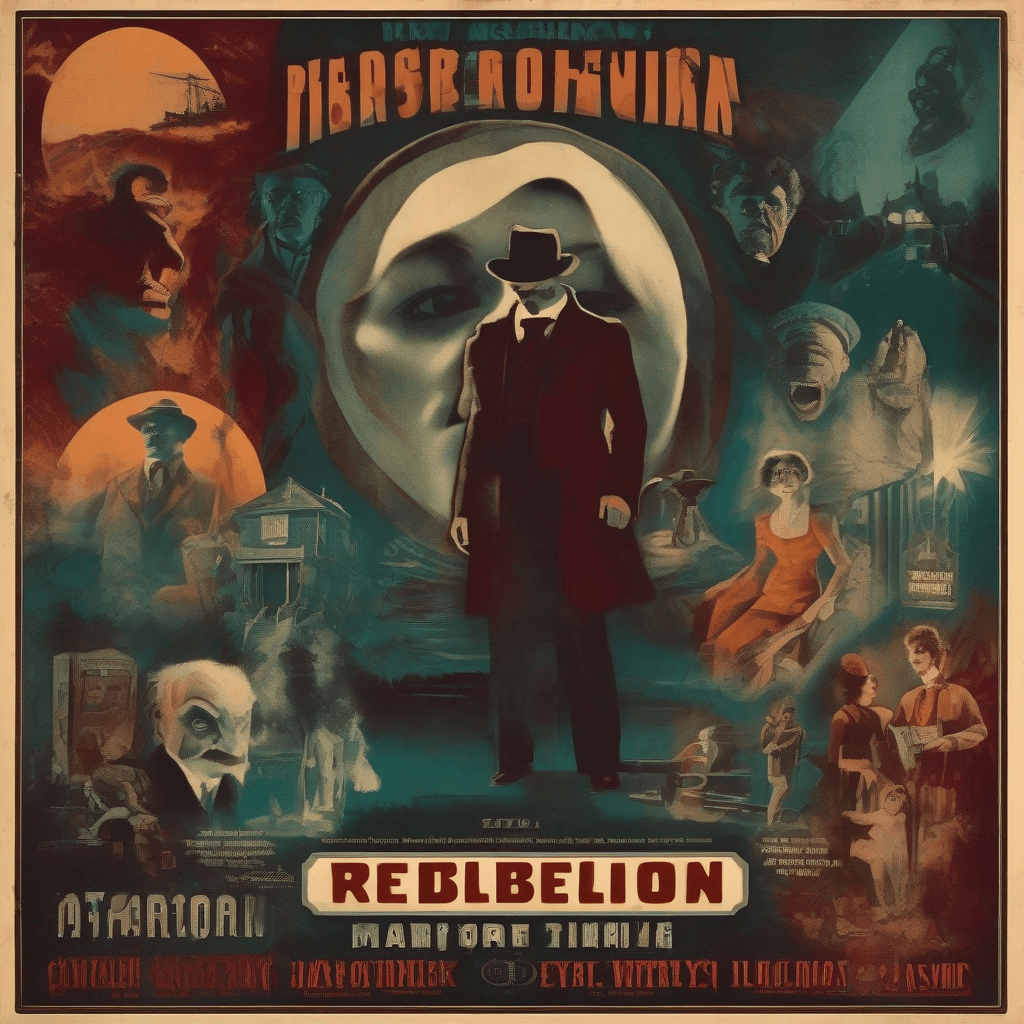
“Dive into the enigmatic world of cult cinema, exploring how unconventional narratives and transgressive visions from early film history forged a unique cinematic language and a devoted global fandom that continues to thrive today.”
Cult cinema. The very term conjures images of midnight screenings, fervent fans, and films that defy easy categorization. These aren't just movies; they are experiences, rituals, and sometimes, even secret handshakes among a devoted few. But what is it about these cinematic outliers that fosters such intense loyalty? Why do certain films, often overlooked or even reviled upon their initial release, achieve an almost sacred status among their adherents? This deep dive aims to decode the unseen language of cult cinema, tracing its lineage from the flickering shadows of early 20th-century reels to its enduring, multifaceted presence in contemporary culture. It's a journey into the heart of cinematic obsession, where the unconventional becomes iconic and the fringe transforms into a powerful, collective identity.
Defining the Indefinable: What Makes a Film 'Cult'?
Before we delve into its origins, it's crucial to understand the elusive nature of what constitutes a 'cult film.' Unlike blockbusters designed for mass appeal, cult films often thrive on niche audiences, subversive themes, and a distinct aesthetic that sets them apart. They provoke, challenge, and sometimes confuse, demanding active engagement rather than passive consumption. A cult film might be a critical failure that finds a second life, a genre oddity that defies convention, or a transgressive narrative that pushes societal boundaries.
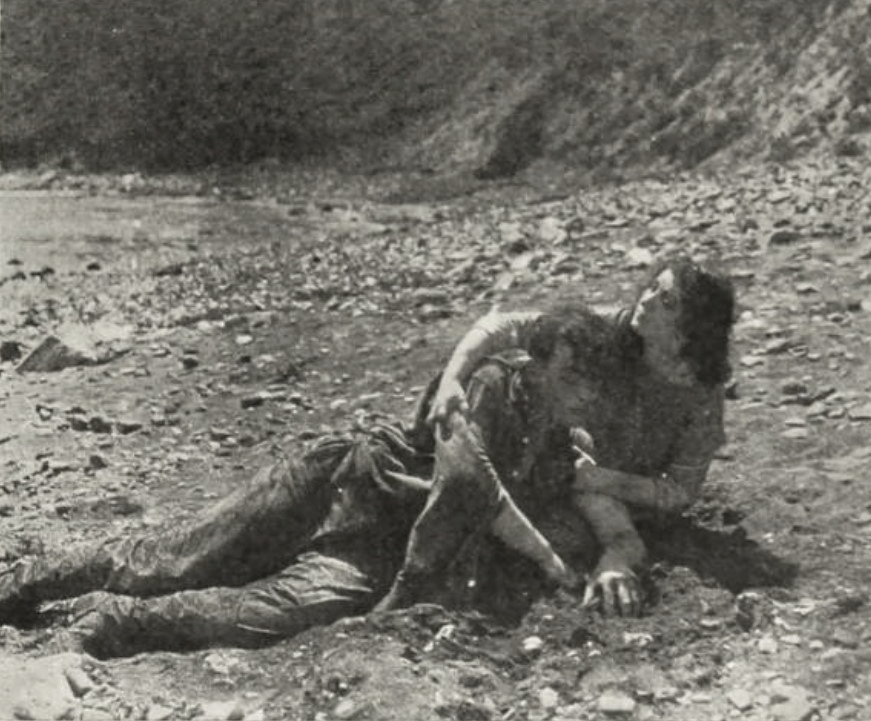
The ingredients are varied: a distinctive visual style, memorable dialogue, controversial subject matter, a unique artistic vision, or simply a film that was ahead of its time. Films like *The Penalty*, with its grotesque and compelling portrayal of criminal mastermind Blizzard, or the intricate moral dilemmas posed in *Roads of Destiny* and *The Inevitable*, hint at narratives that would have challenged audiences and lingered long after the credits rolled. These weren't always mainstream successes, but their inherent strangeness or audacious storytelling could plant the seeds of future devotion. The magic often lies not just in the film itself, but in the community it builds, the shared experience of appreciating something truly unique.
The Proto-Cult Sparks: Early Cinema's Maverick Visions
While the term 'cult film' gained prominence in the latter half of the 20th century, the foundational elements of this phenomenon were present from cinema's earliest days. The silent era, in particular, was a fertile ground for experimentation and genre defiance. Filmmakers, unburdened by established norms, often ventured into narrative territories that were shocking, bewildering, or simply too avant-garde for the general public. These early cinematic outliers, though not labeled 'cult' at the time, frequently exhibited the characteristics that would later define the genre.
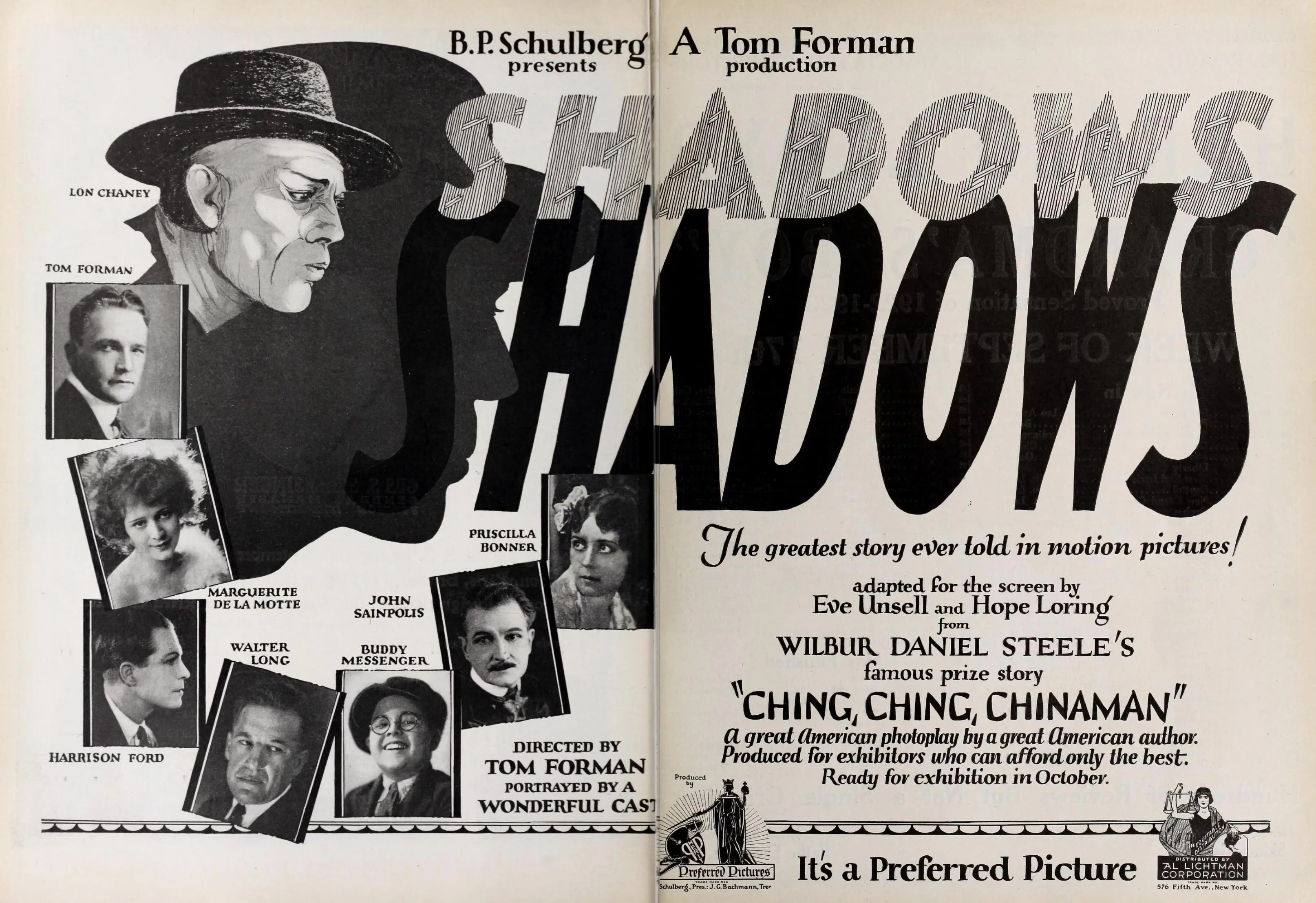
Consider films that explored societal taboos or challenged moral conventions. *The Folly of Desire*, with its depiction of a fanatical Boer farmer mistreating his young wife, or *The Painted Madonna*, exploring a country girl's fall from grace, touched upon themes that were provocative for their era. Even a film like *Engelein*, where a young woman disguises herself as a child to secure an inheritance and falls for her 'uncle,' hints at the kind of subversive, boundary-pushing narrative that would later captivate cult audiences. These were films that dared to be different, to look beyond the saccharine morality plays and explore the darker, more complex facets of human nature.
The Allure of the Anomalous: Narrative Deviance and Transgressive Storytelling
Many early films, by virtue of their novelty or their creators' bold visions, possessed a certain 'anomalous' quality. They didn't fit neatly into emerging genre boxes. *Miarka, the Child of the Bear*, featuring a gypsy girl and her tame bear, or the serials like *Manden med de ni Fingre V*, presented narratives that were inherently fantastical and often bizarre, inviting a kind of niche fascination. These were not always polished productions; sometimes, their very imperfections or their raw, unfiltered storytelling contributed to their unique charm.

The idea of transgressive storytelling is central to cult cinema. Films that defy easy moral judgments, or that present protagonists who are morally ambiguous, often resonate deeply with audiences seeking alternatives to conventional heroism. *Gigolette*, portraying a woman turning tricks to pay for her sister's hospital bills, or *Luring Lips*, detailing a bank teller's wife's entanglement with her husband's manager, dove into the gritty realities and moral complexities of life that mainstream cinema often shied away from. These were narratives that explored the underbelly of society, the difficult choices, and the consequences of desire, offering a stark contrast to more idealized portrayals. Such films, in their unflinching honesty or their deliberate provocations, laid the groundwork for future cult classics that would similarly challenge audience expectations.
Visual Rebellion: Aesthetics That Break the Mold
Beyond narrative, the visual language of early cinema also offered fertile ground for cult development. The nascent art form allowed for incredible stylistic experimentation. While many films aimed for realism or theatricality, others embraced a more abstract, expressionistic, or simply unusual visual approach. Imagine the impact of the stark imagery in a film like *The Penalty*, where the physical deformity of the protagonist is central to its terrifying aesthetic. Or consider the potential for unique set pieces and dramatic lighting in a mystery like *The Circular Staircase*.
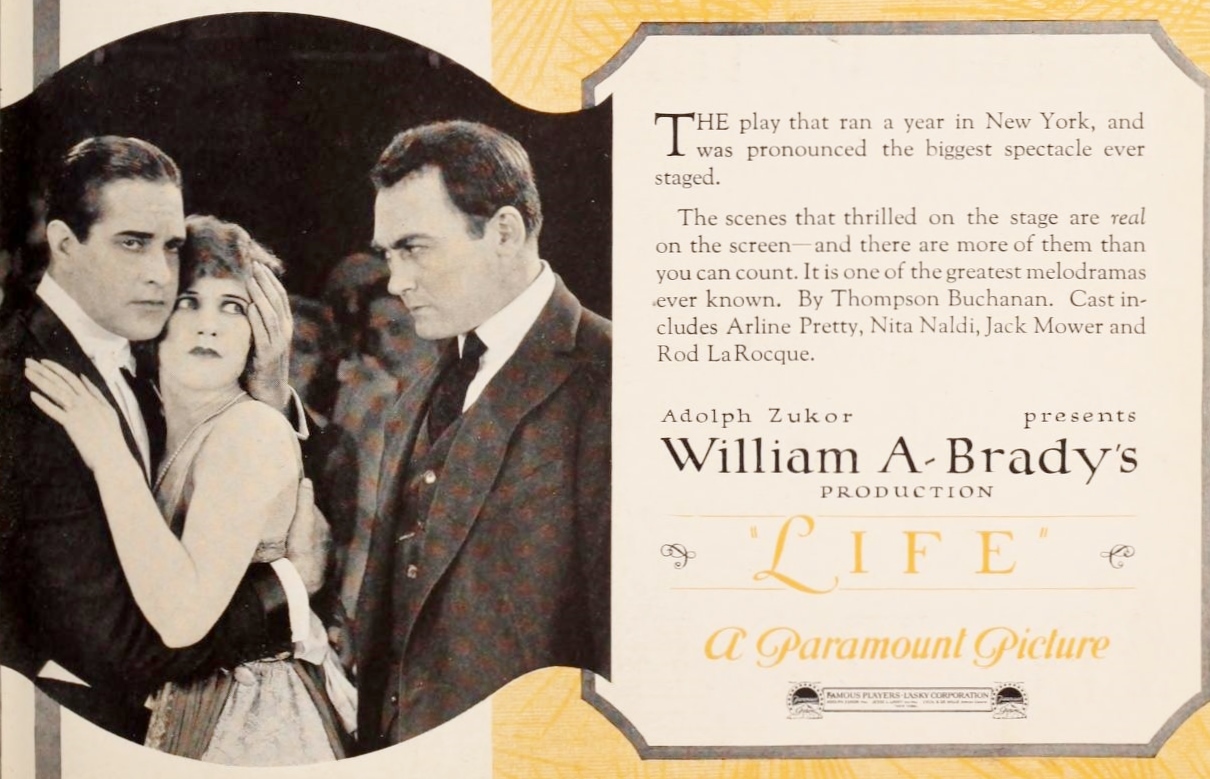
Even comedies and action films of the era could possess a distinct visual flair. *Tillie's Tomato Surprise* or *The Bill Poster*, while seemingly lighthearted, might have employed slapstick or visual gags with an intensity or originality that made them stand out. The early use of special effects, innovative camera work, or unique editing rhythms could create a singular cinematic experience. This aesthetic distinctiveness is a hallmark of cult cinema, drawing viewers who appreciate film as an art form that can push visual boundaries and create unforgettable, often unsettling, imagery.
The Audience as Alchemist: From Obscurity to Obsession
Crucially, a film doesn't become a cult classic in a vacuum. It requires an audience – a dedicated, often passionate group of viewers who discover, champion, and ultimately elevate the film from obscurity to iconic status. This process is a form of cinematic alchemy, transforming initial indifference or critical dismissal into fervent adoration. The films themselves provide the raw material, but the audience provides the catalytic energy.

In the early 20th century, before widespread film distribution and critical consensus, audiences often encountered films in a more localized, less structured manner. A film that resonated deeply with a small community, or that was remembered for its shocking content or unique characters, could begin its journey towards cult status. The lack of immediate, universal critical judgment meant that films had more room to breathe, to be re-evaluated, and to find their true audience over time. Films like *The Primitive Call*, which might have explored cultural clashes, or *Salvation Nell*, dealing with redemption and social issues, could have sparked intense discussions and personal connections among viewers.
Shared Experience and Collective Identity
The communal aspect of cult cinema is undeniable. It's about finding your tribe, those who 'get' the film in a way others don't. This shared understanding creates a powerful bond. Imagine early audiences discussing the moral quandaries of *A Butterfly on the Wheel*, or the complexities of love and betrayal in *Two Men and a Woman*. These discussions, though perhaps not formalized into 'midnight screenings' as we know them today, were the precursors to modern fandom.

The feeling of being an 'outsider' appreciating an 'outsider' film is a core component. When a film challenges the status quo, as *Comrade John* might have with its religious cult leader, or *El grito de Dolores o La independencia de México* with its historical rebellion, it speaks to those who also feel a sense of disenfranchisement or a desire for alternative perspectives. This creates a feedback loop: the film attracts a certain type of audience, and that audience, in turn, reinforces the film's cult status through repeated viewings, discussions, and the creation of an oral tradition around the film.
The Power of Re-discovery and Re-interpretation
Many cult films gain their legendary status through re-discovery. A film that failed commercially or critically upon release might be unearthed years later by a new generation of critics or cinephiles who see its brilliance through a different lens. The films listed, many from the silent era, are prime candidates for this kind of re-evaluation. A film like *The Crystal Gazer*, with its dramatic themes of poverty, suicide, and clairvoyance, could be seen today as a poignant social drama or even a proto-surrealist work, far beyond its initial reception.

This re-interpretation often involves finding layers of meaning that were not immediately apparent, or appreciating the film's audacity in a more permissive cultural climate. The passage of time can transform a 'weird' film into a 'masterpiece of the bizarre.' This is the enduring allure of cult cinema: its capacity for transformation, its ability to continually surprise and engage new audiences, proving that true artistic merit often transcends immediate commercial success or critical consensus.
Genre Defiance and Thematic Depth: Beyond the Surface
Cult films frequently operate outside strict genre conventions, borrowing elements from various styles to create something wholly original. This genre defiance is often a key factor in their enduring appeal. A film might appear to be a drama, but infuse elements of horror, dark comedy, or social satire, making it difficult to pigeonhole and thus more memorable.
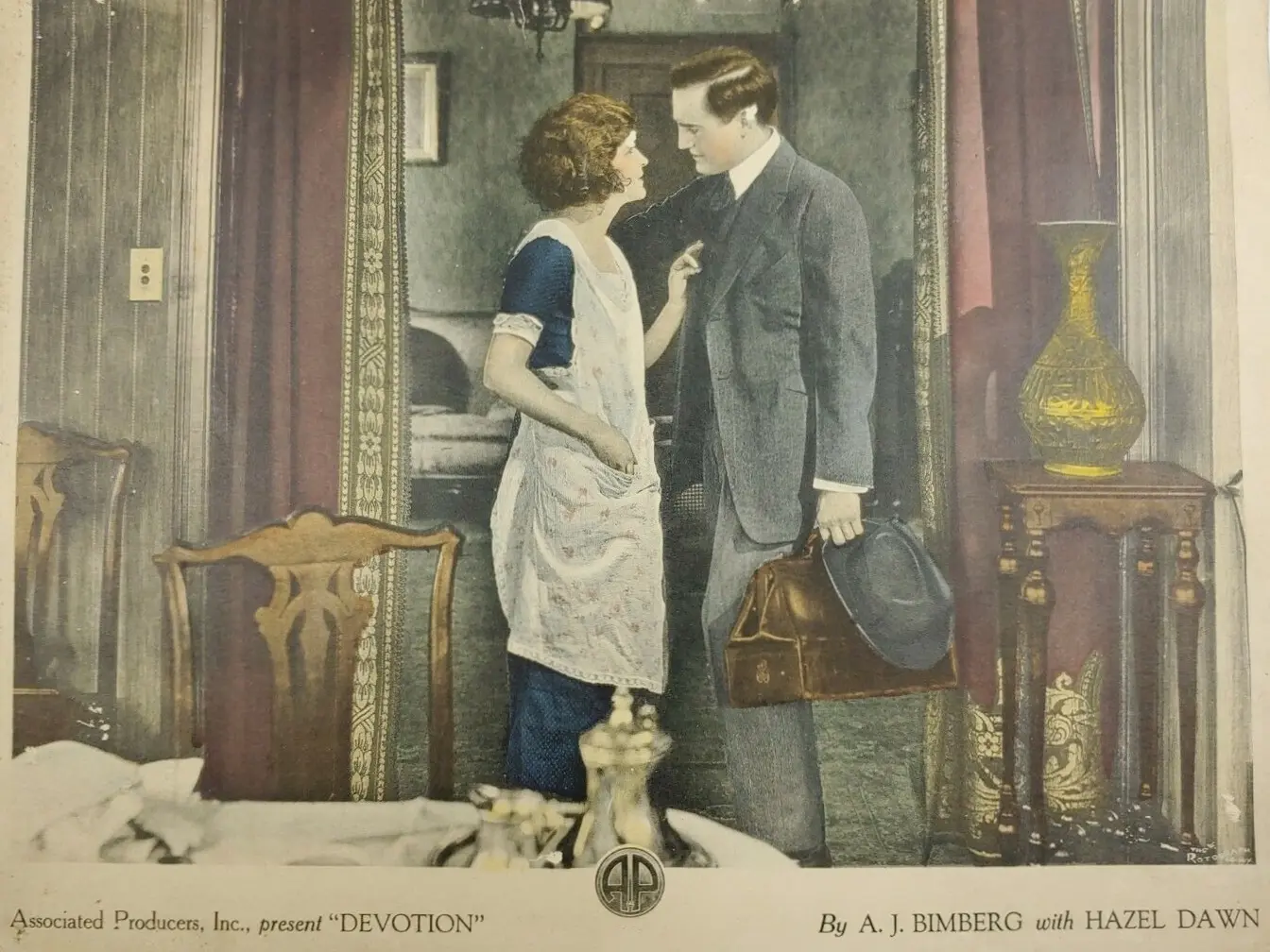
Consider the diverse array of films from the early 20th century: dramas like *Samson* or *The Havoc*, action films such as *The Evil Eye*, crime thrillers like *Partners of the Night* or *The Hand of Peril*, and comedies like *Vacation* or *Bill's Baby*. While these fit into broad categories, the cult potential often arises from how they subverted or pushed the boundaries of those categories. Did *Hell's Crater* offer a western narrative with unusually dark psychological depth? Did *The Purple Lady* blend its crime and romance with a satirical edge that felt ahead of its time?
Exploring the Uncomfortable and the Taboo
A significant aspect of cult cinema is its willingness to tackle uncomfortable or taboo subjects. This fearlessness often alienates mainstream audiences but deeply resonates with those seeking narratives that reflect the messiness and moral ambiguities of real life. Films from the silent era, despite the Hays Code and other forms of censorship emerging later, still managed to explore complex human desires and societal ills.
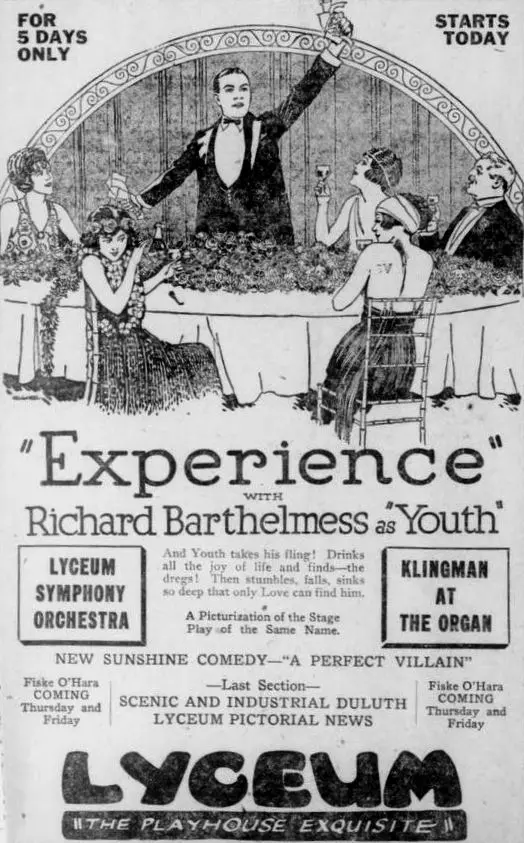
The desperation depicted in *Salvation Nell*, the criminal underworld in *Korol Parizha*, or the dramatic betrayals in *Heart Strings* and *The Desire of the Moth* are examples of narratives that delved into the darker side of human experience. These films didn't always provide easy answers or happy endings; instead, they challenged viewers to confront difficult truths. This thematic depth, coupled with often unconventional storytelling, forms the bedrock of many enduring cult classics.
The Enduring Legacy: From Fringe to Fandom
The journey of a film from obscurity to cult icon is a testament to the power of unique artistic vision and the enduring human desire for connection and meaning. The films of the early 20th century, though often forgotten by mainstream history, provide crucial insights into the nascent stages of this phenomenon. They reveal that the seeds of cult cinema were sown long before the midnight movie era, in the daring narratives, transgressive themes, and singular aesthetics that challenged, provoked, and captivated the imagination of a discerning few.
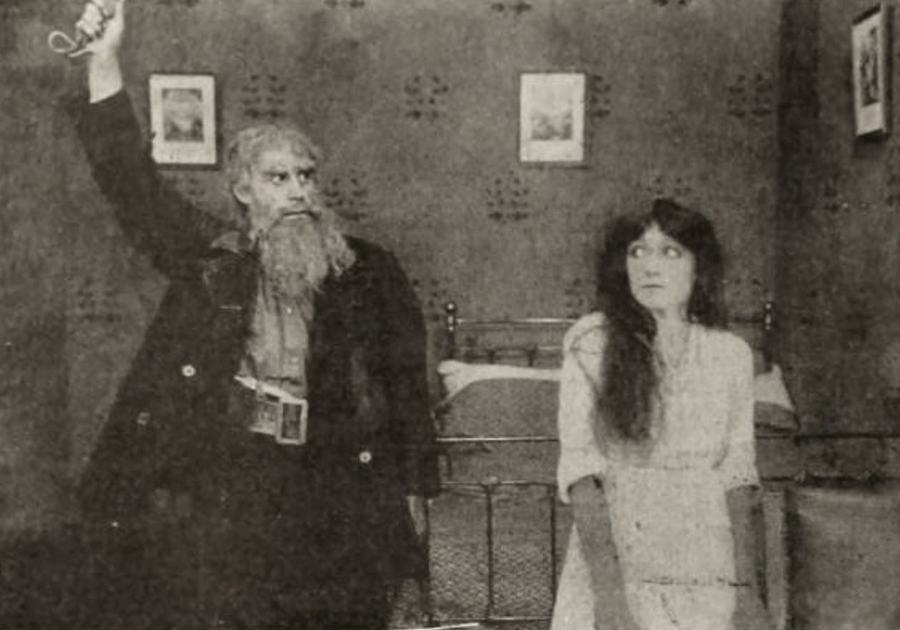
Whether it was the moral complexity of *The Midlanders*, the dramatic intensity of *The Glory of Yolanda*, or the unconventional romance of *Bettina Loved a Soldier*, these films, in their own ways, contributed to the rich tapestry of cinematic history that we now understand as cult. They were the early whispers of a secret language, spoken between filmmakers and their future devotees, a language that celebrates the strange, the beautiful, and the utterly unforgettable.
Today, the landscape of cult cinema is vast and ever-expanding, encompassing everything from experimental art house fare to B-movie schlock. Yet, the core principles remain the same: a film that defies, delights, and ultimately unites an audience in a shared passion for the unconventional. The unseen language of obsession continues to be spoken, understood, and cherished by those who dare to look beyond the mainstream and embrace the magic of the cinematic fringe. It's a celebration of films that refuse to die, thriving instead in the collective memory and passionate devotion of their loyal followers, proving that some stories are simply too powerful, too strange, or too compelling to ever truly fade away.
Community
Comments
Log in to comment.
Loading comments…