
Cult Cinema Deep Dive
The Voltage of the Void: Mapping the Transgressive Sparks of Cinema's First Century of Misfits
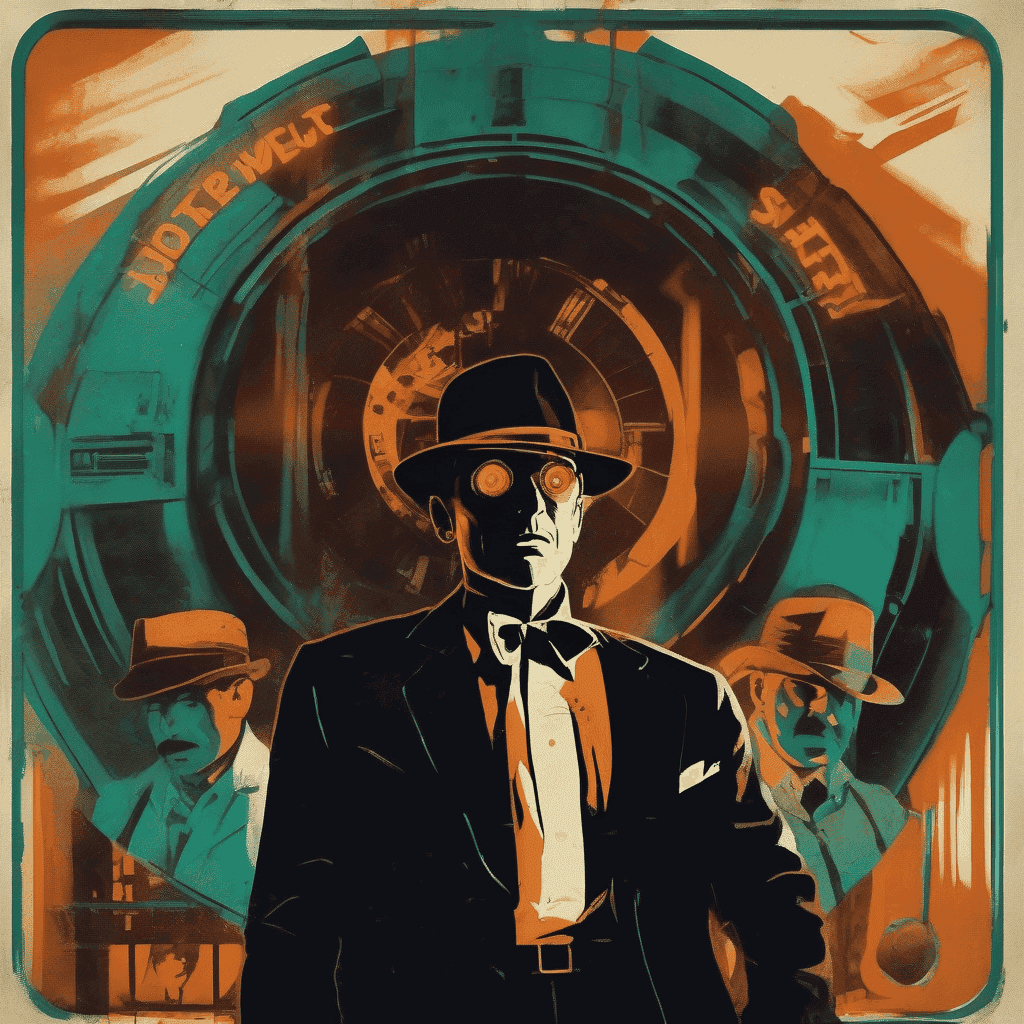
“A deep dive into the early 20th-century reels that defined the cult aesthetic, from Lon Chaney's bizarre transformations to the gender-bending narratives of the silent era.”
Cult cinema is rarely a product of the center; it is a creature of the periphery. It is the result of a magnetic pull toward the strange, the misunderstood, and the outright defiant. While mainstream film history often focuses on the grand technical progressions of Hollywood, a parallel history exists—a history of transgressive sparks and narrative mutations that began long before the term 'midnight movie' was ever coined. To understand the modern obsession with the fringe, we must look back at the first century of film, where the seeds of cult devotion were planted in the nitrate soil of silent-era oddities.
The Alchemy of the Fringe: Why We Worship the Misfit
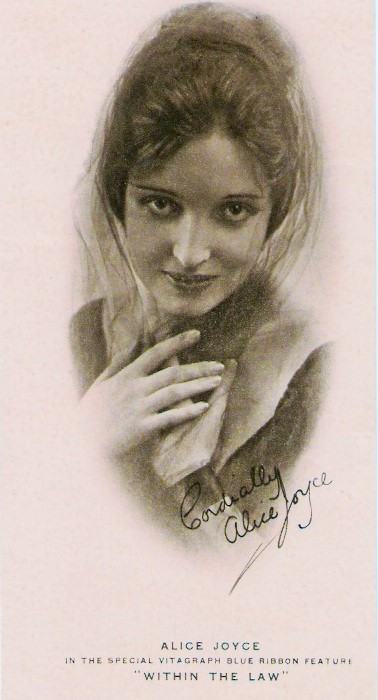
The allure of cult cinema lies in its ability to validate the outcast. In the 1915 production of The Waif, we see the early blueprint of the cinematic orphan—a figure who exists outside the traditional structures of society. This theme of social isolation and eventual reclamation is a cornerstone of the cult experience. When we watch Within the Law, we are not just watching a story about a shopgirl named Mary Turner; we are witnessing the birth of the revenge archetype that would later fuel everything from grindhouse cinema to modern feminist thrillers. Mary Turner's unjust conviction and her subsequent quest to make her wrongers suffer echoes the primal desire for justice that resonates with audiences who feel disenfranchised by the 'official' systems of the world.
Moral Panics and the Prohibited Reel
Cult cinema has always flirted with the forbidden. Long before the ratings boards of the mid-century, filmmakers were already pushing the boundaries of what was considered acceptable social discourse. Take, for instance, the 1917 film Cocaine. By tackling the drug trade and the corruption of youth, the film tapped into the 'exploitation' energy that would define much of the cult landscape in the 1960s and 70s. Similarly, The Unborn (1916) dealt with themes that were often whispered about but rarely projected onto a screen for a mass audience. These films were the 'taboo' texts of their time, drawing in viewers who were hungry for a reality that the sanitized mainstream refused to acknowledge.
The Aesthetics of Addiction and Anarchy
In these early works, the visual language of the 'underground' began to take shape. The frantic energy of Red Hot Love and the chaotic comedic structures of Artist's Muddle showed a cinema that was willing to be messy, loud, and aesthetically discordant. This was a direct contrast to the polished 'classier' productions of the era. Even future masters like Lubitsch were not immune to this fringe energy; in The Pride of the Firm, we see the director exploring the bumbling provincial who finds success through sheer absurdity—a precursor to the 'lovable loser' trope that dominates cult comedies today.

The Body as Canvas: Lon Chaney and the Manifestation of the Weird
No discussion of the early cult aesthetic is complete without mentioning the 'Man of a Thousand Faces.' In The Gilded Spider (1916), Lon Chaney plays the sculptor Giovanni, a role that allowed him to explore the intersection of poverty, art, and obsession. Chaney's ability to transform his physical form through makeup and contortion made him the first true icon of the cinematic grotesque. Cult audiences have always been drawn to the physical transformation—the idea that the body itself can be a site of narrative rebellion. Chaney’s work in the silent era provided the genetic material for the body horror and prosthetic-heavy spectacles of the modern age.
Gender Subversion and the Radical Identity
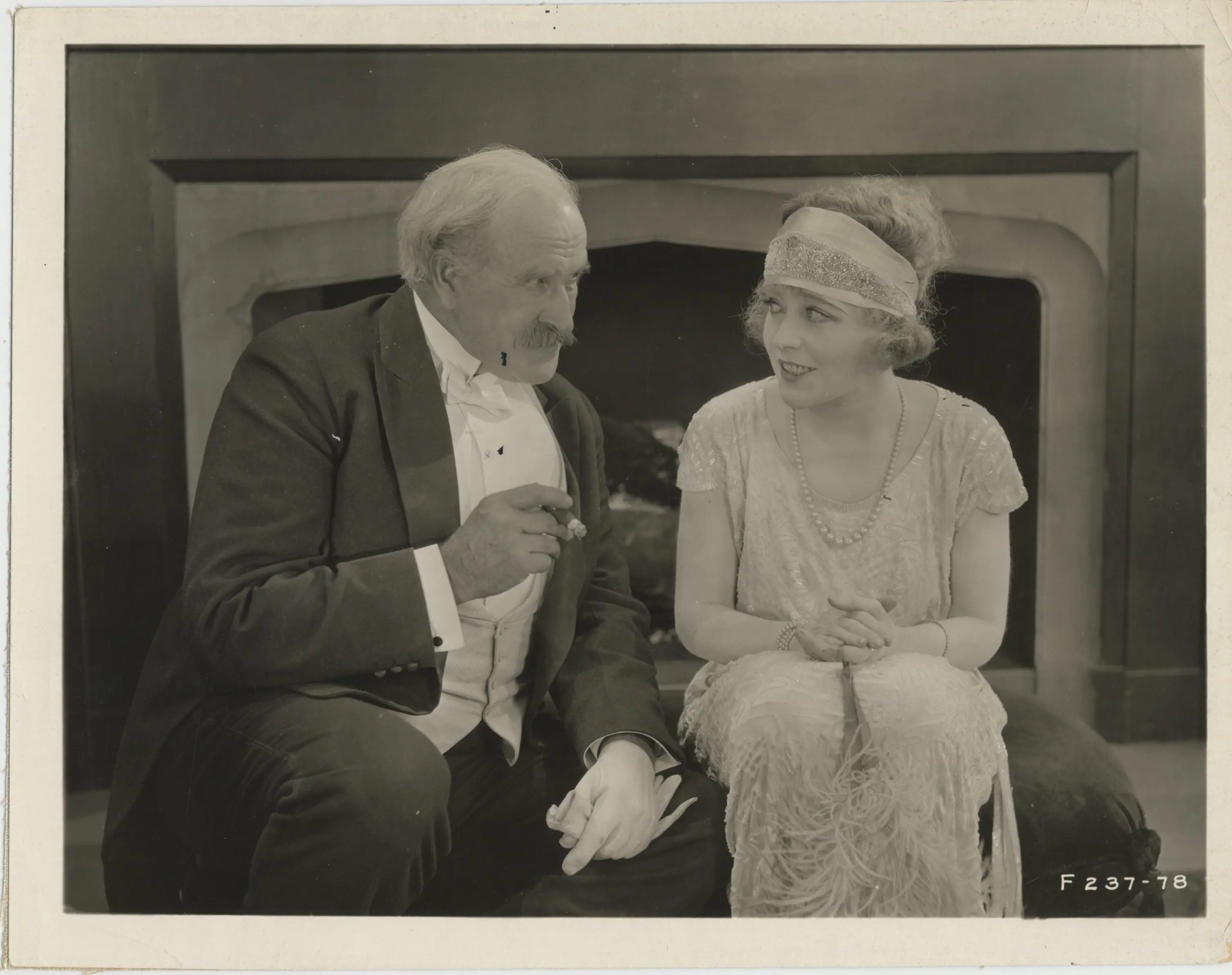
Perhaps the most surprising element of these early 'misfit' films is their willingness to play with identity and gender roles. In Jim Grimsby's Boy (1916), we encounter a story that feels remarkably modern: a daughter raised as a boy by a grieving father. The tension between her assigned identity and her desire to express her true self creates a narrative friction that would be echoed decades later in queer cinema and gender-bending cult classics. This isn't just a plot device; it's a fundamental questioning of social norms.
Similarly, the 'Flapper' movement brought a new kind of rebel to the screen. In Flying Pat (1920), we see Patricia Van Nuys defying her husband’s expectations to become a pilot. This spirit of female agency and the rejection of domesticity was a radical act in the early 20th century. Films like Mrs. Slacker and The Broadway Sport further explored these themes, often using comedy or melodrama to mask their subversive critiques of the American dream and the traditional family unit.
The Fantastic and the Far-Flung: Escapism as Rebellion
Cult cinema often serves as a portal to worlds that are impossible, yet emotionally resonant. The 1921 film Missing Husbands (L'Atlantide) took audiences to the lost city of Atlantis, ruled by the mysterious Queen Antinea. This blend of fantasy, mystery, and adventure provided a template for the 'world-building' that modern cult fandoms obsess over. It wasn't just about the story; it was about the atmosphere—the sense of being transported to a place where the rules of the mundane world no longer applied.
The Shadow of the Soothsayer
In Les cinq gentlemen maudits, the plot revolves around a curse predicted by an African soothsayer. This fascination with the occult and the supernatural is a recurring motif in the cult canon. Whether it’s the 'brain fever' of Through the Valley of Shadows or the mystical allure of Binnaz set in the Tulip Age, these films tapped into a collective yearning for the irrational. In an era increasingly defined by industrialization and logic, the cinema provided a sanctuary for the magical and the macabre.
The Ritual of the Unseen Reel
What makes these films 'cult' today is often the history of their survival—or lack thereof. Many of these titles, like Sein schwierigster Fall or the Hungarian Fekete gyémántok, represent a lost era of global cinema that only the most dedicated cinephiles seek out. The act of finding a rare print or watching a restored version of a 'forgotten' film like The Law of Compensation becomes a ritual in itself. This is the sacred devotion of the cult film fan: the belief that there is value in the obscure, and that the 'hidden' history of cinema is more truthful than the one written in the history books.
Even the early experiments of major figures contain this primal spark. Walt Disney’s Goldie Locks and the Three Bears (1922) shows a burgeoning animator playing with fairy tale tropes in a way that feels raw and experimental compared to the polished 'Disney' brand that would follow. It is in these early, unrefined moments that we see the true spirit of creativity—unburdened by the expectations of the masses.
Conclusion: The Eternal Return of the Outlaw
The films of the early 20th century—from the gritty realism of Money Magic to the farcical chaos of Twin Beds—prove that the 'cult' impulse is as old as the medium itself. We are drawn to these films because they represent the voltage of the void: the energy that exists in the spaces between the mainstream. They remind us that cinema is not just a tool for mass entertainment, but a vessel for our most unconventional desires, our deepest fears, and our most radical identities.
As we continue to navigate a digital landscape where everything is available but little is truly 'found,' the mission of the cult cinema journalist is to keep these transgressive sparks alive. By looking back at the social lepers, the gilded spiders, and the missing husbands of the silent era, we ensure that the rebel spirit of the fringe continues to flicker in the darkness of the modern theater.
Community
Comments
Log in to comment.
Loading comments…