1826 in Campbelltown Farley, a settler was supposedly led by the spirit of a murder victim (Frederick Fisher) to the man responsible for his death. Fisher's body was later found in the creek at the spot where Farley first came upon the ghost.
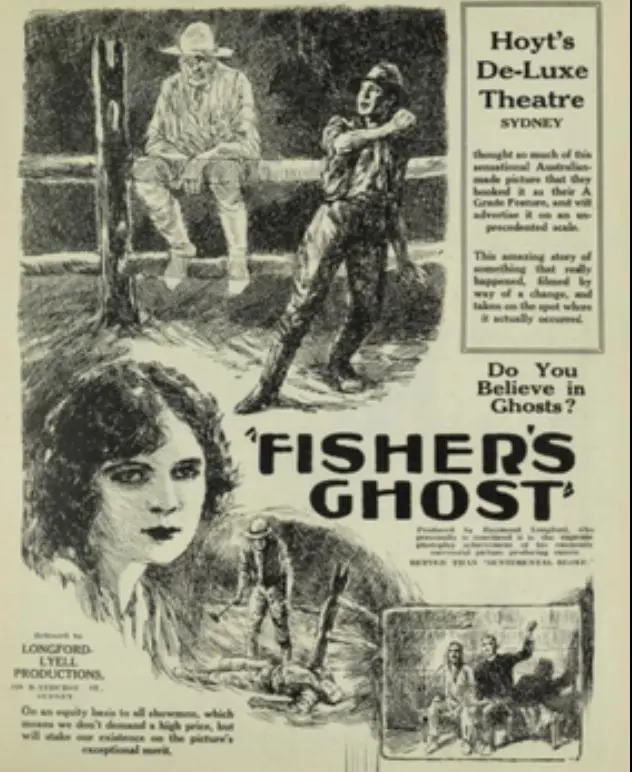
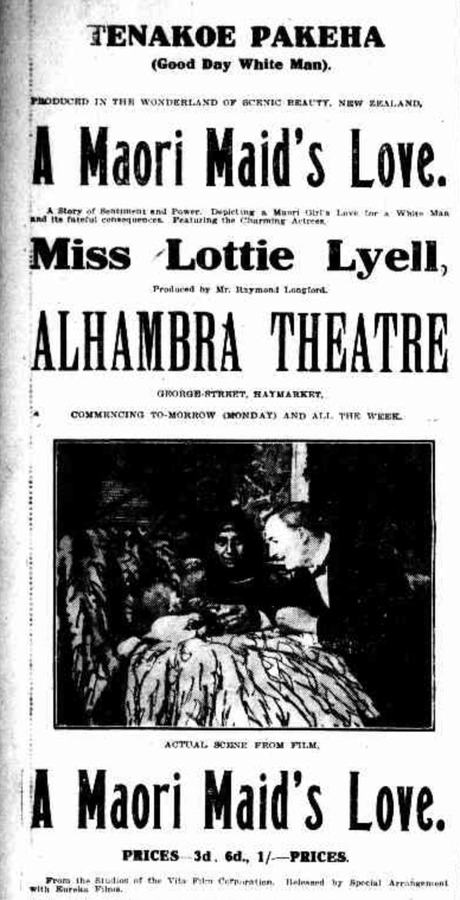
Cinema in the early twentieth century was often a battleground between the burgeoning industrial might of Hollywood and the localized, idiosyncratic voices of national identities. In the Australian context, few names resonate with as much gravitas as Raymond Longford and Lottie Lyell. Their 1924 production, Fisher’s ...
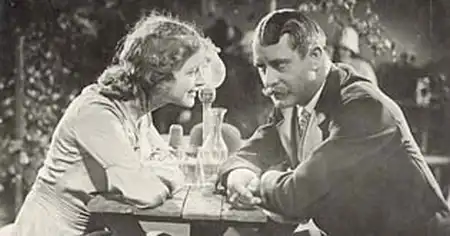
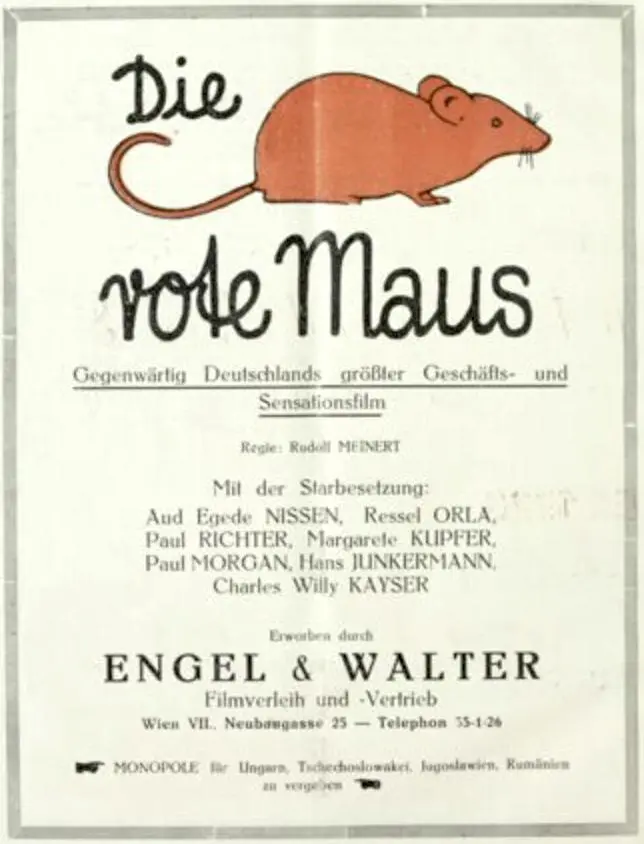
Comparing the cinematic DNA and archive impact of two defining moments in cult history.
Raymond Longford
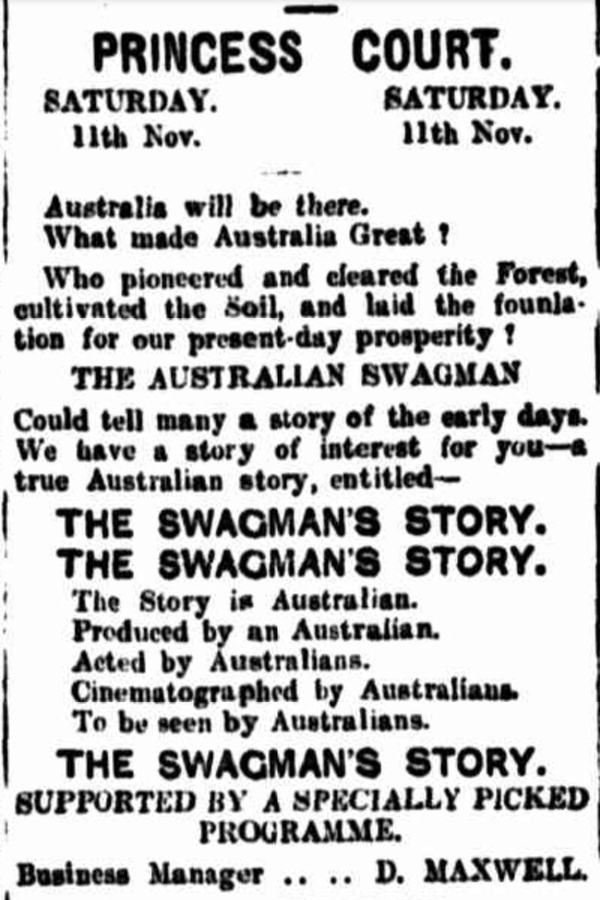
Raymond Longford
Community
Log in to comment.
" Cinema in the early twentieth century was often a battleground between the burgeoning industrial might of Hollywood and the localized, idiosyncratic voices of national identities. In the Australian context, few names resonate with as much gravitas as Raymond Longford and Lottie Lyell. Their 1924 production, Fisher’s Ghost, is not merely a retelling of a campfire legend; it is a sophisticated cinematic inquiry into the nature of truth, visibility, and the lingering scars of a convict society. W..."
William Coulter
Raymond Longford, Lottie Lyell
Australia
Deep dive into the cult classic
Discover similar cinematic experiences
A Directorial Spotlight on Raymond Longford