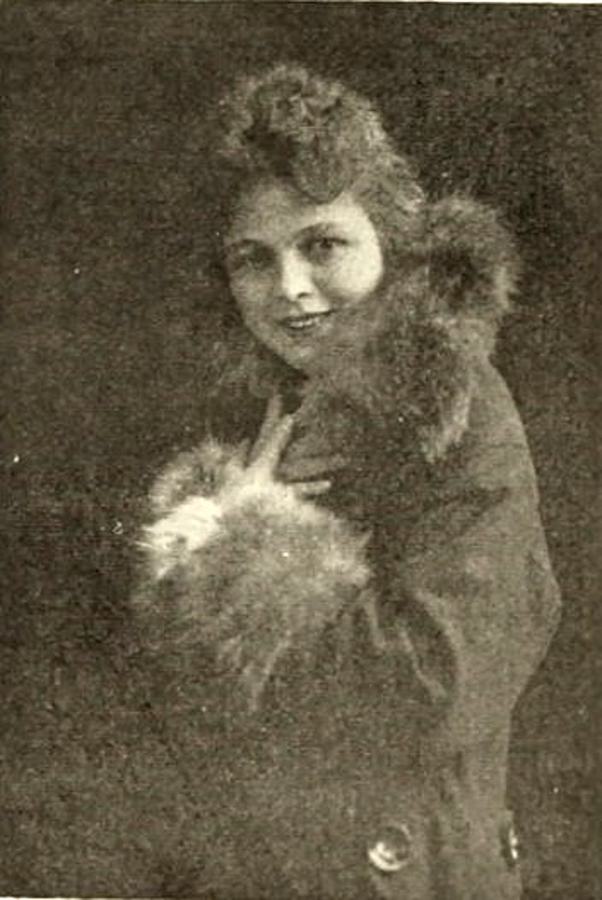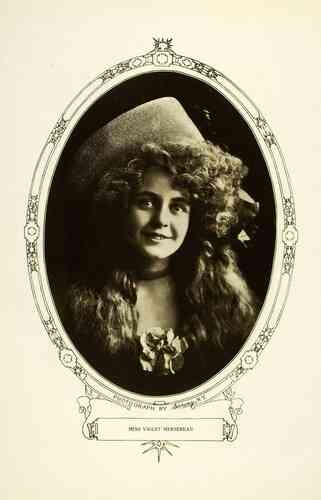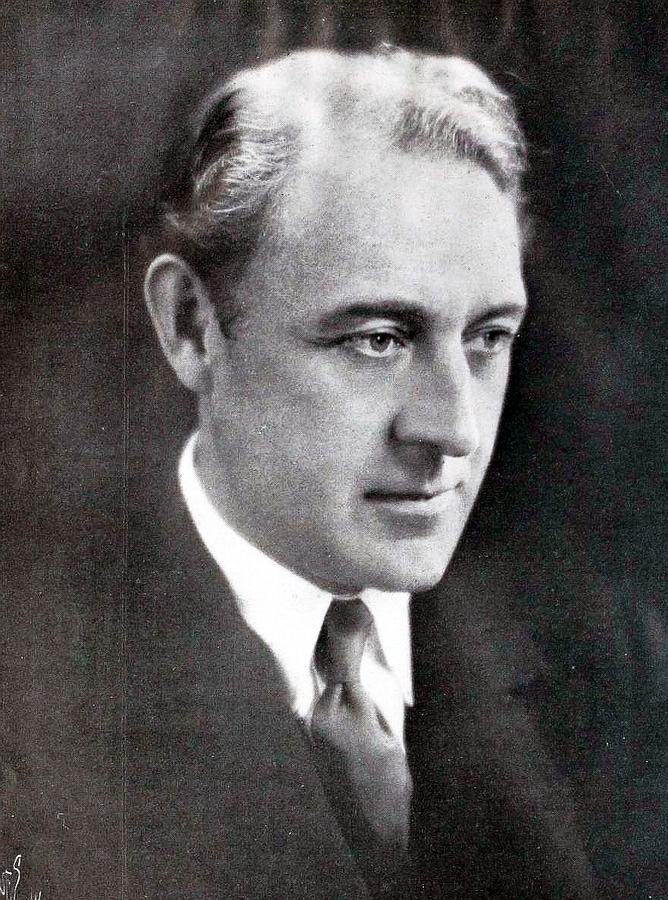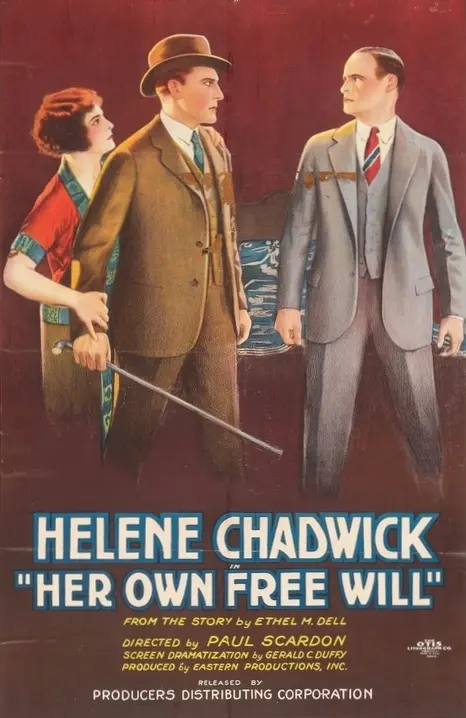
To save her father from bankruptcy, Nan Everard marries wealthy Peter Craddock and under protest goes with him to South America. En route she is injured in an automobile wreck, but Peter continues the trip.
Her Own Free Will: A Resonant Echo from the Silent Era Stepping back into the cinematic landscape of the early 1920s, one often encounters narratives that, while seemingly simplistic on the surface, unravel layers of profound societal commentary. Such is the case with Her Own Free Will, a silent film that, de...
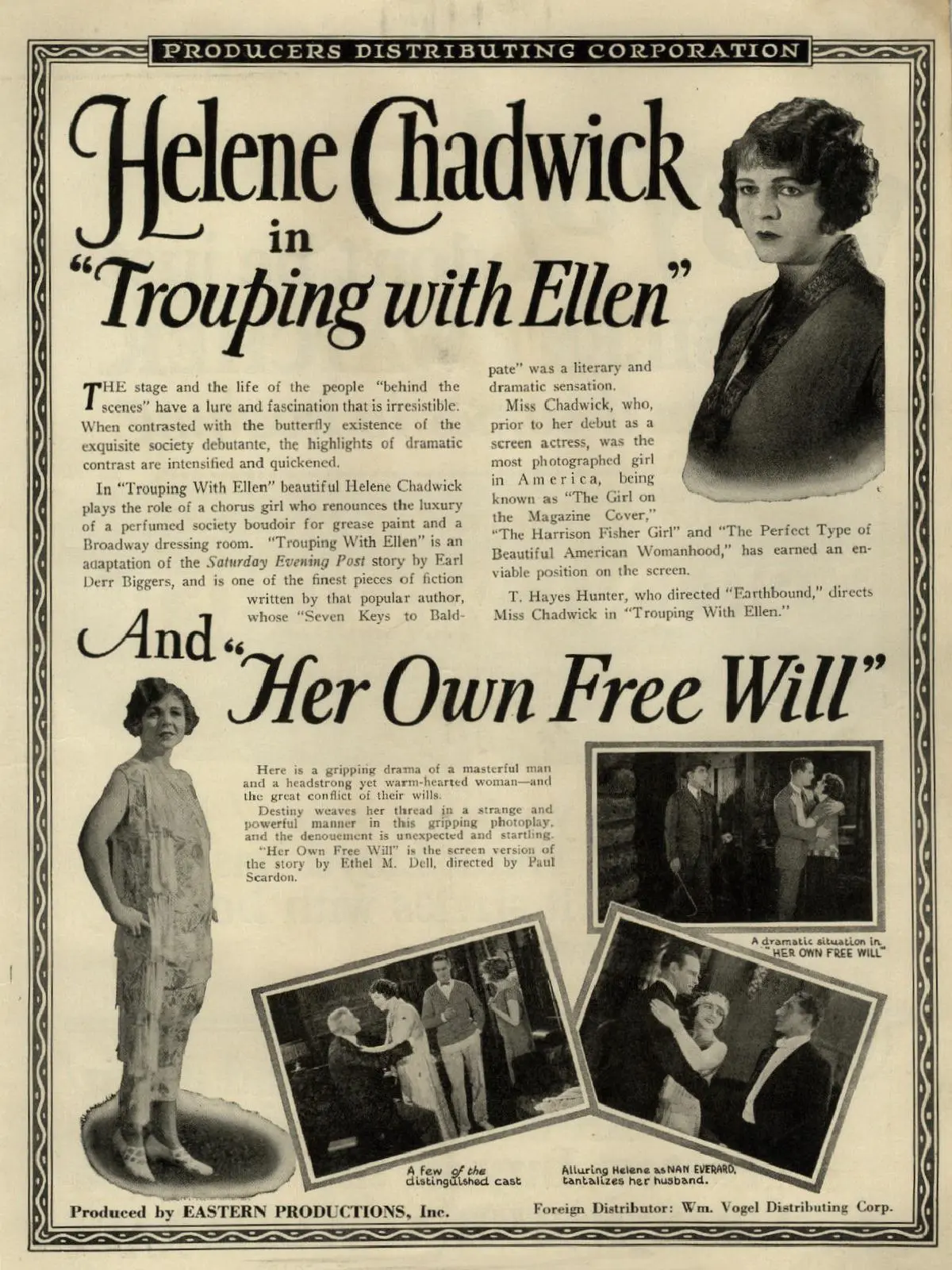
publicity
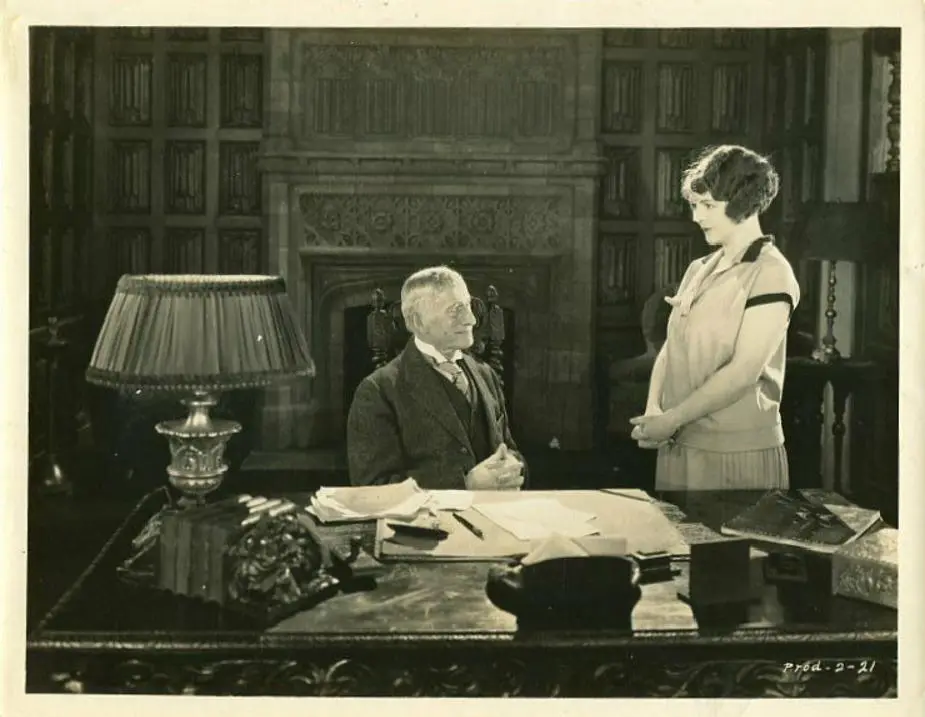
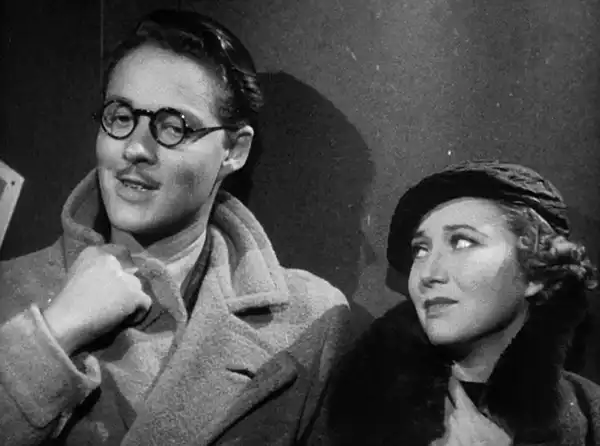
still_frame
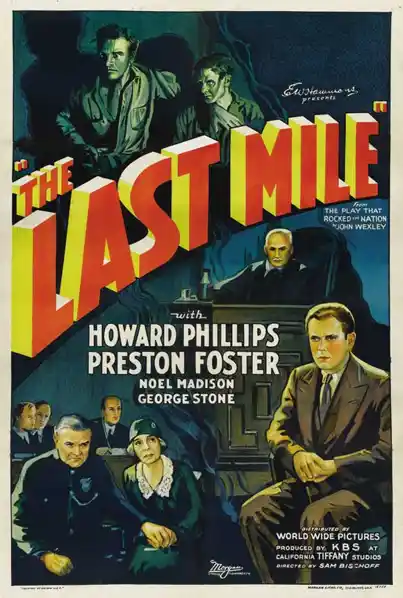
Comparing the cinematic DNA and archive impact of two defining moments in cult history.
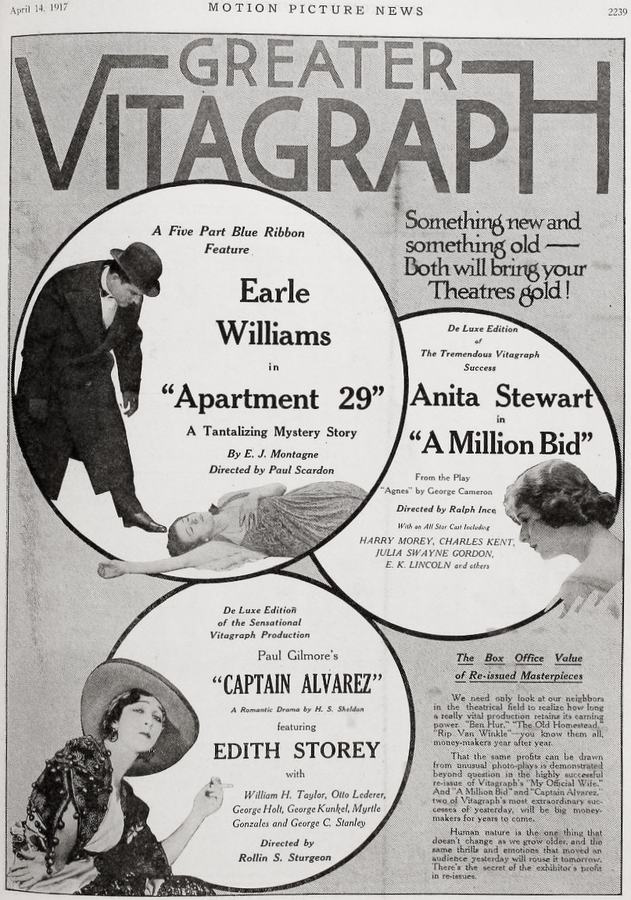
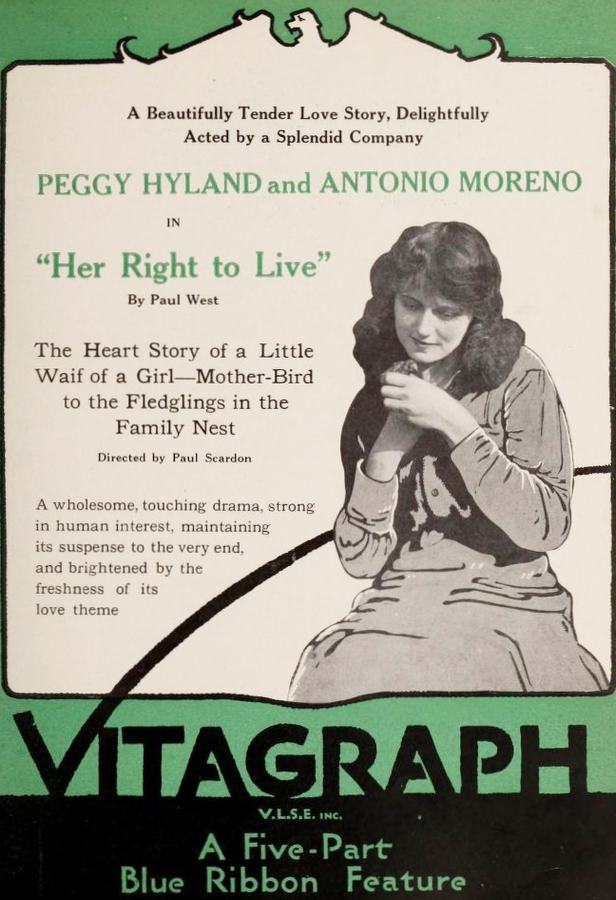
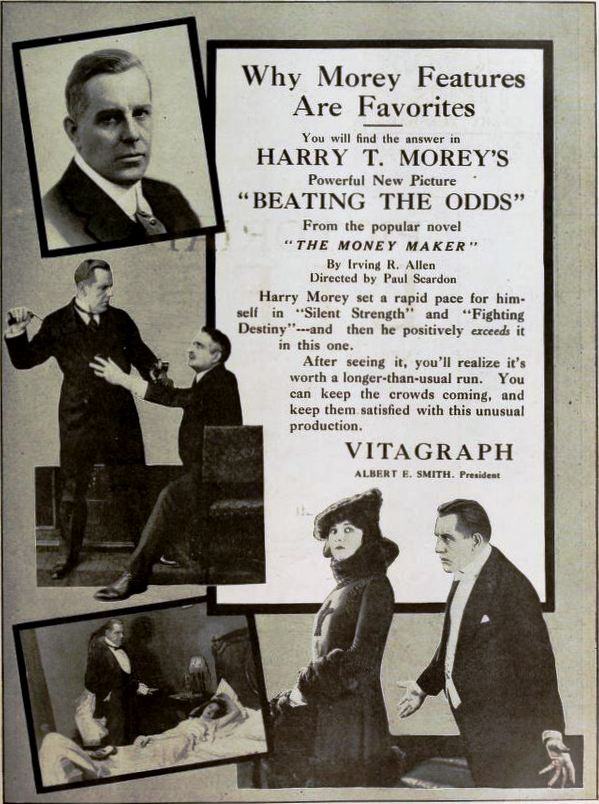
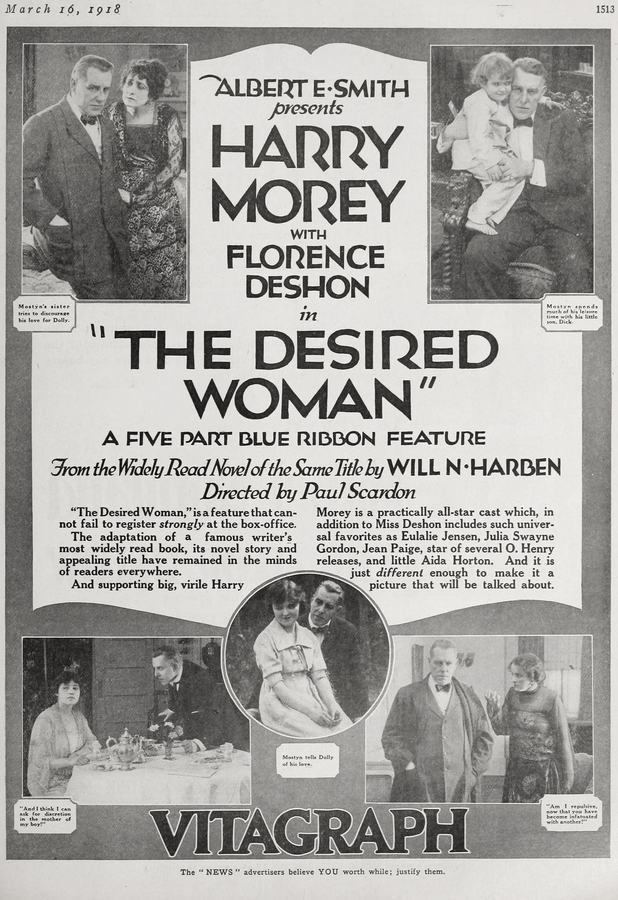
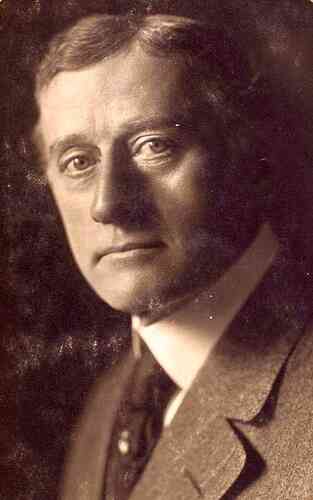
Paul Scardon
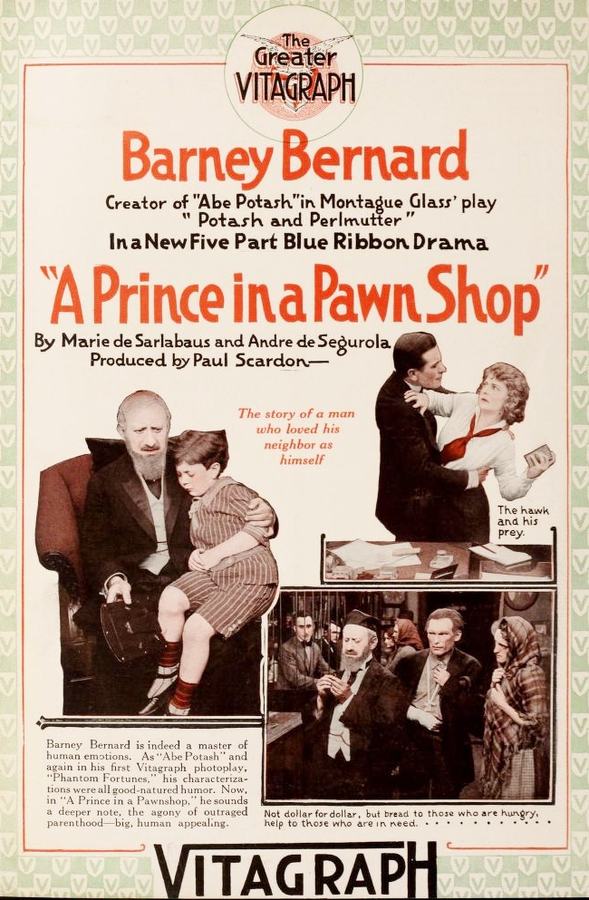
Paul Scardon
Community
Log in to comment.
" Her Own Free Will: A Resonant Echo from the Silent Era Stepping back into the cinematic landscape of the early 1920s, one often encounters narratives that, while seemingly simplistic on the surface, unravel layers of profound societal commentary. Such is the case with Her Own Free Will, a silent film that, despite its age, speaks with remarkable clarity about the constraints placed upon women in an era where personal aspirations frequently collided with rigid expectations and economic ..."
Ethel M. Dell, Gerald C. Duffy
United States
Deep dive into the cult classic
Discover similar cinematic experiences
A Directorial Spotlight on Paul Scardon