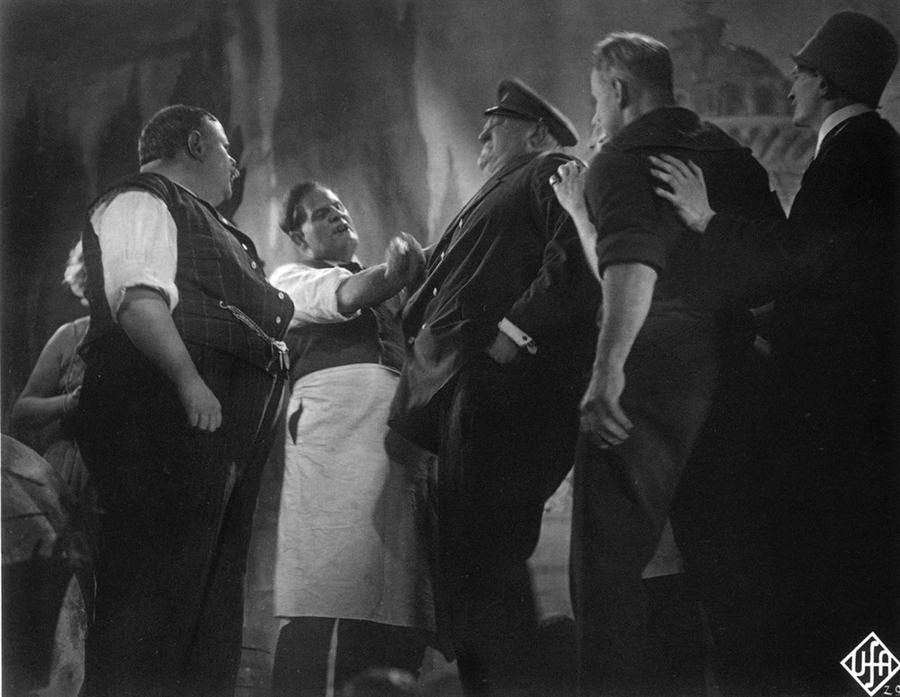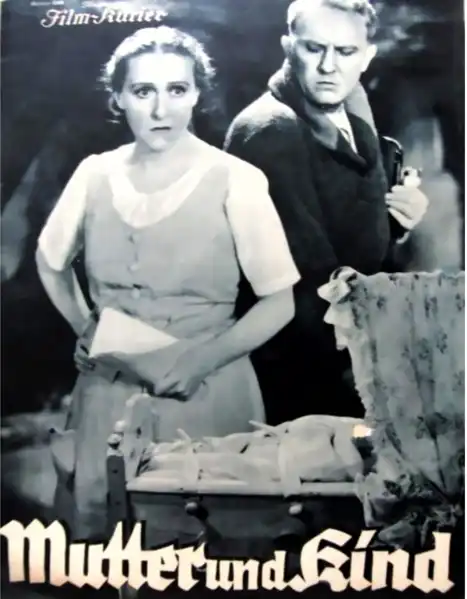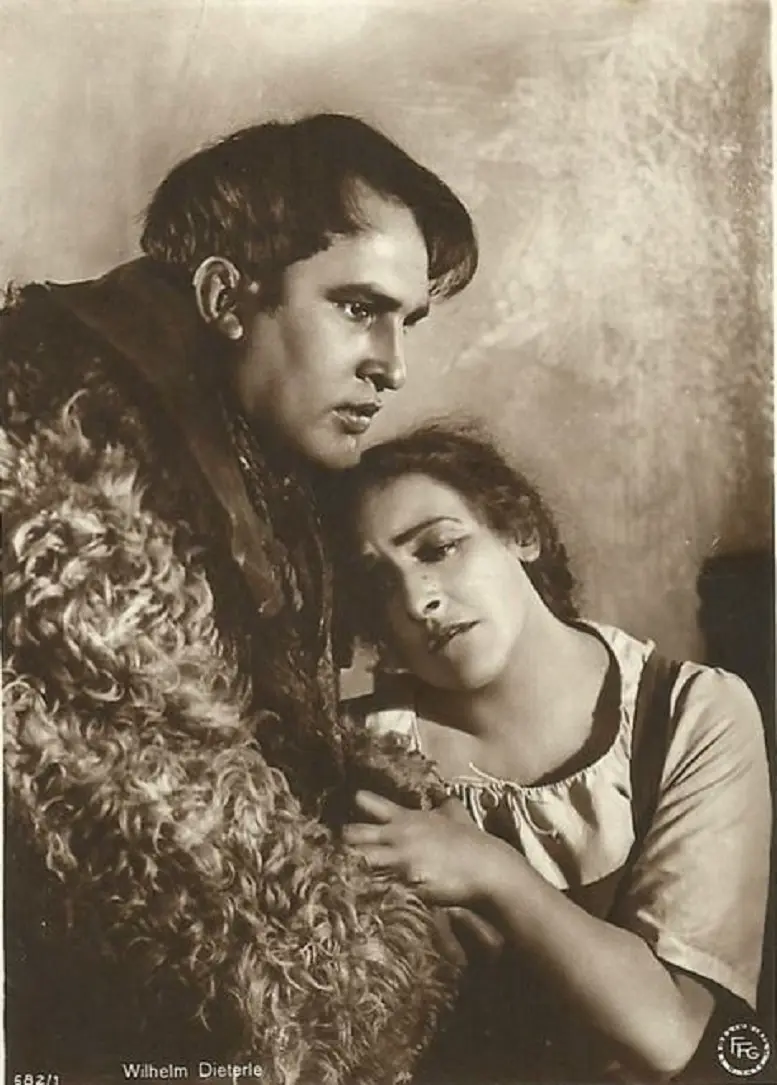
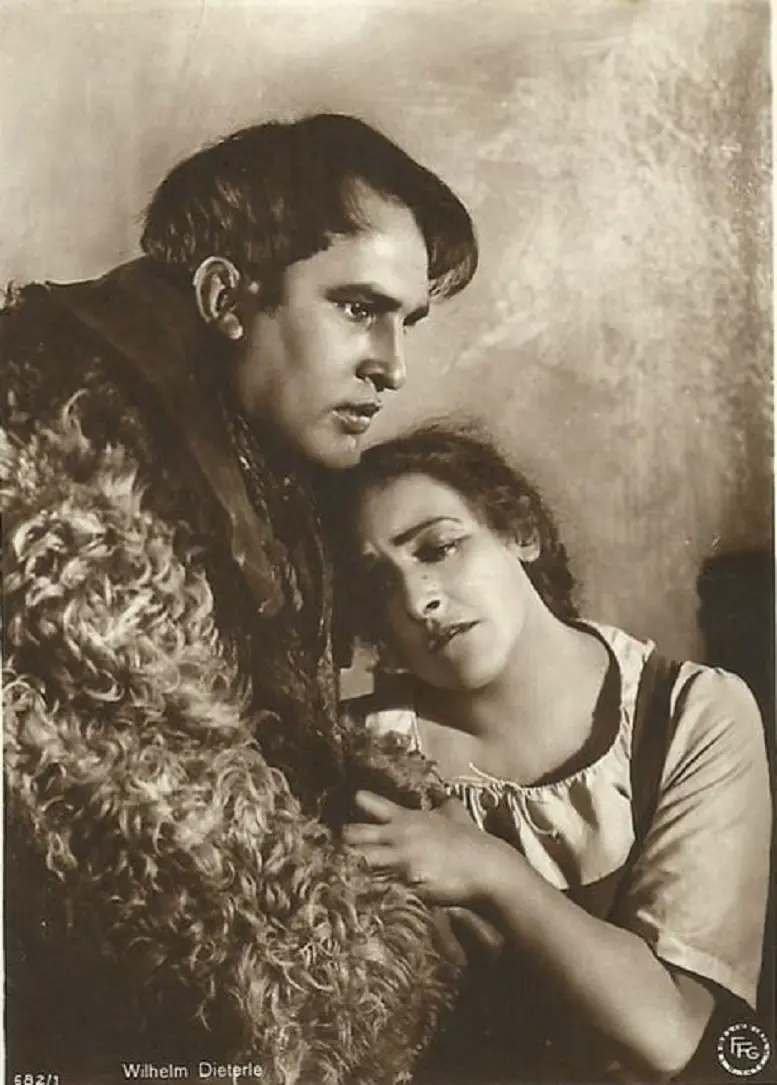
To gaze upon Mutter und Kind (1924) is to witness the architectural scaffolding of the German soul during the Weimar Republic. It is not merely a film; it is a sociological artifact draped in the velvet shadows of expressionistic lighting. While many contemporary viewers might dismiss the silent era's penchant for he...
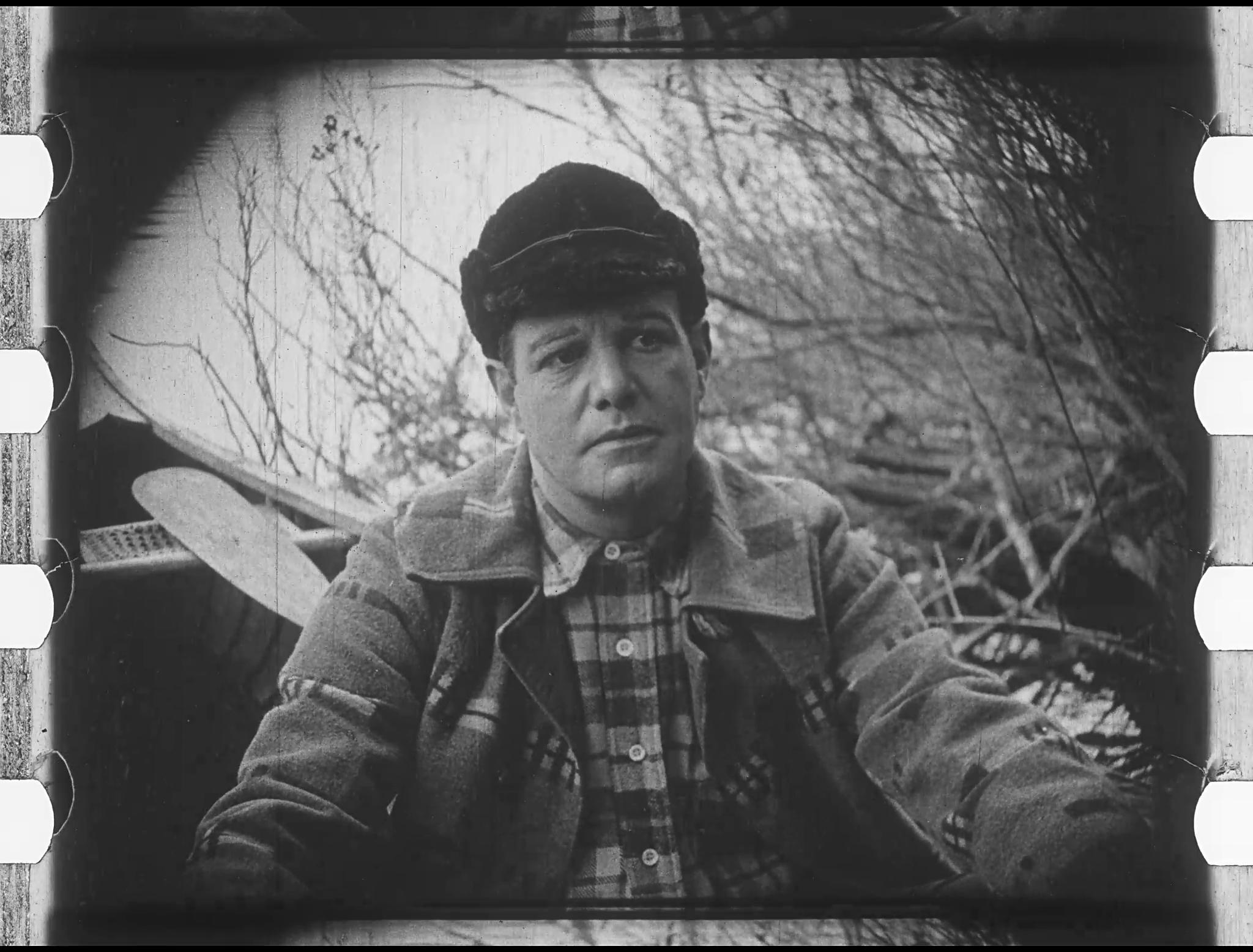
still_frame
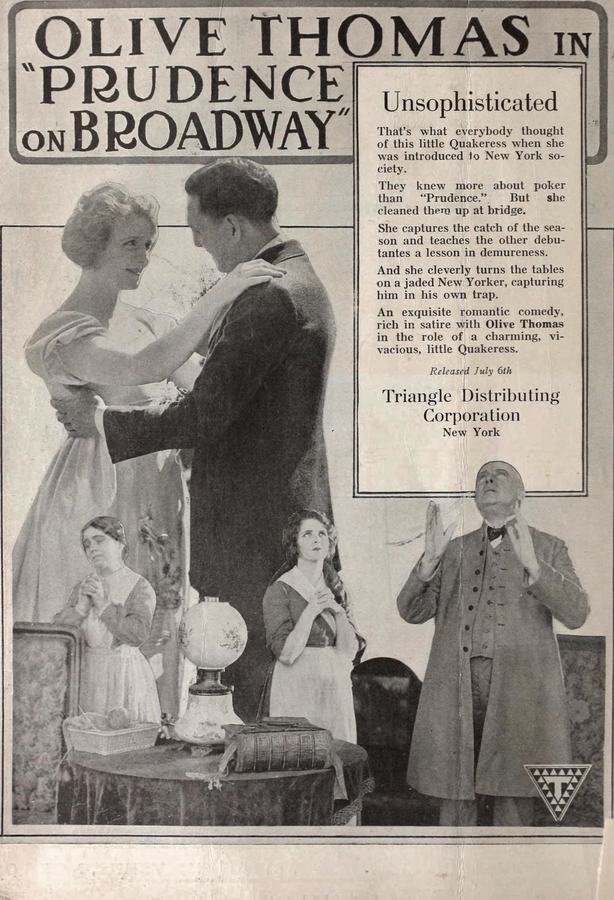
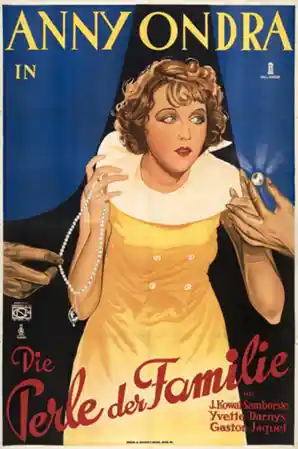
Comparing the cinematic DNA and archive impact of two defining moments in cult history.
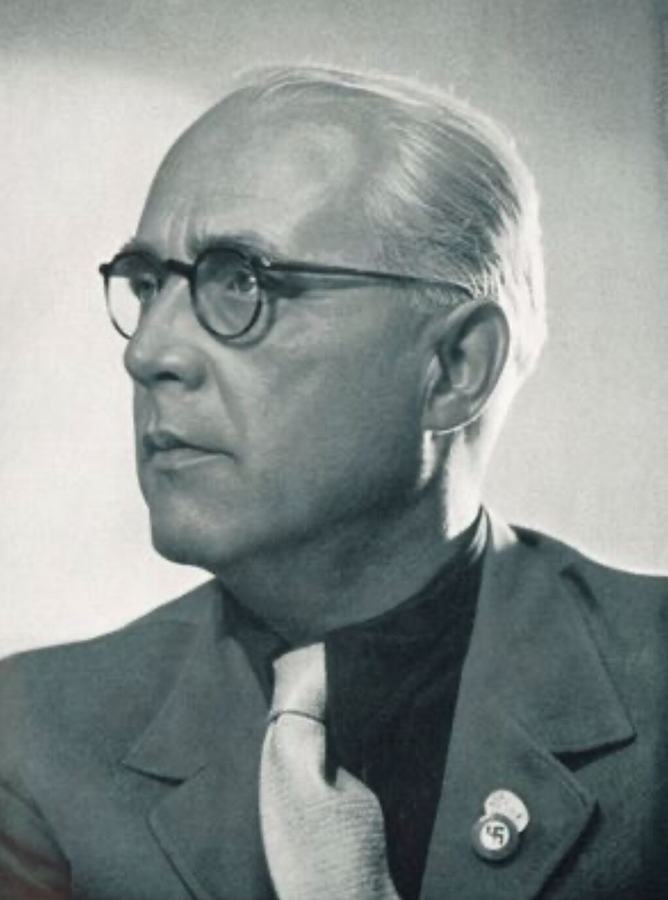
Carl Froelich
Edgar Jones
Community
Log in to comment.
" To gaze upon Mutter und Kind (1924) is to witness the architectural scaffolding of the German soul during the Weimar Republic. It is not merely a film; it is a sociological artifact draped in the velvet shadows of expressionistic lighting. While many contemporary viewers might dismiss the silent era's penchant for heavy-handed morality, Carl Froelich’s direction—buttressed by the literary ghost of Friedrich Hebbel—demands a more nuanced interrogation. This is a work that breathes through its s..."
Willy Fritsch
Walter Supper, Friedrich Hebbel, Robert Liebmann
Germany