DbcultAccessing Vault...
7.2/10
Senior Film Conservator
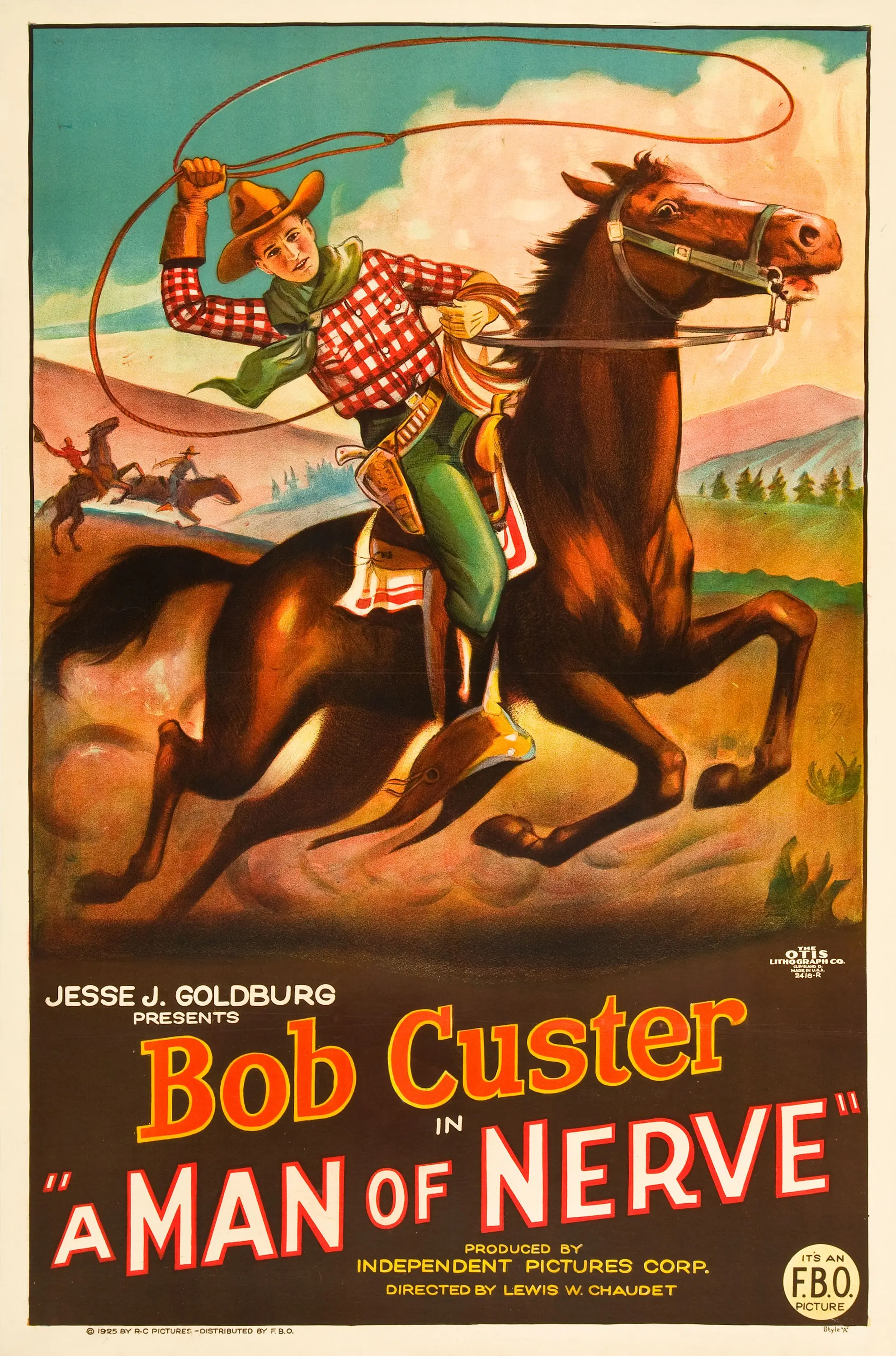
A definitive 7.2/10 rating for a film that redefined the boundaries of cult cinema. A Man of Nerve remains a cornerstone of transgressive art.
The cinematic landscape of the American West, particularly in its nascent years, often served as a grand canvas for narratives of justice, redemption, and the rugged individualism that defined a burgeoning nation. A Man of Nerve, a film etched into the annals of early Westerns, stands as a testament to this enduring appeal, presenting a narrative that, while perhaps conventional by modern standards, captured the imagination of audiences with its blend of mystery, romance, and frontier grit. Penned by the collaborative efforts of George Hively and John Harold Hamlin, this picture unfurls a tale where reputation is as vital as a man's holster, and love blossoms amidst the dusty turmoil of accusation and pursuit.
At its heart, A Man of Nerve delves into the precarious existence of a young ranch hand, played with a stoic earnestness by Bob Custer. Custer, a familiar face in the B-Westerns of the era, embodies the archetypal cowboy hero – resilient, honorable, and deeply committed to clearing his name. The plot hinges on a classic Western trope: cattle rustling, a crime that strikes at the very economic and social fabric of the frontier. When suspicion falls upon our protagonist, not just from the local populace but from his own employer, the stakes are instantly elevated. This isn't merely about theft; it's about a man's integrity being questioned, his very essence under scrutiny. The initial seeds of doubt are sown, pushing him from the relative security of his ranch life into an odyssey of self-vindication.
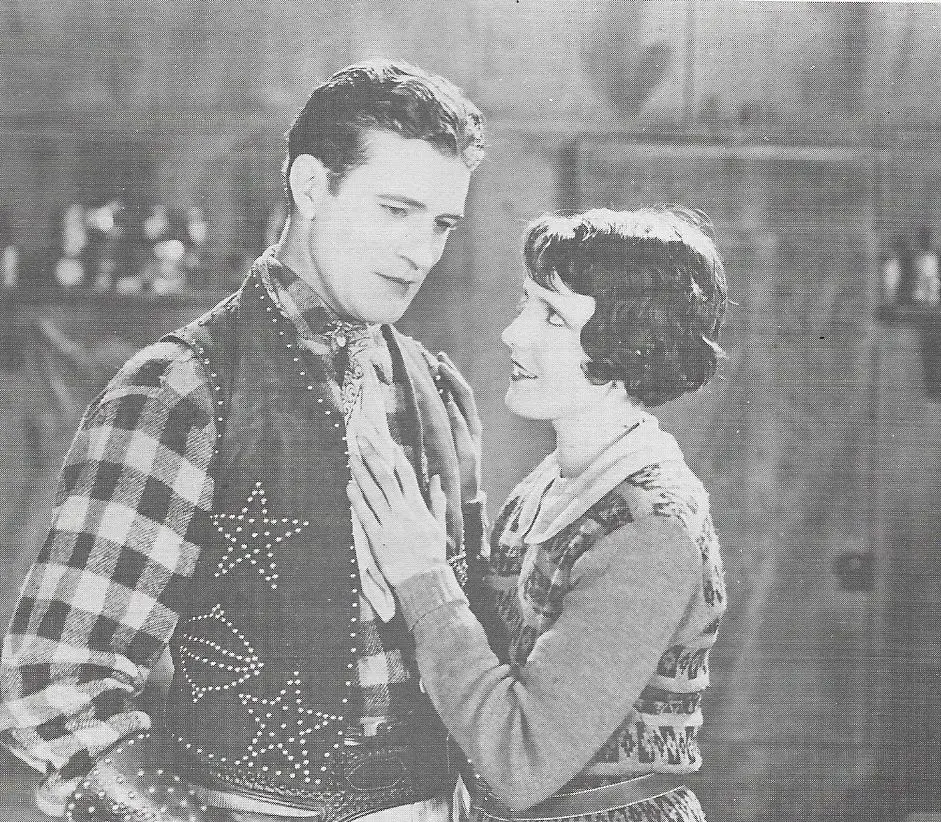
The decision to leave the ranch, driven by a fierce determination to apprehend the true culprits, transforms the narrative from a simple whodunit into a journey of profound personal transformation. It's during this arduous quest that fate, in its often-unpredictable manner, intervenes. He encounters a young woman, portrayed by the luminous Jean Arthur, whose presence injects a vital dose of romantic intrigue into the unfolding drama. Arthur, even in these early stages of her career, possesses an undeniable charisma, a spark that elevates her character beyond a mere damsel in distress. Her chemistry with Custer, though perhaps understated by contemporary standards, provides a much-needed emotional anchor, grounding the high-stakes pursuit of justice in a more intimate, human context. The burgeoning love story is not simply a subplot; it becomes an integral part of the hero's motivation, adding a layer of emotional complexity to his already challenging endeavor.
What makes A Man of Nerve particularly engaging, despite its likely modest production values, is its exploration of how easily reputations can be tarnished and how swiftly suspicion can shift. For a time, the girl's brother becomes a focal point of the investigation, a narrative device that not only heightens the tension but also complicates the burgeoning romance. This entanglement of personal relationships with the overarching mystery adds a dramatic weight, forcing characters to confront difficult loyalties and question their own perceptions. The ebb and flow of suspicion, first on the ranch hand, then on the brother, and then, with renewed vigor, back on the ranch hand, creates a compelling, if somewhat predictable, sense of narrative momentum. It’s a testament to the screenwriting craft of Hively and Hamlin that they manage to sustain this uncertainty, keeping the audience invested in the ultimate revelation of truth.
Bob Custer, while perhaps not possessing the gravitas of a Gary Cooper or the raw magnetism of a John Wayne, brought a certain earnest charm to his roles. In A Man of Nerve, he embodies the 'everyman' cowboy, a figure relatable in his struggle against injustice. His performance, characterized by understated heroism, allows the audience to project themselves onto his plight, rooting for his eventual triumph. Jean Arthur, on the other hand, even in what might have been a supporting role, hints at the star she would become. Her ability to convey intelligence and spirit, even within the confines of early cinema's often two-dimensional female characters, is palpable. She is not merely an object of affection but an active participant in the hero's journey, offering solace and, perhaps, even crucial insight.
The supporting cast, including Leon Holmes, David Dunbar, Ralph McCullough, and Buck Moulton, fulfill their roles with varying degrees of impact, each contributing to the tapestry of frontier life and the unfolding mystery. Their performances, while not always nuanced, serve the narrative effectively, populating the world of A Man of Nerve with believable characters who represent the diverse facets of a community grappling with crime and mistrust. The interplay between these characters, particularly in scenes of confrontation or deliberation, helps to build the tension and drive the plot forward.
Cinematically, early Westerns often relied on expansive landscapes and dynamic action sequences to convey their stories. While specific details about the direction of A Man of Nerve might be scarce, one can infer that the visual storytelling would have emphasized the vastness of the West, the isolation of the protagonist, and the thrilling pursuit of the rustlers. The use of natural light, the rugged terrain, and the iconic imagery of horses galloping across open plains would have been crucial in establishing the film's authentic atmosphere. These visual elements, combined with the escalating dramatic tension, would have captivated audiences, transporting them to a world where courage and conviction were paramount.
The thematic underpinnings of A Man of Nerve resonate with fundamental human desires: the yearning for justice, the search for love, and the imperative to defend one's honor. It speaks to a universal truth that accusations, once leveled, are difficult to dispel, and that the path to vindication often requires immense personal sacrifice. The film, in its own unassuming way, explores the psychological burden of being wrongly accused, the loneliness of that burden, and the profound relief that comes with eventual exoneration. This struggle for reputation is a recurring motif in cinema, from the wronged hero of The Reckless Sex navigating societal judgment to the intricate legal battles in Alice Adams, proving that while settings change, the core human drama remains potent.
Compared to some of its contemporaries, A Man of Nerve likely aimed for straightforward entertainment rather than groundbreaking artistry. Films like Kino-Pravda No. 18, with its experimental approach to documentary, or even more narrative-driven but equally ambitious silent features such as The Great Gamble, might have pushed cinematic boundaries in different directions. Yet, the enduring appeal of the Western genre, and films like A Man of Nerve within it, lies in their ability to deliver a clear, compelling narrative with easily identifiable heroes and villains, offering a sense of escapism and moral clarity. It's a formula that has proven remarkably resilient, continuing to captivate audiences through generations.
The resolution of the plot, where matters are 'straightened out,' and the ranch hand's name is cleared, provides the satisfying closure that audiences of the genre craved. It’s a moment of triumph, not just over the rustlers, but over the cloud of doubt that had threatened to engulf him. The final decision for the ranch hand and the girl to 'travel double' is the romantic culmination of their shared ordeal, a promise of a future built on trust and mutual affection. This happy ending, a staple of many classic Westerns, reinforces the idea that justice, though sometimes delayed, will ultimately prevail, and that true love can conquer adversity. The journey from suspicion to vindication, punctuated by romance, gives the film its narrative arc and its emotional resonance.
The screenwriting duo of George Hively and John Harold Hamlin crafted a story that, while adhering to genre conventions, managed to weave together elements of suspense, action, and romance effectively. Their ability to introduce red herrings, such as the temporary suspicion on the girl's brother, demonstrates a keen understanding of how to maintain audience engagement. They understood the rhythm of the Western narrative, pacing the revelations and confrontations to maximize dramatic impact. The dialogue, though likely sparse and functional given the era, would have been designed to advance the plot and define character through action rather than extensive exposition.
Reflecting on the legacy of A Man of Nerve, it serves as a valuable artifact of early Hollywood filmmaking, particularly within the B-Western tradition. These films, often produced quickly and on tight budgets, were the bread and butter of many studios, providing consistent entertainment to eager audiences. They helped define the iconography of the cowboy, solidifying his image as a symbol of American courage and independence. While perhaps not achieving the critical acclaim of a grand epic like The Kelly Gang, or the philosophical depth of more art-house fare, these films were vital in shaping popular culture and establishing genre tropes that continue to influence cinema today. They were the training ground for many future stars and technicians, contributing significantly to the evolution of the film industry.
In an era when film was still finding its voice, A Man of Nerve offered a straightforward, yet compelling, narrative of good versus evil, set against the breathtaking backdrop of the American frontier. It's a reminder that sometimes, the simplest stories, told with conviction and a touch of romance, can leave a lasting impression. The film’s success would have rested on its ability to deliver escapism, thrilling action, and a satisfying conclusion, all wrapped up in the familiar and beloved package of the Western. It's a piece of cinematic history that, when viewed through the lens of its time, reveals much about the cultural tastes and narrative expectations of early 20th-century audiences.
The journey of the protagonist in A Man of Nerve mirrors the broader American narrative of self-reliance and the pursuit of justice against seemingly insurmountable odds. It’s a story that resonates with the pioneering spirit, where individuals often had to take matters into their own hands to right wrongs. This theme of personal agency in the face of systemic ambiguity or outright corruption is a powerful one, and it's handled here with a directness characteristic of the genre. The film doesn't delve into complex moral ambiguities but rather presents a clear path to resolution, reflecting a desire for order and clarity in a chaotic world. Even seemingly lighthearted adventures like In Quest of a Kiss often carried similar underlying messages of perseverance and determination, albeit in different contexts.
The performances of Bob Custer and Jean Arthur, while perhaps not their most celebrated, are nonetheless significant in the context of their careers. Custer, with his rugged good looks and horseback riding prowess, was a reliable Western star, embodying the virtues of the cowboy hero. Arthur, on the cusp of her meteoric rise to stardom in screwball comedies and dramas, brought a unique blend of vulnerability and strength to her character, hinting at the depth she would later display in films like A Soul for Sale or The Girl from Bohemia, where her acting range was more fully explored. Their pairing in A Man of Nerve offers a glimpse into the evolving landscape of Hollywood talent, showcasing actors who would go on to define different facets of the industry.
Ultimately, A Man of Nerve is more than just a simple cowboy flick; it’s a snapshot of a bygone era, a cinematic echo of the narratives that shaped a nation's self-image. It’s a film that, despite its potential simplicity, manages to engage with timeless themes of justice, love, and the arduous journey to reclaim one’s honor. For enthusiasts of classic Westerns and those interested in the foundational elements of American cinema, this film offers a fascinating look into the genre's early conventions and the enduring appeal of a man fighting for what is right, even when the odds are stacked against him. It’s a narrative that, like the vast Western landscape it depicts, remains compelling in its straightforward depiction of human courage and the triumph of truth. The final image of the two lovers riding off together encapsulates the enduring optimism and romanticism that often defined these early cinematic ventures, leaving the audience with a sense of closure and hope for their shared future. The intricate dance of suspicion and revelation, the blossoming romance, and the ultimate triumph of justice all converge to make A Man of Nerve a noteworthy entry in the rich tapestry of Western cinema, a genre that continues to captivate and inspire. Much like the careful planning required in Miscarried Plans, the narrative here, through its twists and turns, demonstrates a deliberate construction aimed at a satisfying conclusion. The film's ability to balance its dramatic tension with a burgeoning love story is a testament to its enduring charm, making it a quintessential example of the genre's formative years.
IMDb 6.4
1933
Community
Log in to comment.