
Cult Cinema Deep Dive
The Altar of the Overlooked: How Early Cinema's Misfits and Outcasts Built the Cult Movie Template

“Explore the hidden lineage of cult cinema by unearthing the transgressive themes and narrative defiance of the early 20th century's most fascinating cinematic outliers.”
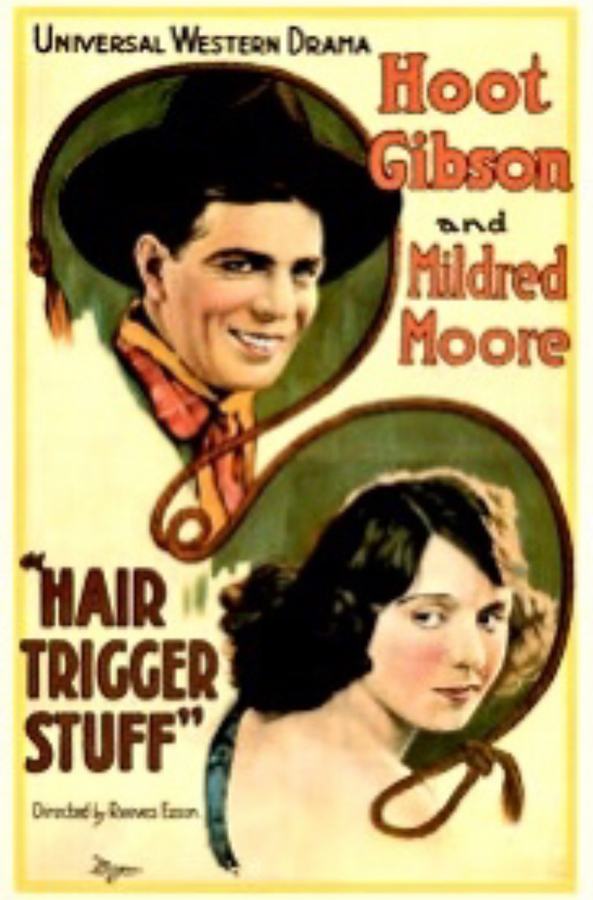
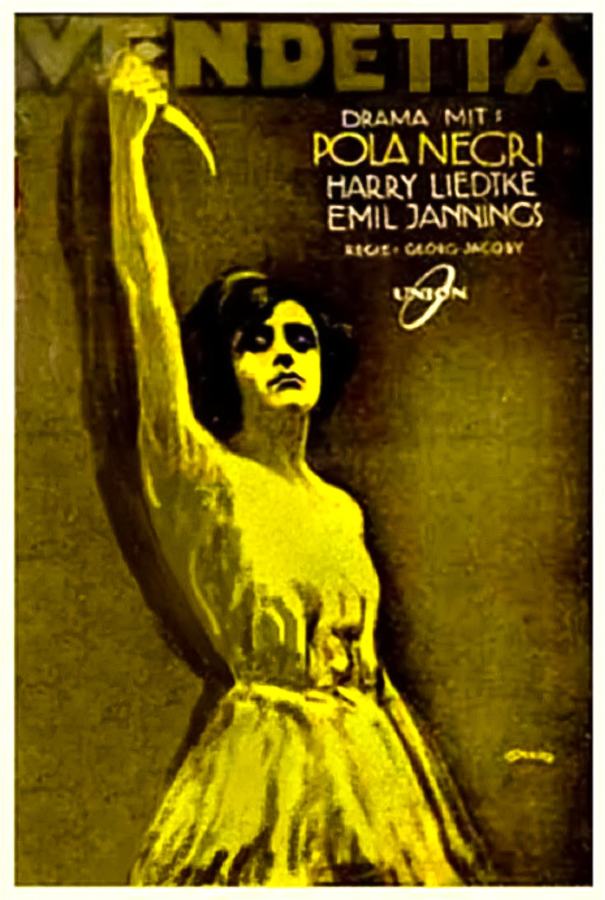
Cult cinema is often defined by its relationship with the audience—a bond forged in the fires of midnight screenings, fanzines, and a shared sense of belonging to the fringe. But the DNA of the "cult" experience predates the 1970s counter-culture by decades. To truly understand why we worship the unconventional, we must look back to the era of Hair Trigger Stuff and Vendetta, where the foundations of cinematic rebellion were first laid. These early works, ranging from short-form Westerns to sprawling international dramas, established a vocabulary of defiance that continues to resonate with modern cinephiles.
The Archetype of the Disenfranchised Rebel
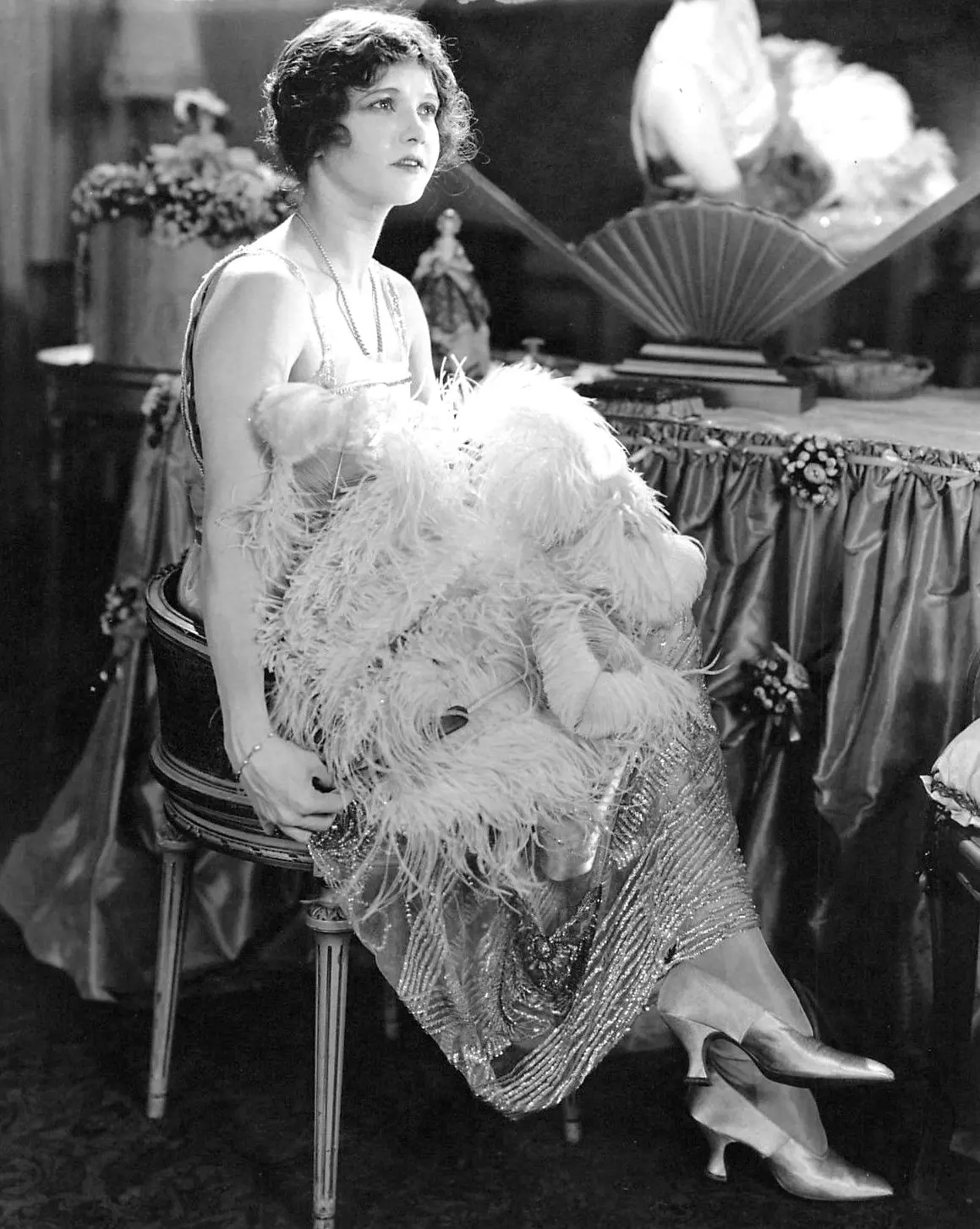
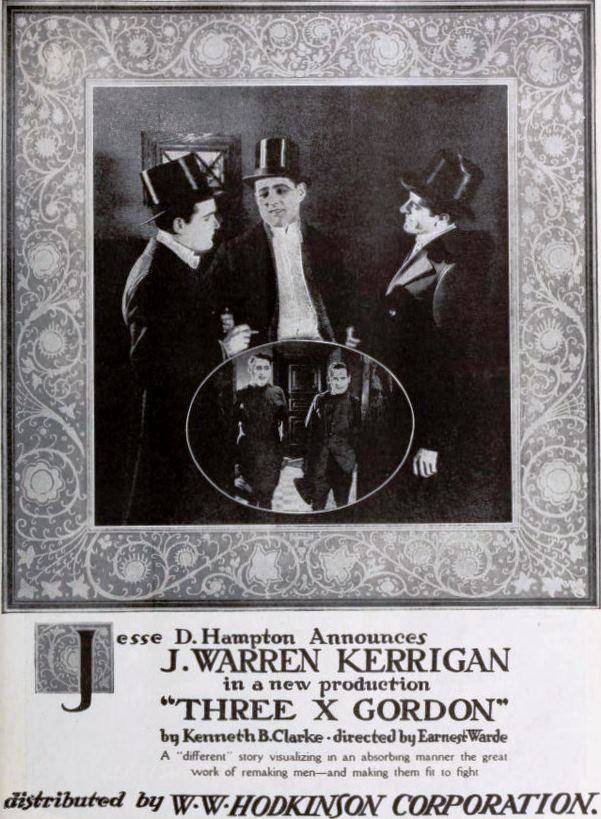
At the heart of every cult classic is a protagonist who exists outside the traditional moral or social order. Consider the narrative trajectory of Three X Gordon. When Harold Chester Winthrop Gordon is disinherited and barred from his high-society sweetheart, he doesn't merely fade away; he undergoes a radical transformation. This theme of self-reinvention via social exile is a hallmark of cult storytelling. We see a similar, though more comedic, evolution in The Deuce of Spades, where a Boston beanery owner must navigate the harsh reality of the West after being fleeced by card sharps. These characters are not the polished heroes of mainstream epics; they are the "tenderfoots" and the "black sheep" who must forge their own paths through grit and unconventionality.
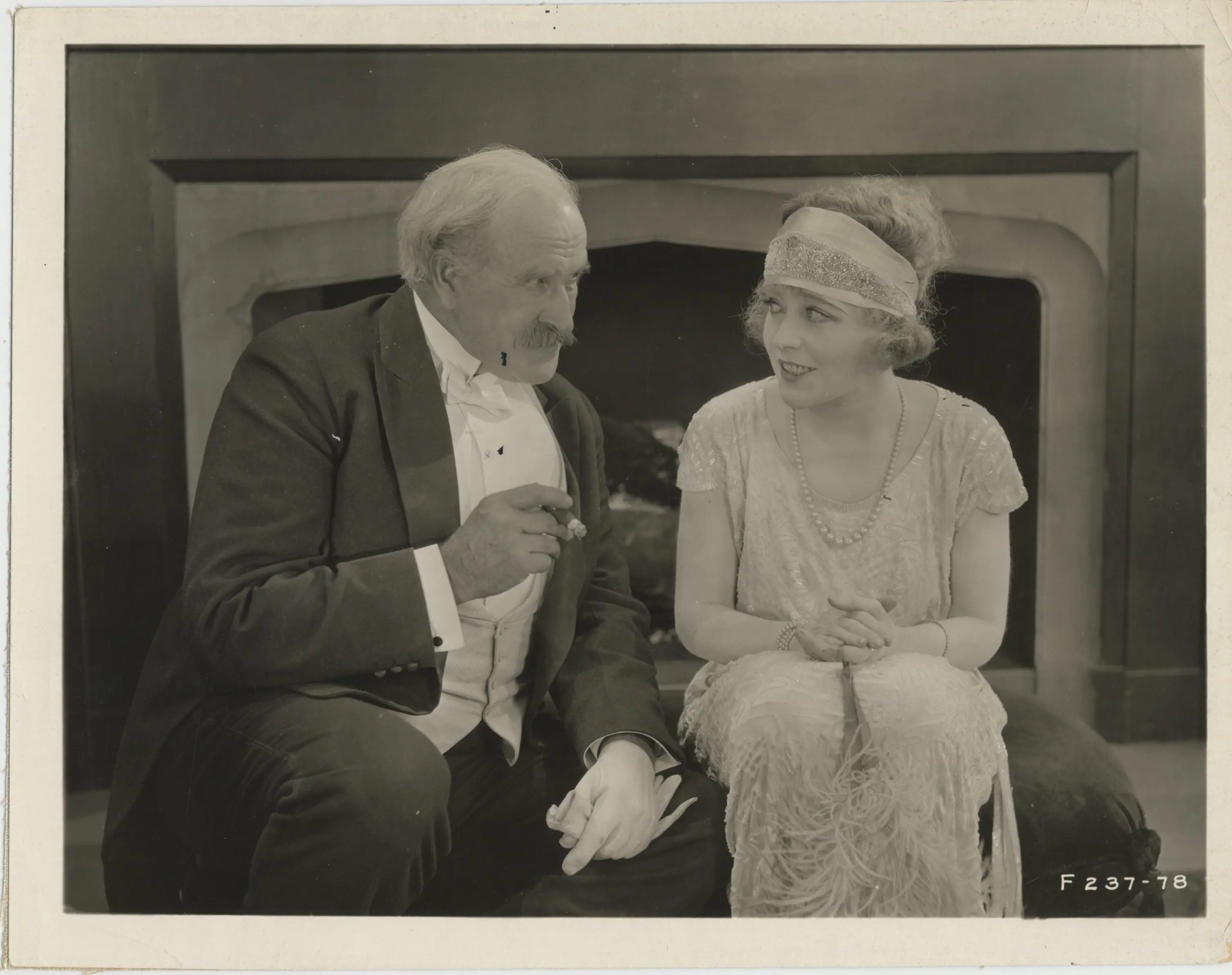
The cult of the outcast is further exemplified in The Landloper, where a wealthy man bets he can live as a penniless hobo. This rejection of material comfort in favor of the "authentic" experience of the road prefigures the beatnik and hippie cinema of the later century. Even in the short-form comedy Pure and Simple, the protagonist’s decision to wear an immigrant’s "funny looking suit" to a high-society affair serves as a proto-punk gesture of social disruption. These films taught audiences that the most interesting stories happen at the margins of the respectable world.
Transgressive Melodrama and Moral Ambiguity
The Friction of Social Norms
Early cinema was obsessed with the fragility of the social contract. In The 13th Commandment, the disillusionment caused by financial ruin leads to a breakdown of traditional values, a recurring theme in cult narratives that critique the American Dream. This sense of social friction is palpable in Blazing Love and Fires of Youth, where young women find themselves trapped in marriages of convenience with older, distracted men. These films explored the "quiet desperation" of the domestic sphere long before it became a staple of subversive independent film.
Political and social activism also found a home in the fringes. Your Girl and Mine: A Woman Suffrage Play took a hard look at the legal disenfranchisement of women, using the story of a wealthy heiress married to a degenerate to argue for systemic change. This use of genre—the melodrama—to deliver a radical social message is a key component of the cult ethos. Similarly, The Honorable Friend tackled the complexities of the Japanese immigrant experience in America, dealing with the reality of "picture brides" and the clash of cultural expectations.

Genre Mutants and the Birth of the Bizarre
If there is one thing cult audiences crave, it is the strange. The silent era delivered this in spades with films like The Evolution of Man, a mystery-adventure featuring two crooks and a "highly trained and uncannily intelligent chimpanzee." This kind of high-concept, slightly absurd premise is exactly what garners a devoted following years later. In the realm of the supernatural and the psychological, The Pursuit of the Phantom and Who Is Number One? pushed the boundaries of traditional narrative structure, leaning into the ethereal and the enigmatic.
Even the concept of the "creature feature" has its roots here. The Beast, a story of a hunter becoming the hunted by a savage hunger beast, utilizes primal fear in a way that prefigures the survivalist horror genre. These films weren't afraid to experiment with tone. Swat the Fly, a chaotic short involving vacuum cleaners and beehives, showcases a brand of slapstick anarchy that would eventually evolve into the surrealist comedy of the 1960s. This willingness to be "too much" or "too weird" is the primary reason these films stand out against the backdrop of more conservative studio productions.
Global Visions and the Universal Language of the Fringe
The cult impulse was never restricted to Hollywood. From the Hungarian winds of Tavaszi vihar to the German decadence of Prinz Kuckuck - Die Höllenfahrt eines Wollüstlings, international cinema provided a darker, more experimental mirror to the American industry. Mazeppa, der Volksheld der Ukraine and the Indian classic Satyavan Savitri brought folklore and mythology to the screen with a visual intensity that felt otherworldly to Western audiences. These films, like O Homem dos Olhos Tortos from Portugal, often blended espionage, crime, and secret organizations, creating a sense of a world governed by hidden forces—a theme that remains central to the cult obsession with conspiracy and the occult.
The Aesthetic of the Arcane
Visually, the early cult wave was defined by its use of shadow and atmosphere. The Fall of Babylon utilized massive scale to create a sense of historical dread, while The Secret of the Marquise used early animation techniques to sell a romantic, Nivea-sponsored dreamscape. This intersection of commerce, art, and the avant-garde created a unique visual texture. Whether it was the polar expeditions of Uncharted Seas or the New York slums of The Cruise of the Make-Believes, these films prioritized the creation of a specific, immersive world over simple linear storytelling.
The Legacy of the Forgotten
Why do we still look back at films like They Shall Pay or Half a Chance? It is because they represent the "half a chance" that every filmmaker takes when they step outside the box. The story of a convict saving a girl during a shipwreck, only to meet her years later as a brilliant attorney with secrets, is the kind of high-stakes, coincidental drama that cult audiences adore for its earnestness and narrative audacity. Similarly, The Trap and The Soul of a Child offer cautionary tales that lean into the "high life" and its subsequent fall, providing a moral complexity that was often stripped from later, more sanitized cinema.
The cult status of these films is often a result of their survival against the odds. Many of these titles, such as Winning His Wife, Lebenswogen, or Ehre, exist now as fragments of a lost world. Yet, their influence is seen in the works of directors who prioritize the visceral over the logical. The Southern heritage conflict in Fighting Through and the "ragged road" of The Ragged Road to Romance paved the way for the road movies and social dramas of the New Hollywood era. Even the concept of the serially produced mystery, like Who Is Number One?, laid the groundwork for the obsessive, episodic fandoms of today.
Conclusion: The Eternal Midnight
Ultimately, cult cinema is a testament to the enduring power of the outlier. Whether it is the "Lord" discovering a new world in Lord Loveland Discovers America or the young queen Alexia falling for a Republican leader in La reina joven, these stories remind us that the most profound cinematic experiences often come from the most unexpected places. The "midnight" mindset isn't about the time of day; it's about a willingness to look into the shadows and find beauty in the broken, the bizarre, and the brave.
As we continue to dig through the archives, finding gems like Atta Boy's Last Race or The Empire of Diamonds, we are not just watching old movies. We are participating in a long-standing tradition of cinematic worship—an altar built by the misfits of 1910 and 1920, whose Kærlighed overvinder Alt (Love Overcomes All) and whose Woe to the Conqueror spirit continues to define what it means to be a fan of the unconventional. From the Double Crossed schemes of crooked detectives to the Striking Models of comedic shorts, the early century was a laboratory of the strange, and we are still living in its glorious, flickering aftermath.
Community
Comments
Log in to comment.
Loading comments…