
Deep Dive
The Archeology of the Anomalous: Unearthing the Primal Deviance and Enduring Spirit of Cinema’s First Century of Misfits
“A deep-dive exploration into how the silent era's most transgressive and experimental films laid the groundwork for modern cult cinema's rebel heart and obsessive fandom.”
Cult cinema is often mistakenly defined by its aesthetics—the grain of 16mm film, the neon glow of the 1980s, or the campy excess of midnight screenings. However, the true soul of cult cinema lies not in its texture, but in its relationship with the outsider. Long before the term 'cult film' entered the lexicon of film journalism, the silent era and the early 20th century were already breeding a class of cinematic anomalies that defied the burgeoning mainstream. These were films that spoke to the disenfranchised, the weird, and the rebellious. To understand the modern obsession with the fringe, we must perform an archeological dig into the primal deviance of cinema’s first century.
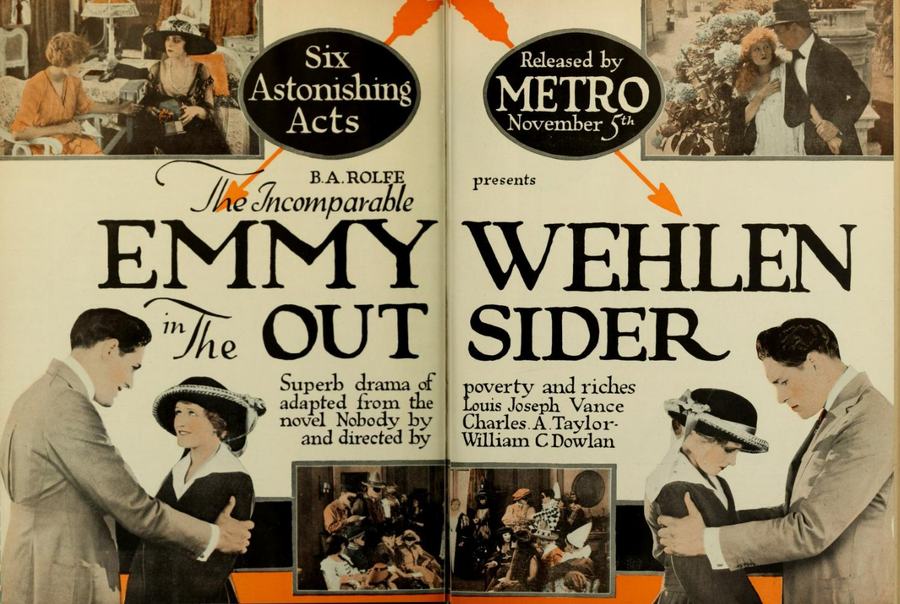
The Outlaw’s Code: Morality on the Fringe
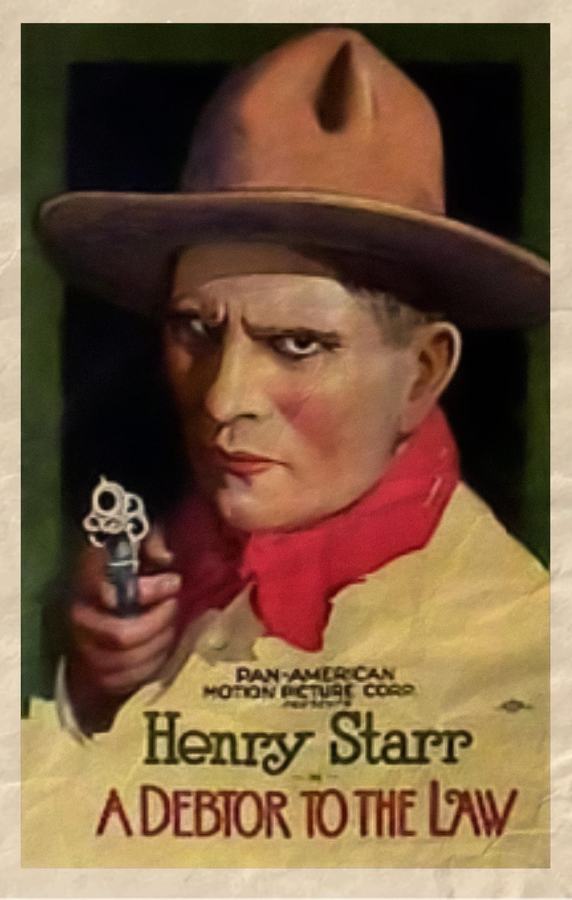
The foundation of cult devotion often rests on the shoulders of the anti-hero, a figure who operates outside the polite boundaries of society. In the early days of the Western, films like The Gun Fighter (1917) introduced us to characters like Cliff Hudspeth. Hudspeth wasn't a clean-cut hero; he was a leader of outlaws in the Gila Mountains who earned his status through the blood of notorious gun-bullies. This subversion of the 'white hat' hero provided a blueprint for the gritty, morally gray protagonists that would eventually populate the cult canon. Similarly, A Debtor to the Law showcased the high-stakes tension of the Stroud Bank robbery and the visceral reality of a failed escape, featuring the wounded Starr and the teenage Paul Curry. These narratives didn't just tell stories of crime; they explored the mechanics of desperation.
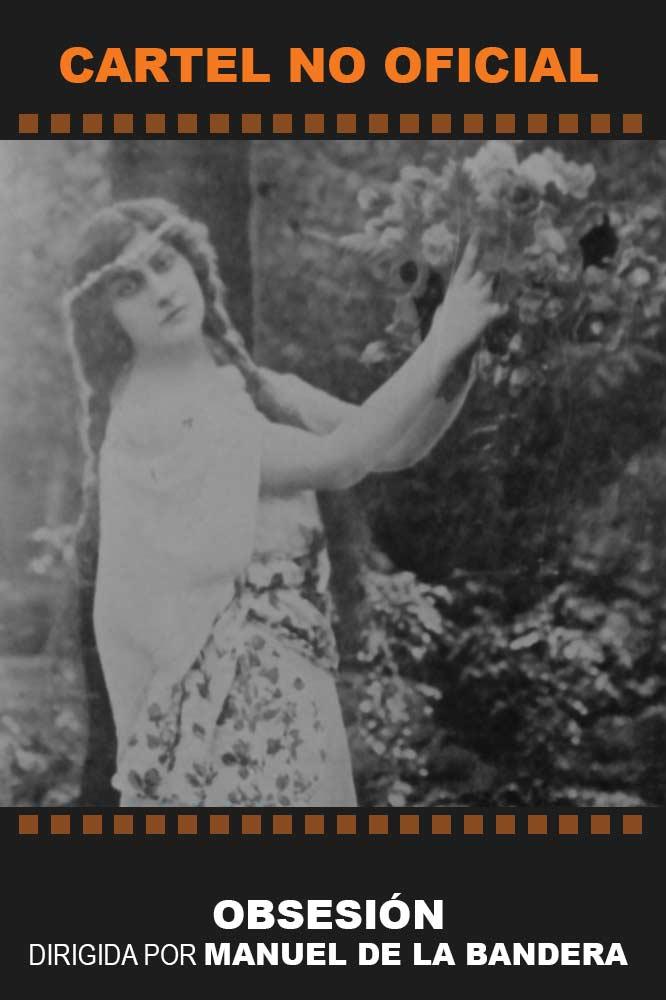
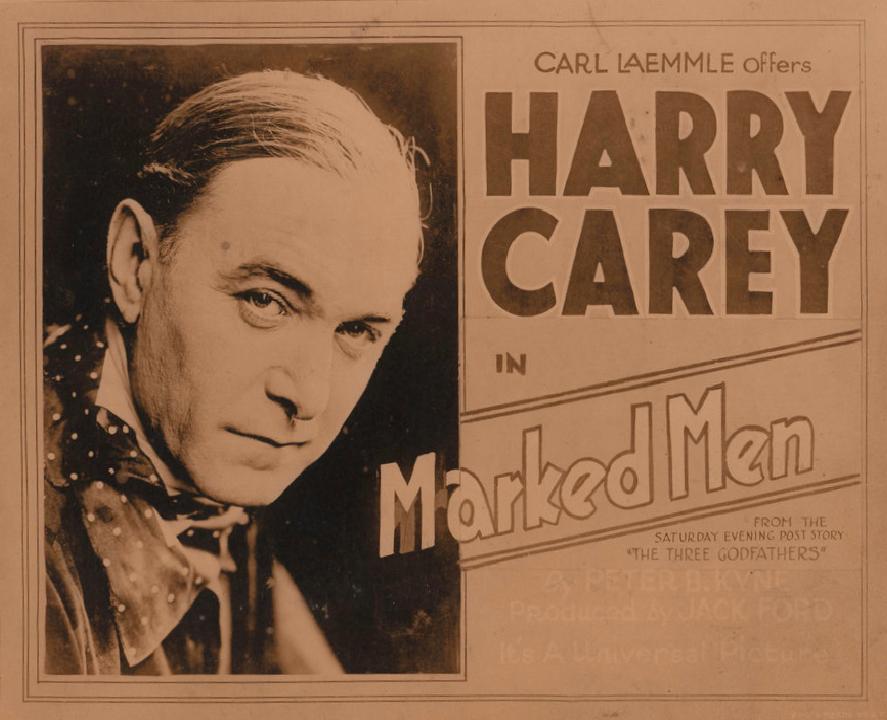
This fascination with the 'marked man' is perhaps best exemplified in Marked Men, a proto-version of the Three Godfathers story. When three outlaws rescue a baby in the desert with almost no water left, the film pivots from a crime caper to a transcendental journey of sacrifice. This narrative mutation—where the villain becomes the savior—is a hallmark of cult storytelling. It forces the audience to align their sympathies with the social pariah, creating a bond of shared transgression that defines the midnight movie experience.
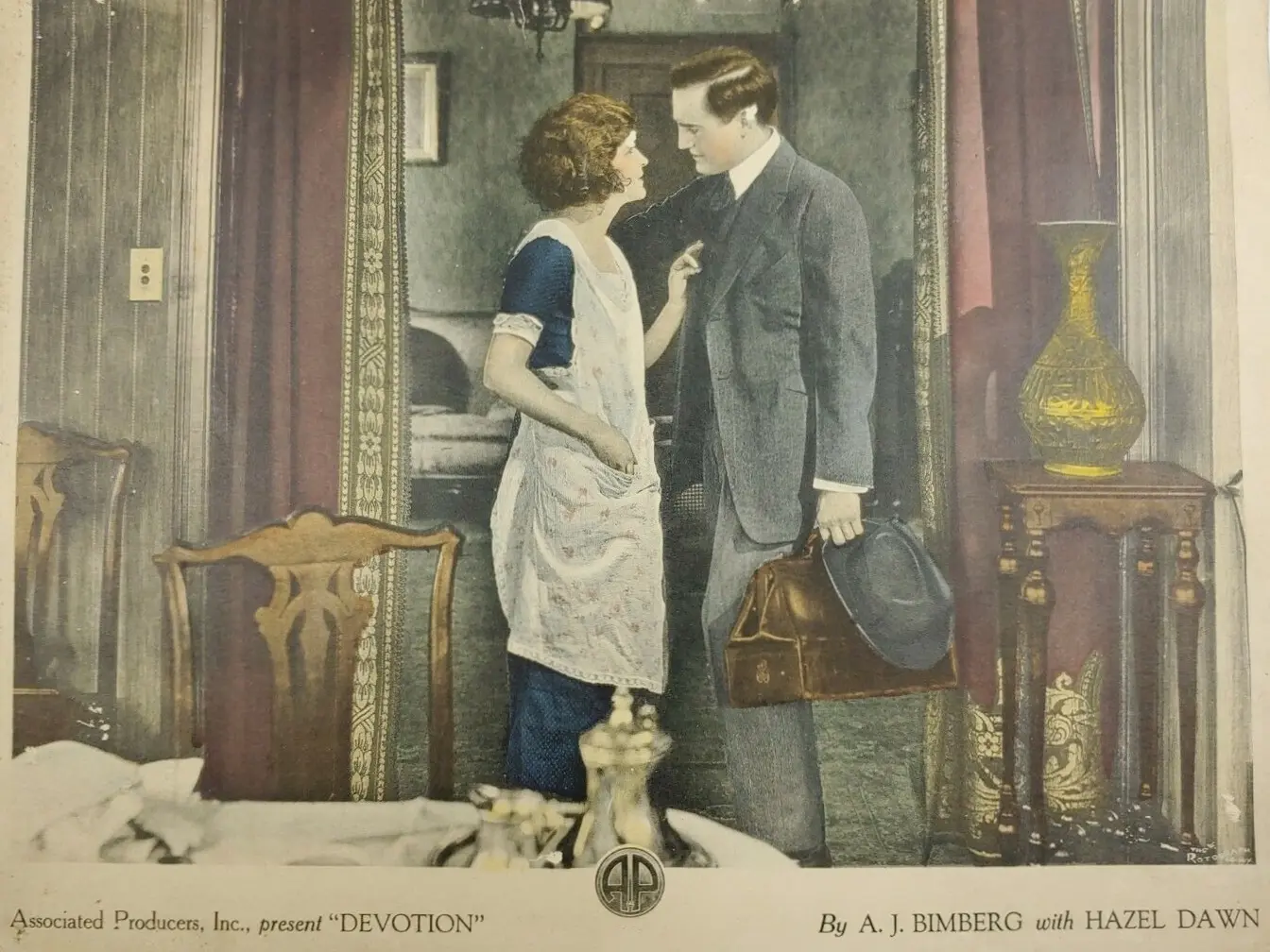
The Melodrama of the Damned
While the outlaws of the desert were forging one side of the cult coin, the drawing rooms and hospitals of early cinema were forging another: the melodrama of the socially discarded. In Shadows (1919), we see a young woman’s life disrupted by an unpleasant past, yet she possesses a fierce determination to regain her place of respect. This theme of the 'fallen woman' or the 'social secret' recurs in films like Adele, where Adele Bleneau’s love for Capt. Fraser is tested by the fires of war and the scrutiny of high society. These films resonated with audiences because they mirrored the internal struggles of those who felt judged by the rigid structures of the early 20th century.
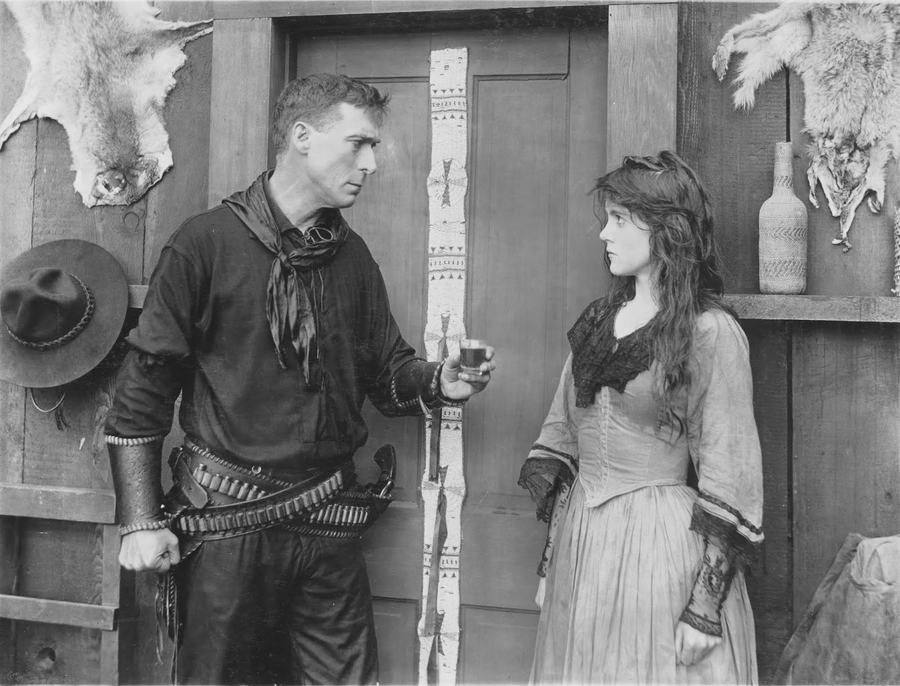
Even more transgressive for its time was Traffic in Souls (1913). This film acted as a bridge between social drama and what we would now recognize as exploitation cinema. By depicting a woman’s quest to uncover a prostitution ring and the 'philanthropist' who secretly runs it, the film utilized a sensationalist lens to critique systemic corruption. It is this blend of the sensational and the subversive that fuels the enduring fire of cult cinema.
Surrealism and the Animated Fringe
Cult cinema has always been a home for visual experimentation that the mainstream found too jarring or 'weird.' Consider the 1913 short In the Spider's Grip. This early animation uses insects—Aurélie the fly, Anatole the beetle, and the heroic Capricorn—to tell a story of engagement and danger. The anthropomorphism of insects creates a sense of the 'uncanny,' a feeling that would later be perfected by cult icons like David Lynch or Jan Švankmajer. Similarly, Perpetual Motion (1920) features an eccentric inventor and the Inkwell Clown, blending live-action trickery with animation to explore themes of obsession and mechanical failure. These films weren't just 'cartoons'; they were visual manifestos for the impossible.
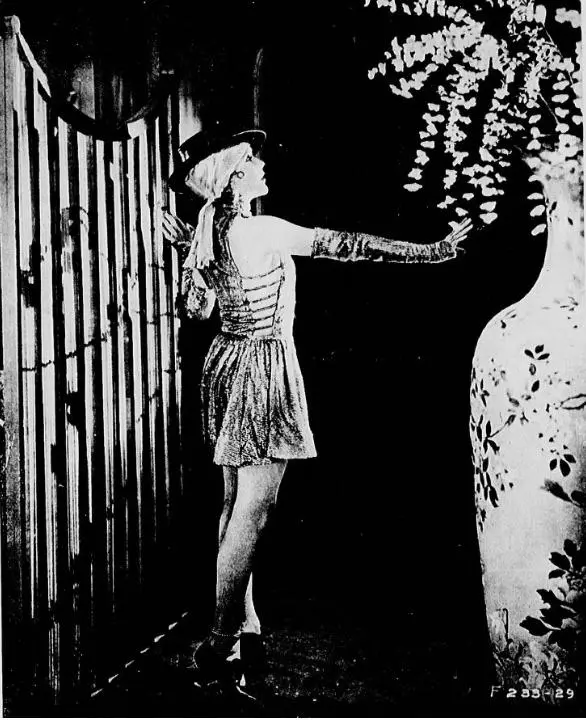
The surrealist streak continues in Broken Shadows (1919), a film with a premise that feels like a fever dream: a dying cleric weds a shipwrecked couple who are saved separately, only to meet again on the same island. This reliance on cosmic coincidence and dream-logic is a recurring motif in films that achieve cult status. It suggests a world governed not by the laws of physics or society, but by the laws of cinematic fate.
The Cult of Identity and the Hidden Past
A central pillar of the cult experience is the 'secret identity.' The audience is invited into a confidence that the rest of the world is denied. In John Smith (1922), Lawrence Hilliard takes a new name after being released from prison to find work and love. The tension of his hidden past creates a secondary narrative that the audience participates in. We see this again in The House of Mystery (1921), where a banker's regret over disowning his son leads to a search for a hidden widow and child. The act of 'unmasking' or 'searching' becomes a metaphor for the viewer's own search for meaning within the frame.
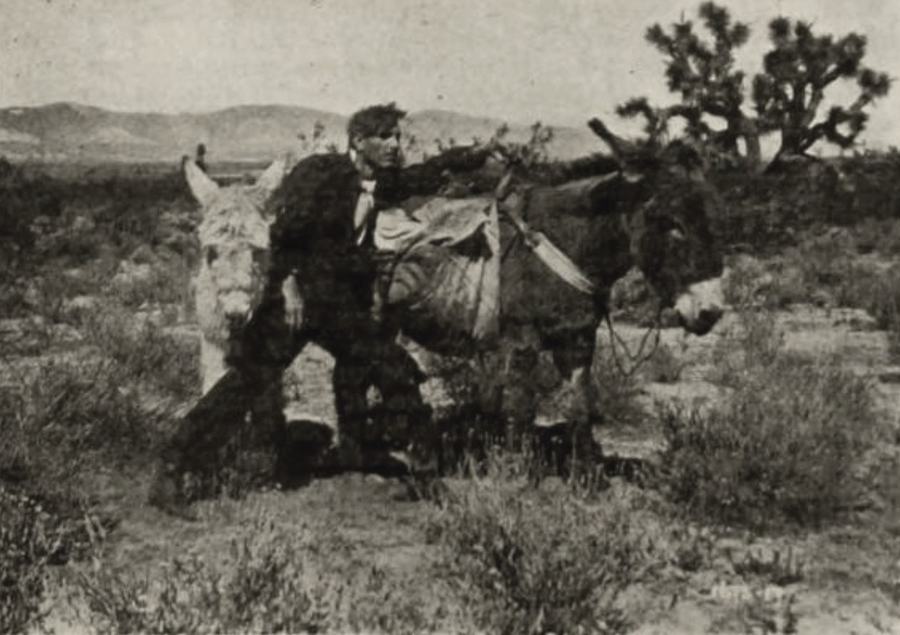
Films like The Butterfly Man (1920) take this a step further. Sedgewick Blynn is a gigolo who is hailed as a hero after saving a child, despite his mercenary intentions to marry into money. This duality—the public hero versus the private scoundrel—is the kind of complex character study that mainstream audiences often found repulsive but cult audiences found intoxicatingly honest. It reflects the masks we all wear, a theme that resonates deeply within the 'misfit' communities that champion these films.
Genre Mutations: From The Kentucky Derby to The Lion's Claws
Cult cinema thrives in the cracks between genres. Take The Kentucky Derby (1922), which blends sport, action, romance, and crime. When a rival has the owner's son shanghaied onto a tramp freighter to prevent a horse from winning, the film moves from the racetrack to the high seas. This kind of narrative whiplash is exactly what makes a film 'cult.' It refuses to stay in its lane. The same can be said for The Lion's Claws (1918), a serial that featured an intrepid heroine surviving both man and beast in jungles and deserts. These serials were the 'binge-watching' of their day, fostering a dedicated, obsessive fanbase that would return week after week to see their hero survive the impossible.
We also see the seeds of the 'cult of personality' in films like Jeffries-Sharkey Contest (1899). This wasn't a scripted drama, but a 25-round fight. The raw, unedited spectacle of violence became a different kind of cult object—a document of physical endurance that predates the 'mondo' and extreme cinema movements. It was about the purity of the event, captured on a flickering reel.
The Social Satire and the Ridiculous
Sometimes, cult status is born from a film's willingness to be absurd. The Soap Girl (1918) satirizes the very idea of 'society' by showing a soap manufacturer using advertising tactics to launch his daughter into the upper class. It’s a cynical, funny look at the commodification of personality. In Say! Young Fellow (1918), the protagonist is literally haunted by 'The Hunch,' a miniature version of himself that perches on his shoulder to offer advice. This visual gag is a precursor to the psychological surrealism we would later see in cult comedies that use physical manifestations of the subconscious.
Even the 'short comedy' genre contributed to the cult DNA. The Instructor (1914) features a man who gets a job as a roller skating instructor despite not being able to skate. The comedy of incompetence is a staple of cult cinema, from the Keystone Cops to the modern 'so bad it’s good' phenomenon. It celebrates the beauty of the failure, a concept that is central to the cult ethos.
Legacy of the Lost: Why the Silent Fringe Still Speaks
As we look back at films like The Blue Mountains Mystery (1921) or Haunting Shadows (1919), we see the blueprints for the genres we love today. Haunting Shadows, with its plot about a grandson having to live in a rumored haunted estate for a year to claim his inheritance, laid the groundwork for the 'old dark house' mysteries that would become a cult staple. The Great Romance (1919) and What Will People Say? (1916) explored the pressures of wealth and social status, themes that continue to be subverted by indie filmmakers who want to expose the rot beneath the glitter.
Even the international outliers like Selskabsdamen, Rytterstatuen, and Moderens Øjne remind us that the cult spirit is global. Whether it's a tale of a passionate gambler in Denmark or a story of revenge on the Bridge of Sighs in Il ponte dei sospiri, the core remains the same: a rejection of the mundane in favor of the extraordinary, the transgressive, and the misunderstood. These films were the original rebels of the screen.
In conclusion, cult cinema is not a modern invention of the 1970s midnight movie circuit. It is a primal force that has existed since the first flicker of the kinetoscope. It is the history of the cinematic misfit, the story of the films that refused to be forgotten even when the world tried to look away. From the outlaw trails of Arizona to the animated spider webs of the early 1910s, the heart of the cult movie beats with a rhythm of defiance. By unearthing these early anomalies, we don't just find old movies; we find the very soul of what it means to be a fan of the unconventional.
Community
Comments
Log in to comment.
Loading comments…