
Cult Cinema
Beyond the Marquee's Glare: Unearthing Cult Cinema's Enduring Heartbeat from Early Film's Depths
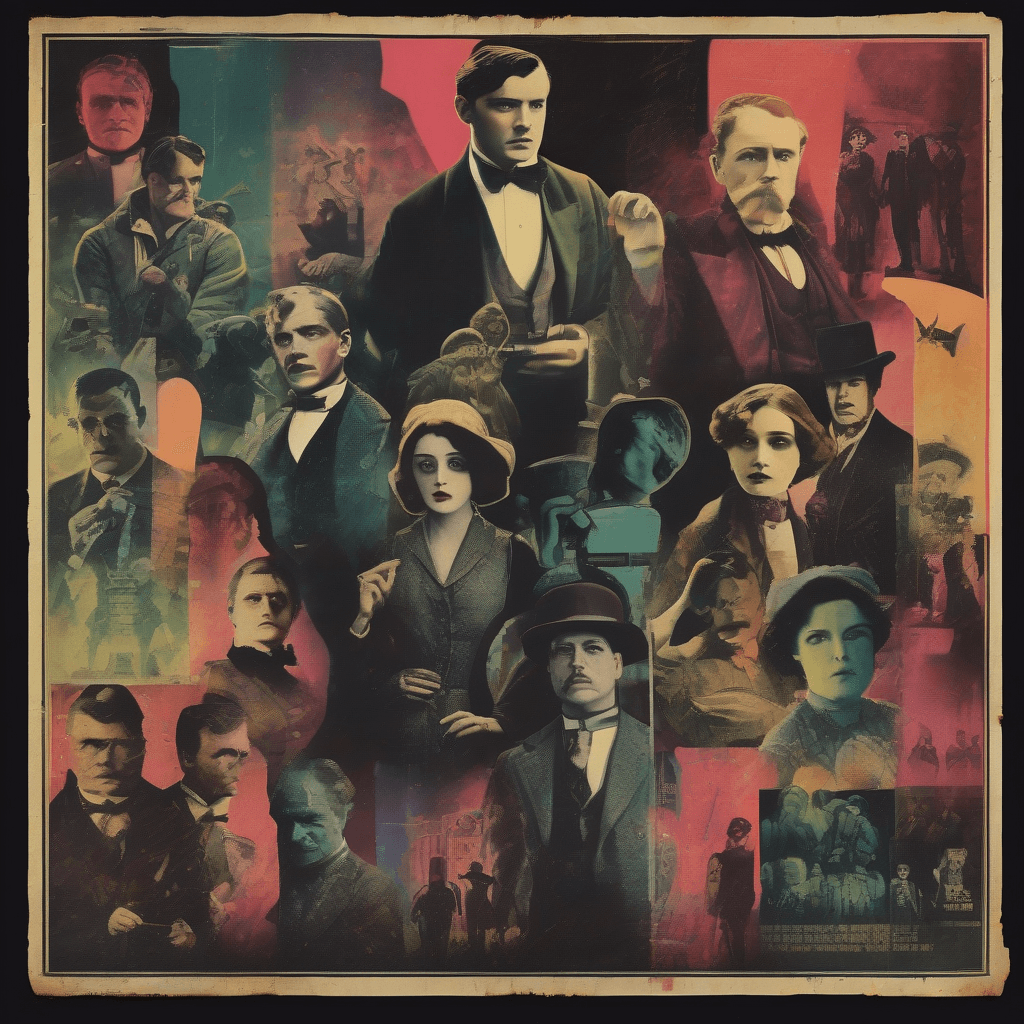
“Cult cinema isn't merely a modern phenomenon; its rebellious spirit and magnetic allure echo through the forgotten reels of early film. This deep dive explores how silent and early sound era narratives laid the foundational DNA for the unconventional masterpieces we cherish today.”
In the vast, shimmering tapestry of cinematic history, certain films refuse to fade into obscurity. They don't just entertain; they provoke, challenge, and ultimately, cultivate devoted communities. These are the cult films, cinematic outliers that defy mainstream categorization, often finding their true audience years, or even decades, after their initial release. While many associate cult cinema with the midnight movie circuit of the 70s and 80s, or the transgressive indie fare of later decades, the genesis of this unique cinematic phenomenon can be traced much further back, to the nascent days of film itself. By examining the themes, characters, and subversive undertones of early 20th-century cinema, we can unearth the proto-cult foundations that paved the way for the unconventional masterpieces we adore today.
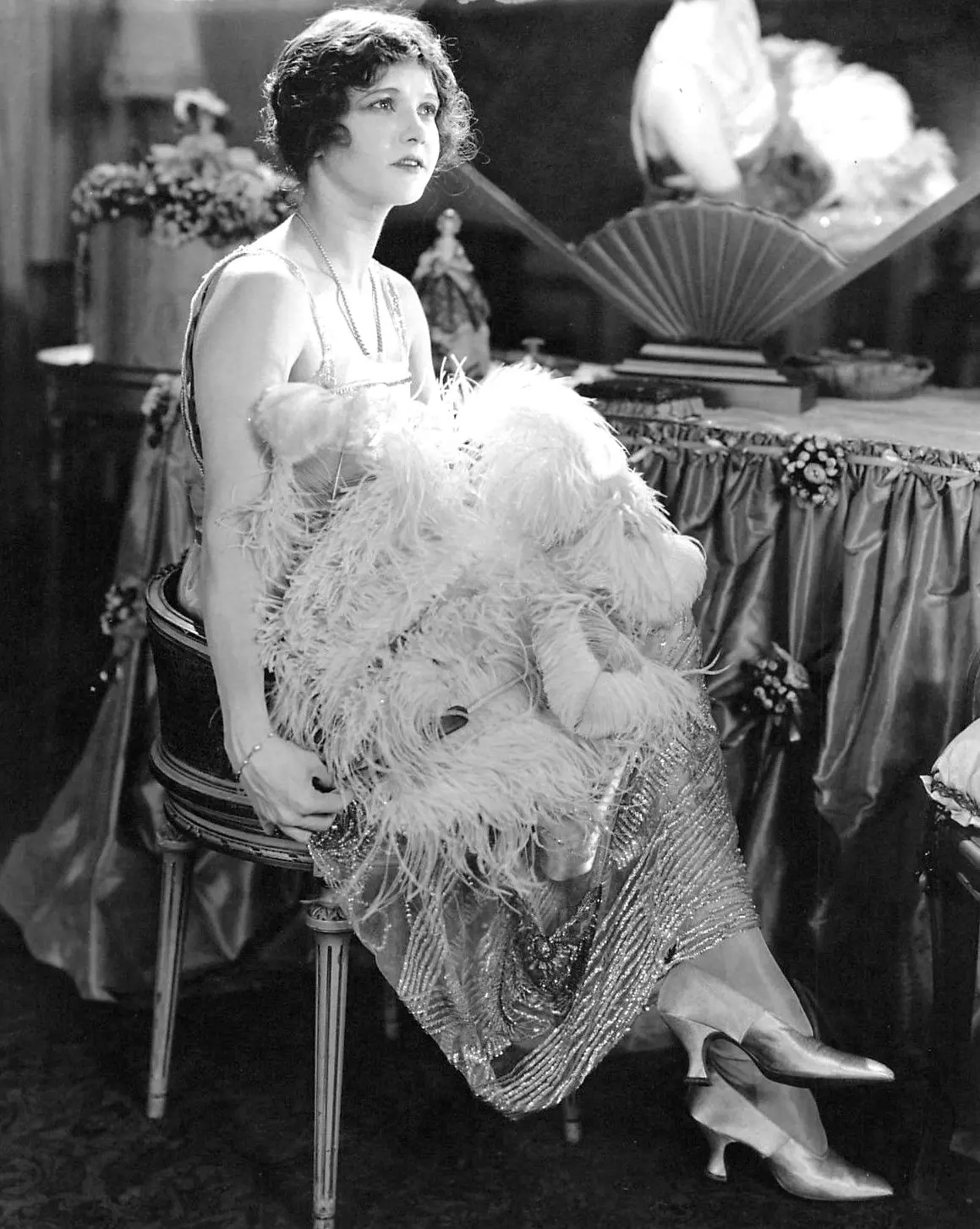
What makes a film a 'cult' classic? It's more than just box office failure or critical indifference. It's an irresistible magnetism, a narrative or aesthetic uniqueness that resonates deeply with a niche audience, fostering a sense of shared discovery and fervent devotion. These films often push boundaries, explore taboo subjects, or simply possess an idiosyncratic charm that sets them apart. From the melodramas of the 1910s to the action-packed serials of the 1920s, early cinema, though often dismissed as simplistic, harbored numerous seeds of this rebellious spirit.
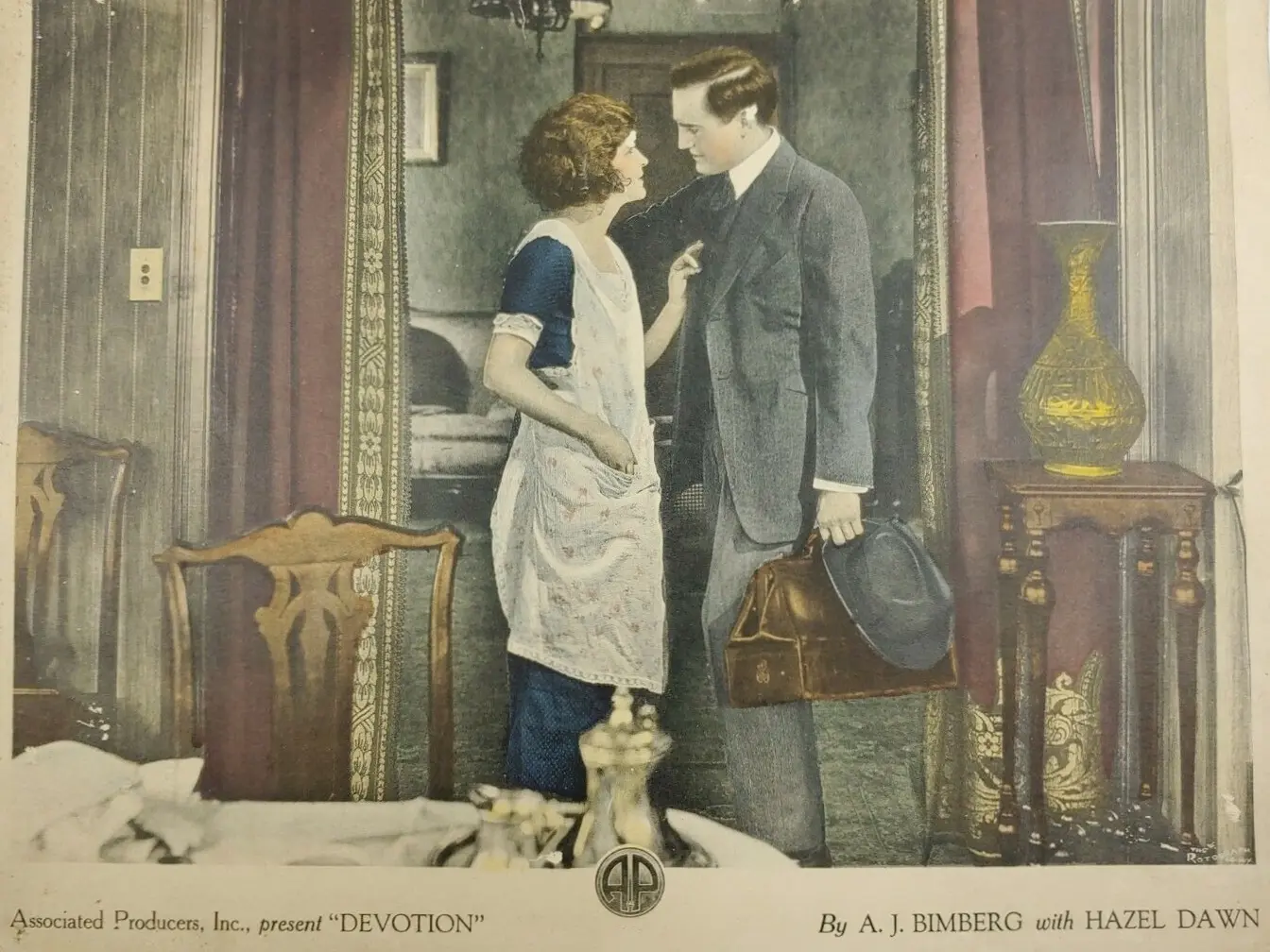
The Maverick Spirit: Characters Defying Convention
Even in an era defined by evolving moral codes and nascent narrative structures, early films showcased characters who, by their very nature, challenged societal expectations. These maverick figures, often at odds with the prevailing morality of their cinematic worlds, laid the groundwork for the anti-heroes and outsiders who would later populate the cult canon. Consider films like Sins of Her Parent, where a woman abandons a shotgun marriage and her child to forge a new life in Alaska, or The Price of Crime, depicting a wife neglected by her husband who falls into a life of gambling and crime. These narratives, while perhaps intended as cautionary tales, nevertheless depicted women making unconventional, even defiant, choices.
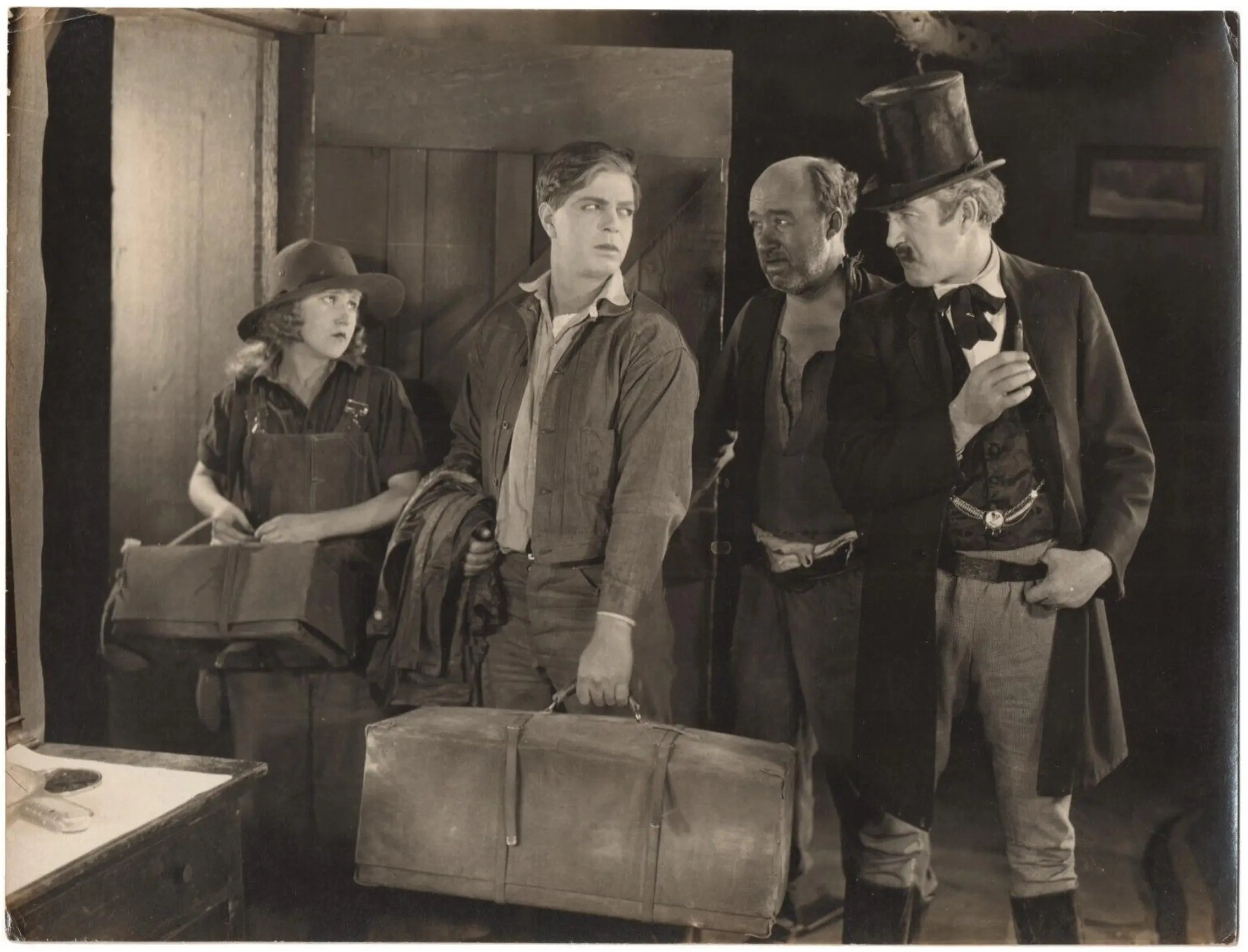
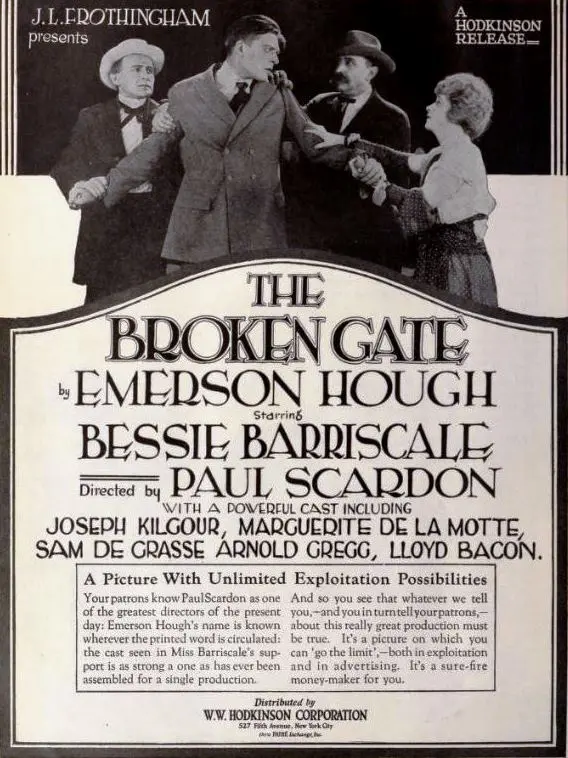
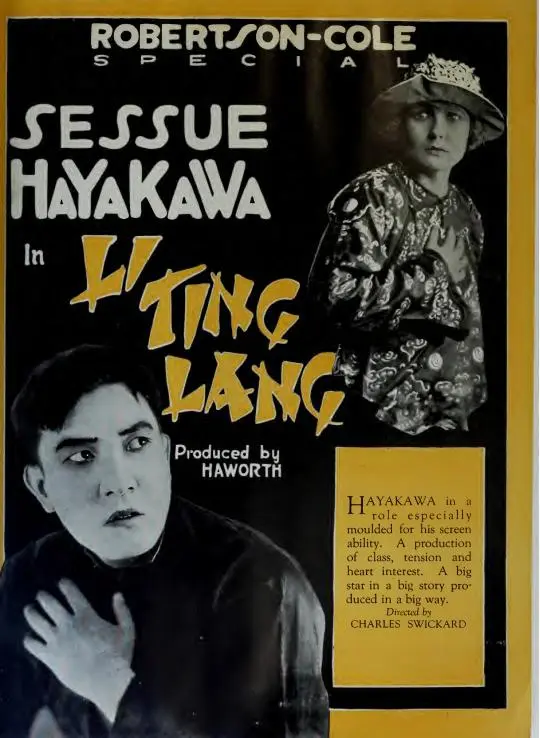
The idea of the outsider, the individual battling against a rigid system, is a recurring motif. In The Broken Gate, the protagonist grapples with the stigma of illegitimacy, a theme that resonates with the cult film's frequent embrace of the marginalized. Similarly, Li Ting Lang explores racial prejudice and forbidden romance, depicting a college student facing societal protests due to his relationship with a socialite. Such stories, highlighting societal hypocrisy and individual struggle, possess a timeless appeal for audiences who feel themselves to be on the fringes, a key demographic for cult cinema.
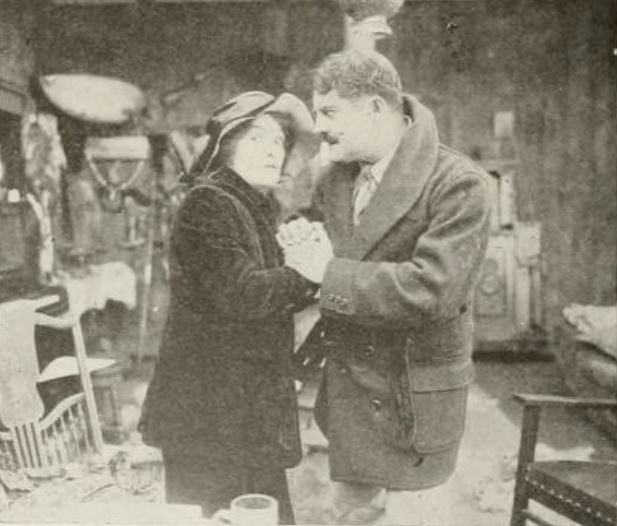
The Western genre, too, offered fertile ground for these early mavericks. Films like Thunderbolt Jack and Wild Women, while perhaps straightforward action-dramas, celebrated rugged individualism and a defiance of established order. The heroes and heroines of these films often operated outside the law or challenged corrupt systems, foreshadowing the morally ambiguous protagonists beloved by cult audiences. Even the comedic shorts, such as Ambrose in Turkey or His First Job, through their slapstick anarchy and rejection of decorum, demonstrate a playful subversion that finds its echoes in later cult comedies.
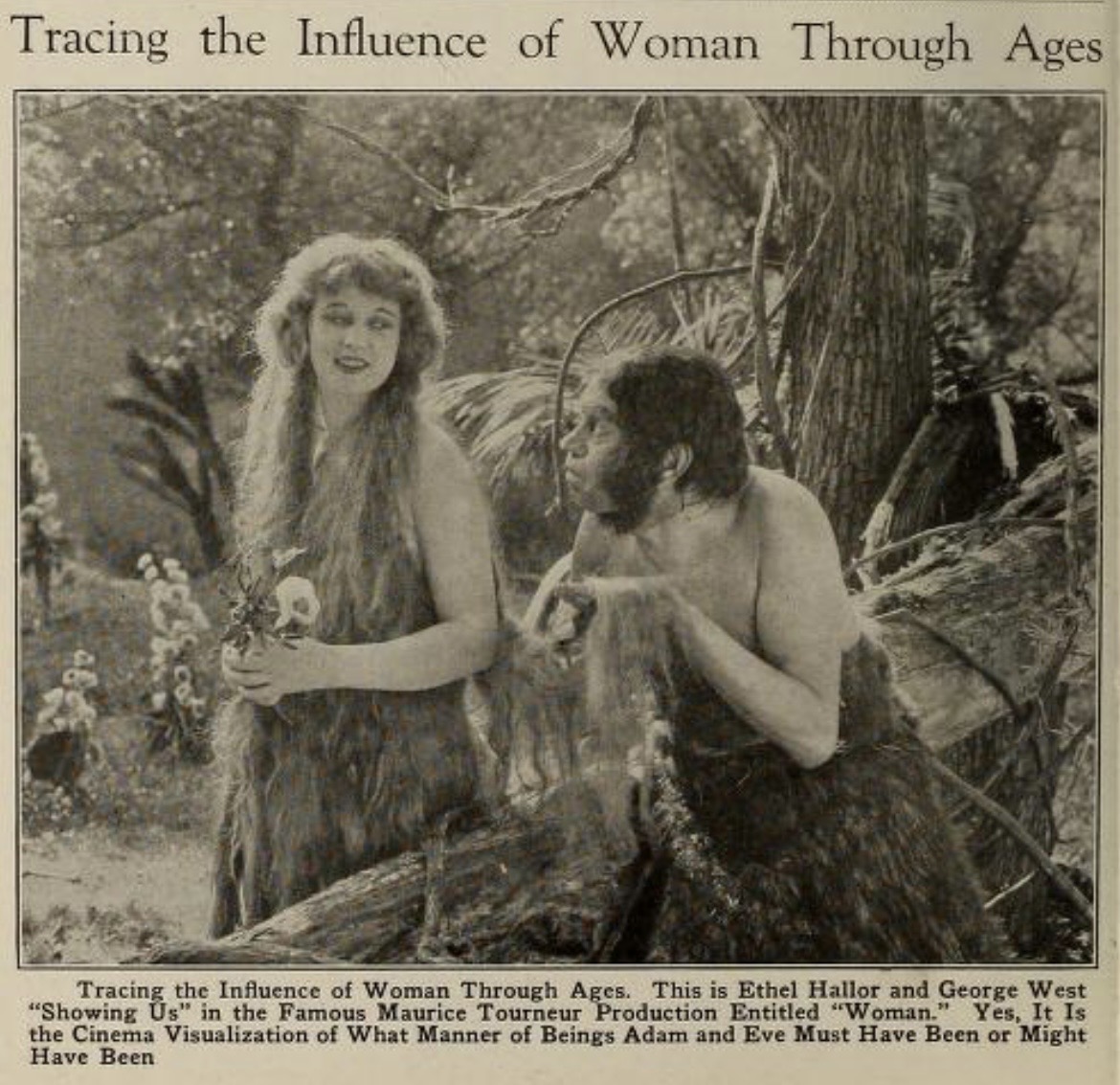
Transgressive Narratives and Unconventional Themes
Cult cinema thrives on themes that challenge, disturb, or simply offer an alternative perspective to mainstream storytelling. Early films, despite their often melodramatic trappings, were not immune to exploring transgressive narratives for their time. The very concept of a 'truthful liar' in a film like The Truthful Liar hints at a complexity of character and morality that can be deeply engaging. The depiction of 'notorious gambling establishments' or characters struggling with 'dissipations' (as in The Royal Imposter) provided glimpses into the seedier, less conventional aspects of society, even if ultimately framed within a moralistic context.
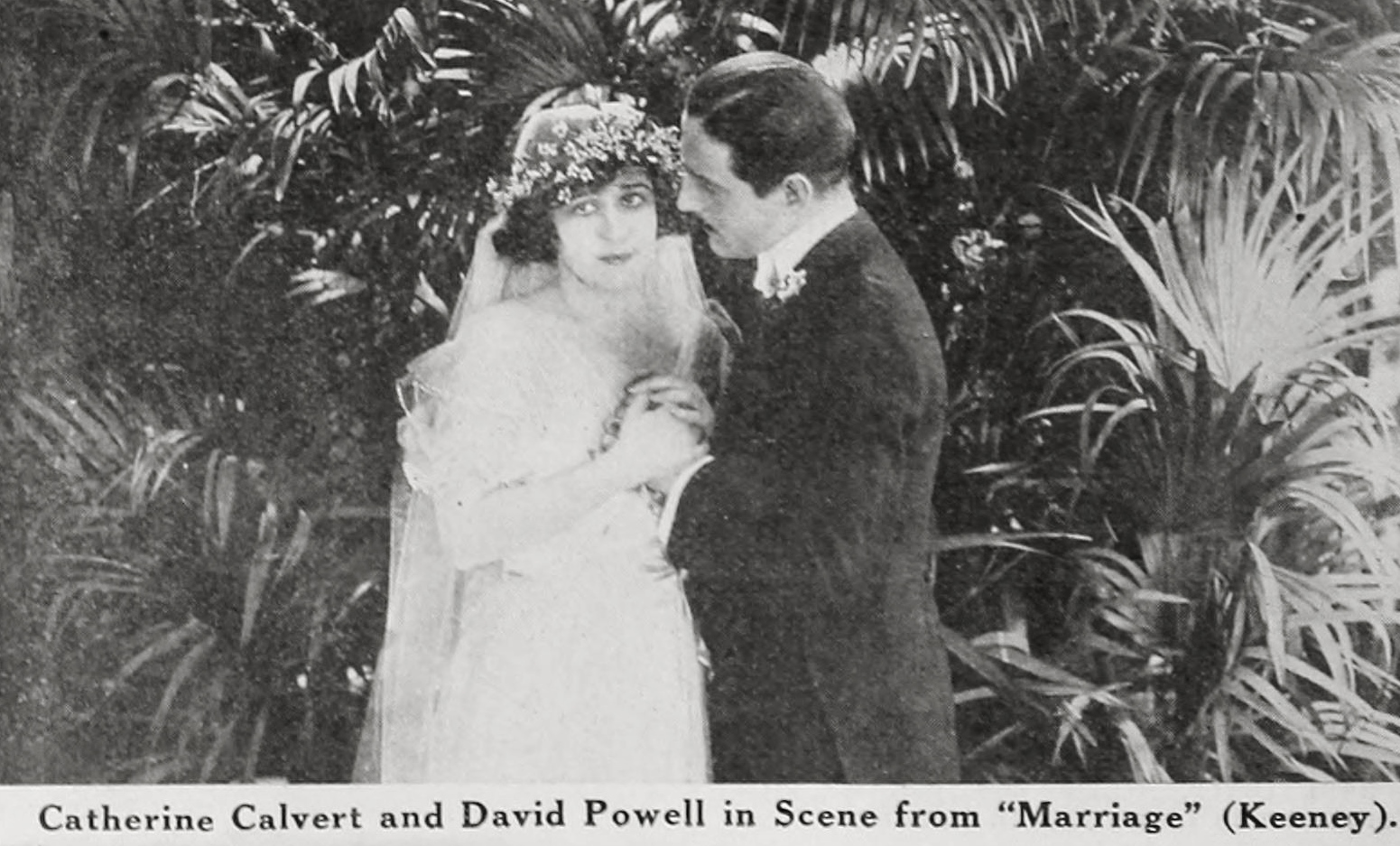
The anxieties and societal changes of the early 20th century also found expression in film. Dr. Wise on Influenza, a dramatized public information film, is a fascinating example of cinema being used for a very specific, non-entertainment purpose. While not 'cult' in the traditional sense, its unique historical context and didactic approach could make it a subject of niche fascination for film historians and public health enthusiasts – a form of archival cult appreciation. Similarly, films like Strike (Sergei Eisenstein's 1925 masterpiece, if we consider it within this early period as a powerful example of cinema's political potential) transcended mere entertainment to become a rallying cry, fostering a profound, almost cult-like devotion among specific political and artistic circles.
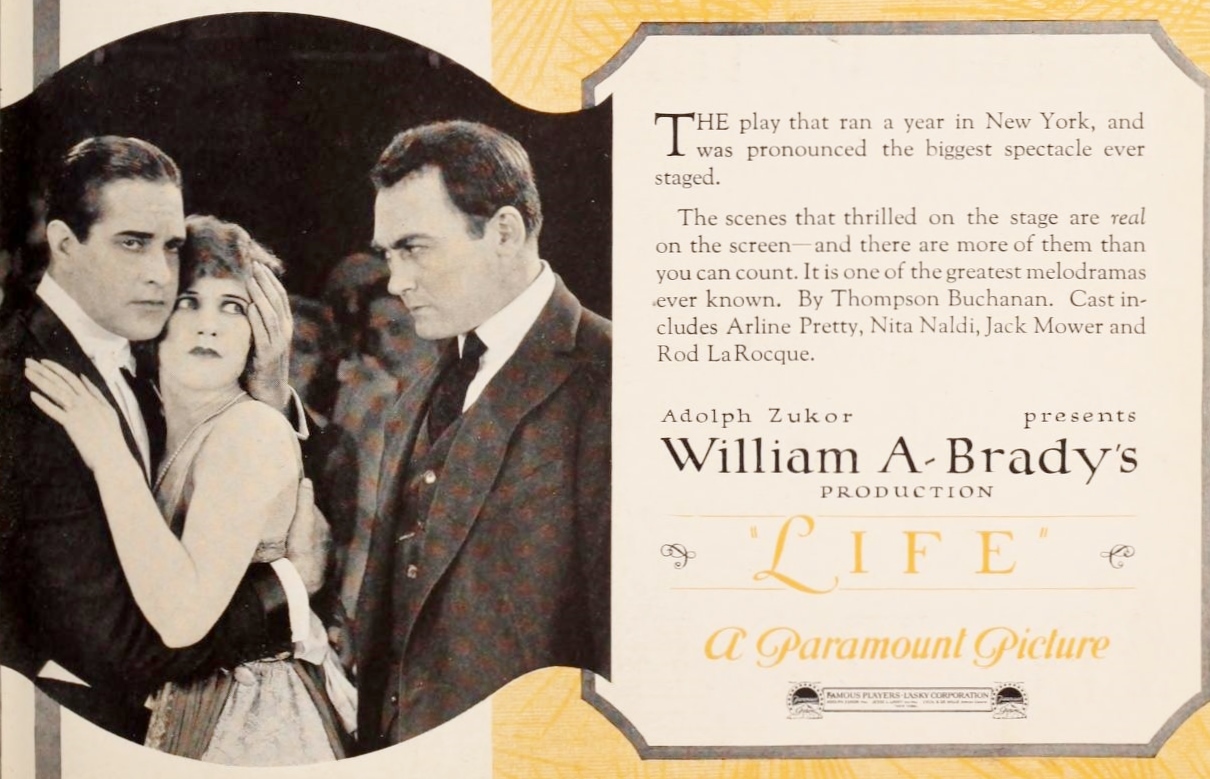
The exploration of dark or morally ambiguous themes, a hallmark of many cult films, can also be glimpsed. The Closed Road, featuring a cure for cancer and a complex web of relationships, suggests a dramatic intensity that could captivate audiences beyond superficial viewing. Even the seemingly innocent premise of The Man Who Stole the Moon hints at a fantastical, almost absurd ambition that, in a different era, might have been embraced for its sheer outlandishness. These early works, though bound by the conventions of their time, often contained dramatic tension and narrative twists that resonated with audiences seeking more than simple escapism.
The Power of the Overlooked and Rediscovered
A core aspect of cult cinema is its journey from obscurity or initial dismissal to reverent rediscovery. Many of the films from the provided list, such as Lovely Mary, Giving Becky a Chance, or Occasionally Yours, are largely forgotten by mainstream audiences today. Yet, within their narratives of romance, social aspiration, and moral quandaries, lie stories that likely resonated deeply with specific segments of their contemporary audiences. A film like Familjens traditioner (Family Traditions) from Sweden, or A csábító (The Seducer) from Hungary, offers a window into international cinematic sensibilities that diverged from Hollywood norms, potentially fostering local cult followings.
The very act of unearthing and appreciating these cinematic relics is a cultic act in itself. Film archives, restoration efforts, and dedicated cinephiles act as the guardians of this forgotten past, breathing new life into films that might otherwise be lost. The process mirrors how many later cult films, initially panned or ignored, were championed by dedicated fans, often through midnight screenings or word-of-mouth, transforming them into beloved artifacts.
Even the genre films of the era, like the Westerns The Law of the Yukon or Across the Deadline, or the adventure serial Hurricane Hutch, could have amassed dedicated followings. Serials, in particular, encouraged fervent, episodic viewership, creating an early form of serialized fandom akin to modern television binges or comic book obsessions, a clear precursor to the sustained engagement seen in cult communities.
Aesthetics of the Anomalous: Visual Style and Uniqueness
While many early films shared common visual language, certain productions would have stood out due to their unique aesthetics or ambitious spectacle. Though specific stylistic details are hard to discern without viewing, titles like The Princess of Park Row, with its tale of swindling barons and exiled royalty, suggests a grand scope. The fantastical element of The Man Who Stole the Moon, even in its early form, implies a visual ambition that could be seen as daring and unusual, attracting those drawn to the anomalous.
The very nature of silent film, relying heavily on visual storytelling, exaggerated performances, and evocative intertitles, created a distinct aesthetic. This unique cinematic language, far removed from contemporary realism, can be profoundly captivating for modern audiences, offering a different kind of immersion. Films like Carmela, la sartina di Montesanto (Carmela, the Seamstress of Montesanto) or Die beiden Gatten der Frau Ruth (The Two Husbands of Mrs. Ruth) from European cinema, would have brought their own national stylistic nuances, further diversifying the cinematic landscape and catering to varied tastes.
Even seemingly simple shorts, such as Sea Shore Shapes with its animal star and rescue plot, or the abstractly titled Wild Waves and Women, might have contained moments of visual ingenuity or quirky charm that resonated with audiences. These could be considered the 'proto-weird' films, laying the groundwork for the surreal and experimental aesthetics that would become a hallmark of later cult classics.
The Birth of Niche Fandoms and Collective Obsession
Before the internet, before dedicated fan conventions, how did cults form? Through shared experience and collective obsession. Early cinema, especially in its infancy, was a communal experience. Audiences gathered in darkened halls, sharing gasps, laughs, and tears. A film that truly stood out, whether for its shocking premise, its charismatic star, or its unforgettable imagery, would have been discussed, revisited, and remembered. This word-of-mouth propagation is the bedrock of any cult following.
The sheer volume and rapid production of films in the early 20th century meant that many were ephemeral, but those that lingered in public consciousness, even for a small segment, were sowing the seeds of cult status. Imagine the dedicated fans of a particular cowboy actor in Richard the Brazen or Shadows of the West, eagerly awaiting their next appearance. This focused adoration, though not yet codified as 'fandom' in the modern sense, was undoubtedly present.
Films like Out of the Chorus, which depicts a dancer marrying into an aristocratic family, or The Speed Girl, featuring a female stunt performer, would have offered aspirational or exciting escapism that could easily foster dedicated admirers. These films, while not overtly transgressive, presented characters and scenarios that might have been particularly compelling to specific audience demographics, creating a niche appeal that is a hallmark of cult success.
The Enduring Legacy: From Early Anomaly to Modern Icon
The journey of cult cinema is one of constant re-evaluation and enduring appeal. The films of the early 20th century, though often viewed through the lens of historical curiosity, offer a rich understanding of this trajectory. They demonstrate that the desire for unconventional narratives, maverick protagonists, and provocative themes is not new. It is deeply embedded in the very fabric of cinematic storytelling.
From the moral ambiguities of The Valley of Tomorrow and Without Hope, which hint at darker undercurrents, to the lighter, rebellious spirit of Feet and Defeat and His First Job, these early films collectively form an unseen tapestry of cinematic rebellion. They were, in their own ways, pushing against the perceived boundaries of their medium and their era, whether intentionally or inadvertently. The Hungarian A csikós (The Horse-Herder) or Russian Mechta i zhizn (Dream and Life) further illustrate the global presence of these distinctive cinematic voices.
Ultimately, the cult film is not merely a genre; it is a relationship between a film and its audience. It's a testament to the fact that some stories, some characters, and some visions, no matter how obscure or initially misunderstood, possess an undying flame that, once ignited, burns brightly for generations. The early films, with their simple titles and often complex human dramas, are the ancestral glow of this enduring cinematic phenomenon, reminding us that the seeds of cult devotion were sown almost as soon as the projector's light first flickered.
The journey from the silent era's melodramas, Westerns, and shorts to the vibrant, diverse world of modern cult cinema is a testament to film's power to connect, challenge, and inspire passionate communities. These forgotten reels are not just historical artifacts; they are the foundational blueprint for a cinematic counter-culture that continues to thrive, proving that true artistry and unique vision will always find their devoted audience, no matter the era.
Community
Comments
Log in to comment.
Loading comments…