
Cult Cinema Deep Dive
The Bohemian Blueprint: How Early Cinema’s Misfits, Gamblers, and Outcasts Invented the Cult Ethos
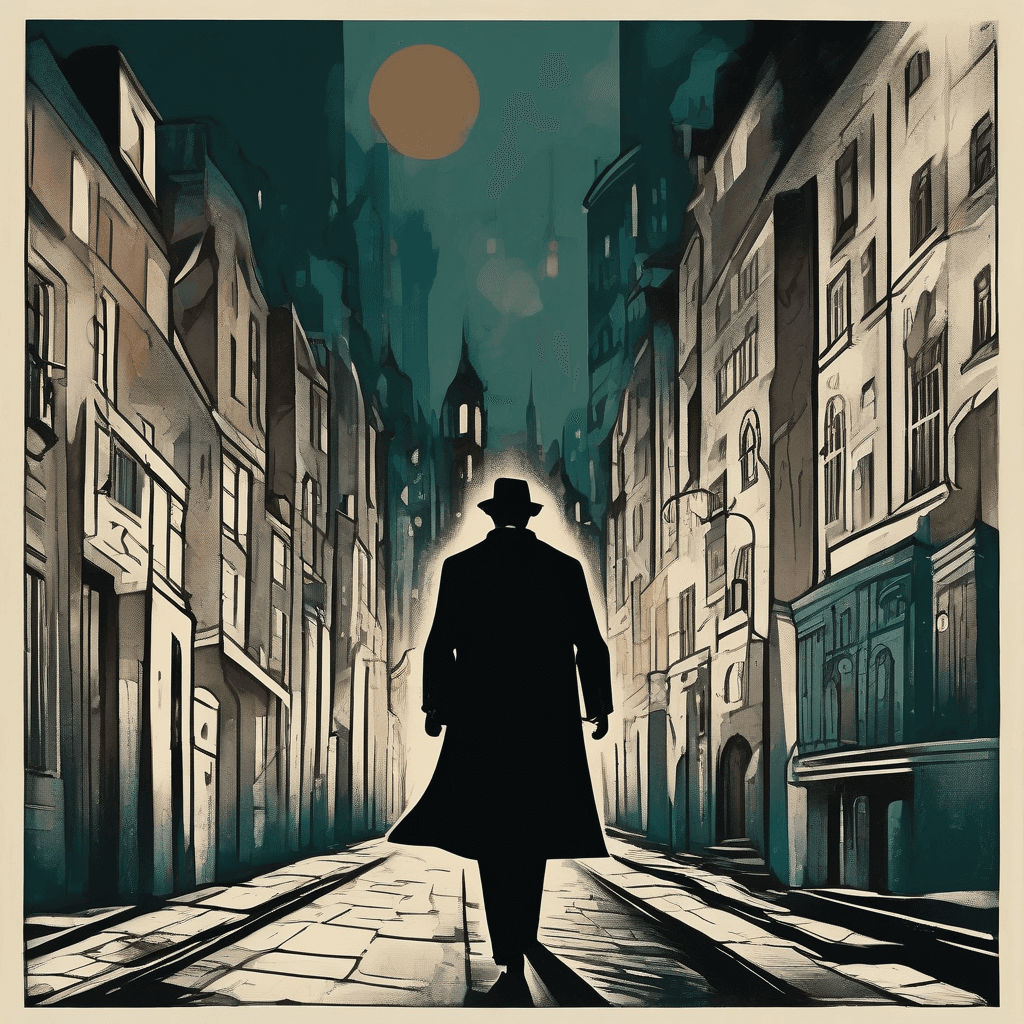
“Explore how the silent era's most daring narratives—from cocaine-fueled tragedies to circus pariahs—laid the groundwork for the modern cult movie phenomenon.”
When we speak of cult cinema, the mind often drifts to the neon-soaked midnight screenings of the 1970s or the transgressive underground movements of the 1980s. However, the genetic blueprint of the cinematic outlier was drafted much earlier, in the flickering shadows of the early 20th century. Long before the term 'cult' was codified by critics, a wave of rebellious, strange, and socially defiant films was already carving out a niche for the disenfranchised. These films didn't just entertain; they challenged the moral status quo, explored the fringes of human experience, and centered the lives of those typically cast aside by polite society.

The Legal Nightmare and the Cult of the Innocent Pariah
One of the most potent themes in the cult canon is the individual crushed by an unfeeling system. We see the roots of this in The People vs. John Doe. This fictionalized composite of real-world legal tragedies, such as the Stielow case, presents a harrowing vision of an innocent man sentenced to death based on nothing more than speculative evidence. This narrative of systemic injustice resonates deeply with the cult ethos, which often champions the 'little man' against the monolithic machinery of the state. The film’s focus on the fragility of truth and the weight of institutional failure established a precedent for the cynical, noir-tinged masterpieces that would follow decades later.
Similarly, The Hidden Truth takes us to the rough edges of Nugget City, where Helen Merrill navigates a world of abuse and Western grit. By centering on a woman who befriends a victim of domestic violence, the film explores the 'hidden' realities of the frontier—realities that the mainstream narratives of the time often glossed over. This focus on the raw, unvarnished truth of human suffering is a hallmark of cult cinema, which seeks to illuminate the corners of existence that the sun of the mainstream rarely reaches.
Bohemian Rhapsodies: The Artist as a Cult Icon
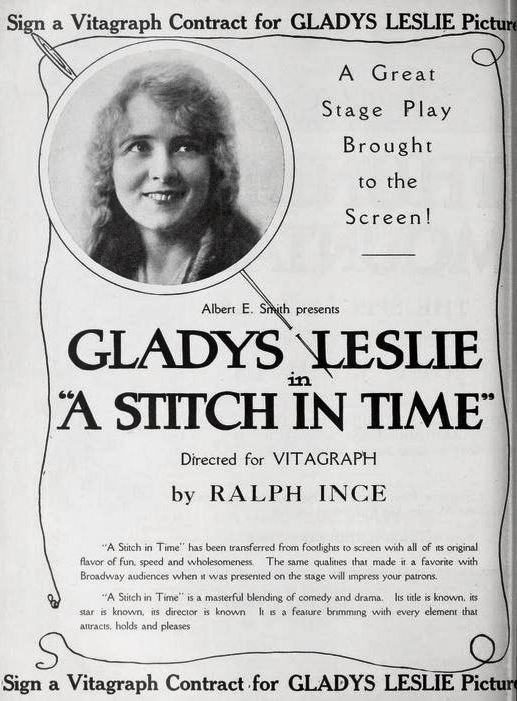
The figure of the struggling artist—the bohemian outsider—is central to the cult identity. In A Stitch in Time, we find Phoebe-Ann navigating the Washington Square studio of Worthington Bryce. Bryce is a quintessential cult figure: a man attempting to become an artist against the wishes of his wealthy father. This tension between creative integrity and societal expectation is a recurring motif in films that find a second life among devoted fans. It reflects the struggle of the filmmaker themselves, often working on the fringe of the industry to realize a singular, uncompromising vision.
This bohemian spirit is further explored in The Streets of Illusion. Here, the protagonist Beam runs a boarding house filled with 'interesting characters,' spreading optimism despite a backdrop of poverty and her father’s blindness. The film’s focus on a community of misfits living on the margins of the city mirrors the way cult films often create their own communities—audiences who find solace and connection in the shared experience of watching something that feels 'other' or 'apart' from the norm. The 'illusion' in the title speaks to the transformative power of storytelling, a theme that remains central to the cult experience today.
The Dark Underbelly: Addiction, Vice, and Social Scandal
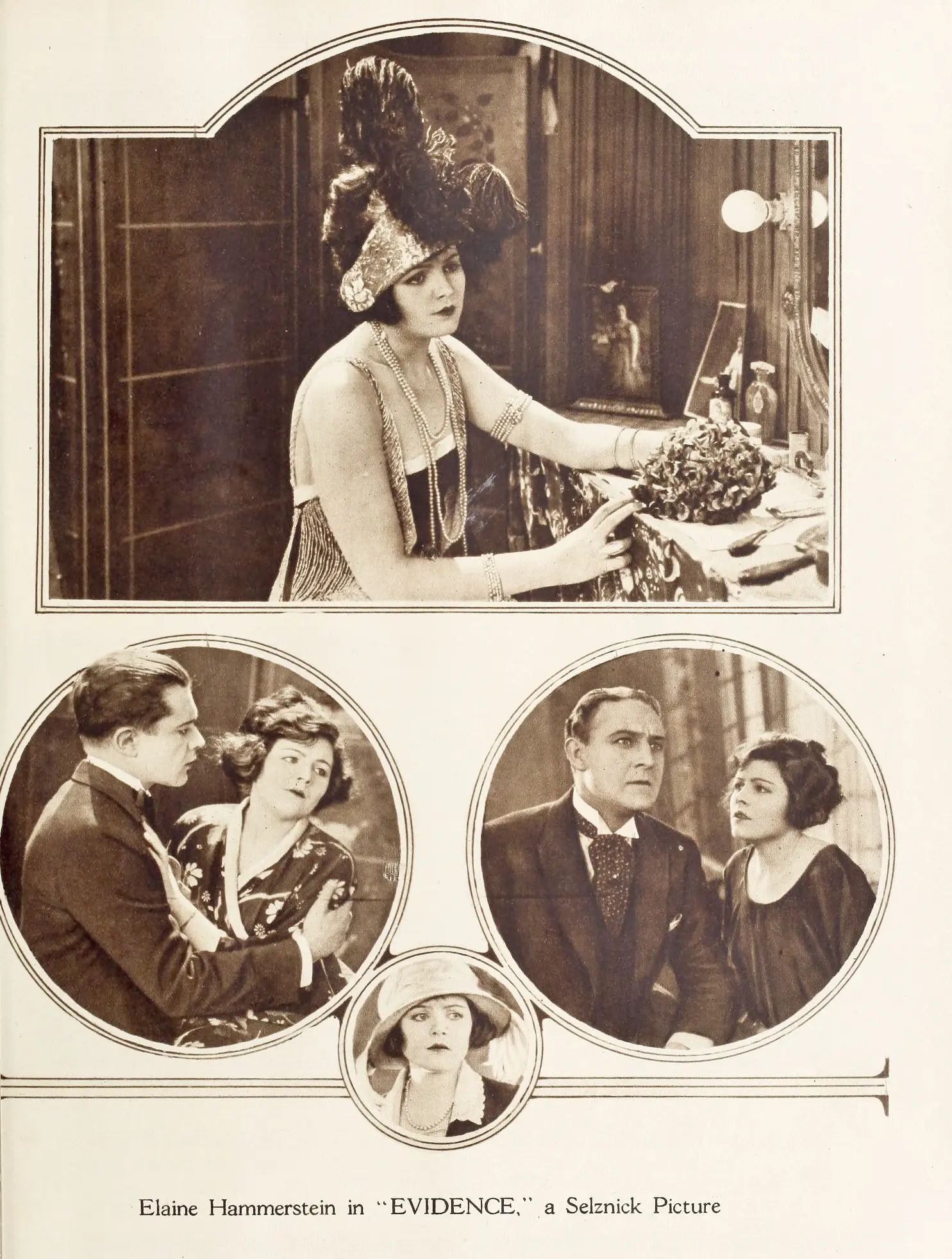
Cult cinema has never been afraid to stare into the abyss of human vice. Consider the shocking narrative of June Friday, a film that centers on Samuel Blake, a 'cocaine fiend' whose brutality leads to his wife’s suicide and the abandonment of their infant. In an era often characterized by Victorian sensibilities, such a stark depiction of drug addiction and its devastating consequences was nothing short of radical. It laid the groundwork for the 'exploitation' films of the mid-century, which would use shock value to explore social taboos.
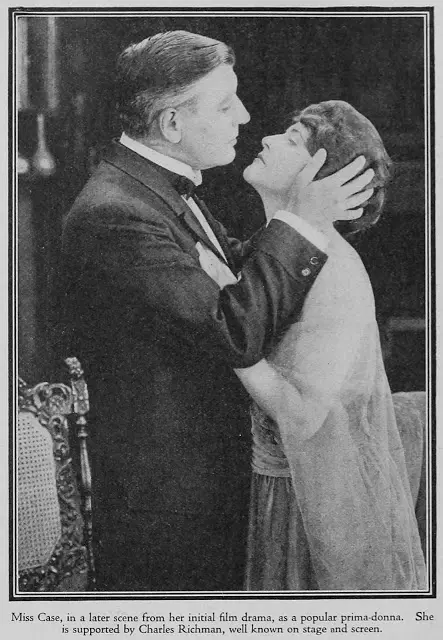
The theme of social ruin and the 'fallen' woman is also present in The Sign on the Door and Sinners. In The Sign on the Door, Ann Hunniwell finds herself caught in a raid at a questionable cafe, her reputation threatened by a single photograph. In Sinners, a country girl moves to New York and is confronted by an old neighbor who has traded her rural values for the 'immoral life of the city.' These films tapped into the anxieties of a rapidly urbanizing world, exploring the 'sinful' nature of the metropolis. For modern cult audiences, these films serve as fascinating time capsules of moral panic, while their transgressive subject matter continues to exert a primal magnetism.
The Circus, the Clown, and the Aesthetics of the Abnormal
If there is one setting that is synonymous with the cult aesthetic, it is the circus. The world of the 'freakshow' and the traveling performer offers a rich tapestry of the strange and the sublime. In Jinx, the 'jinx' girl of a circus troupe causes chaos for the performers, eventually fleeing to escape the consequences of her perceived bad luck. The idea of the 'jinx'—the person who doesn't fit in even among the outcasts—is a deeply empathetic trope that resonates with anyone who has felt like an outsider among outsiders.
This exploration of the performer’s psyche continues in The Fool's Revenge. Here, Anson the clown is driven to a dark path after a wealthy libertine steals his wife’s affection. The image of the 'sad clown' or the 'vengeful performer' is a powerful archetype in cult cinema, representing the mask we wear for society and the darkness that lurks beneath. These films utilized the spectacle of the circus to comment on the cruelty of the upper classes and the tragic vulnerability of those who exist to entertain them.
Double Lives and the Millionaire Misfit
The concept of the 'double life' is a recurring fascination in early cinema, often used to bridge the gap between the classes. In The Little Cafe, we meet Max, a millionaire forced to work as a waiter due to a lost wager. This reversal of fortune allows for a comedic yet pointed critique of class dynamics. Similarly, The Crown Prince's Double uses the trope of the lookalike to explore the burdens of royalty and the desire for freedom. These narratives of identity-swapping and hidden status prefigure the 'secret identity' tropes of modern superhero films and the 'undercover' narratives that populate cult thrillers.
Even in more grounded dramas like The Years of the Locust, we see characters trapped by their circumstances. Lorraine marries the wealthy Aaron Roth to save her family, only to find he is a swindler. The 'locust years' of the title refer to the time wasted in a life of deception. This sense of being trapped in a false existence is a powerful driver of cult fandom, as viewers often look to film as a way to escape their own mundane realities or to see their internal struggles reflected in the dramatic transformations of the characters on screen.
Adventure on the High Seas and the Revolutionary Spirit
Cult cinema isn't always about internal struggle; it can also be about the grand, anarchic adventure. The Dictator (1922), starring Wallace Reid, takes a millionaire’s son and a cab driver and thrusts them into the heart of a South American revolution. This blend of comedy, romance, and political upheaval is a precursor to the 'genre-bending' films that often achieve cult status. It refuses to stay in one lane, moving from the drawing rooms of New York to the steaming jungles of the south.
We see a similar spirit in Neal of the Navy, where a framed cadet must clear his name through military service and a hunt for hidden treasure. These serials and adventure films provided a sense of escapism that was both thrilling and slightly dangerous. They often featured 'maverick' heroes who operated outside the traditional lines of authority, a trait that would become a defining characteristic of the cult protagonist.
Documentary Roots and the Cult of the Real
While narrative film was developing its tropes, early documentary and 'short subject' films were capturing the reality of the era in ways that would later fascinate cult historians. John Greenleaf Whittier, the first in the 'Great American Authors' series, might seem like a straightforward biography, but it represents the early cinema’s attempt to canonize the 'greats' of the past. For the modern viewer, these films are artifacts of a lost world, their grainy footage providing a ghostly connection to the figures of the 19th century.
Similarly, O Que Foi O Carnaval de 1920! captures the ephemeral madness of Rio de Janeiro’s festivities. The raw, unedited energy of the carnival—the costumes, the dancing, the collective release—is the very essence of the cult experience. It is a moment of pure, unadulterated life captured on celluloid. These early non-fiction works remind us that the 'cult' of cinema is often built on the power of the image to preserve a moment in time that would otherwise be forgotten.
The Legacy of the Early Misfit
From the gambling addiction depicted in Without Limit to the blind barber of You're Next, early cinema was a laboratory of human experience. It was a time when filmmakers were still discovering the language of the medium, often resulting in films that were experimental, bizarre, and deeply personal. Films like He Did and He Didn't, which finds comedy in the hero’s failed attempts at suicide, show a dark sense of humor that would later define the 'black comedies' of the cult world.
The 'varmints' and 'jinxes' of the silent era were the ancestors of the rebels and weirdos we celebrate today. Whether it was the regionalist concerns of Vendémiaire or the childhood nostalgia of An Even Break, these films spoke to specific audiences with an intensity that mainstream hits often lacked. They were the first to prove that a film didn't need to be a global phenomenon to be meaningful; it just needed to find its tribe.
As we look back at these 50 films—from the tragedy of The Heart of a Woman to the comedic muddle of Artist's Muddle—we see a landscape of narrative anarchy that birthed the very concept of the cult movie. These were the films that dared to be different, that embraced the strange, and that gave a voice to the silent and the sidelined. They are the Bohemian Blueprint, the foundational texts of a century of cinematic rebellion, and they continue to haunt the screen with their primal, unvarnished power.
In the end, cult cinema is about more than just weirdness; it is about the enduring power of the outsider. It is about the films that refuse to die, the stories that find their way back to us through the fog of time, reminding us that there has always been a place on the screen for the misfits, the gamblers, and the dreamers who refuse to fit the mold.
Community
Comments
Log in to comment.
Loading comments…