Film History
The Bureaucracy of the Heart: How Silent Cinema’s ‘Official’ Deceptions Scripted the Cult of the Performative Self
“Explore the unsettling roots of the modern cult of identity through the lens of silent era 'contractual' romances and bureaucratic deceptions.”
The silent screen is often remembered for its grand, emotive gestures—the heaving bosom, the kohl-rimmed eye, the frantic escape. But look closer at the titles flickering across the marquee in the late 1910s and early 1920s, and you will find a peculiar, almost clinical obsession with the bureaucratization of human intimacy. Films like His Official Fiancée (1919), Her Official Fathers (1917), and Secret Marriage (1919) didn't just tell stories of love; they explored the terrifying notion that our most sacred social roles are merely contracts to be signed, performed, and eventually discarded. This was the birth of the Performative Self, a theme that would later become the backbone of transgressive cult cinema, from the identity-shifting nightmares of David Lynch to the corporate-dystopian satires of the late 20th century.
In an era reeling from the industrial slaughter of the Great War and the rigid social stratifications of the Gilded Age, the 'official' lie became a survival mechanism. Cinema captured this transition with a sharp, often cynical eye. When we watch these early works today, we aren't just seeing quaint melodramas; we are witnessing the blueprints of the modern cult mindset—the belief that the 'real' self is a ghost trapped behind a wall of legalities, social expectations, and performative masks.
The Contractual Soul: Monica Trant and the 500-Pound Lie
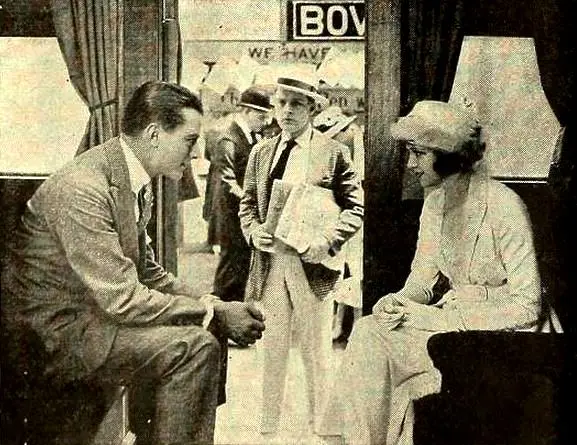
Consider the premise of His Official Fiancée (1919). Without explanation, a London businessman asks his stenographer, Monica Trant, to play the role of his 'official fiancée' for the sum of 500 pounds. This isn't a courtship; it's a transaction. The film strips away the romantic veneer of the engagement and replaces it with a ledger. Monica agrees not out of affection, but to support her brothers. Here, the 'official' title is a cage, a performance mandated by economic necessity.
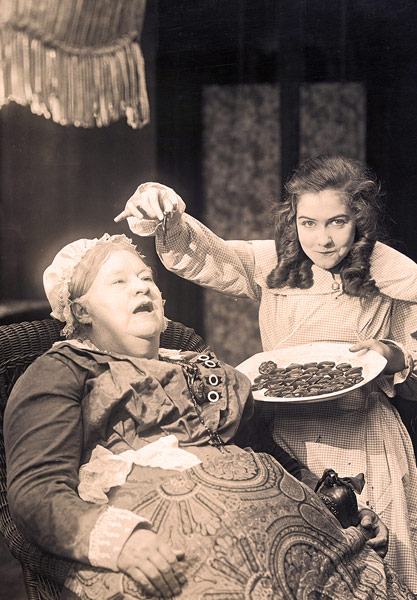
This narrative device—the rented identity—is the direct ancestor of the 'faked' reality that defines cult classics like Seconds (1966) or The Truman Show (1998). In the world of 1919, the horror wasn't a monster in the closet; it was the fact that one’s social standing and romantic future could be bought and sold like a commodity. Monica Trant is the prototype for the cult protagonist who realizes their life is a script written by a corporate entity. The 500-pound contract is the 'red pill' of the silent era, exposing the transactional rot beneath the surface of polite society.
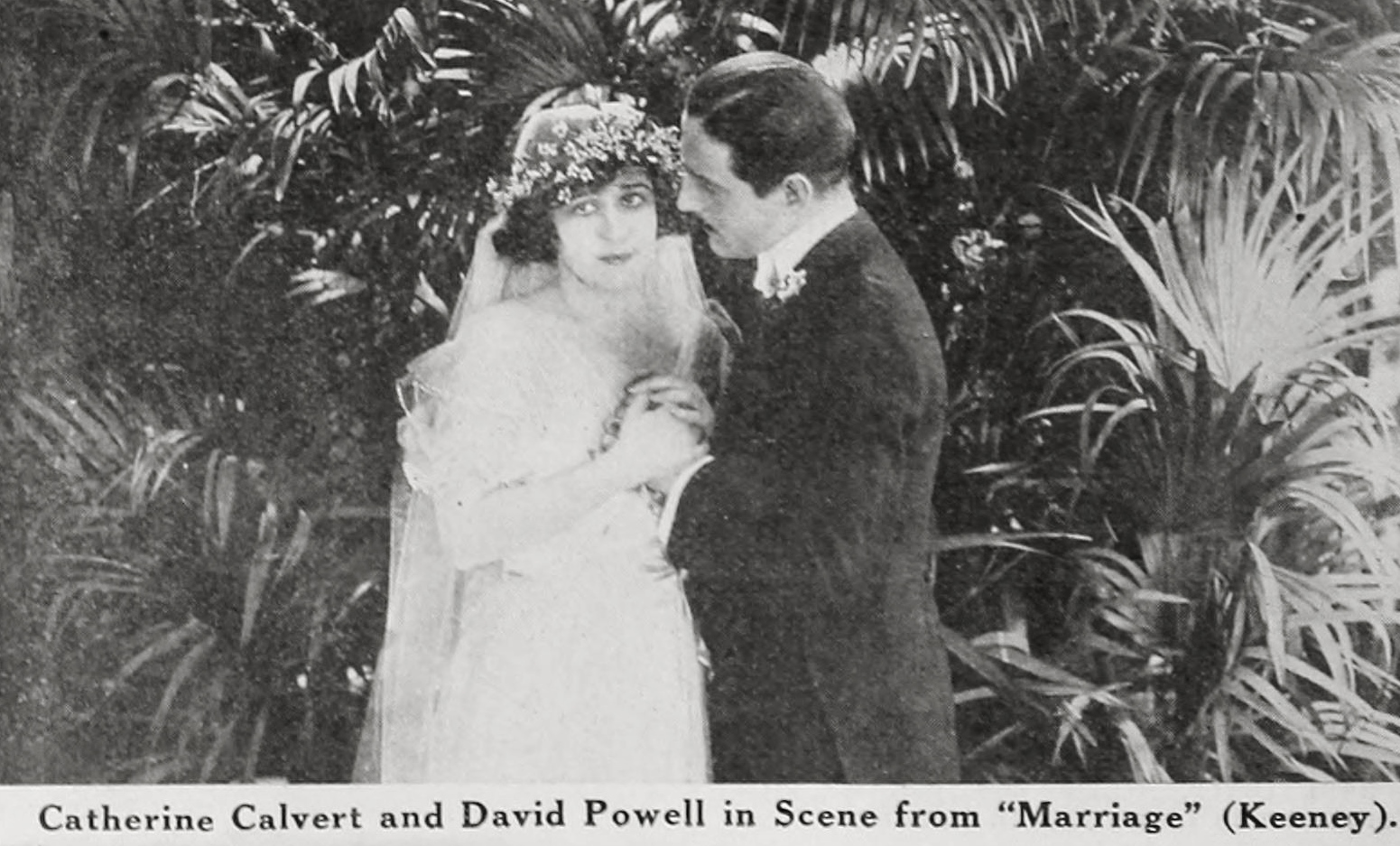
The 'Official' title in silent cinema was never a badge of honor; it was a mark of the counterfeit, a signifier that the person on screen was playing a part within a part.
The Trust Fund Gothic: Bureaucratic Guardianship in the 1910s
The obsession with 'official' status extended into the realm of family and inheritance. In Her Official Fathers (1917), Dorothy Gish plays Janice Webster, a young woman whose life is managed by two vice presidents of the Webster Trust Co. following her father's death. Her 'fathers' are literal corporate officers. The film functions as a satire, but its underlying dread is palpable: the colonization of the domestic sphere by the bureaucratic state.
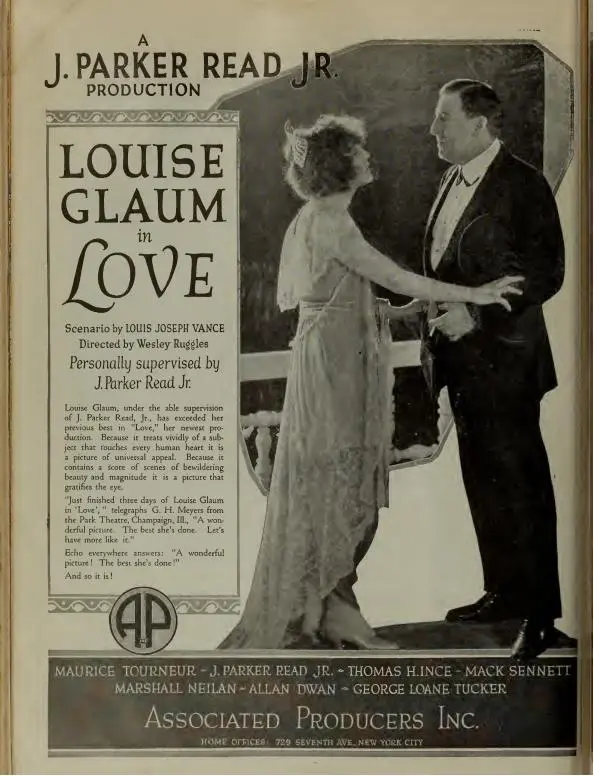
This theme of the 'artificial family' resonates deeply with the cult cinema tradition of questioning the nuclear unit. When Janice’s guardianship is reduced to a board meeting, the film anticipates the sterile, controlled environments of later sci-fi cults. We see echoes of this in A Daughter of the City, where Margaret Fowler’s mother is willing to sacrifice her daughter’s happiness for 'wealth and position.' In these films, the city is not just a place, but a machine that grinds down individual identity, replacing it with a 'daughter' or 'ward' who exists only as a line item on a balance sheet.
The Webster Trust and the Erasure of the Self
- The replacement of paternal love with corporate 'guardianship.'
- The use of the trust fund as a tool of social coercion.
- The 'Official Father' as a precursor to the Big Brother archetype.
The Secret Marriage: When the Ledger Bleeds
If the 'official' relationship was a public lie, the 'secret' marriage was a private haunting. In Secret Marriage (1919), Mary MacLaren’s character tells her story from the witness stand—a narrative framed by the law from its first frame. The secrecy of her marriage leads to drunkenness and attempted suicide, a stark illustration of the psychological cost of living a double life. Similarly, in Zollenstein, the prince’s secret marriage to Lady Maulfrey Le F… (a name that sounds like a fragment of a lost manuscript) creates a rift between royal duty and personal truth.
These films used the 'secret' as a way to explore the fragmented self. To the public, the protagonist was one thing; to the ledger, they were another. This duality is the quintessence of the cult anti-hero. Whether it's the 'half-breed' Necia in The Barrier (1917) struggling against the social wall of her identity, or the 'exotic dancer' in The Sphinx (1916) who acts as a mirror for the insecurities of both a father and a son, the silent era was fascinated by the point where the performance breaks. When the 'Official' mask slips, the result is often madness, social exile, or, as in The Model, a tragic fall down the 'Great White Way' of New York.
The Bestial Mirror: Animal Anarchy as the Anti-Contract
Perhaps the most bizarre manifestation of this theme appears in the era’s animal shorts, such as Snooky's Covered Wagon. Here, a group of trained animals thwarts a trio of bootlegging humans. The film features a 'grotesque mass meeting of monkeys, lions, and owls.' This isn't just slapstick; it’s a subversion of the social contract. While the humans are entangled in illegal trades and deceptive schemes, the animals form a collective, desperate for food, acting with a primal honesty that the 'official' humans have lost.
In Chemistry Lesson, Farmer Al Falfa’s moonshine sends him into a space-age hallucination where he meets a creature with a 'chicken-like body and three cat-like heads.' This surrealist imagery serves as the ultimate rejection of the 'Official.' In the delirium of the 'vice' film (like Love or Justice, where a lawyer loses his standing to drugs), the rigid structures of the law and the contract dissolve into the grotesque and the uncanny. These moments of absurdity provided the 'midnight' logic that would eventually define cult cinema—the idea that the only way to escape the bureaucracy of the heart is to embrace the irrational.
The Nitrate Legacy: From Official Fiancées to the Cult of the Fraud
Why does this matter to the modern cult enthusiast? Because we are still living in the world these films predicted. We inhabit a digital landscape where every interaction is 'official,' every persona is a curated performance, and our identities are managed by invisible 'Trust Companies.' The silent era’s obsession with the contractual self was the first attempt by artists to grapple with the dehumanizing effects of modern life.
When we watch The Outcasts of Poker Flat, we see a gambler forced to choose between his 'official' role as a pariah and his genuine love for a young girl. We see the 'Lounge Lizard' of Wandering Daughters as the predator who thrives in the gaps between social performances. These aren't just characters; they are archetypes of the transgressive struggle. They remind us that the 'cult' is not just a group of people watching a weird movie; it is a community of outcasts who recognize that the 'Official' world is a lie, and that the only truth worth finding is the one hidden in the shadows, behind the screen, and beneath the contract.
The next time you find yourself fascinated by a film about a man who isn't who he says he is, or a woman trapped in a reality that feels like a stage play, remember Monica Trant and her 500-pound engagement. Remember the 'Official Fathers' of the Webster Trust. They were the first to show us that in the theater of life, the most dangerous role you can play is the one you’ve been 'officially' assigned.
Community
Comments
Log in to comment.
Loading comments…