
Cult Cinema
The Celluloid Heretic’s Compendium: Mapping the Primitive Anarchy and Rebel Spirit of Early Cinema’s Forgotten Fringes
“A deep-dive exploration into the silent era's misfit masterpieces and how these early genre experiments birthed the modern cult movie phenomenon.”
To understand the modern obsession with midnight movies, one must look beyond the neon-soaked 1970s and the VHS-laden 1980s. The true genetic blueprint of cult cinema was drafted in the flickering shadows of the silent era, a time when the boundaries of narrative were still being forged by mavericks, misfits, and genre-defying rebels. These films, often dismissed as mere curiosities by contemporary critics, represent a primitive anarchy that continues to haunt the celluloid landscape. From the mechanical monstrosities of early sci-fi to the existential dread of forgotten dramas, the roots of our collective devotion are buried deep in the soil of the early 20th century.

The Birth of the Mechanical Menace: Sci-Fi’s First Cult Icons
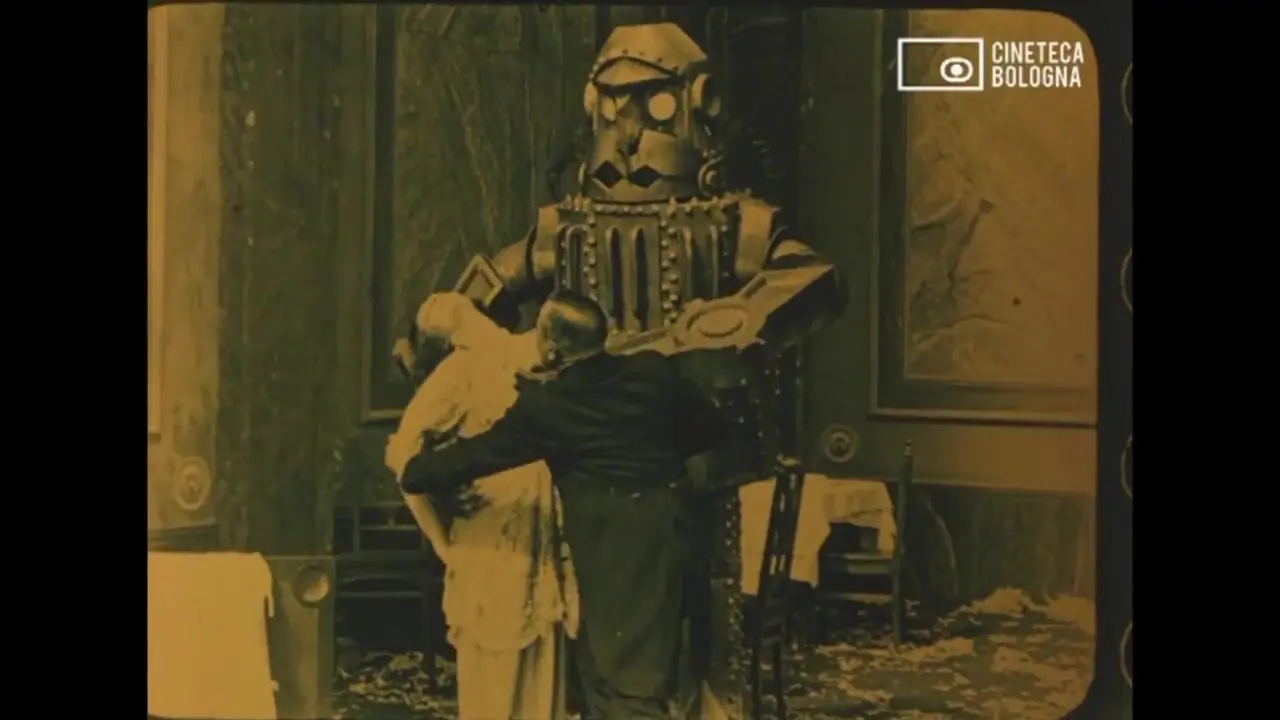
Long before the world trembled at the sight of the Terminator, there was The Mechanical Man (1921). This Italian masterpiece is a cornerstone of early genre experimentation, featuring a scientist who constructs a remote-controlled device shaped like a man. It is here that we see the first inklings of the technological cult—a fascination with the synthetic and the non-human that would later define films like Metropolis or Blade Runner. The visual of a remote-controlled machine wreaking havoc provided a visceral thrill that transcended the simple storytelling of its time, tapping into a primal fear of the automated future.
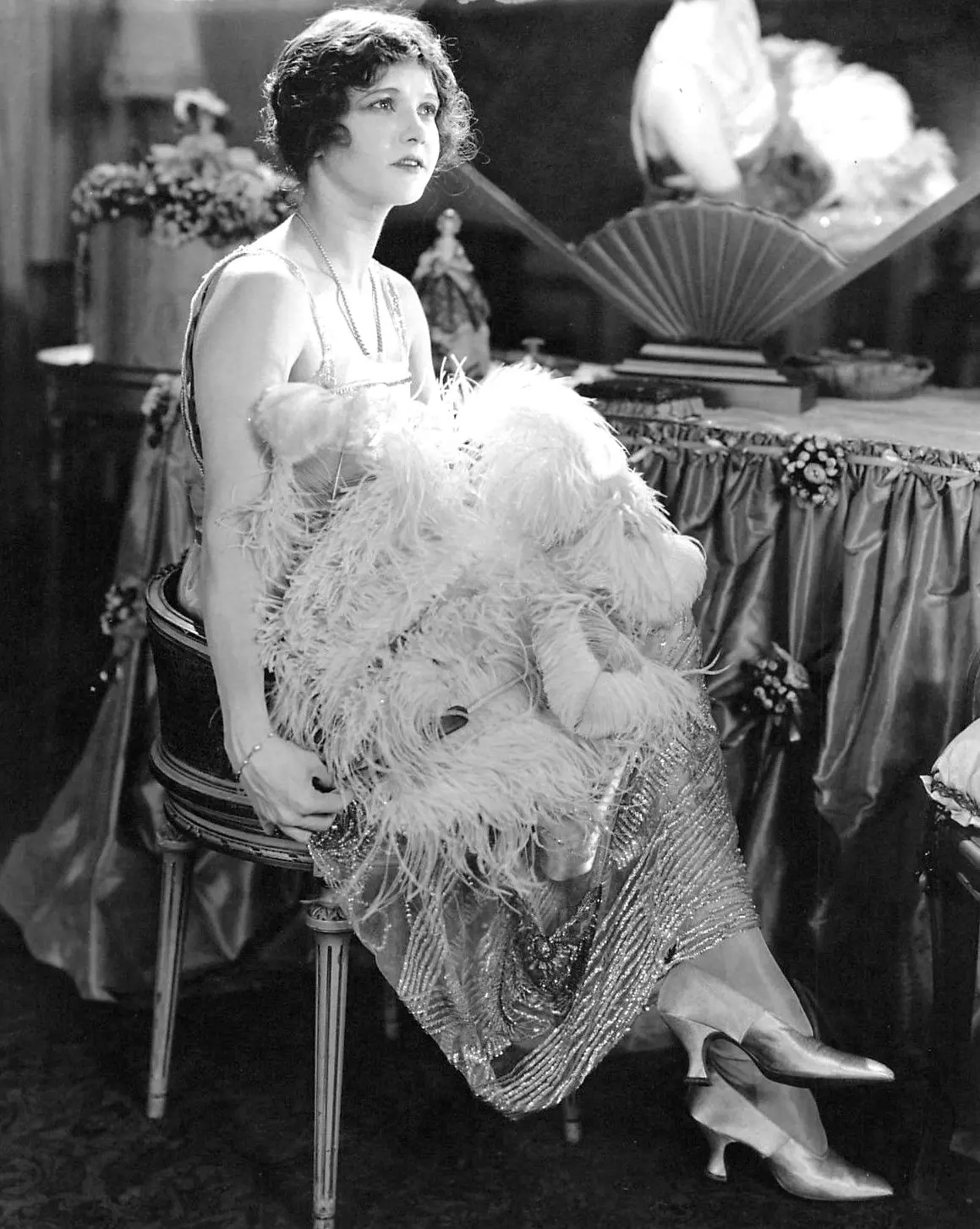
This same spirit of technological wonder and dread is echoed in the short, surreal comedies of the era. Consider Kapten Grogg och fru or the bizarre animal-led narratives like Go West (1923). In the latter, a chimp is kicked out of his home and heads west to seek his fortune. This level of absurdity—an all-animal cast performing a western—is exactly the kind of unconventional narrative that modern cult audiences crave. It rejects the human-centric focus of mainstream cinema in favor of something utterly strange and, in its own way, profoundly avant-garde.

The Existential Outcast: Narratives of Death and Defiance
Cult cinema has always been a sanctuary for the social pariah. In the silent era, this was reflected in films that dealt with terminal diagnosis, social ostracization, and the rejection of bourgeois values. Simon, the Jester (1915) presents a protagonist who, upon learning he has only six months to live, decides to spend his fortune madly and tell no one. This nihilistic, almost celebratory approach to mortality is a direct ancestor to the dark comedies that would eventually populate the midnight circuit. It challenges the viewer to find humor and liberation in the face of the ultimate end.
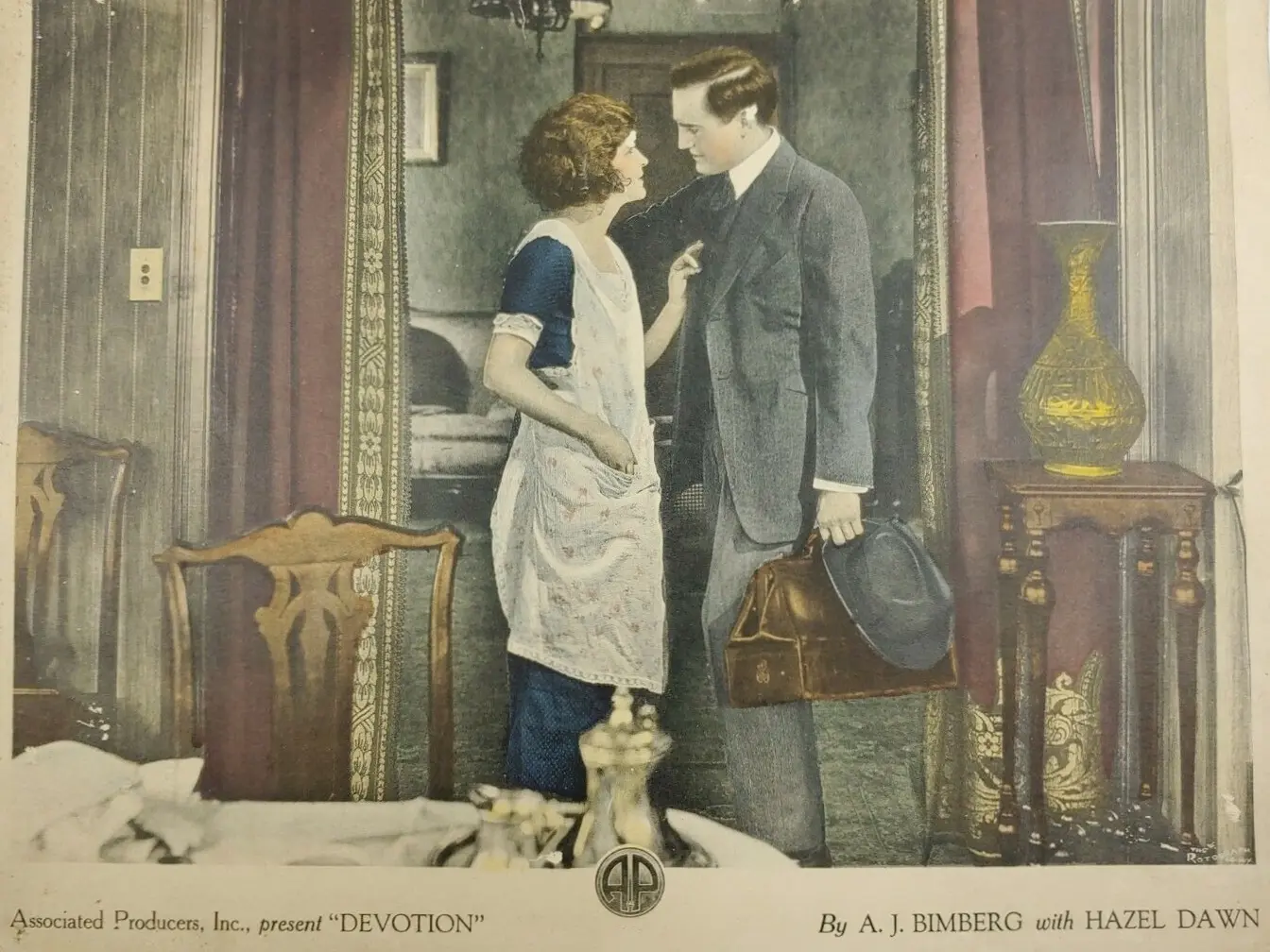
Similarly, The Saint's Adventure explores the theme of the "living dead," where a pastor is mistaken for deceased and finds a strange new life in a lumber camp. These stories of identity subversion—where characters must navigate a world that has already written them off—resonate with the outsider ethos of cult fandom. Whether it is Souls in Bondage, where the protagonist Rosa is treated as an outcast in the shadow of her sister, or Fallen Angel, which depicts the struggle of sisters left penniless, early cinema was obsessed with those living on the margins.
Taboo and Transgression: The Silent Subversive
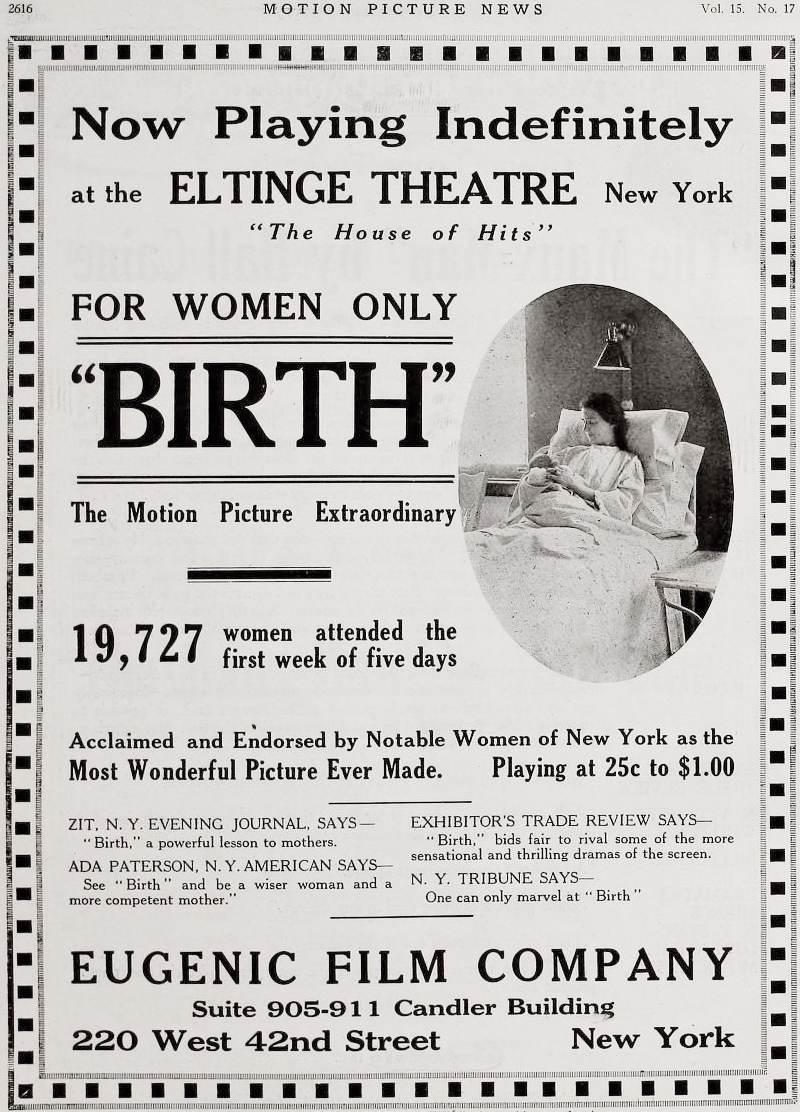
One cannot discuss cult cinema without addressing transgression. The silent era was far more daring than many realize, often tackling subjects that would later be sanitized by the Hayes Code. Empty Arms (1920) is a poignant example, focusing on a woman’s paralyzing fear of childbirth—a topic rarely addressed with such raw honesty. By giving voice to these internal terrors, the film created a space for psychological horror and social commentary that felt dangerous and essential.
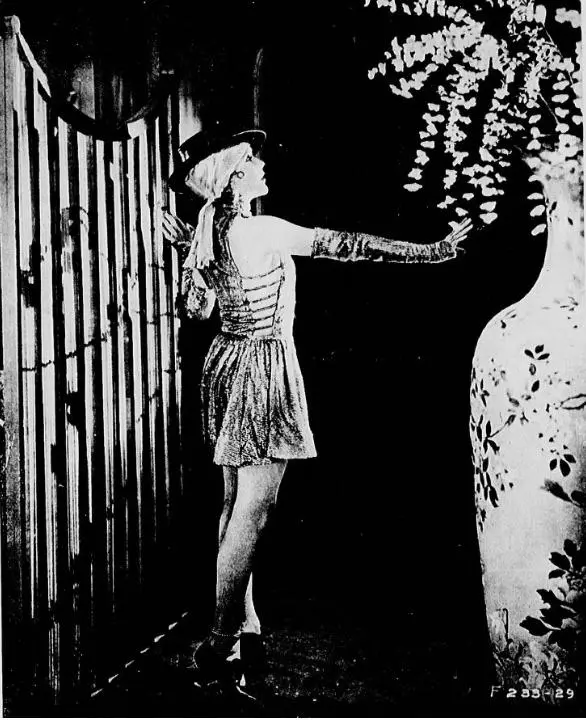
The era also reveled in the decadence of the city. Greater Than Love (1921) features young girls staging jazz parties in New York, disillusioned by the worthlessness of men. This depiction of urban hedonism and feminine independence provided a counter-narrative to the domestic ideals of the time. In films like Persuasive Peggy, we see a newlywed asserting her independence by stealing away from her husband when he breaks a promise. These small acts of rebellion on screen paved the way for the larger cinematic mutinies of the 1960s and 70s.
Global Gothic: The International Roots of the Midnight Mindset
The cult phenomenon is not restricted by borders, and neither was the early cinematic fringe. From the French serial thrills of Barrabas, which follows the attempts to destroy a sadistic criminal organization, to the German haunting of Die Kwannon von Okadera, the world was already experimenting with the macabre and the mysterious. La fête espagnole offers a triangle of obsession and desire that feels contemporary in its emotional complexity, while Maria Pavlowna brings a distinct European sensibility to the screen.
Even the more traditional genres were being twisted into something new. The Millionaire Pirate takes a pearl diver and dresses him in pirate garb, creating a meta-narrative about identity and the power of the image. This self-reflexive quality is a hallmark of cult cinema—the film that knows it is a film, or the character who becomes obsessed with their own myth. In My Lady's Garter, the pursuit of a thief known as "The Hawk" leads to a case of mistaken identity that deconstructs the hero archetype. These are not just stories; they are cinematic puzzles that invite repeated viewing and deep analysis, the very definition of a cult object.
The Comedy of the Grotesque and the Absurd
Comedy in the silent era often veered into the surreal, creating a lineage for the absurdist cult films of today. When Knights Were Cold features a Robin Hood-type character chased by an army of knights in a medieval walled town, utilizing physical comedy that feels almost dreamlike in its execution. Cupid's Elephant and Bluebeard of the Jungle utilized bizarre premises to elicit laughter, often crossing into the realm of the strange. Even the more grounded comedies like Ruggles of Red Gap (1923) played with cultural clashes, showing an English valet assimilating into the wild American West—a precursor to the "fish out of water" stories that cult fans adore.
The short film format also allowed for rapid-fire experimentation. Oh, You Kid and Never Too Old utilized the brevity of the medium to push visual gags to their breaking point. This frantic energy is mirrored in the punk-rock editing of later cult classics. These early filmmakers were the original saboteurs, using the camera to disrupt expectations and create a new visual language that spoke to the subversive soul of the audience.
The Legacy of the Lost: Why the Fringe Still Matters
Many of these films, such as The Black Night or Exile, exist now only as fragments or in the memories of film historians. Yet, their influence is undeniable. They represent a time when cinema was a lawless frontier, where a governor could be a brutal villain hated by natives (Exile) or a lord could change places with a dead jewel thief to outsmart a blackmailer (The Black Night). This willingness to explore the shadow side of humanity is what draws us to cult cinema. We seek out the films that were too weird, too dark, or too honest for the mainstream.
From the snowy landscapes of Code of the Yukon to the racing tracks of Garrison's Finish, the diversity of these early works shows a medium in the throes of a creative explosion. Whether it is the documentary realism of Britain Prepared or the romantic melodrama of The Cyclone, these films laid the groundwork for every genre we love today. They taught us that the screen could be a mirror, a window, or a weapon. And for the cult devotee, they remain a sacred reliquary of what cinema can be when it refuses to play by the rules.
In conclusion, the cult movie soul was not born in a vacuum. it was forged in the fires of 1910s and 20s rebellion. Every time we gather in a dark theater at midnight to watch a misfit masterpiece, we are honoring the spirit of The Mechanical Man, the defiance of Simon, the Jester, and the sheer, unadulterated weirdness of a chimp heading west. The fringe is not just a place on the map of cinema history; it is the heart of the medium itself, beating with the rhythm of the unconventional and the undying.
Community
Comments
Log in to comment.
Loading comments…