
Cult Cinema
The Celluloid Heretics: Decoding the Subversive DNA of Cinema’s Early Misfits
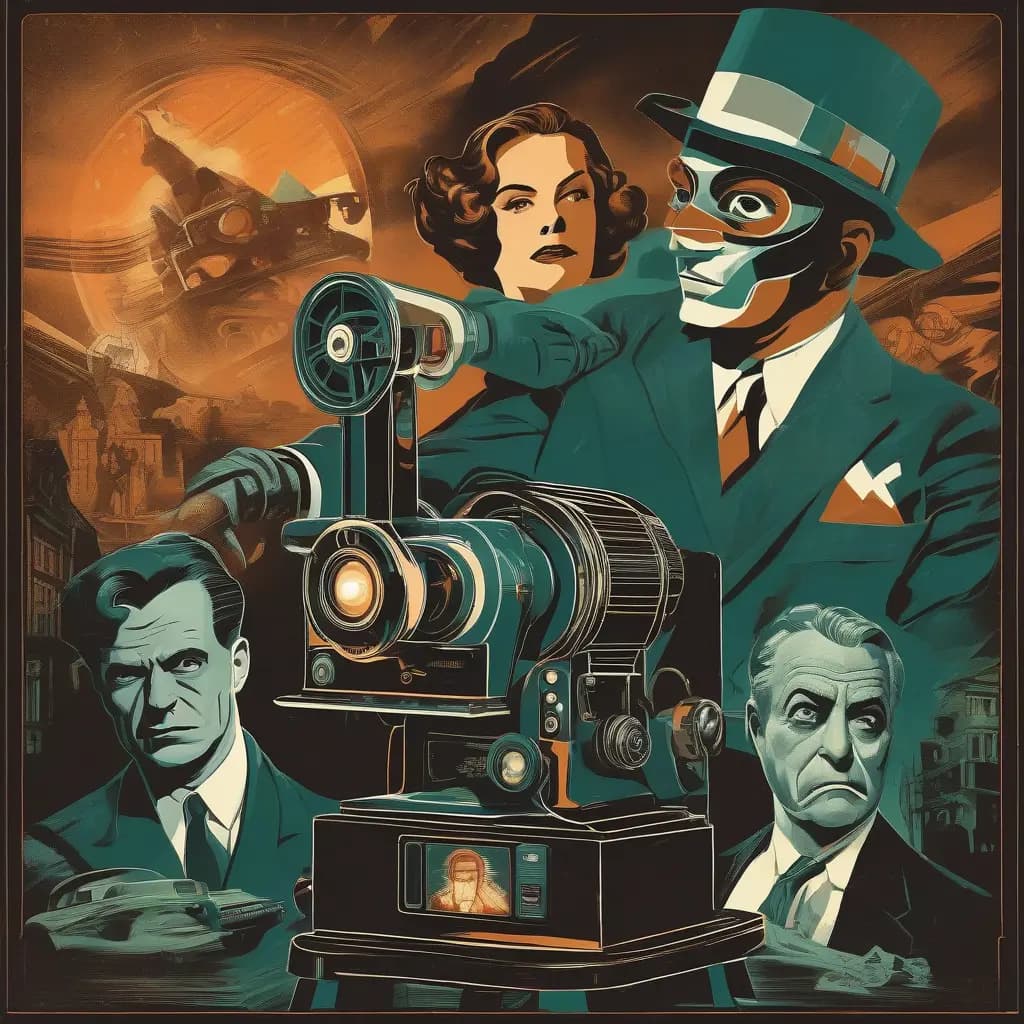
“A deep-dive investigation into how the forgotten genre experiments and moral rebels of early cinema laid the groundwork for modern cult movie obsession.”
When we speak of cult cinema, the mind often drifts toward the neon-soaked midnight screenings of the 1970s or the transgressive VHS underground of the 1980s. However, the true genetic markers of the cult phenomenon were forged much earlier, in the flickering shadows of the silent era and the experimental dawn of the talkies. These were the celluloid heretics—films that refused to adhere to the burgeoning Hollywood formula, choosing instead to explore the fringes of human morality, technological anxiety, and narrative anarchy. To understand why we worship the misfit masterpieces of today, we must first unearth the strange relics of the past.
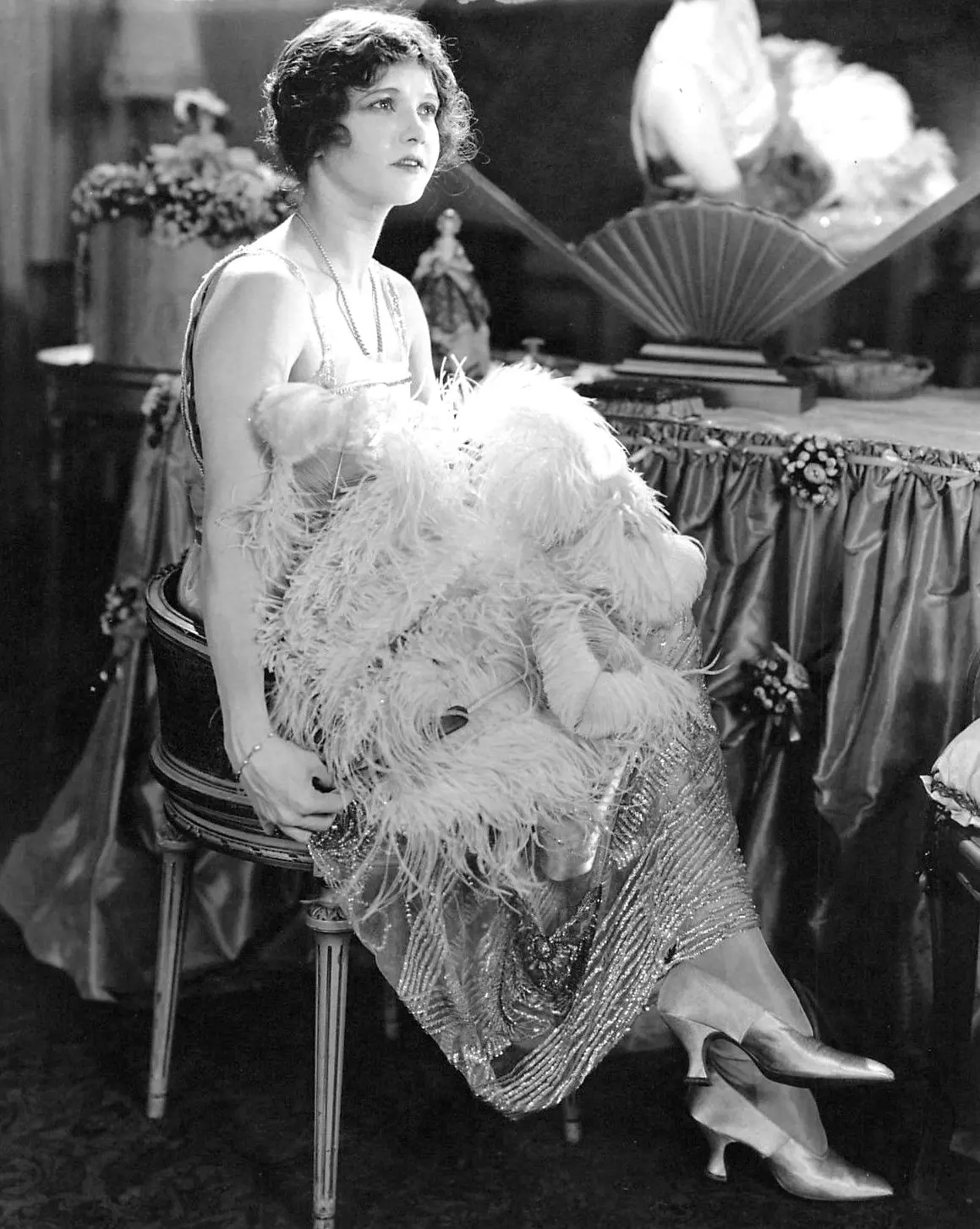
The Moral Frontier: Challenging the Status Quo
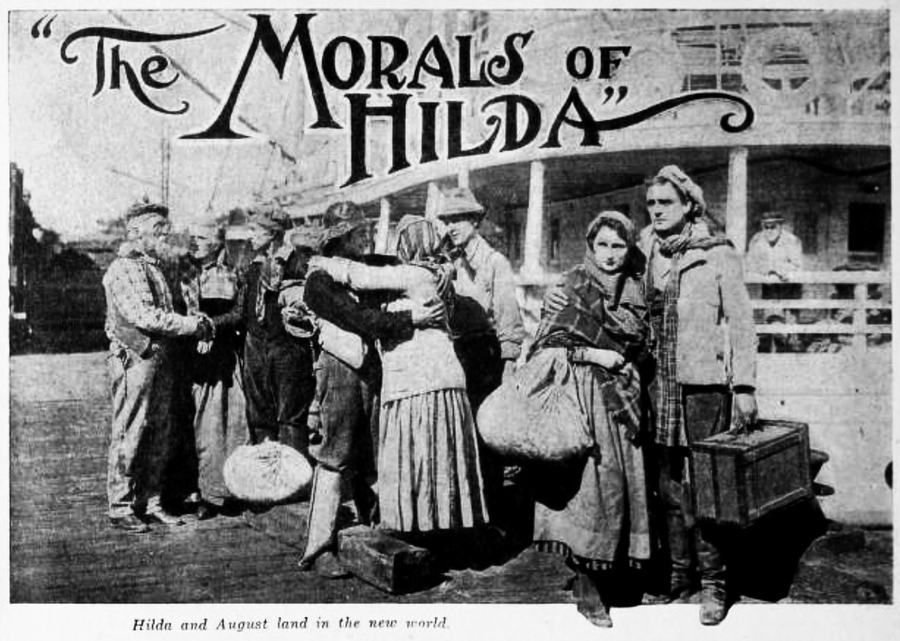
One of the primary pillars of cult cinema is its willingness to dance along the edge of social acceptability. In the early 20th century, this meant confronting rigid Victorian values and the burgeoning censorship of the Hays Code era. Consider the 1916 film The Morals of Hilda. This narrative follows August and Hilda, recent immigrants who find themselves at odds with American matrimonial expectations. In their home country, formal weddings were an unnecessary formality, yet in the 'land of the free,' they face the threat of arrest for their unconventional union. This theme of the 'outsider' struggling against an unyielding system is a foundational trope of cult cinema, echoing through the decades to the counter-culture movements of the 1960s.

Similarly, An Innocent Magdalene (1916) explores the friction between Southern tradition and the perceived 'vice' of the village. Dorothy Raleigh, a high-spirited beauty, is shielded by her father from the townspeople, only to find herself caught in a narrative of redemption and social ostracization. These films weren't just dramas; they were early explorations of the taboo, a key ingredient that attracts the devoted, niche audiences that define 'cult' status. They provided a voice for the marginalized and the misunderstood long before the term 'independent film' was a marketing buzzword.
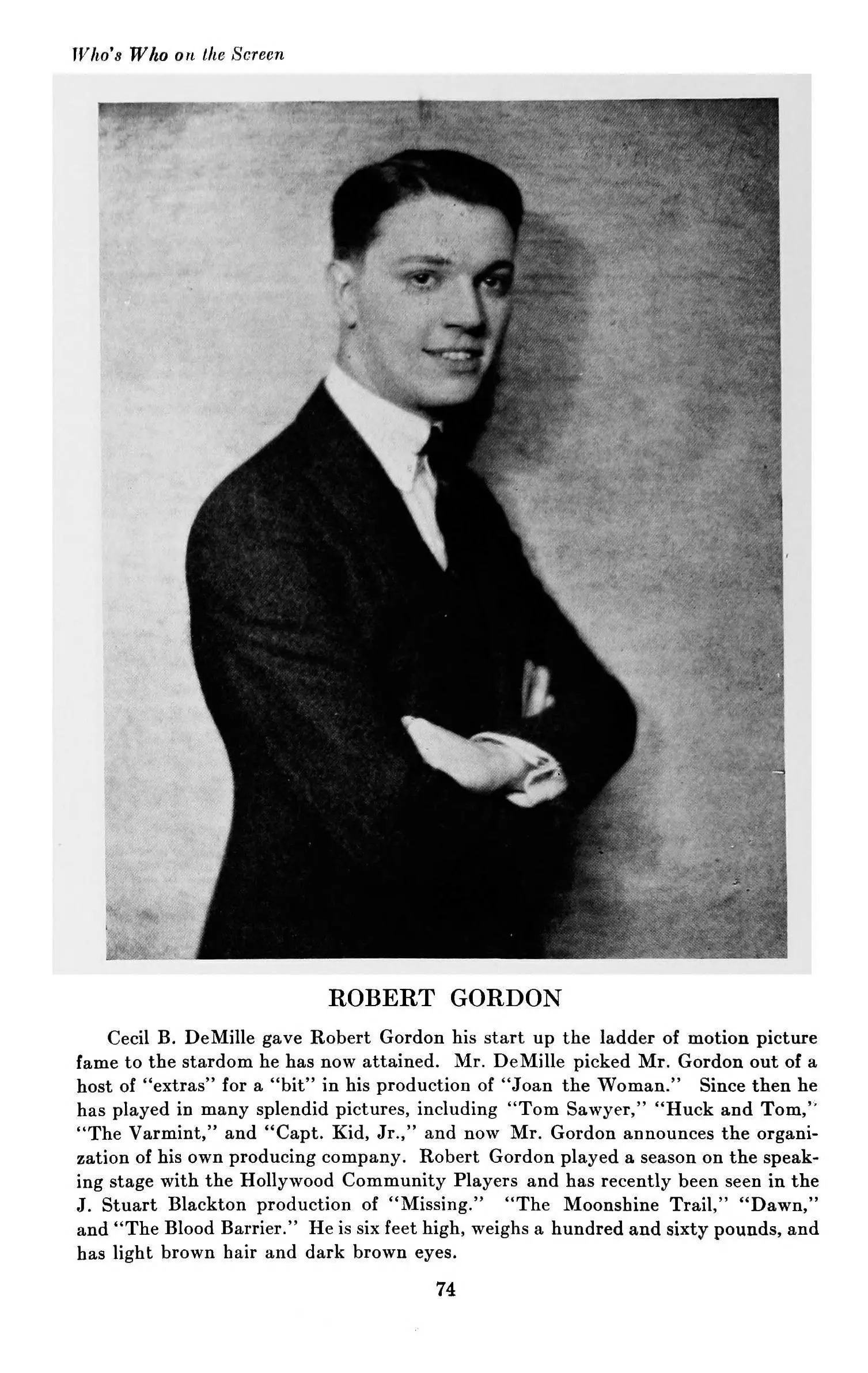
The Desperation of the Fringe: Gold and Madness
Cult cinema often thrives in environments of extreme pressure, where characters are pushed to the brink of their sanity. Gold Madness (1923) serves as a perfect example of this psychological intensity. The story of Scotty McGee, a crooked dealer who lures away a prospector's wife through the promise of wealth, is a dark meditation on greed and revenge. When the prospector, Tim Kendal, finally strikes gold, the narrative shifts from a tale of loss to a cold, calculated pursuit of justice. The 'gold madness' mentioned in the title isn't just a plot point; it is a stylistic choice that mirrors the obsessive nature of cult fandom itself—a pursuit of something rare and valuable hidden beneath the dirt of the mainstream.
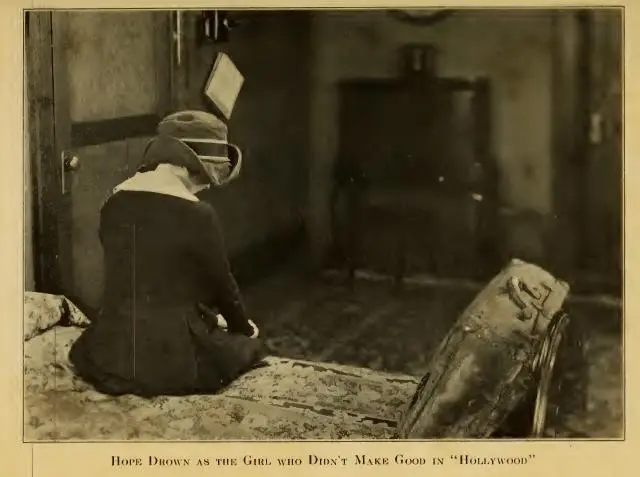
Genre Anarchy: From Sky Monsters to Jungle Bluebeards
If cult cinema has a spiritual home, it is within the realms of the weird and the speculative. Long before big-budget CGI, early filmmakers were using practical effects and sheer imagination to create worlds that defied logic. The Sky Monster (1923) took the burgeoning fascination with aviation and twisted it into a high-stakes wager, where a millionaire attempts to fly across the Atlantic in a period of three days. This blend of technological optimism and existential risk is a precursor to the sci-fi cult classics of the atomic age.
Then there is the sheer, unadulterated absurdity of Bluebeard of the Jungle. This short comedy leans into the 'weird fiction' tropes that would later define the pulp era. By taking a classic fairy tale and transplanting it into a wild, exotic setting with a comedic twist, it showcased the early industry's willingness to experiment with genre-bending. Cult audiences crave this kind of unpredictability—the feeling that they are watching something that shouldn't exist, yet does.
The Surrealism of the Mundane
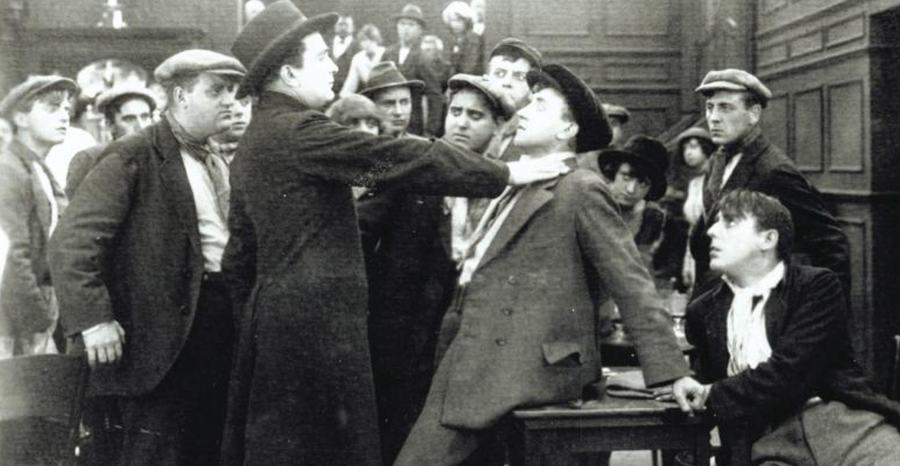
Even the comedies of the era exhibited a streak of the surreal. Should Tailors Trifle? (1913) presents a world where two tailors, Charlie and Peggy, are more interested in each other's shops than their own work, featuring a dog named Brownie who habitually tears the pants of unsuspecting customers. It is a proto-absurdist narrative that finds humor in the repetitive and the nonsensical. This same spirit is found in The Morning After (1915), where two party-goers find themselves trapped in the 'toughest street in town,' pursued by a relentless policeman. The cyclical nature of their struggle and the heightened reality of their environment prefigure the 'nightmare' comedies of the late 20th century.
The Subversive Feminine: Widows, Pirates, and Rebels
Cult cinema has frequently served as a platform for female characters who defy the 'damsel in distress' archetype. In Fires of Rebellion (1917), Madge Garvey refuses a stable marriage proposal because she fears the 'drab and loveless' factory life that consumes those around her. Her refusal is an act of cinematic mutiny, a rejection of the domestic destiny prescribed by society. This rebellious spirit is echoed in Wild Winship's Widow (1917), where a woman moves from the morbid adoration of her late husband's memory toward a rediscovery of her own agency.
Perhaps most striking is Such a Little Pirate (1918), featuring a heroine who navigates the treacherous waters of crooked businessmen and ancestral treasure islands. These films provided early audiences with a different kind of icon—the maverick woman. Whether it’s the resilient Esther in Little Miss Smiles (1922), who sustains her family in the ghetto through sheer force of will, or the vengeful sister in Sister Against Sister (1923), these narratives prioritize female perspective in ways that were often overlooked by the grand epics of the time.
The Mystery of the Masked Mastermind
No discussion of the roots of cult obsession is complete without mentioning the serial. The Exploits of Elaine (1914) introduced the world to 'The Clutching Hand,' a masked criminal mastermind. The serialized nature of these films created a 'must-see' culture, where fans would return week after week to see how Elaine would escape her latest predicament. This is the origin of the fandom—the communal experience of shared suspense and the deification of the villain. The mystery and the macabre elements of Mitternacht (1918), involving a stabbing in a safe and a mysterious ring, further cemented the audience's love for the 'whodunit' with a dark, atmospheric edge.
The Aesthetic of Isolation: Forts and Islands
The setting of a cult film often acts as a character itself, providing a sense of isolation that heightens the drama. The Primal Lure (1916) takes us to the desolate Fort Lu Cerne, where trappers struggle against a disastrous season and a rigid corporate hierarchy. The isolation of the Hudson Bay Company outpost mirrors the isolation of the characters' souls. Similarly, in Livets Omskiftelser (1917), a woman lost at sea finds refuge on a lonely island with a man who has chosen to live apart from society. These 'liminal spaces'—islands, outposts, mining camps like Paradise Gulch in The Quitter (1916)—are the perfect breeding grounds for the unconventional behavior that cult cinema celebrates.
In The Quitter, the boredom of the miners leads to a desperate demand for female presence, highlighting the psychological toll of a monochromatic, male-dominated existence. This focus on the psychological impact of one's environment is a hallmark of the 'elevated' cult film, where the setting dictates the morality of the inhabitants. When we look at the 'clay dollars' and 'swampland' of Clay Dollars (1921), we see a landscape where truth is as murky as the terrain, a visual metaphor for the moral ambiguity that cult fans find so compelling.
The Redemption of the Outlaw
The cult hero is rarely a saint. From Alias Jimmy Valentine (1915), a criminal who finds himself wrongfully pardoned, to the wrongly-convicted gentleman turned pirate in The Sea Hawk (1924), the 'outlaw' is a figure of fascination. These characters operate outside the law but often possess a stricter moral code than the 'civilized' antagonists they face. This subversion of the hero archetype is essential to the cult ethos; it allows the audience to root for the transgressor, creating a bond based on shared rebellion against the status quo.
Conclusion: The Eternal Flicker of the Fringe
The 50 films mentioned here—from the jewel-imitating drama of Amatörfilmen (1922) to the war-torn tragedy of Wanted for Murder (1918)—represent a vast, untapped reservoir of cinematic rebellion. They were the original experiments in tone, character, and narrative that allowed cinema to grow beyond simple documentation into a complex art form capable of expressing the deepest, darkest, and strangest aspects of the human condition.
Modern cult cinema is not a new invention; it is a continuation of a conversation that began with a hole drilled in a wall in Hole in the Wall (1921) and a detective chasing a clutching hand. By looking back at these celluloid heretics, we recognize that the spirit of the 'midnight movie' has always been with us, flickering in the darkness, waiting for a devoted audience to find it and call it their own. The DNA of the misfit is etched into the very silver halide of these forgotten reels, ensuring that as long as there is a mainstream, there will always be a vibrant, rebellious fringe to challenge it.
Community
Comments
Log in to comment.
Loading comments…