
Cult Cinema Deep Dive
The Celluloid Irregular: Decoding the Genetic Rebellion and Maverick Soul of Early Cinema’s Misfit Reels
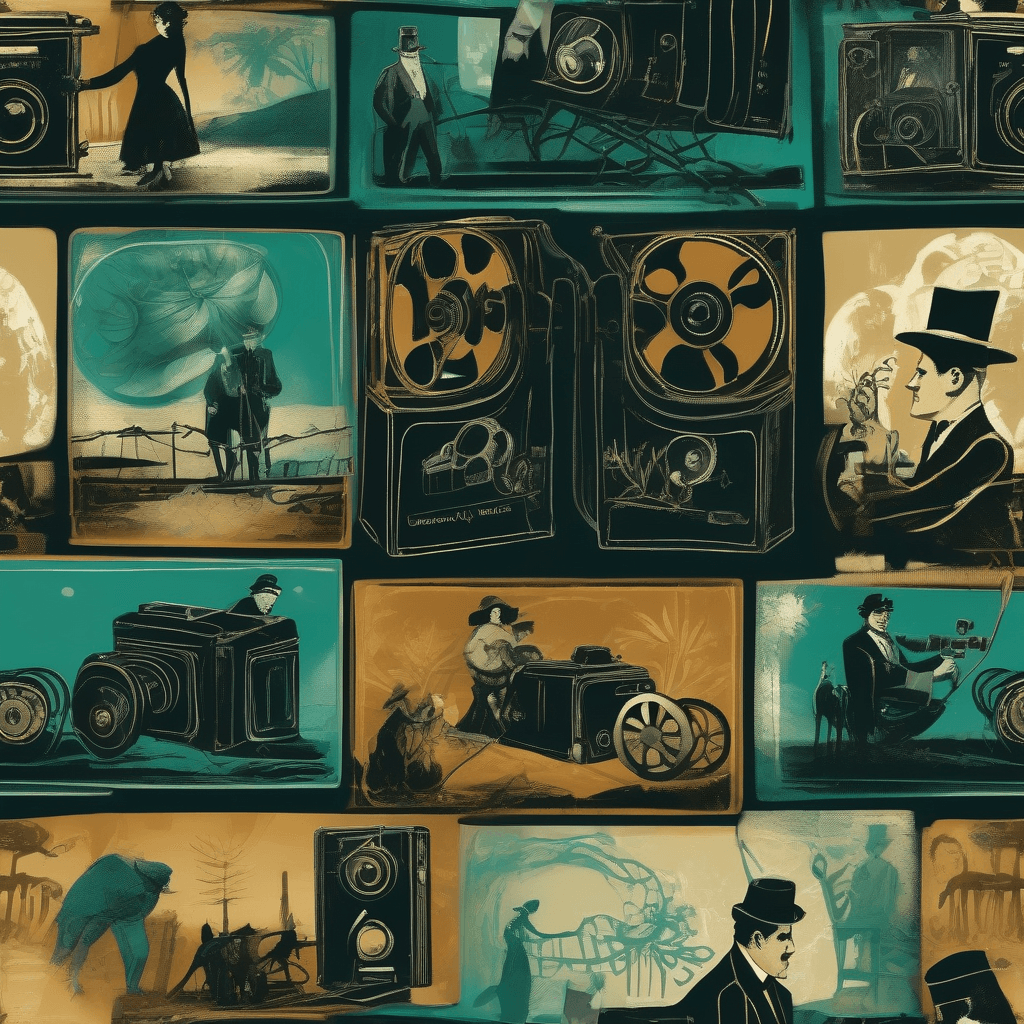
“An exploration into the forgotten foundations of cult cinema, tracing how the silent era's narrative mutants and visual outcasts paved the way for modern midnight movie devotion.”
The history of cinema is often written by the victors—the blockbusters, the Oscar-winners, and the studio darlings that defined the cultural zeitgeist. However, beneath the polished surface of the mainstream lies a jagged, transgressive underworld of films that refused to conform. Long before the term 'cult cinema' was coined in the midnight movie houses of the 1970s, the foundations of niche devotion were being laid in the nitrate shadows of the silent era. These films, which we might call the Celluloid Irregulars, possessed a genetic rebellion that spoke to the fringes of society, offering visions that were too strange, too moralistic, or too experimental for the masses.
The Genesis of the Narrative Mutant
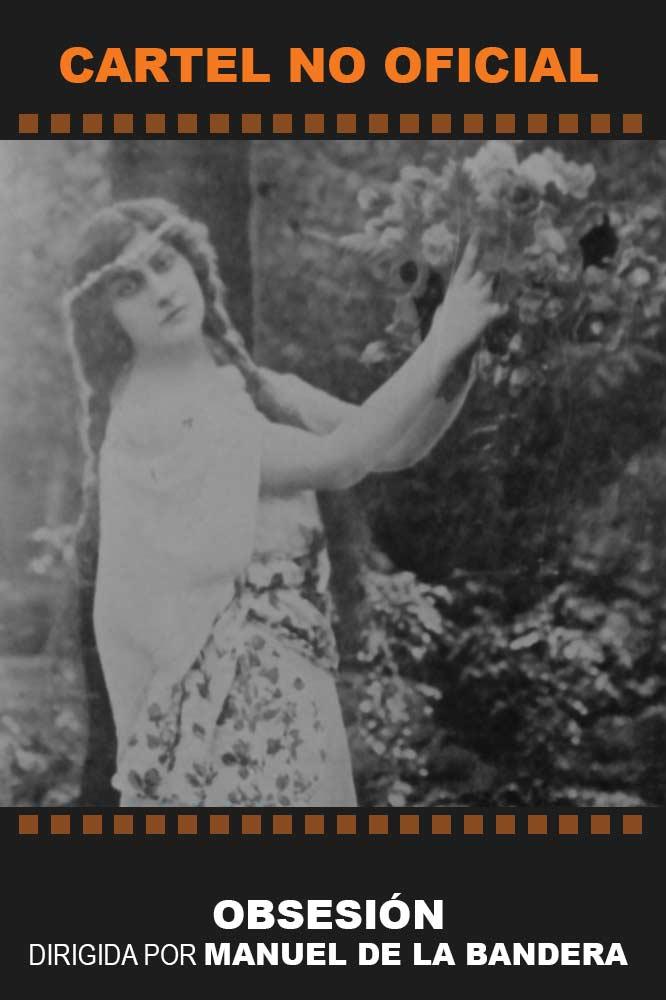
To understand the modern cult obsession, one must first look at the narrative mutants of the early 20th century. These were films that took established literary or social structures and twisted them into something unrecognizable or hauntingly specific. Consider the 1914 adaptation of Anna Karenina. While Tolstoy’s work is a pillar of high literature, this early Russian silent film emphasized the grave consequences and the psychological isolation of the extramarital affair, creating a somber, atmospheric experience that prefigures the dark obsession of later cult dramas. It wasn't just a story; it was a mood, a haunting captured on flickering film.
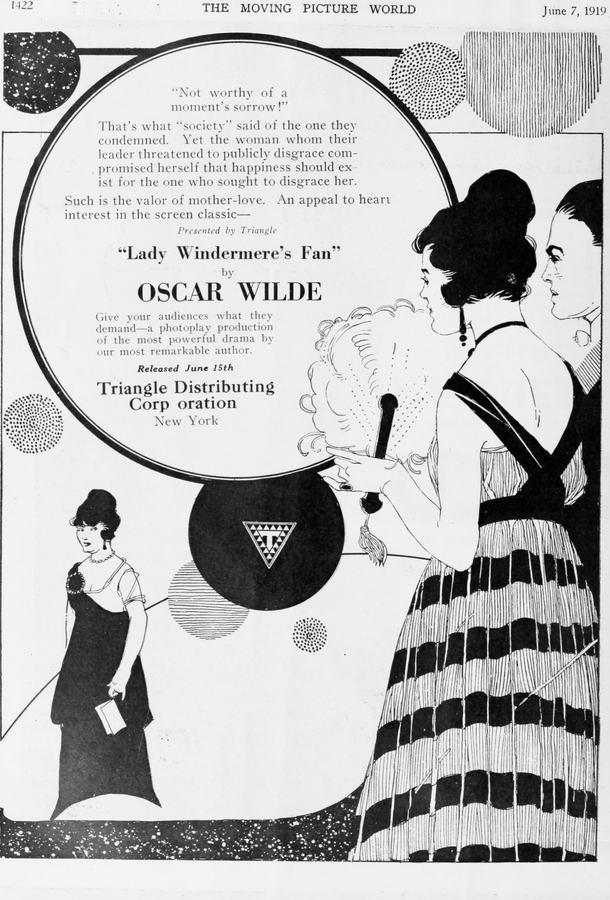
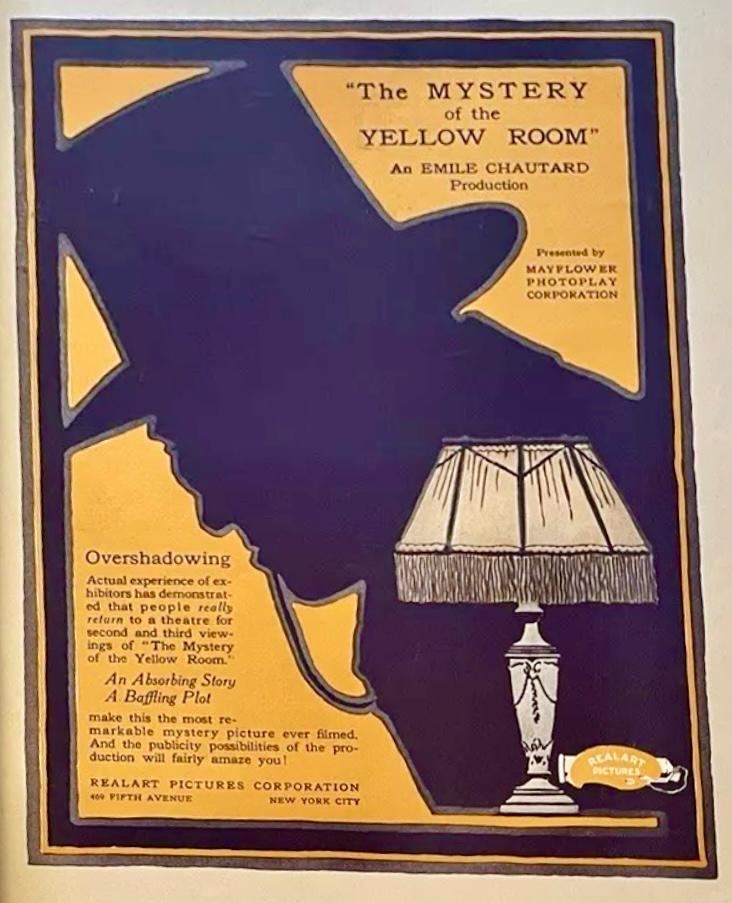
Similarly, Lady Windermere's Fan took Oscar Wilde’s drawing-room comedy and translated it into a visual language of mistaken identities and social friction. These films didn't just entertain; they challenged the viewer to look closer at the fractures in the social facade. When we look at the 1919 version of The Mystery of the Yellow Room, we see the birth of the cinematic 'locked-room' mystery. The film’s focus on the scientific experiments of a father and the delayed marriage of Mathilde Stangerson creates a tension that is as much about the architecture of mystery as it is about the plot. This is the same impulse that drives fans to re-watch cult classics: the desire to decode a hidden layer of meaning.
Social Subversion and the Moral Maverick
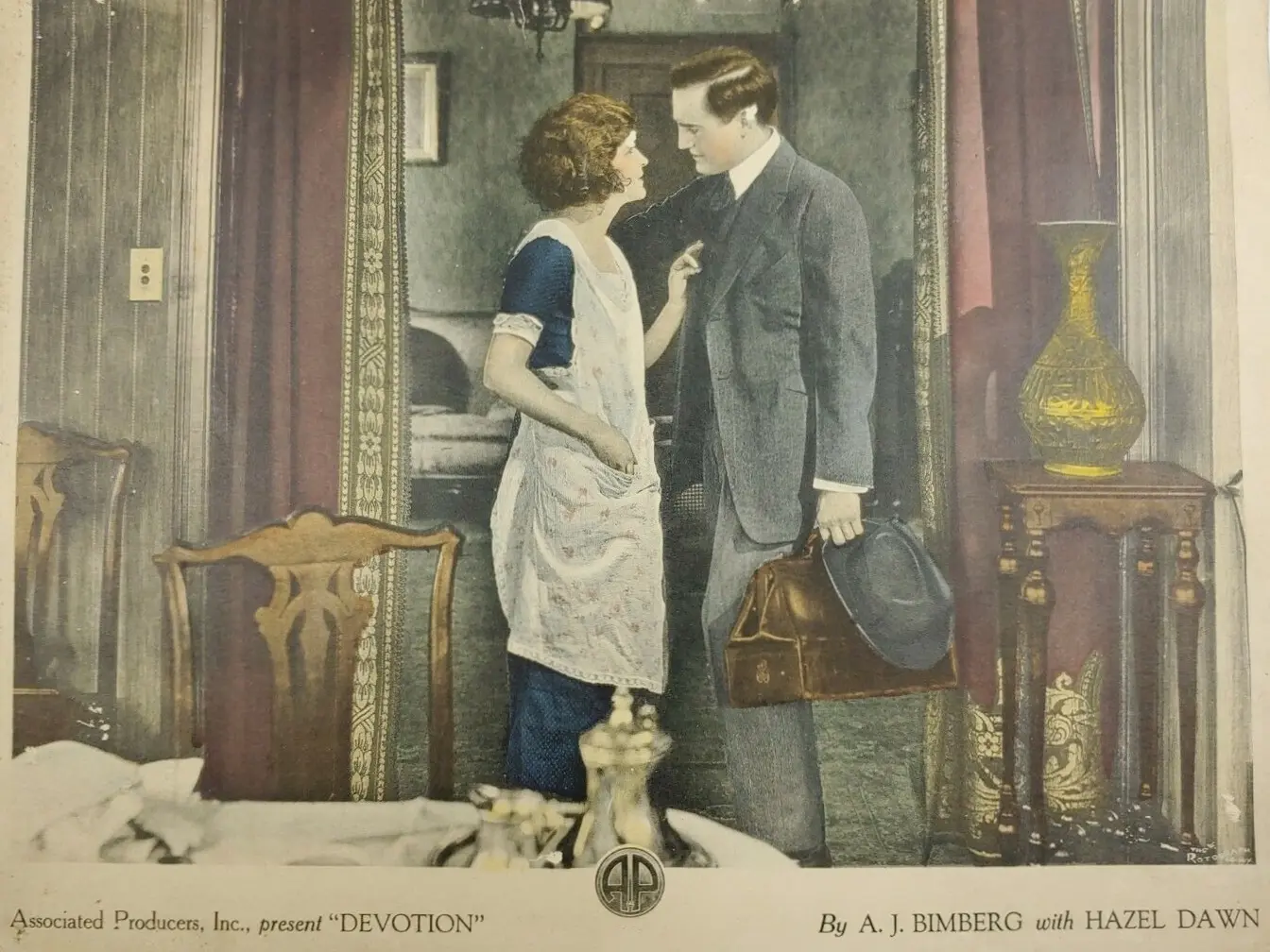
Cult cinema has always been a haven for the socially disenfranchised. In the early days, filmmakers like Lois Weber used the medium to shine a light on the grit beneath the glamour. Her film Shoes (1916) is a searing indictment of poverty, following a young woman who grows tired of providing for her ungrateful family. It is a proto-cult masterpiece because of its unflinching realism and its refusal to provide a tidy, Hollywood ending. This same spirit of social reform is found in Dust, where the sweetheart of an author discovers her own father is the owner of the city's worst factory. These films were the 'punk rock' of their time, using the screen as a pulpit for dissent.

The 'misfit' narrative often extended into the realm of the ethnic and religious 'Other.' Darkest Russia provides a fascinating look at the intersection of Jewish identity and Russian aristocracy, featuring a violin student whose life is shattered by state violence. By centering a narrative on those marginalized by the prevailing power structures, these films fostered a unique kind of niche devotion. They were films made for people who felt like outcasts, creating a secret language of shared struggle that would eventually become the hallmark of the midnight movie community.
The Aesthetic of the Strange: Animation and Absurdity
If cult cinema is defined by its 'weirdness,' then early animation and short comedies are its primary ancestors. The Wireless Wire-Walkers and Flip's Circus represent a break from reality, where the laws of physics are replaced by the whims of the animator. In Flip's Circus, the taming of an 'exotic beast' through balancing tricks reflects a surrealism that would later define the works of Jodorowsky or Lynch. These were not just cartoons; they were experiments in the mechanical uncanny.
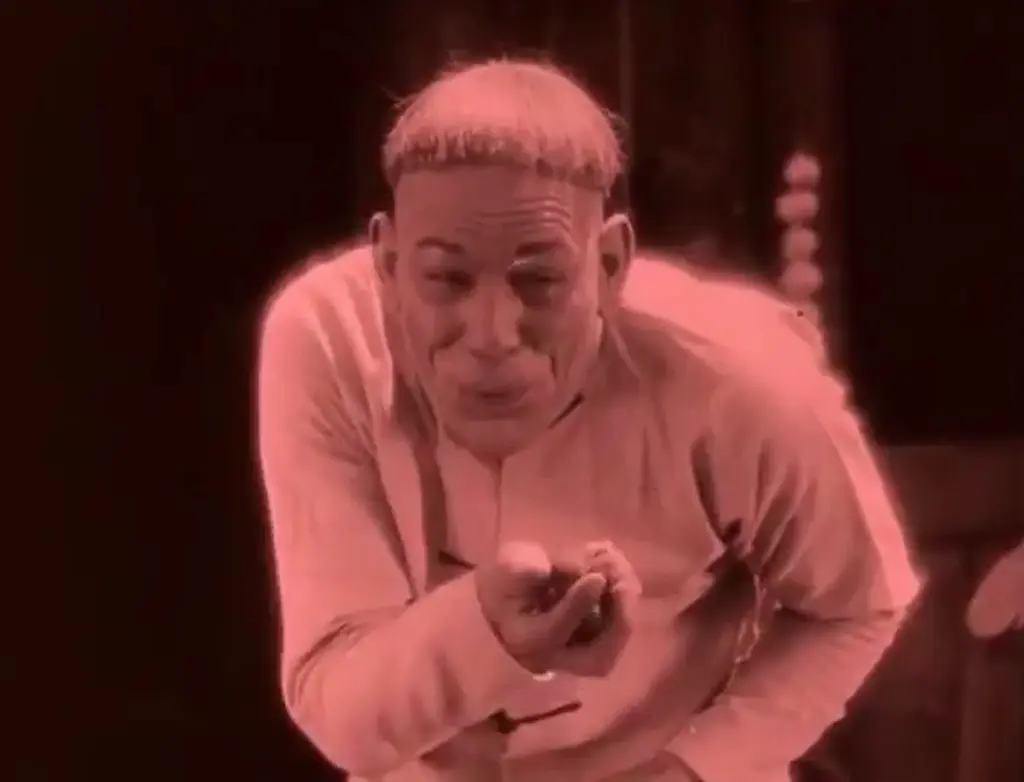
Even the live-action shorts of the era embraced a frantic, almost nihilistic absurdity. The Tail of a Cat, with its plot involving a janitor’s murderous intent toward four kittens and a misunderstanding by visiting relatives, is a precursor to the 'dark comedy' cult subgenre. It finds humor in the grotesque and the domestic, a theme echoed in Judy Forgot, where a train wreck leads to a case of mistaken identity involving a vaudeville star and a brood of children. These films thrived on the unpredictable rhythm of the unexpected, a quality that keeps cult audiences returning to the same reels for decades.
Global Outliers and the Exotic Fringe
The cult experience is often one of discovery—finding a film from a distant land that speaks a universal language of rebellion. In the early century, films like Finlandia served as government propaganda, yet today they exist as fascinating cultural artifacts, capturing a specific national identity through nature and military displays. They are cinematic time capsules that have been reclaimed by the cult of the 'curio.' On the other end of the spectrum, Istanbul'da Bir Facia-i Ask (A Love Tragedy in Istanbul) offers a glimpse into the armistice years of Turkey, a tragic love story that feels both deeply local and hauntingly universal.
The action and adventure of the East also found its way into the early fringe with Shibukawa Bangorô, a Japanese tale of a judo instructor's son saving the innocent from a false pretext. These films introduced Western audiences to different modes of heroism and storytelling, much like the Shaw Brothers or Chan-wook Park would do decades later. They were the original transborder cult hits, spreading their influence through the underground networks of film enthusiasts who craved something beyond the standard American fare.
The Archetype of the Outlaw
No discussion of cult cinema is complete without the figure of the outlaw. Early Westerns and crime dramas like Sunlight's Last Raid and The Vigilantes established the trope of the rebel who operates outside the law to achieve a higher justice—or simply to survive. In Sunlight's Last Raid, the kidnapping of Janet by a notorious outlaw creates a friction between 'civilized' society and the rugged hills that would become a staple of the 'Acid Western.' These films weren't just about gunfights; they were about the moral ambiguity of the frontier.
This ambiguity is further explored in The Woman in Black, a tale of seduction, exile, and a vow of revenge. The figure of Mary, the gypsy girl, and her mother Zenda, the titular woman in black, are the quintessential cult icons: characters who have been wronged by the system and choose to haunt it from the margins. Their story is a nocturnal odyssey of vengeance that resonates with the same primal energy as the modern 'Rape-Revenge' or 'Giallo' genres. They are the guardians of the fringe, the voices of the silenced.
The Enduring Allure of the Forgotten
Why do we remain obsessed with these flickering ghosts of the past? Perhaps it is because films like Five Thousand an Hour or Money Magic represent a time when the rules of cinema were still being written. In Money Magic, the story of a girl marrying a gambler to save her family’s hotel is a proto-noir that balances romance with the dark lure of the saloon. These films were unscripted experiments in human emotion, capturing a raw vulnerability that is often lost in modern, over-produced media.
Even the 'failed' experiments, like the incognito prince in The Last Volunteer or the eugenics-obsessed aunt in Their Mutual Child, offer a window into the bizarre preoccupations of the era. They are 'cringe' cinema before the term existed—fascinating, awkward, and utterly compelling. This is the heart of the cult experience: the ability to find beauty and meaning in the cinematic anomaly. Whether it is the slapstick chaos of Going! Going! Gone! or the heartbreaking poverty of Shoes, these films remind us that cinema has always been a place for the irregular, the outcast, and the rebel.
Conclusion: The Legacy of the Nitrate Fringe
As we look back at the first century of film, it becomes clear that the 'cult' was never a modern invention. It was there in the silent strength of Dan La Roche, the frantic cycling of Snub and Harold, and the tragic consequences of Anna Karenina’s affair. These films provided the genetic blueprint for everything we love about underground cinema today: the subversion of norms, the celebration of the weird, and the formation of a community around the 'unseen.' The Celluloid Irregulars may have been forgotten by the history books, but their spirit lives on in every midnight screening and every obsessive fan who dares to look beyond the marquee.
The next time you find yourself lost in a bizarre, low-budget masterpiece, remember that you are part of a lineage that stretches back to the very dawn of the moving image. You are a disciple of the Nitrate Fringe, a witness to the enduring power of the misfit frame. In the end, the films that truly matter aren't the ones that everyone sees—they are the ones that only a few people love, with a passion that burns as bright as a nitrate fire.
Community
Comments
Log in to comment.
Loading comments…