
Cult Cinema Deep Dive
The Celluloid Mandrake: Decoding the Silent Era’s Transgressive Roots and the Birth of Niche Devotion
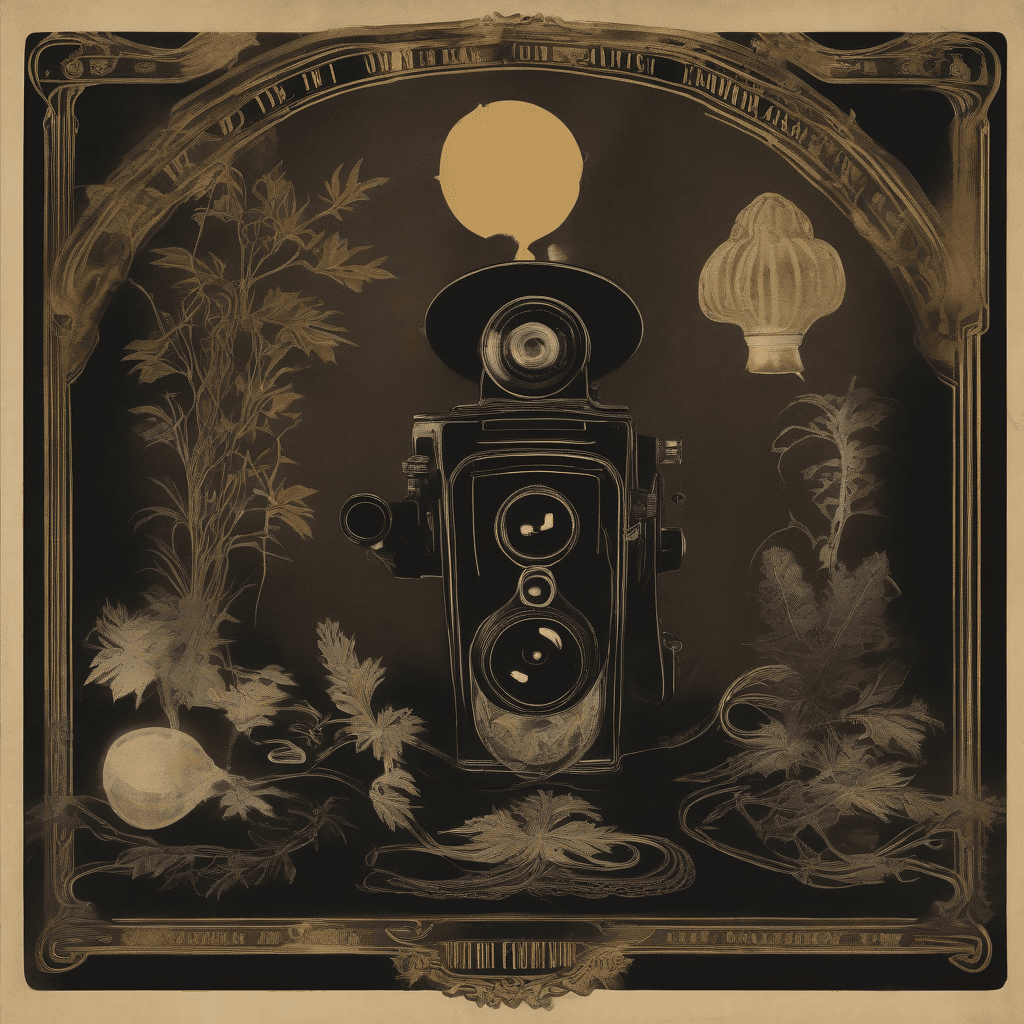
“Explore how the silent era's most bizarre, transgressive, and misunderstood films laid the genetic groundwork for modern cult cinema and midnight movie devotion.”
Cult cinema is rarely born; it is forged in the fires of misunderstanding, aesthetic dissonance, and the relentless pursuit of the marginal. While the modern cinephile might point to the midnight movie craze of the 1970s as the genesis of the 'cult' phenomenon, the true DNA of transgressive film was spliced much earlier. In the flickering, nitrate-heavy shadows of the 1910s and early 1920s, a series of cinematic anomalies emerged that defied the burgeoning conventions of Hollywood's moral and narrative structures. These films, ranging from biological horrors to gritty underworld dramas, provided the primordial blueprint for what we now recognize as the cult aesthetic.
The Biological Taboo: Alraune and the Birth of Weird Science
Perhaps no film from the early silent era encapsulates the cult spirit more perfectly than Alraune. Based on the folklore of the mandrake root, the film introduces us to a mad scientist who creates a beautiful but demonic woman through a forced, unnatural union. This is not merely a horror story; it is a meditation on the ontological anxiety of the early 20th century. The character of Alraune—a being born of magic and science, devoid of a traditional soul—prefigures the 'femme fatale' and the 'artificial human' archetypes that would later populate the cult works of Fritz Lang and Ridley Scott. The film’s obsession with the grotesque and the forbidden is a hallmark of cult cinema, signaling a shift away from the 'wholesome' entertainment of the masses toward a darker, more specialized fascination with the fringes of human experience.
Underworld Rhythms and the Glamour of the Gutter
While the mainstream was busy perfecting the romantic comedy and the epic historical drama, a sub-current of 'slumming' narratives began to take hold. Films like The Hoodlum and The Innocent Sinner took audiences into the alleys and opium dens that the moral guardians of the era desperately wanted to ignore. In The Hoodlum, we see a reversal of the 'rich girl' trope; instead of finding salvation in her wealth, the protagonist is forced to find her soul in the 'unpleasantness' of the slums. This celebration of the low-brow and the gritty is a cornerstone of the cult ethos. It suggests that truth is not found in the parlor, but in the gutter.
Similarly, The Innocent Sinner and For the Defense explored the moral ambiguity of the city. In For the Defense, the narrative of drunken playboys and accidental death during a struggle with a maid highlights a class tension that was often smoothed over in more 'respectable' films. These stories didn't just depict crime; they depicted the chaos of the urban condition. They offered a visceral, often uncomfortable look at the social failures of the time, attracting an audience that craved a reflection of the world's inherent messiness rather than its idealized fantasies.
The Masked Avenger and the Serialized Obsession
The concept of 'niche devotion' is nowhere more evident than in the rise of the cinematic serial. The New Mission of Judex and The Vampires: Hypnotic Eyes (part of the legendary 'Les Vampires' series) created a culture of recurring viewership that mirrors today’s fandoms. Judex, the masked fighter for justice, and the hypnotic, criminal underworld of the Vampires, provided a sense of continuity and world-building that was revolutionary. These weren't just movies; they were mythologies. The visual iconography—the capes, the masks, the secret hideouts—became a secret language for the initiated, a key component of the cult experience where the audience feels like they belong to a private club.
Exoticism, Folklore, and the 'Other'
Cult cinema has always been a haven for the 'other,' whether that be the literal alien or the culturally marginalized. Early films like The Bottle Imp and The Tales of a Thousand and One Nights tapped into a fascination with the exotic and the supernatural that felt distinct from the Western, Christian-centric narratives of the time. The Bottle Imp, set in Hawaii and involving a soul-selling contract for a magical bottle, brought Pacific folklore into the cinematic consciousness. These films used the fantastic to critique the real, often exploring themes of greed, derangement, and the impossible price of desire—motifs that would later define the works of cult directors like Alejandro Jodorowsky.
The deranged monarch in The Tales of a Thousand and One Nights who murders his brides is a terrifying figure that challenges the 'happily ever after' tropes of early romance. By centering the story on Scheherazade’s resourcefulness in the face of death, the film elevates the act of storytelling itself to a survival mechanism. This meta-narrative layer—the story about stories—is a sophisticated technique that cult audiences have long adored for its intellectual depth and subversion of genre expectations.
The Avant-Garde as Truth: Kino-Pravda and the Rogue Lens
We cannot discuss the roots of cult cinema without acknowledging the radical experimentation of the Soviet avant-garde. Dziga Vertov’s Kino-pravda (Film-Truth) newsreels were not merely reportage; they were a declaration of war against the 'theatrical' film. By documenting Russian life through a fragmented, kinetic lens, Vertov and his collaborators (Svilova and Kaufman) broke the 'fourth wall' before it was even a solidified concept. This rejection of artifice in favor of a raw, almost violent reality is exactly what draws audiences to cult documentaries and 'found footage' films decades later. Vertov’s work suggests that the camera is a 'cine-eye' that sees what the human eye cannot, a philosophy that remains central to the cult viewer’s search for the 'unseen' or 'hidden' truth within the frame.
The Aesthetics of Failure and the Comedy of Errors
Sometimes, the path to cult status is paved with unintentional absurdity or the subversion of social norms through comedy. The Bullshevicks, a burlesque of the Bolshevik movement, and The Fibbers, a comedy of marital lies, showcase an early penchant for satire that didn't mind being 'low-brow.' In The Bullshevicks, the use of 'vamping' Russian countesses and newspaper reporters committing crimes for the sake of a story creates a chaotic, carnivalesque atmosphere. This spirit of irreverence—the willingness to mock the most serious political movements of the day—is a direct ancestor to the counter-cultural satires of the 1960s.
Even in shorter works like Distilled Love, featuring a milkmaid caught up with bootleggers, we see the 'Silent female comic' challenging the damsel-in-distress archetype. These films often featured performers who were compared to Chaplin but operated in a more niche, often more aggressive comedic space. Their physical comedy wasn't just for laughs; it was a form of social resistance, a way of moving through a world that was increasingly mechanized and rigid.
Conclusion: The Eternal Midnight of the Silent Screen
The 50 films referenced here—from the Alaskan gold-rush brutality of The Spoilers to the tragic domesticity of Ingeborg Holm—represent a period of immense creative volatility. Before the Hays Code and the homogenization of the studio system, cinema was a wild frontier. It was during this era that the cult spirit was born: in the shadows of the opium den in The Man with the Twisted Lip, in the magical realism of The Carpet from Bagdad, and in the violent temper of Brother of the Bear.
These films were the original 'outliers.' They were the movies that didn't quite fit, the ones that challenged the viewer to look closer, to see the beauty in the bizarre and the truth in the transgressive. When we watch a midnight movie today, we are not just watching a film; we are participating in a ritual that began over a century ago. We are the descendants of those who sought out the 'Kino-pravda,' those who were mesmerized by the 'Hypnotic Eyes' of the Vampires, and those who recognized that the most powerful stories are often the ones that the world tries to forget. The celluloid mandrake has been growing in the dark for a long time, and its roots are deeper than we ever imagined.
Community
Comments
Log in to comment.
Loading comments…